

Noise Reduction Products for More Comfortable Spaces
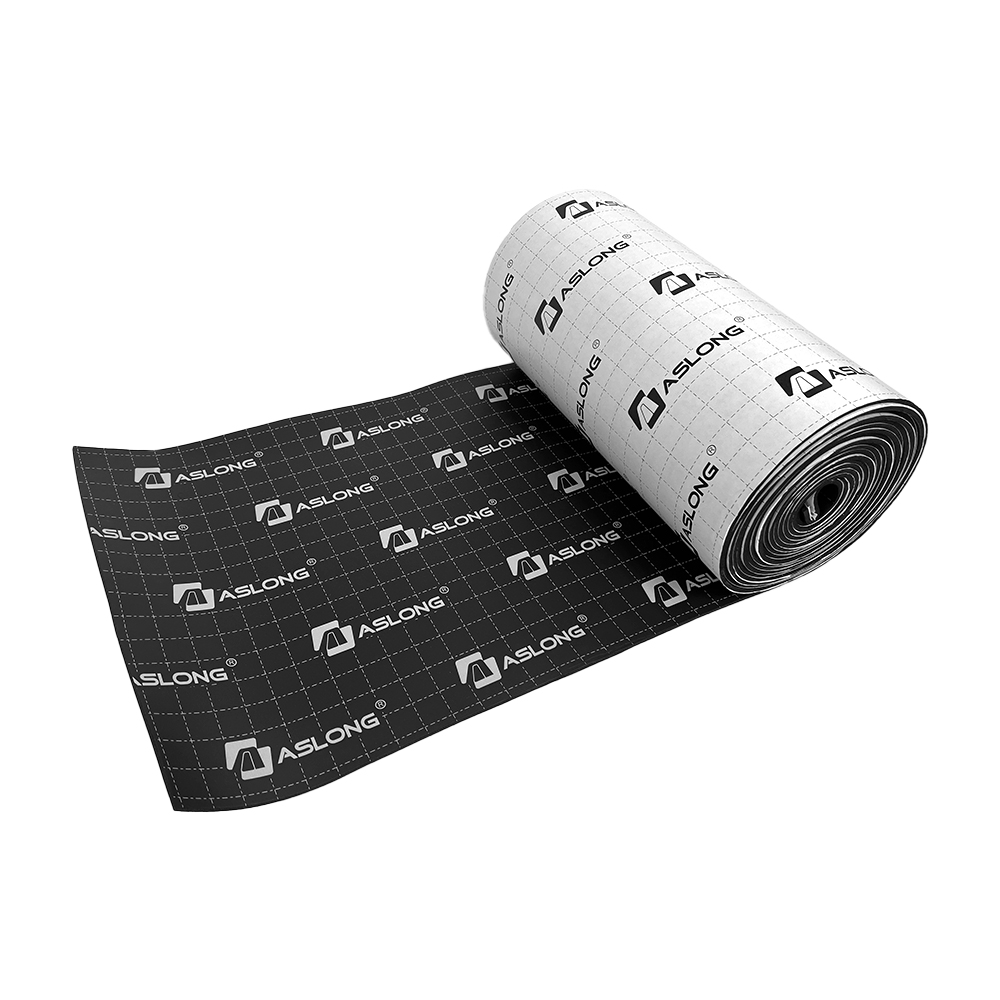
Noise reduction products can help make busy rooms, work areas, and shared environments feel more comfortable and usable. The right choice depends on the source of unwanted sound, the layout of the space, and what you want to improve: concentration, privacy, rest, or communication. Understanding how sound behaves helps you compare options thoughtfully and set realistic expectations before choosing a solution.
Choose a solution for the sound and the space
Not every sound problem has the same cause. Voices and activity within a room can create distracting reverberation, while traffic, machinery, or neighboring spaces may be heard through openings, lightweight partitions, or other transmission paths. Identifying when and where the disturbance is most noticeable is a useful first step. A product intended to soften sound inside a room may not stop sound traveling in from outside, so matching the approach to the problem matters.
Consider how the space is used throughout the day. A home office may call for a calmer setting for calls and focused tasks; a bedroom may benefit from fewer interruptions; and a shared workspace may need better speech comfort. Also think about practical details, including available space, installation preferences, appearance, maintenance, and whether the setting is temporary or permanent. These considerations help narrow the choices without relying on broad promises.
- For echo and room activity: Look for approaches intended to absorb or diffuse sound within the room.
- For sound traveling between areas: Review likely transmission paths, such as doors, gaps, windows, and shared walls, before selecting a suitable remedy.
- For a flexible setup: Consider whether a movable or easy-to-adjust option better fits changing needs.
Understand what sound-control products can do
Sound absorption and sound blocking address different challenges. Absorptive materials can reduce reflections and help a room feel less lively, which may make speech easier to follow. Blocking sound is more concerned with limiting transmission from one area to another and often depends on factors such as mass, airtightness, construction, and the weakest point in a barrier. A single product should not be assumed to solve both problems equally.
That distinction is especially useful when comparing product descriptions. Look for information about the intended application, recommended placement, dimensions, materials, care requirements, and any stated performance data. If measurements are supplied, check the conditions under which they were obtained and whether those conditions resemble your own space. Results in a test setting may not translate directly to a finished room with different surfaces, openings, and background sounds.
Expectations should be practical. Many sound-management measures reduce annoyance or improve the acoustic feel of a room rather than create silence. Several modest improvements may work better together than one isolated change, particularly when sound can enter through multiple routes. Where the source is persistent or the consequences are significant, a qualified acoustics or building professional can help assess the space and identify appropriate next steps.
Make a confident, informed selection
A useful buying decision balances the sound issue with everyday usability. Compare options by intended purpose, fit, installation effort, durability, and how they will look and function in the setting. For homes and workplaces alike, products are most effective when they address a clearly identified need and are installed or positioned as directed. Review care instructions and compatibility details before purchase, especially when the product will be used in a high-traffic or shared area.
It can help to keep a simple record of the problem before making changes: note the time of day, the type of sound, where it seems strongest, and which activities it interrupts. After introducing a solution, assess the same conditions again. This practical comparison makes it easier to judge whether comfort has improved and whether another measure is warranted. With a clear goal and realistic expectations, sound-control choices can support calmer, more functional spaces without treating every room or sound source as identical.
noise reduction Display
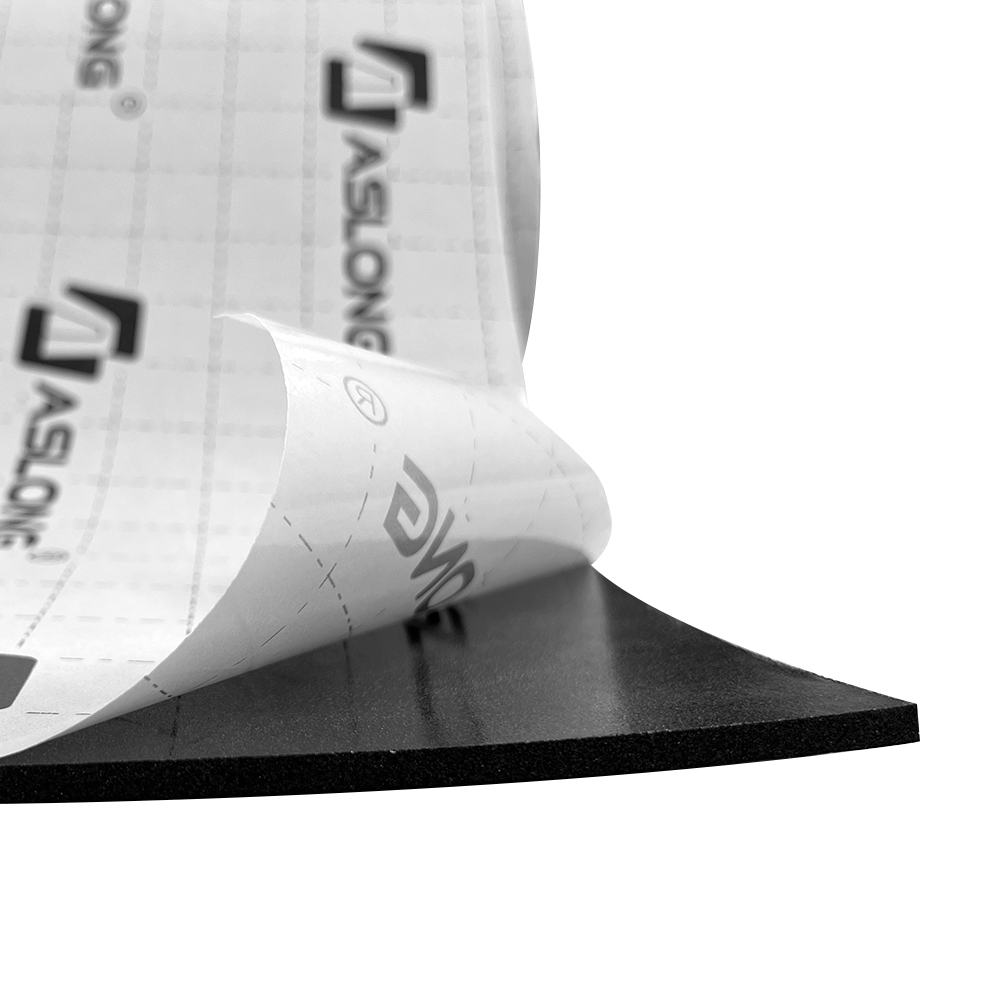
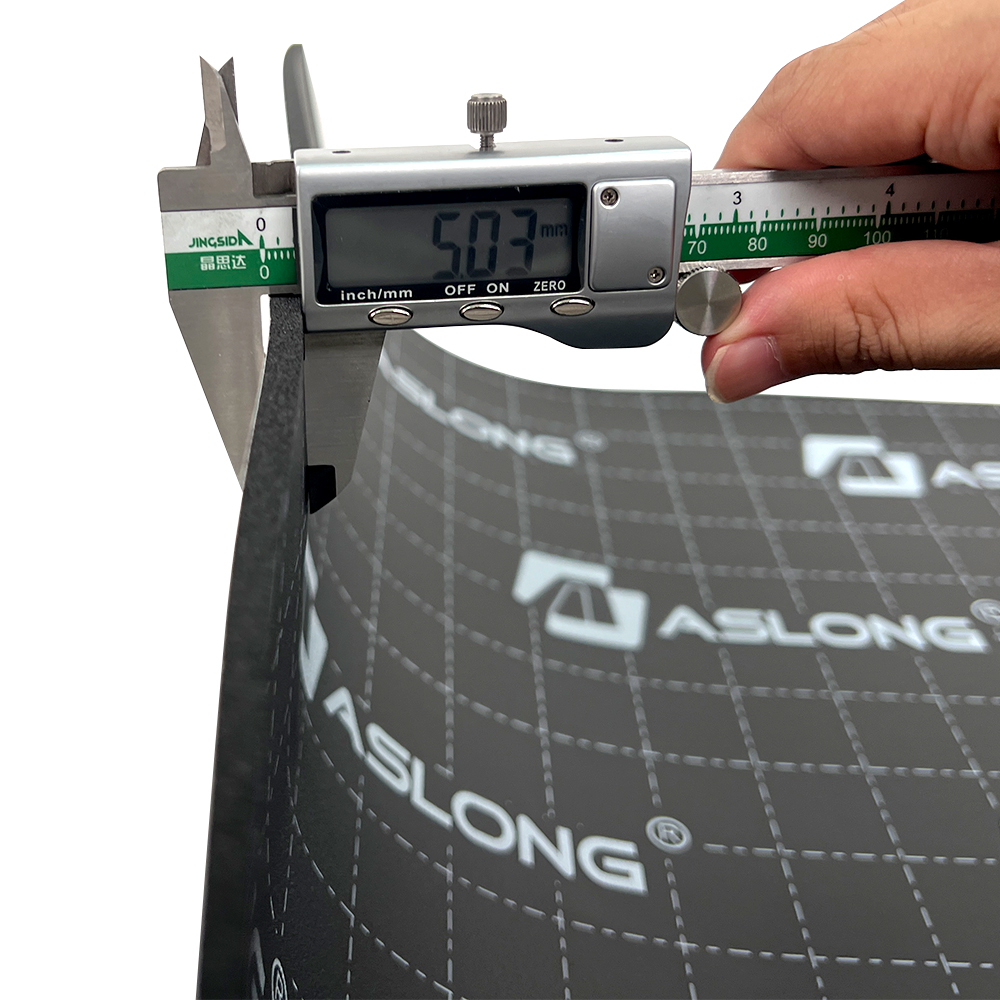
- 4+ Modern production line, equipped with advanced production equipment and testing facilities, and are committed to providing efficient, environmentally friendly and high-performance material solutions to customers around the world.
- Excellent quality
ASLONG strictly follows international quality standards, and all products are strictly tested to ensure that their performance and quality reach the industry-leading level.
24 + Production Experience
- Quick response and customized services
We promise to respond to your needs within 24 hours and provide tailored solutions based on your specific requirements. From product selection to later technical support, you will enjoy efficient and personalized services to ensure that every detail meets your needs.
FAQ
What is the difference between sound absorption and sound blocking?
Sound absorption helps limit reflections within a room, which can reduce echo and make speech easier to follow. Sound blocking aims to limit sound traveling between spaces and depends on factors such as barriers, gaps, and construction. The right approach depends on whether the problem is reverberation inside the room or sound coming from elsewhere.
How do I choose the right product for my space?
Start by identifying the sound source, where it is most noticeable, and what you want to improve, such as focus, privacy, or comfort. Then compare products by their stated application, placement, dimensions, installation needs, and care requirements. A product designed for one sound issue may not address another.
Can a noise-control product make a room completely silent?
It is generally more realistic to expect reduced disturbance or a more comfortable acoustic environment than complete silence. Results depend on the sound source, the room, installation, and other paths through which sound can travel. Persistent or high-impact problems may warrant professional assessment.
Will an absorptive product stop traffic or neighboring-room sound?
Absorptive products are generally intended to manage reflections inside a room, not to block sound entering from outside or an adjoining area. For transmitted sound, consider how it may be passing through openings or building elements, and select an approach suited to that pathway.
What should I check before buying?
Review the intended use, product dimensions, materials, installation instructions, maintenance needs, and any available performance information. Check whether test conditions resemble your setting, and consider appearance, durability, and compatibility with the space. Clear expectations help you assess whether the option is appropriate.
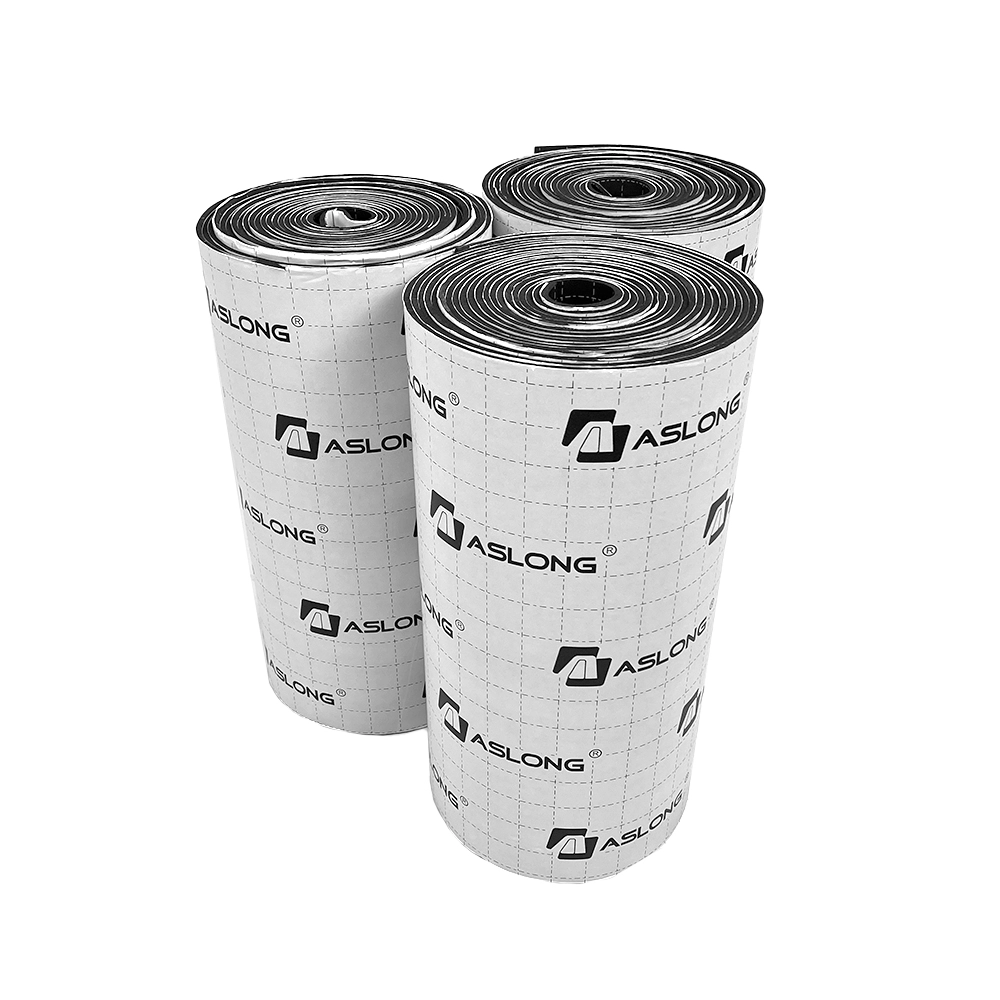

Premium self-adhesive PU anti-puncture tire foam liner. Reduces tire puncture risk
Premium self-adhesive PU anti-puncture tire foam liner. Reduces tire puncture risk
Anti-Puncture PU Tire Foam Liner | Tire Silent & Puncture Resistant
Anti-Puncture PU Tire Foam Liner | Tire Silent & Puncture Resistant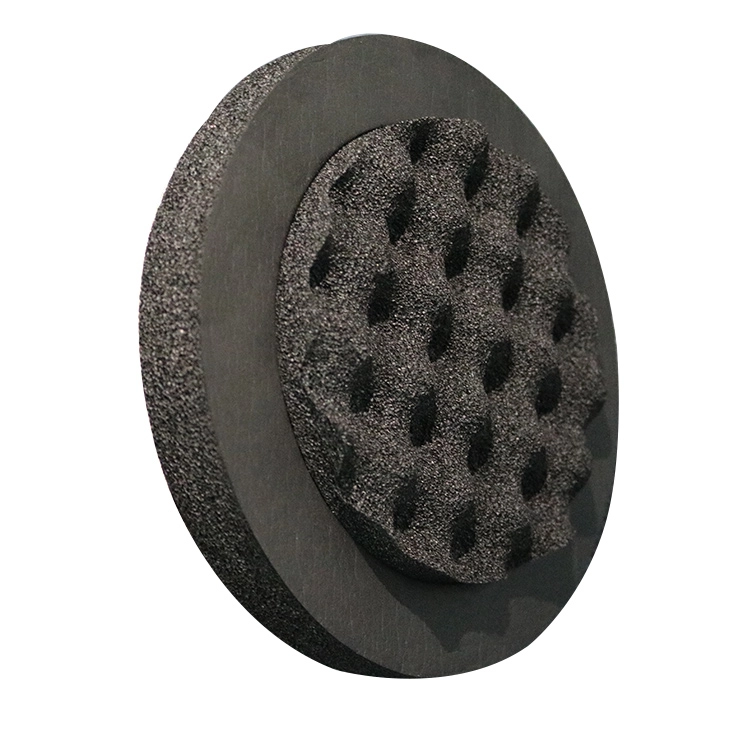
Car Speaker Enhancer Ring, Self-Adhesive Foam Speaker Baffle Gasket, Sound Insulation Seal Ring for 6" 6.5" Car Audio Speaker Upgrade, Reduce Resonanc
Car Speaker Enhancer Ring, Self-Adhesive Foam Speaker Baffle Gasket, Sound Insulation Seal Ring for 6" 6.5" Car Audio Speaker Upgrade, Reduce Resonanc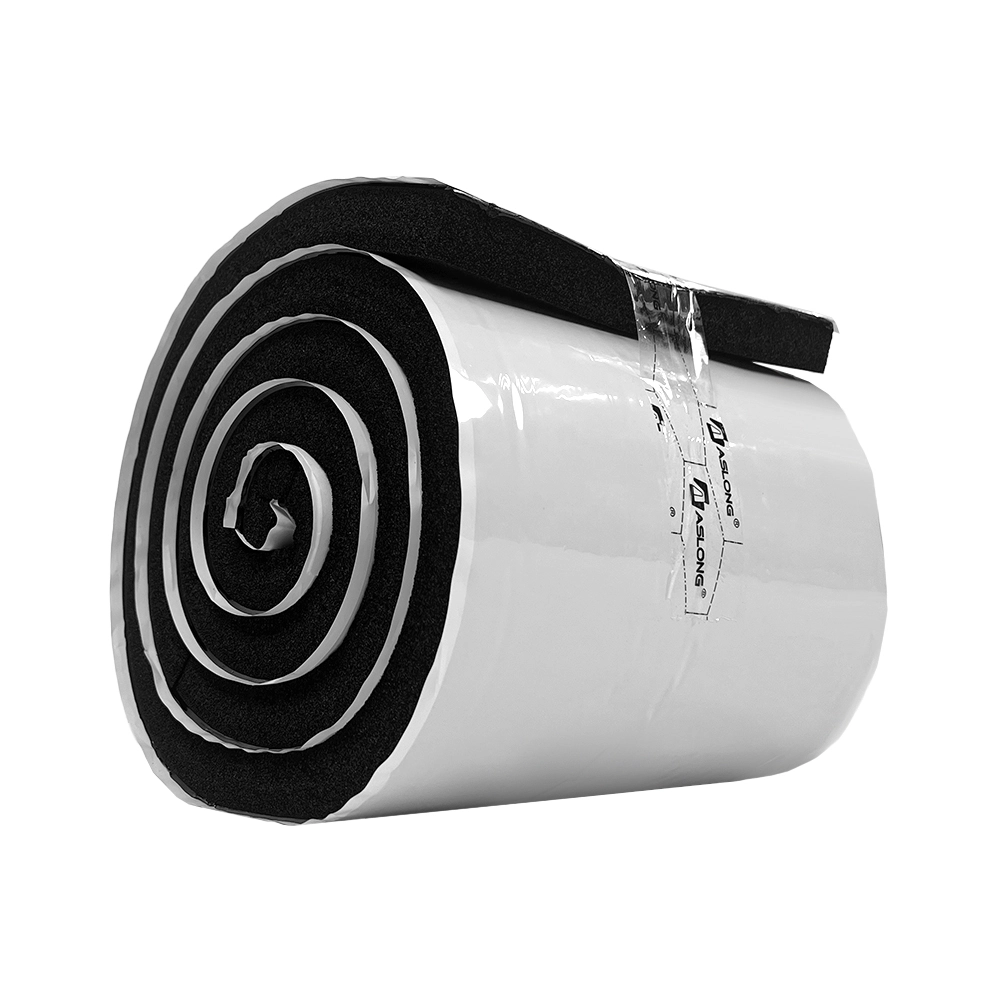
Anti-Puncture Silent Tire Foam Liner | Tire Silent & Puncture Resistant Sponge
Anti-Puncture Silent Tire Foam Liner | Tire Silent & Puncture Resistant Sponge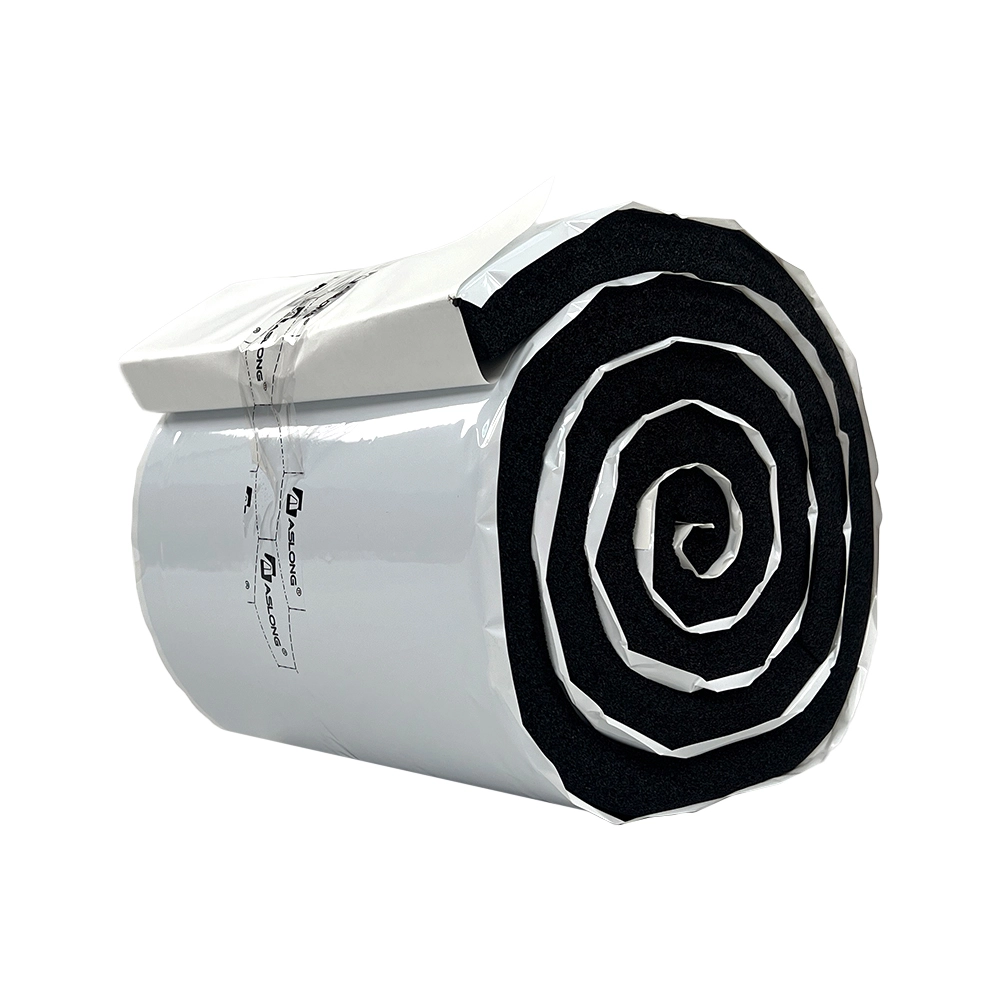
Anti-Puncture Tire Foam, Self-Adhesive EDPM Tire Liner Sponge, Tire Noise Reduction Foam for ATV, EV, Passenger Car, Custom Size
Anti-Puncture Tire Foam, Self-Adhesive EDPM Tire Liner Sponge, Tire Noise Reduction Foam for ATV, EV, Passenger Car, Custom Size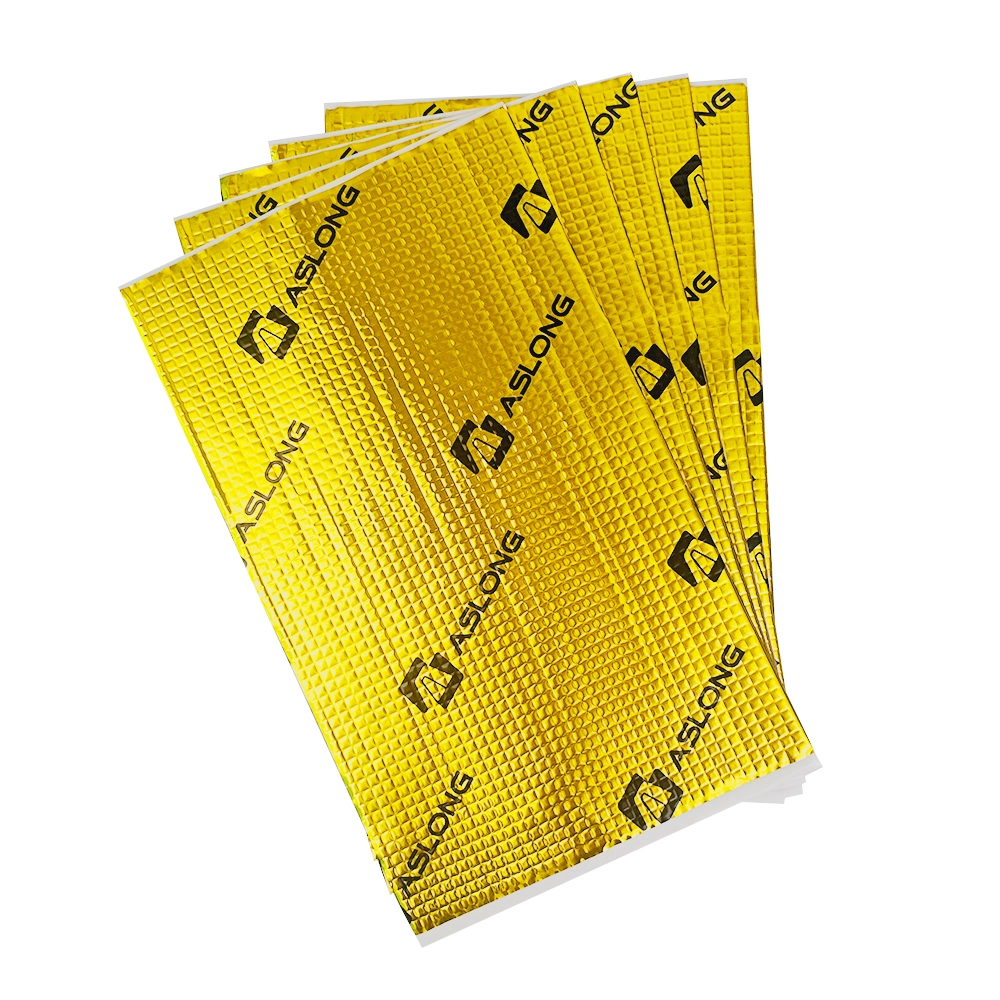
Aslong Butyl Rubber Sound Deadening Mat Aluminum Foil Car Vibration Damping Sheet Auto Sound Proofing for Vehicle RV Construction Noise Reduction
Aslong Butyl Rubber Sound Deadening Mat Aluminum Foil Car Vibration Damping Sheet Auto Sound Proofing for Vehicle RV Construction Noise Reduction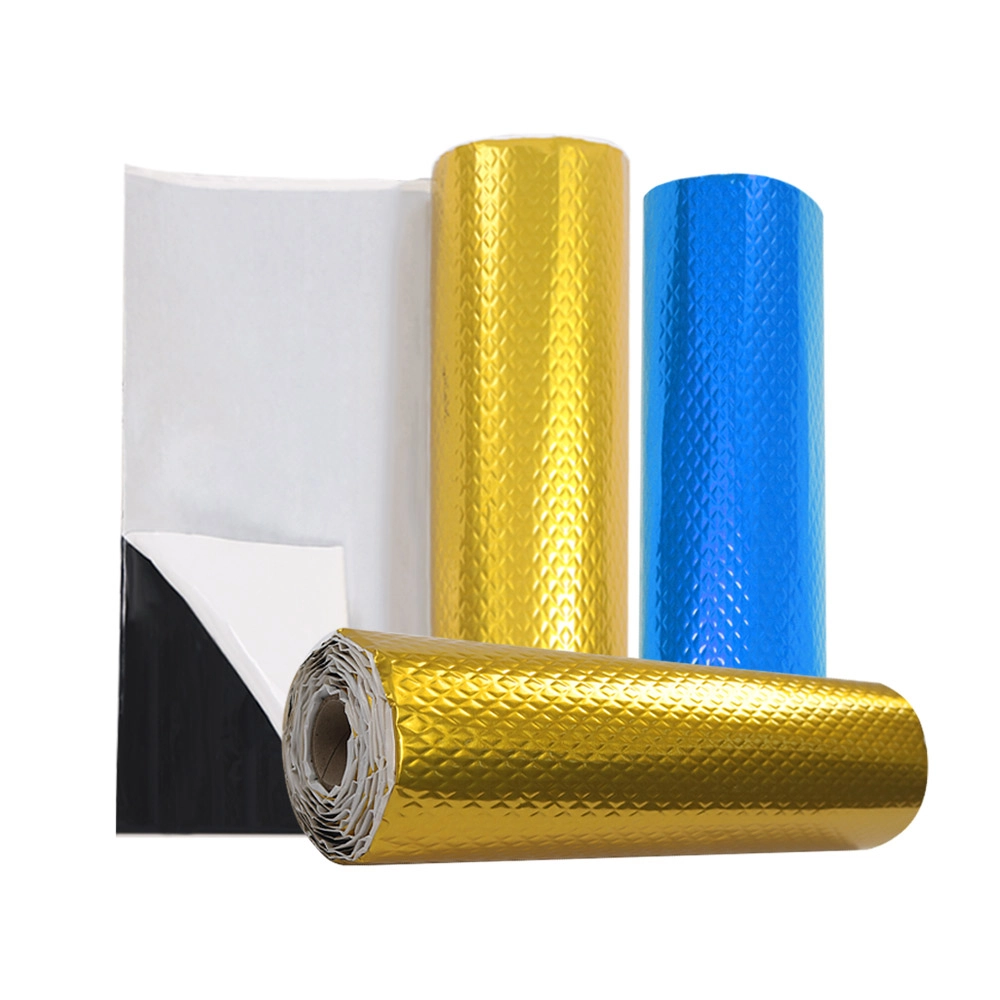
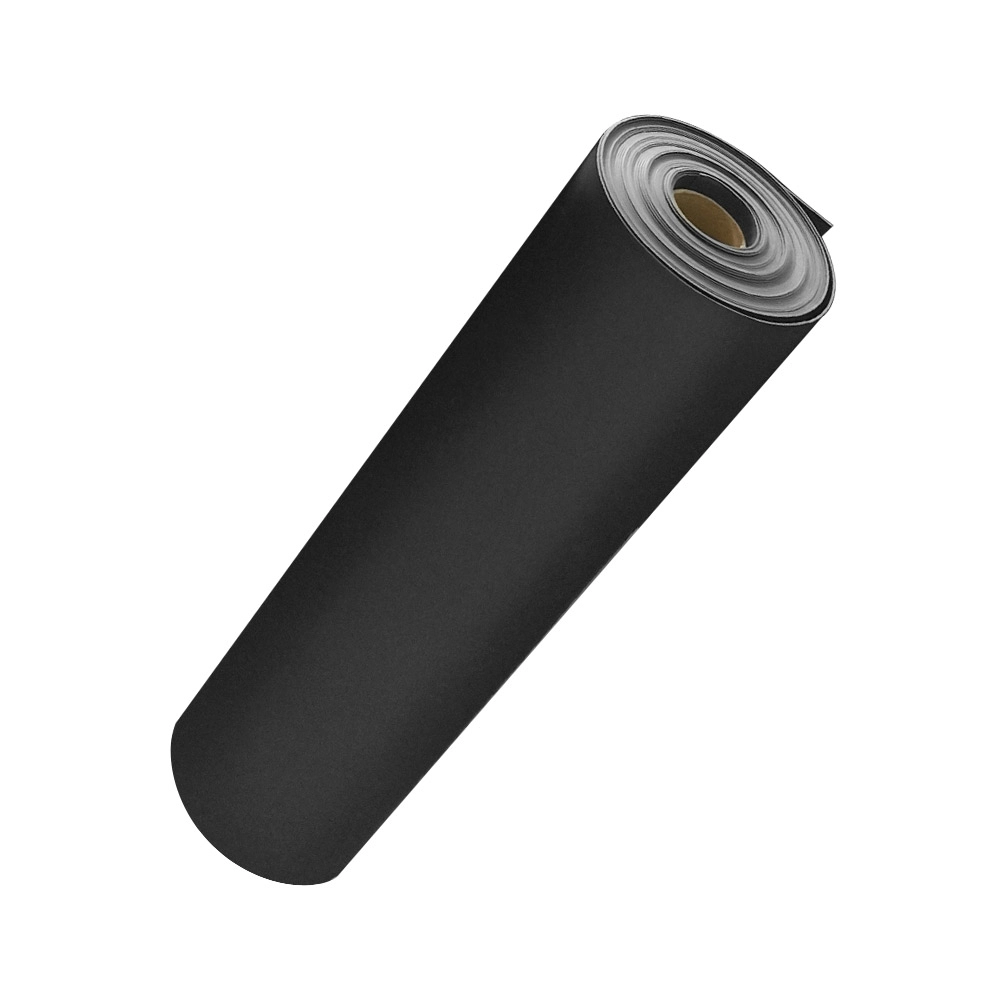
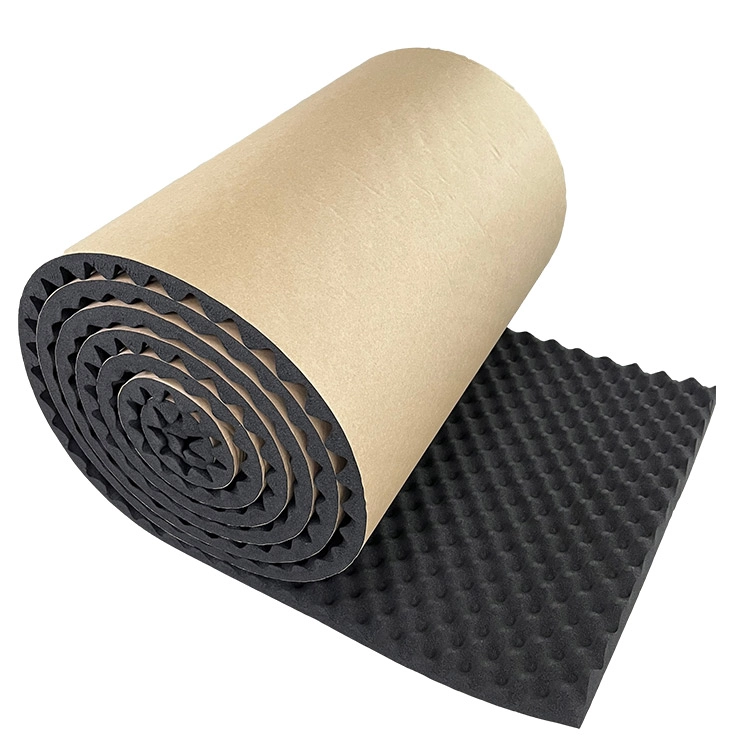
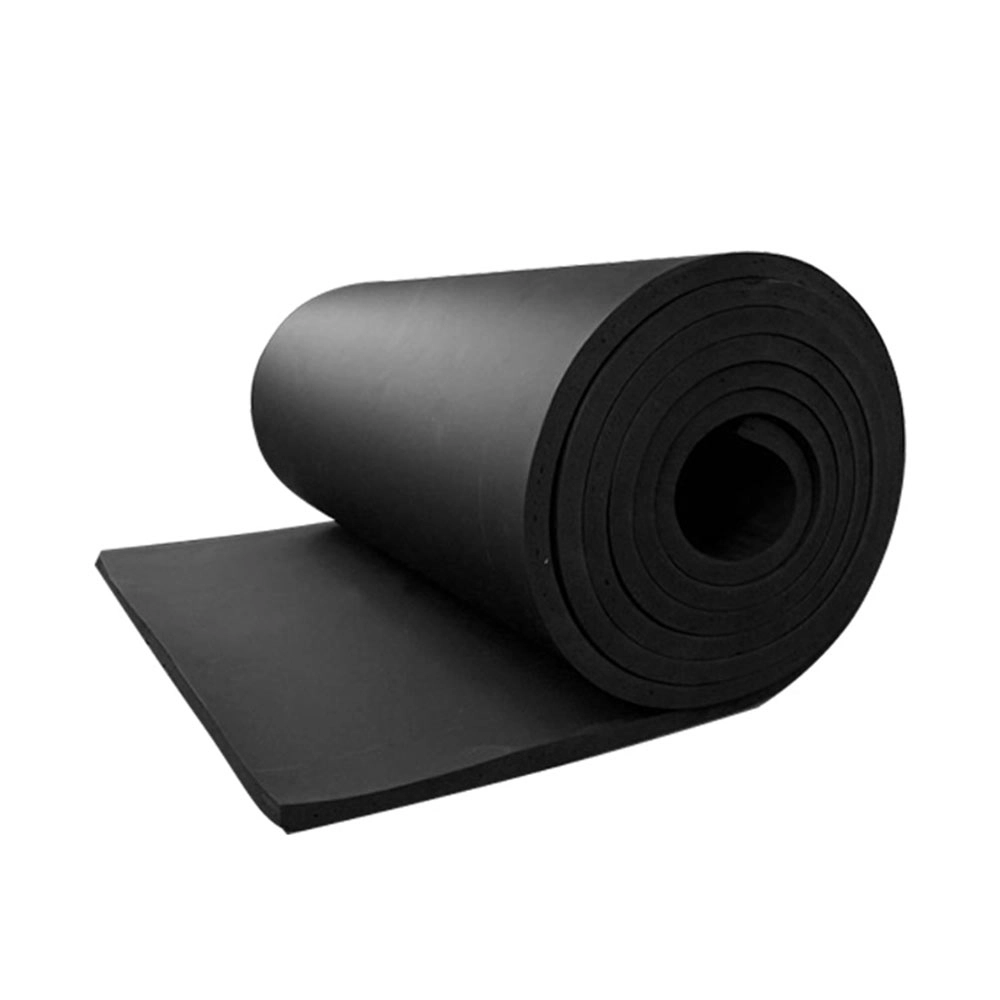
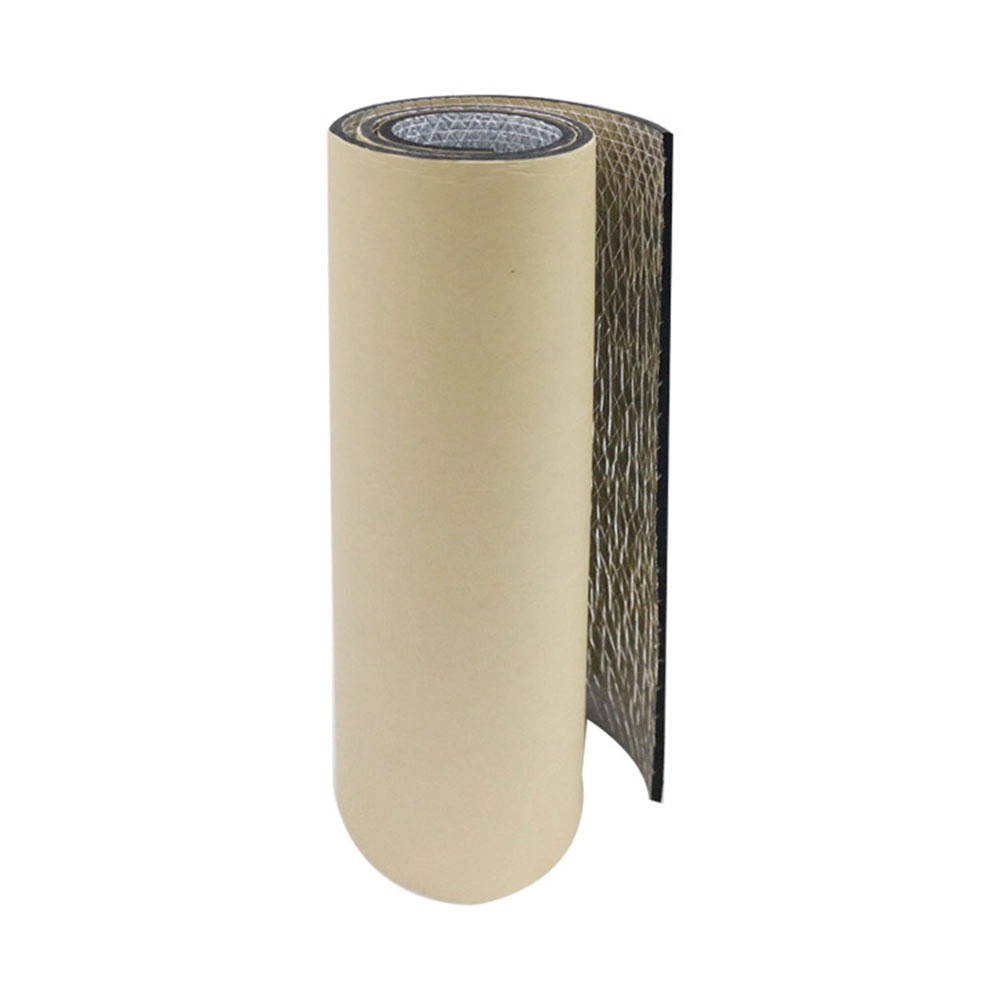
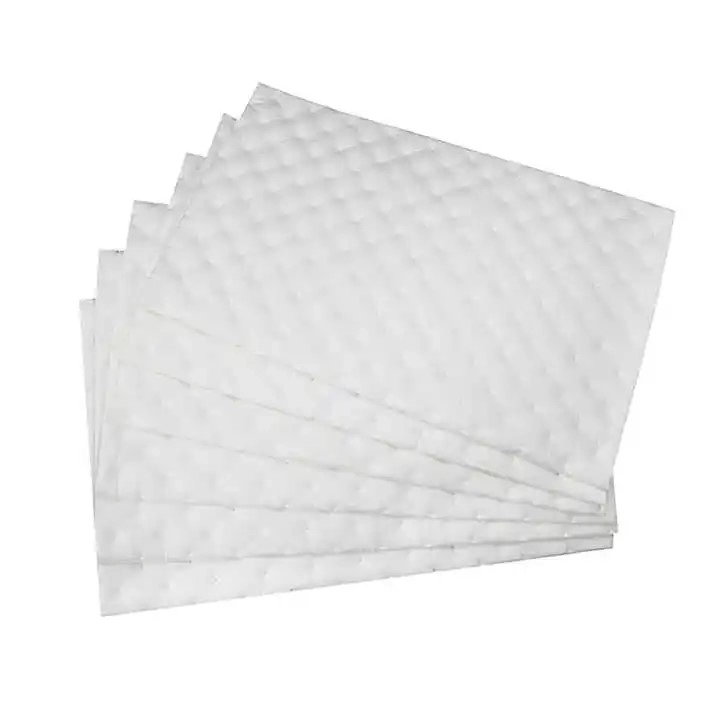
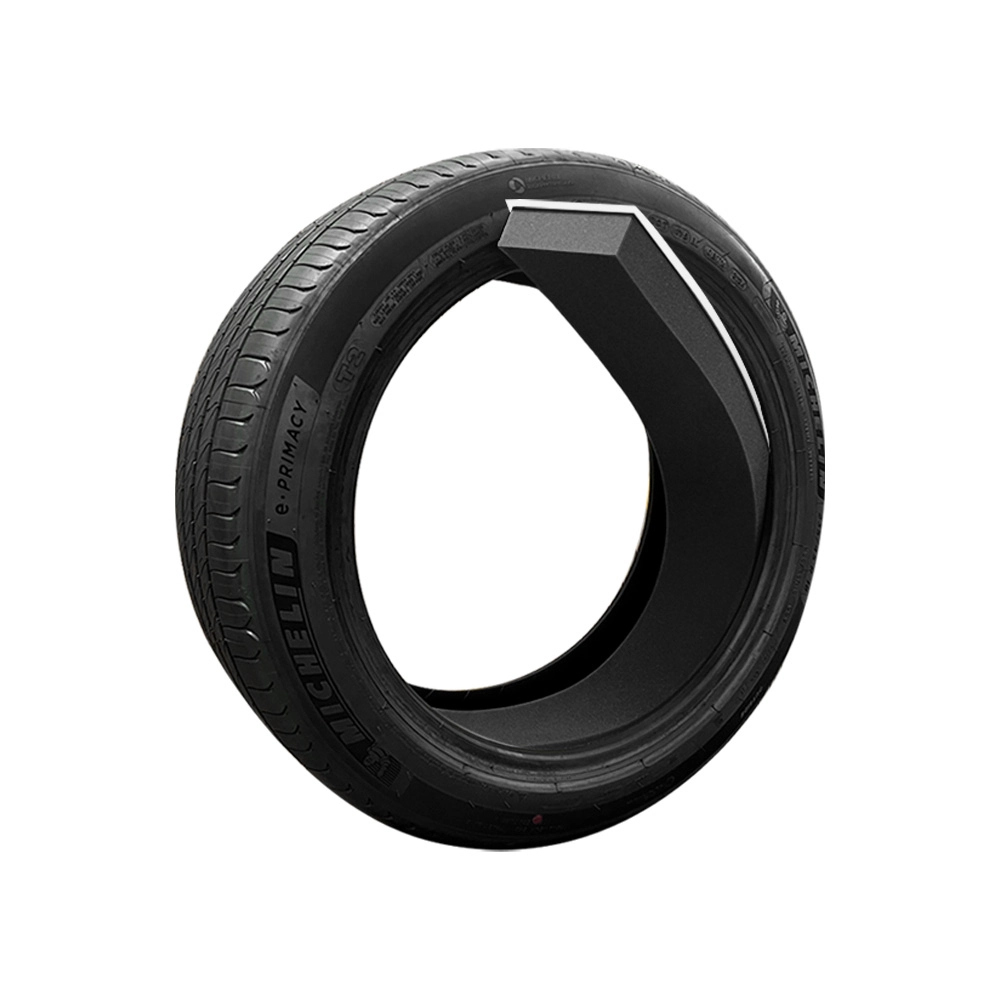
Puncture-Proof Soundproof Tire Foam, Self-Sealing Noise-Reducing Liner for Cars, Anti-Puncture Wheel Protection, Anti-Puncture Noise Reduction
Puncture-Proof Soundproof Tire Foam, Self-Sealing Noise-Reducing Liner for Cars, Anti-Puncture Wheel Protection, Anti-Puncture Noise Reduction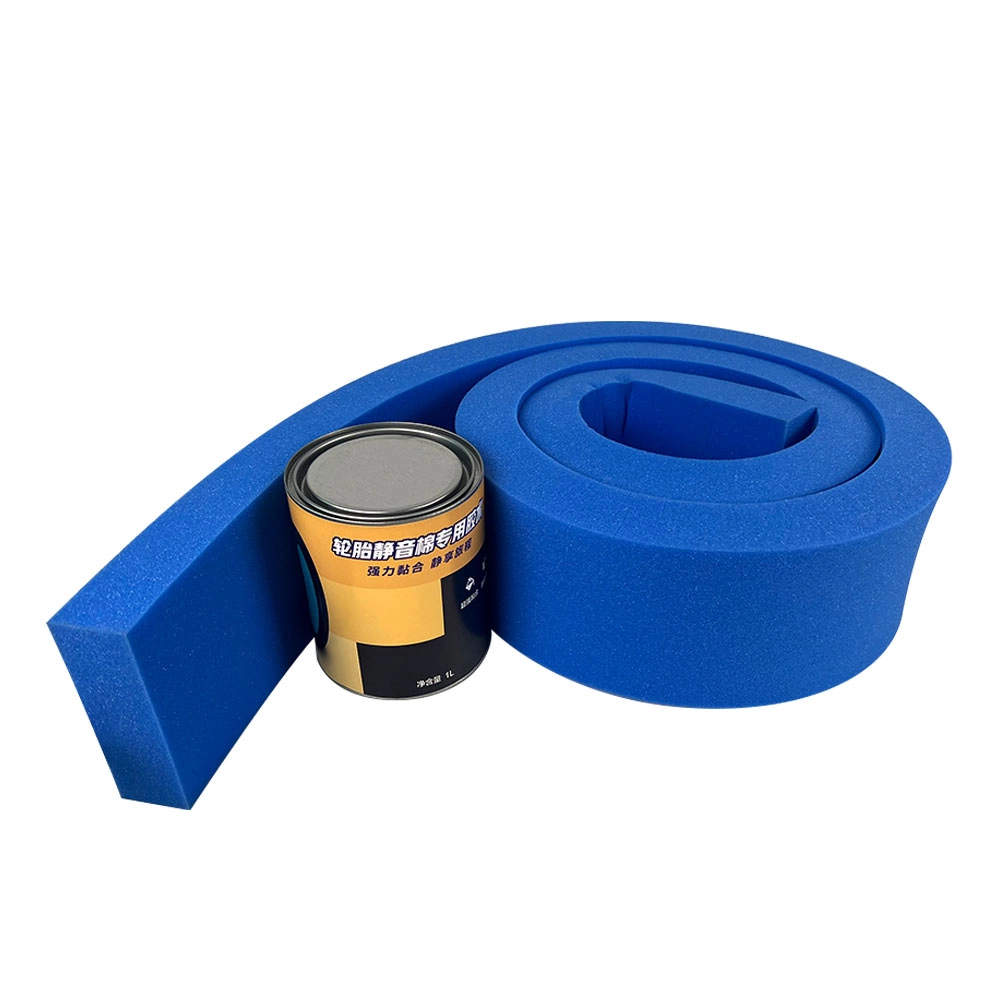


Professional support at any time
If you have any comments or good suggestions, please leave us a message; later our professional staff will contact you as soon as possible.
© 2026 ASLONG All Rights Reserved. Privacy Policy | Terms and Conditions | Sitemap

 It would be pleasure to receive from you.
Whatsapp: +8613242879341
ASLONG Global
ASLONG
Aslong_global