

Where to Install Car Soundproofing Materials for Maximum Noise Reduction
Discover where to install car soundproofing materials, including doors, floors, trunks, wheel arches, roofs and firewall areas for better noise reduction.
- Where to Install Car Soundproofing Materials for Maximum Noise Reduction
- Why Does Installation Location Matter?
- Car Doors
- Vehicle Floor
- Roof
- Trunk and Cargo Area
- Wheel Arches
- Firewall
- Hood and Engine Compartment
- Underbody
- Which Areas Should Be Prioritized?
- How to Combine Damping and Sound Insulation Materials
- How to Improve Installation Performance
- Conclusion
- FAQ
Where to Install Car Soundproofing Materials for Maximum Noise Reduction
Choosing the right car soundproofing material is only part of the solution. Where the material is installed can have a major impact on overall noise reduction performance.
Different areas of a vehicle are exposed to different noise sources. Doors may be affected by road and exterior noise, while floors and wheel arches can receive significant tire and road vibration.
This guide explains the most common areas for automotive soundproofing and how to prioritize them.
Why Does Installation Location Matter?
Noise can enter a vehicle through multiple paths.
For example:
- Tire vibration can travel through the suspension and floor.
- Road noise can enter through wheel arches.
- Engine noise can travel through the firewall.
- Exterior noise can enter through doors.
- Wind noise can enter around windows and doors.
Therefore, installing soundproofing material close to the main transmission path can improve overall performance.
Car Doors
Vehicle doors are one of the most common areas for aftermarket soundproofing.
Door panels can vibrate and radiate sound into the cabin.
Butyl rubber damping sheets can help reduce panel vibration.
Additional acoustic materials can be installed inside the door structure to improve sound insulation and absorption.
Benefits may include:
- Reduced door panel resonance
- Improved sound quality
- Reduced exterior noise
- Better perceived door solidity
Vehicle Floor
The floor is a major transmission path for road and tire noise.
Soundproofing the floor can help reduce vibration and airborne noise entering the passenger compartment.
A typical floor system may combine:
Butyl damping layer + sound barrier + acoustic insulation
The exact construction depends on vehicle design and available space.
Roof
The vehicle roof can transmit wind noise and structural vibration.
Applying lightweight damping and acoustic materials can help reduce roof panel resonance.
However, material selection should consider available space and total vehicle weight.
Trunk and Cargo Area
The trunk can transmit noise from the rear wheels, exhaust system and road surface.
Soundproofing the trunk floor and side panels can help reduce rear cabin noise.
This area can also benefit from acoustic absorption materials behind interior trim.
Wheel Arches
Wheel arches are particularly important for controlling tire and road noise.
They are located close to the noise source, making them an important treatment area.
Depending on the vehicle design, damping, insulation and acoustic materials can be combined around wheel arch structures.
Firewall
The firewall separates the engine compartment from the passenger cabin.
Because it is located close to the engine and transmission, it is an important area for controlling powertrain noise.
Suitable materials should be selected according to temperature and installation requirements.
Hood and Engine Compartment
The hood can transmit engine-related vibration and airborne sound.
Automotive acoustic materials designed for higher-temperature environments may be used in suitable areas.
Material selection should always consider operating temperature and safety requirements.
Underbody
The underbody is exposed to road, tire and environmental noise.
Underbody acoustic treatment can help reduce noise entering the vehicle structure.
However, materials used in this area should be suitable for moisture, dirt, temperature changes and mechanical exposure.
Which Areas Should Be Prioritized?
For many passenger vehicles, a practical priority can be:
- Floor
- Doors
- Wheel arches
- Trunk
- Firewall
- Roof
- Underbody
However, the ideal priority depends on the actual noise source.
If tire and road noise are the main problems, the floor and wheel arches may provide a higher priority.
If engine noise is the main concern, the firewall may be more important.
How to Combine Damping and Sound Insulation Materials
A multi-layer approach can improve overall acoustic performance.
For example:
Vehicle panel → Butyl damping → Acoustic insulation → Sound barrier → Interior trim
Each layer performs a different function.
The damping layer controls vibration, while the sound barrier reduces airborne transmission and the acoustic layer helps absorb sound energy.
How to Improve Installation Performance
Clean the Surface
The installation surface should be clean and free from dust, oil and moisture.
Ensure Good Adhesion
Good contact between the material and substrate is important for long-term performance.
Avoid Unnecessary Gaps
Incomplete coverage can create acoustic weak points.
Control Material Weight
The soundproofing system should provide an appropriate balance between acoustic performance and added vehicle weight.
Select Materials According to the Application
Temperature, moisture, thickness, flexibility and adhesion requirements should all be considered before installation.
Conclusion
The effectiveness of car soundproofing depends on both material selection and installation location.
Floors, doors, wheel arches, trunks, roofs and firewall areas can all contribute to vehicle noise reduction, but the best treatment depends on the actual noise source and transmission path.
For maximum performance, a combination of damping, sound insulation and acoustic absorption materials is often more effective than using a single material.
FAQ
Where should I install car soundproofing first?
For many vehicles, the floor and doors are practical starting points. However, wheel arches and the firewall may be more important when tire or engine noise is the main problem.
Does soundproofing the doors reduce road noise?
It can help reduce exterior noise and door panel vibration, although floor and wheel arch treatments are often more directly related to road and tire noise.
Should I soundproof the whole car?
Not necessarily. A targeted treatment strategy can provide good results while minimizing unnecessary weight and material costs.
What material is best for car doors?
Butyl rubber damping sheets are commonly used to reduce door panel vibration. Additional acoustic insulation can be added depending on the target noise.
Can wheel arch soundproofing reduce tire noise?
Yes. Wheel arch treatment can help control tire and road noise because the wheel arch is close to the primary noise source.
How to Reduce Tire Noise in Electric Vehicles
Electric Vehicle NVH: Why EVs Need Advanced Soundproofing Materials

White Two-Component Acoustic Cotton | Sound Absorption Material
Mass Loaded Vinyl for Automotive Soundproofing: Benefits, Applications and Installation
Butyl Rubber Sound Deadening: Benefits, Applications and Installation Guide
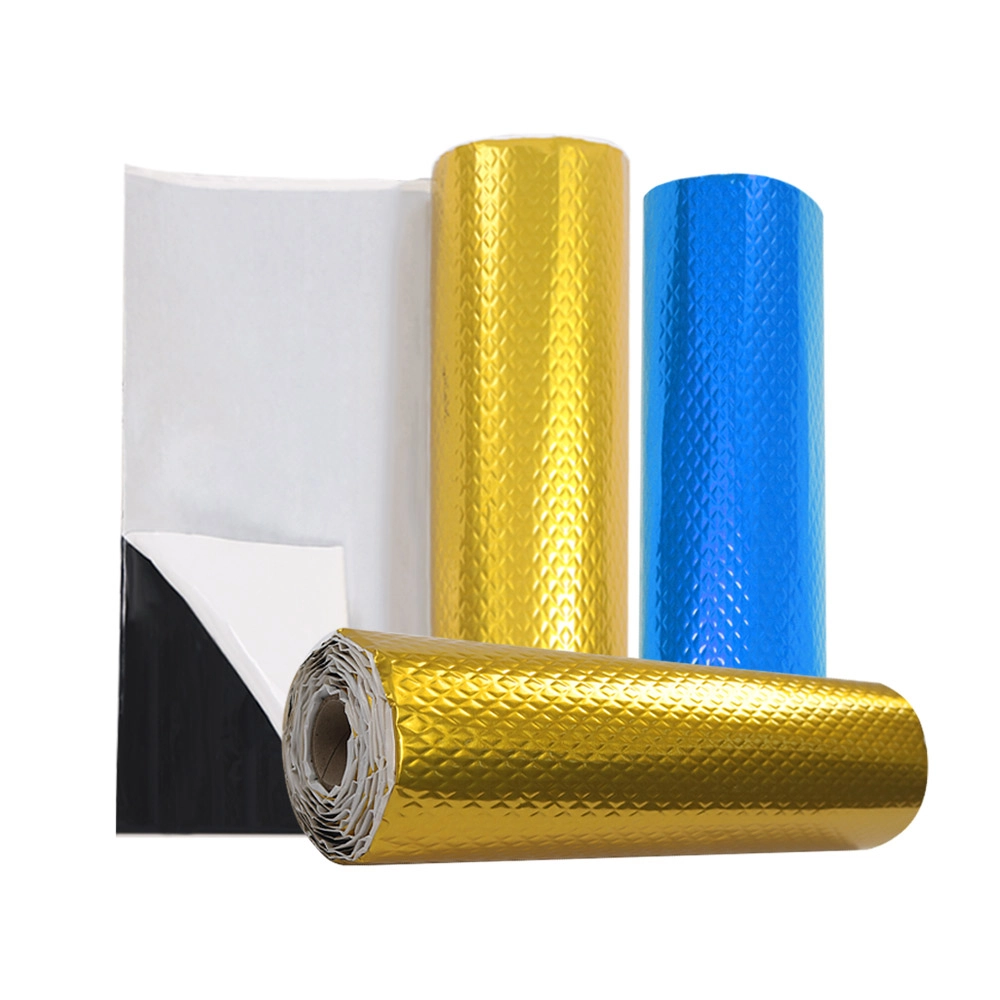
Butyl Rubber Sound Damping Mat
ASLONG Butyl Rubber Sound Damping Mat for sale. Effectively reduces noise and vibrations. High-quality butyl rubber ensures superior performance and durability. Ideal for automotive, industrial, and home applications.
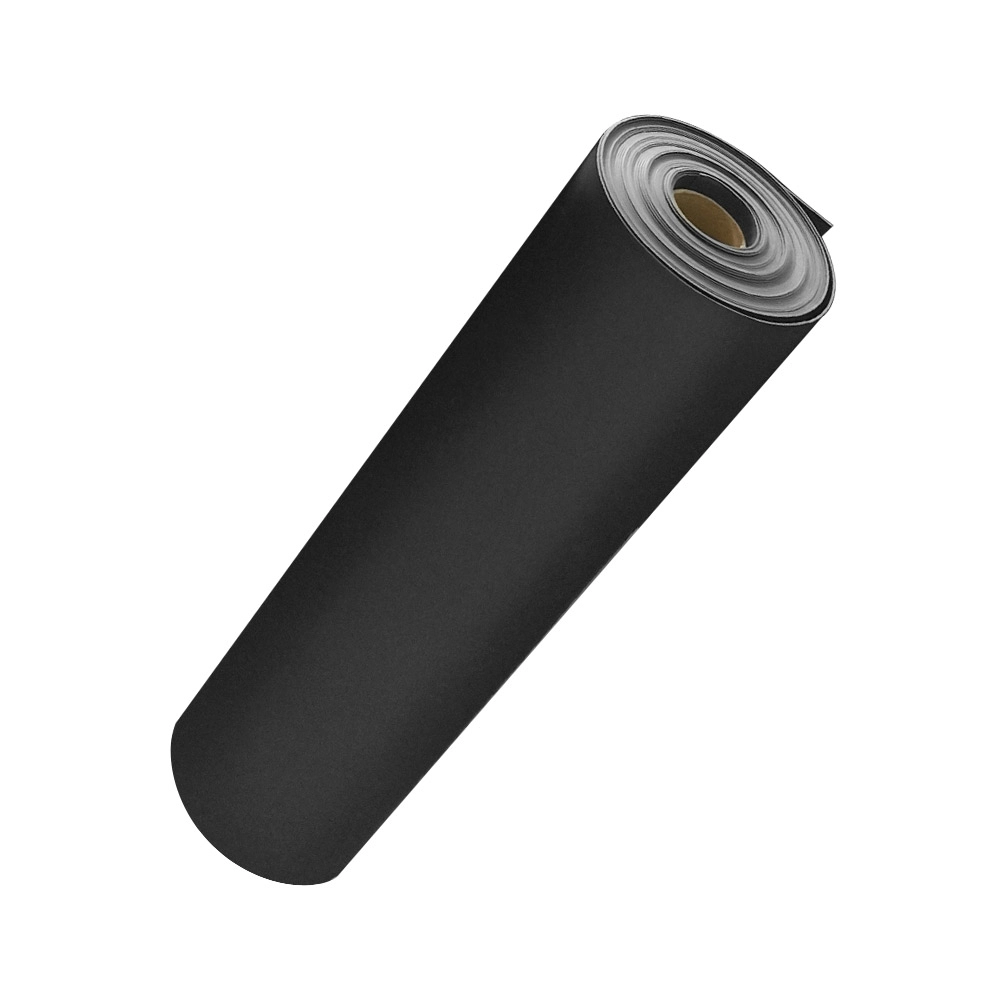
Mass Loaded Vinyl
ASLONG Mass Loaded Vinyl for sale. Reduce noise pollution effectively with our high-quality, mass-loaded vinyl. Ideal for soundproofing walls, floors, and more. Buy now and experience the difference!
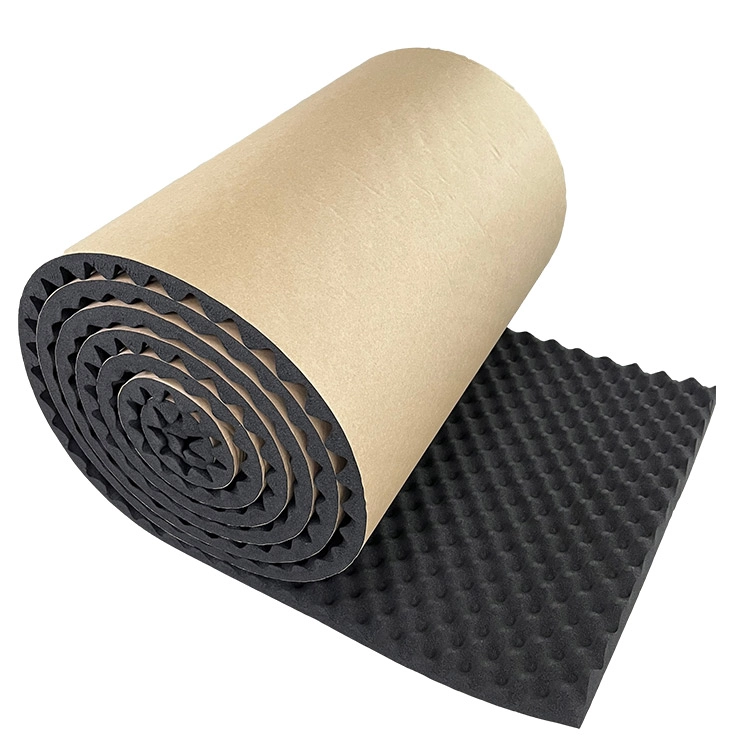
Egg Crate Foam
ASLONG Egg Crate Foam for sale. Lightweight, breathable, and comfortable, our egg crate foam provides superior support and pressure relief. Perfect for mattresses, cushions, cars, construction industry, KTV, factories, etc.
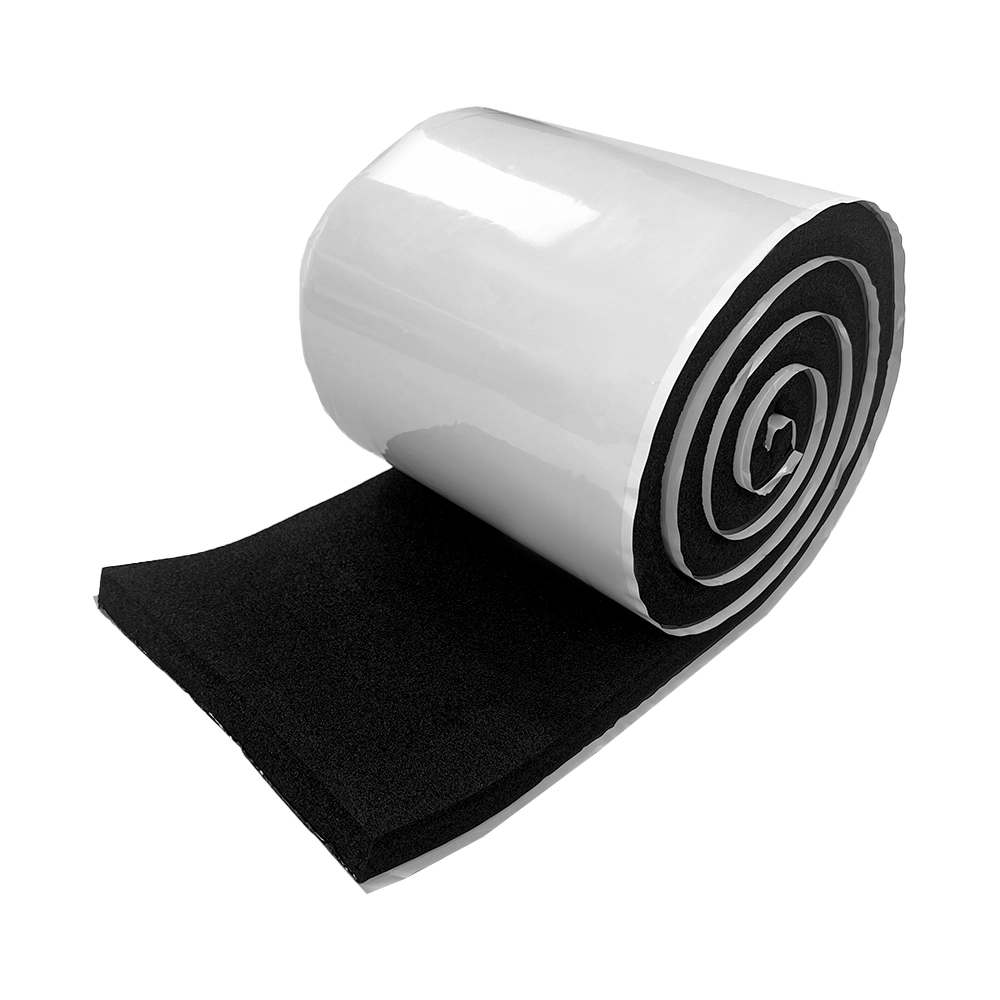
Tire Magic Pad – Puncture Resistant & Tire Noise Reduction Foam
Tire Magic Pad by ASLONG is designed to reduce tire punctures and minimize road noise. This durable foam inserts inside tires to enhance safety and comfort, providing reliable puncture resistance without compromising performance.
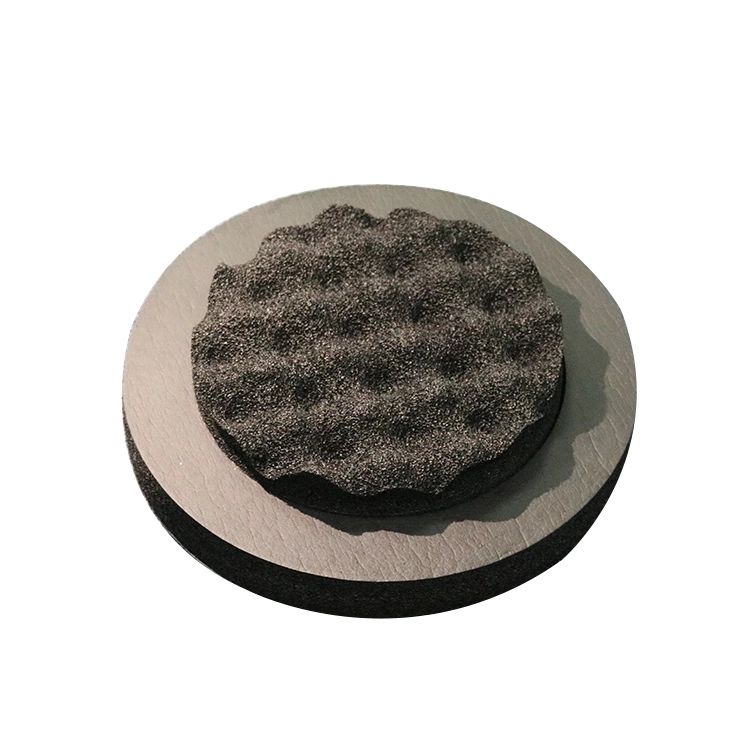
Car Sound Deadener Speaker Foam Rings
Sound speaker foam rings are essential acoustic accessories designed to enhance speaker performance by improving sound focus and reducing unwanted vibrations. Installed around the speaker driver, these foam rings help to create a better seal between the speaker and the mounting surface, ensuring that more sound energy is directed forward rather than lost in reflections or leakage.
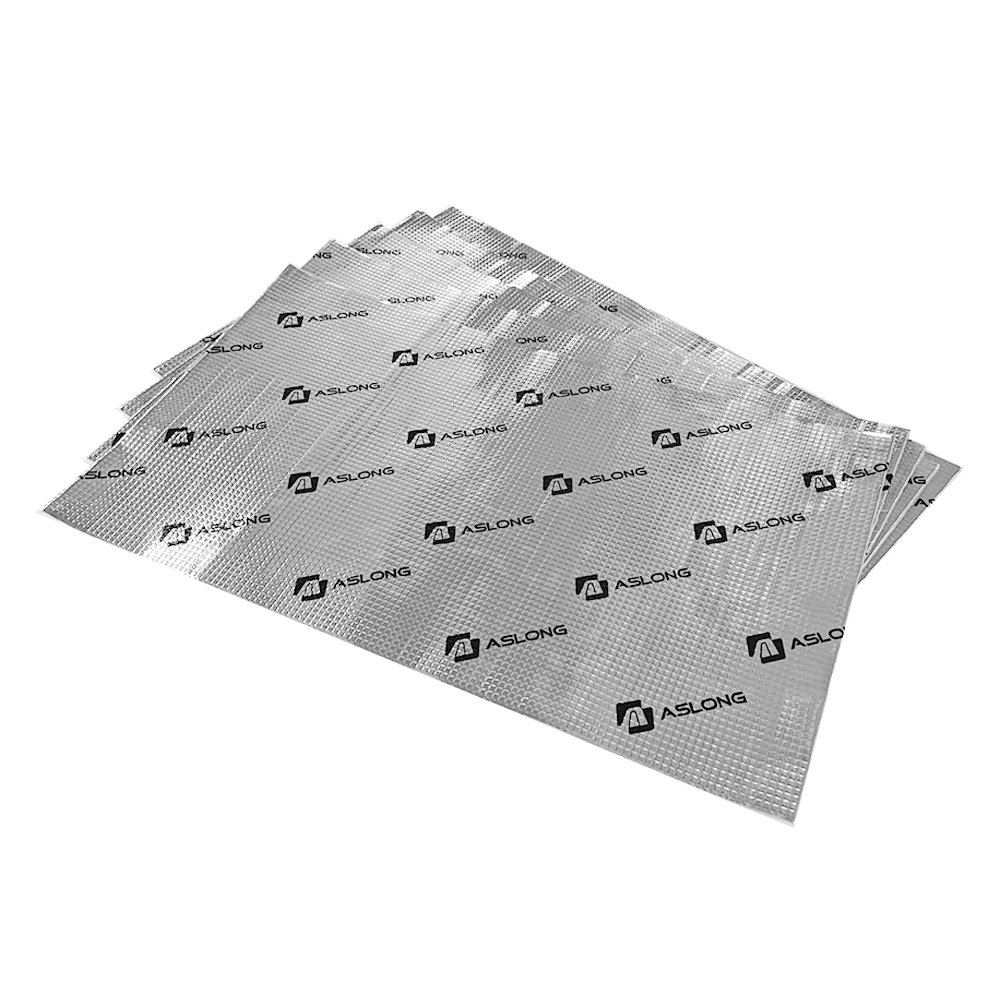
Butyl Rubber sound deadening mat manufacturer for Vehicles/EV cars
ASLONG Self Adhesive Automotive Sound Deadening and Heat Insulation Mat is designed to help reduce unwanted road noise, vibration and heat transfer inside vehicles.
Featuring an embossed aluminum foil surface and a self-adhesive backing, the material can be applied to various automotive areas such as doors, floors, roofs, trunks, wheel arches and other interior panels.
The flexible construction makes it easy to cut and install according to different vehicle shapes. It is suitable for automotive aftermarket applications as well as OEM projects.
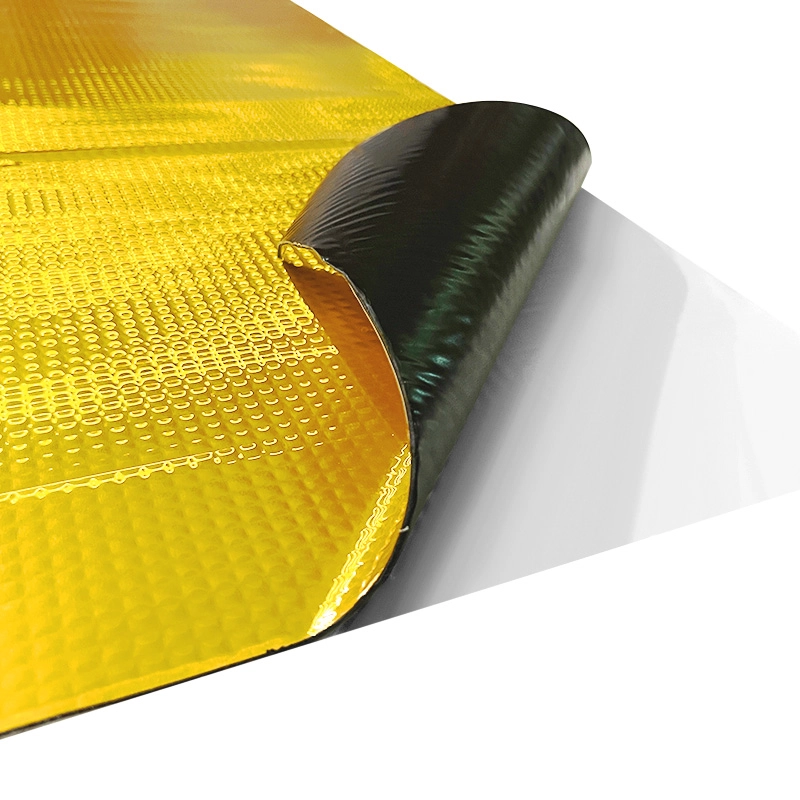
Premium Butyl Sound Deadening Mat – Automotive Noise & Heat Insulation with Aluminum Foil Layer
High-performance butyl rubber sound deadening mat designed to reduce road noise and heat inside vehicles. Backed with reflective aluminum foil, it provides superior thermal insulation, excellent vibration damping, and long-lasting adhesion. Ideal for cars, trucks, vans, and industrial applications.
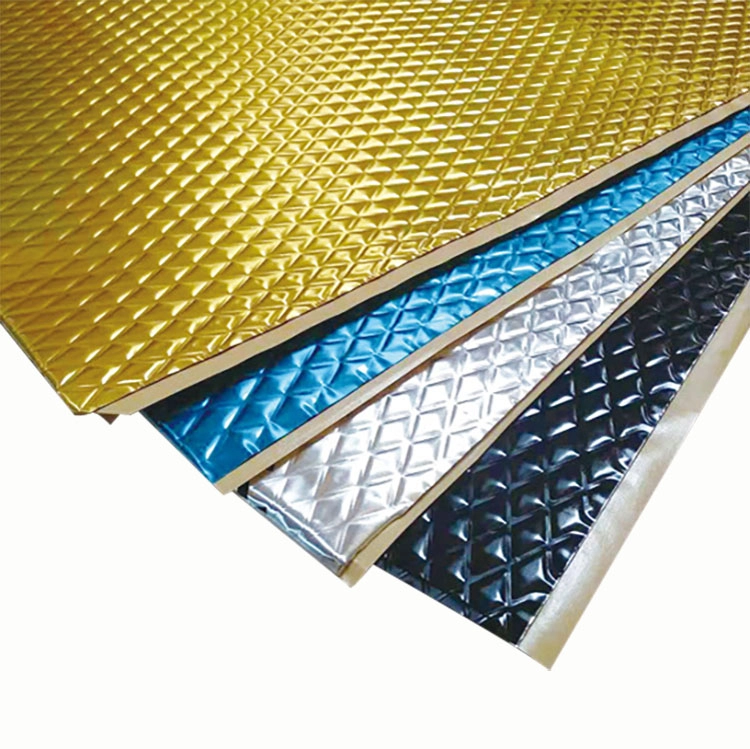
Sound Deadening Mat | Butyl Rubber & Aluminum Vibration Dampening Pad for Automotive Noise Reduction
Automotive Butyl Rubber Sound Deadening Mat is designed to minimize structural noise caused by panel resonance and road vibration. Built with an elastic butyl compound and an aluminum-backed surface, it stabilizes vehicle body panels and transforms noisy metal surfaces into acoustically controlled structures. Ideal for OEM upgrades, car audio installations, and professional automotive soundproofing projects.
Professional support at any time
Contact us for a free quote on our new soundproofing materials!
© 2026 ASLONG All Rights Reserved. Privacy Policy | Terms and Conditions | Sitemap

 It would be pleasure to receive from you.
Whatsapp: +8613242879341
ASLONG Global
ASLONG
Aslong_global