

Tire Acoustic Foam Installation Guide: Tips for Reducing Tire Noise
Learn how to install tire acoustic foam correctly. Discover professional tips for surface preparation, adhesive bonding, positioning, rolling pressure, and tire noise reduction.
- Tire Acoustic Foam Installation Guide: Professional Tips for Reducing Tire Noise
- What Is Tire Acoustic Foam?
- Why Proper Tire Foam Installation Matters
- 1. Clean the Inner Surface of the Tire
- 2. Make Sure the Foam Is Positioned Correctly
- 3. Press the Foam Firmly Against the Tire
- 4. Pay Special Attention to the Foam Edges
- 5. Avoid Wrinkles and Air Gaps
- 6. Check Adhesion Before Mounting the Tire
- 7. Tire Mounting Requires Care
- 8. Inspect the Foam After Tire Mounting
- 9. Why Electric Vehicles Benefit From Tire Acoustic Foam
- Tire Acoustic Foam Installation Checklist
- Common Tire Acoustic Foam Installation Problems
- Conclusion
- FAQ
Tire Acoustic Foam Installation Guide: Professional Tips for Reducing Tire Noise
Tire acoustic foam is an increasingly popular solution for reducing road noise and improving driving comfort, especially in electric vehicles and premium passenger cars. By installing acoustic foam inside the tire cavity, it is possible to reduce the resonance generated by compressed air inside the tire.
However, the performance of tire noise reduction foam depends not only on the foam itself but also on proper installation, surface preparation, adhesive performance, and installation position.
In this guide, we explain the most important tire acoustic foam installation tips to help achieve reliable adhesion and consistent noise reduction performance.
What Is Tire Acoustic Foam?
Tire acoustic foam is a lightweight sound-absorbing material installed on the inner surface of a tire. It is designed to reduce the resonance inside the tire cavity caused by road-induced vibrations.
A tire acts somewhat like a resonance chamber because it contains compressed air. When the tire rolls over an uneven road surface, vibrations can excite the air inside the tire and create cavity resonance. This resonance can then be transmitted into the vehicle cabin as an unpleasant low-frequency or "booming" noise.
Specially designed polyurethane acoustic foam can help damp this resonance and improve interior acoustic comfort. Major tire manufacturers have also adopted foam-based acoustic technologies for this purpose.
Why Proper Tire Foam Installation Matters
Even high-quality acoustic foam may not perform correctly if it is installed improperly.
Poor installation can cause:
- Weak adhesion
- Foam detachment during driving
- Wrinkles or uneven bonding
- Adhesive failure
- Unstable long-term performance
- Potential imbalance if installation is inconsistent
Therefore, correct installation is an important part of tire acoustic foam performance.
The installation process should focus on four key factors:
- Tire surface preparation
- Correct positioning
- Sufficient adhesive contact
- Proper rolling pressure
-
1. Clean the Inner Surface of the Tire
Before installing the acoustic foam, thoroughly clean the area where the foam will be attached.
The tire inner liner may contain:
- Dust
- Rubber particles
- Mold-release residues
- Oil or grease
- Moisture
- Other contaminants
Any contamination between the adhesive and the tire surface can reduce bonding strength.
A recommended cleaning process is:
Step 1: Clean the tire surface with a suitable wet wipe or cleaning method.
Step 2: Wipe the surface again with a clean, dedicated towel.
Step 3: Make sure the towel is free from oil, grease, silicone, and other contaminants.
Step 4: Dry the tire surface completely before applying the acoustic foam.
The surface should be clean and dry before installation.
2. Make Sure the Foam Is Positioned Correctly
The position of the acoustic foam inside the tire is important.
The foam should be installed according to the product's specified installation area and should remain securely attached to the inner liner.
Avoid:
- Installing the foam too close to the bead
- Installing it over damaged areas
- Folding the foam excessively
- Creating large gaps between the adhesive layer and tire surface
- Installing the foam in an inconsistent position
For products designed for a specific tire size or vehicle application, follow the manufacturer's recommended dimensions and positioning.
The amount and design of acoustic foam can also vary depending on the frequency range that needs to be controlled. Michelin, for example, notes that foam quantity is related to the frequencies being targeted and the vehicle application.
3. Press the Foam Firmly Against the Tire
After positioning the acoustic foam, apply sufficient pressure to ensure intimate contact between the adhesive layer and the tire surface.
A roller can be used to apply pressure evenly across the entire bonding area.
Pay particular attention to:
- The center of the foam
- Both edges
- Curved sections
- Areas where the foam may spring back
- Any corners or transitions
The goal is to eliminate air gaps and maximize adhesive contact.
For pressure-sensitive adhesive products, stronger and more uniform rolling pressure generally helps improve the initial contact between the adhesive and the tire surface.
4. Pay Special Attention to the Foam Edges
The edges of tire acoustic foam deserve particular attention.
If the center of the foam is firmly bonded but the edges are not properly pressed, the edges may lift during tire mounting or subsequent driving.
After rolling, visually inspect the entire perimeter of the foam.
Check for:
- Edge lifting
- Air bubbles
- Wrinkles
- Incomplete contact
- Adhesive contamination
If necessary, roll the edges again before proceeding.
5. Avoid Wrinkles and Air Gaps
Wrinkles can create areas with insufficient adhesive contact.
During installation, gradually press the foam from one area toward the next instead of pressing the entire piece down randomly.
For curved tire surfaces, the foam should have sufficient flexibility to follow the curvature of the inner liner.
A properly designed tire acoustic foam should conform well to the tire cavity without excessive deformation.
6. Check Adhesion Before Mounting the Tire
After installation, perform a simple adhesion inspection.
Check whether:
- The foam is firmly attached
- The edges are completely bonded
- There are no visible gaps
- The adhesive layer has made full contact
- The foam does not easily lift when lightly checked
If the adhesive system requires a specific dwell time, follow the adhesive manufacturer's instructions.
For products designed for immediate use, the tire may be mounted after the installation process is completed according to the manufacturer's specifications.
7. Tire Mounting Requires Care
One of the most important stages comes after the foam has been installed.
During tire mounting, the mounting equipment and tire bead can generate significant mechanical movement inside the tire.
Therefore, the mounting process should be performed carefully to avoid:
- Scraping the foam
- Catching the foam with mounting equipment
- Peeling the foam edge
- Excessive stretching
- Mechanical damage to the adhesive layer
Operators should make sure that the mounting equipment does not directly interfere with the installed acoustic foam.
8. Inspect the Foam After Tire Mounting
After the tire has been mounted on the wheel, inspect the acoustic foam again if possible.
Check whether the foam remains:
- Fully attached
- Properly positioned
- Free from wrinkles
- Free from edge lifting
- Free from visible damage
This step is particularly useful during the development and testing stage of a new tire acoustic foam product.
9. Why Electric Vehicles Benefit From Tire Acoustic Foam
Tire acoustic foam can be particularly valuable for electric vehicles.
EVs generally produce less powertrain noise than conventional internal-combustion vehicles. As a result, road and tire noise can become more noticeable to occupants.
The tire cavity itself can amplify certain frequencies because the tire and compressed air inside it form a resonant system.
This is why acoustic foam technology has become increasingly important in the development of quiet tires.
Tire Acoustic Foam Installation Checklist
Before completing installation, use this checklist:
| Installation Item | Recommended Practice |
|---|---|
| Tire surface | Clean and dry |
| Contamination | Remove oil, dust and debris |
| Foam position | Follow recommended installation area |
| Adhesive contact | Maximize contact area |
| Rolling | Apply sufficient and uniform pressure |
| Edges | Press firmly and check for lifting |
| Wrinkles | Avoid wrinkles and air gaps |
| Mounting | Avoid damaging the foam |
| Final inspection | Check adhesion and positioning |
Common Tire Acoustic Foam Installation Problems
Why does tire acoustic foam fall off?
Possible causes include insufficient surface cleaning, poor adhesive contact, inadequate rolling pressure, contaminated surfaces, unsuitable adhesive selection, or excessive mechanical stress during tire mounting.
Why does the foam edge lift?
Edge lifting may occur when the foam is not pressed sufficiently, when the tire surface is contaminated, or when the foam has excessive rebound stress.
Can tire acoustic foam be installed on used tires?
It can depend on the condition of the tire. Used tires should be carefully inspected and cleaned before installation. If the inner liner has contamination, damage, cracks, or deterioration, adhesive performance may be affected.
Does tire acoustic foam eliminate all road noise?
No. Tire acoustic foam primarily targets cavity resonance and specific frequency ranges. Overall vehicle noise also depends on tire tread design, road surface, vehicle structure, suspension, speed, and other factors. Michelin likewise notes that acoustic results vary depending on vehicle, tire size, speed, and road conditions.
Conclusion
Proper installation is essential for achieving reliable performance from tire acoustic foam.
A successful installation starts with a clean and dry tire surface, followed by accurate positioning, sufficient rolling pressure, careful edge bonding, and proper inspection before and after tire mounting.
Tire acoustic foam is not simply a piece of foam attached inside a tire. It is an acoustic solution designed to control tire cavity resonance and road noise, making correct material selection and installation equally important.
For manufacturers, distributors, tire shops, and automotive acoustic specialists, developing a standardized tire acoustic foam installation procedure can significantly improve product consistency and long-term adhesion performance.
FAQ
1. What is tire acoustic foam?
Tire acoustic foam is a lightweight sound-absorbing material installed inside a tire to help reduce cavity resonance and improve interior acoustic comfort.
2. How does tire acoustic foam reduce noise?
It helps damp the resonance of compressed air inside the tire cavity, reducing the transmission of certain road-induced noise frequencies into the vehicle cabin.
3. How do you install tire acoustic foam?
Clean and dry the tire inner liner, position the foam correctly, press it firmly against the tire surface, roll the adhesive area thoroughly, and inspect the edges before mounting the tire.
Composite Sound Insulation Materials: Multilayer Acoustic Solutions for Noise Control
Where to Install Car Soundproofing Materials for Maximum Noise Reduction
How Car Soundproofing Materials Reduce Road, Tire and Engine Noise
How Does Butyl Sound Deadening Mat Thickness Affect Noise and Vibration Reduction?

Automotive NVH: What It Is and How Soundproofing Materials Help
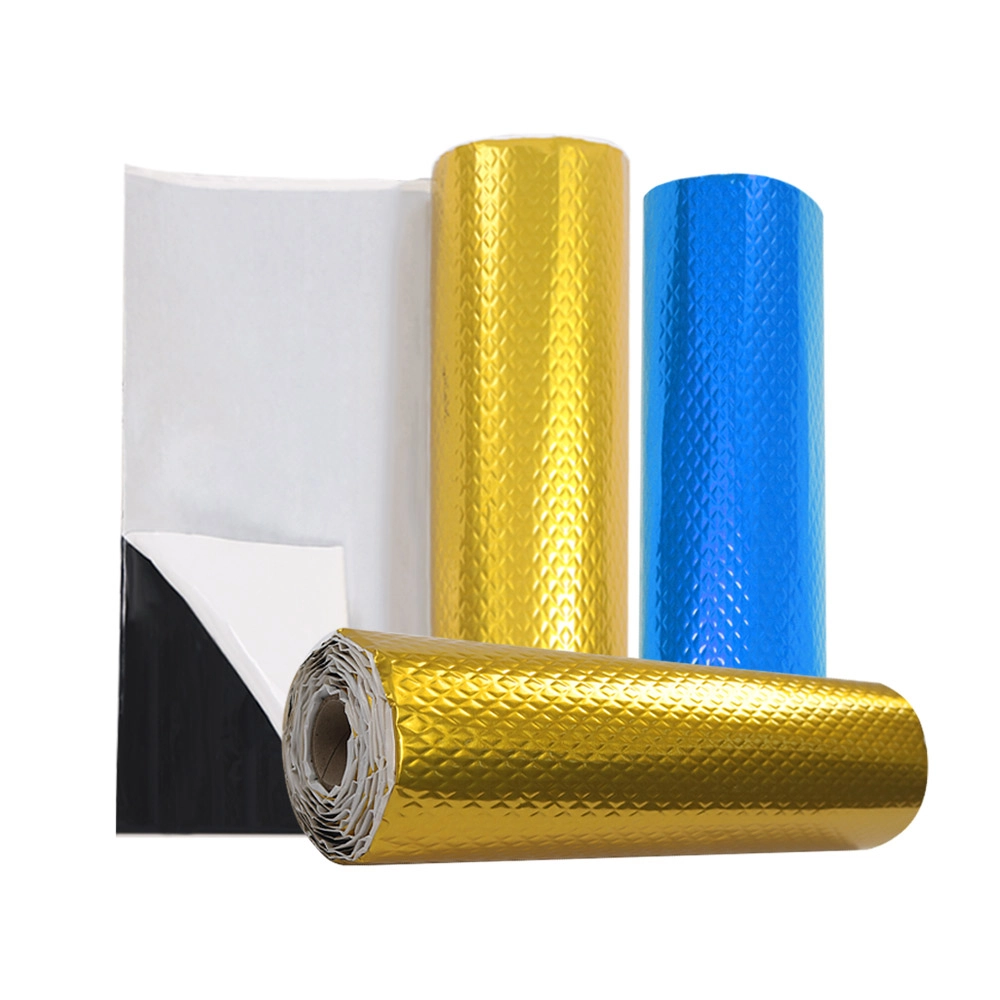
Butyl Rubber Sound Damping Mat
ASLONG Butyl Rubber Sound Damping Mat for sale. Effectively reduces noise and vibrations. High-quality butyl rubber ensures superior performance and durability. Ideal for automotive, industrial, and home applications.
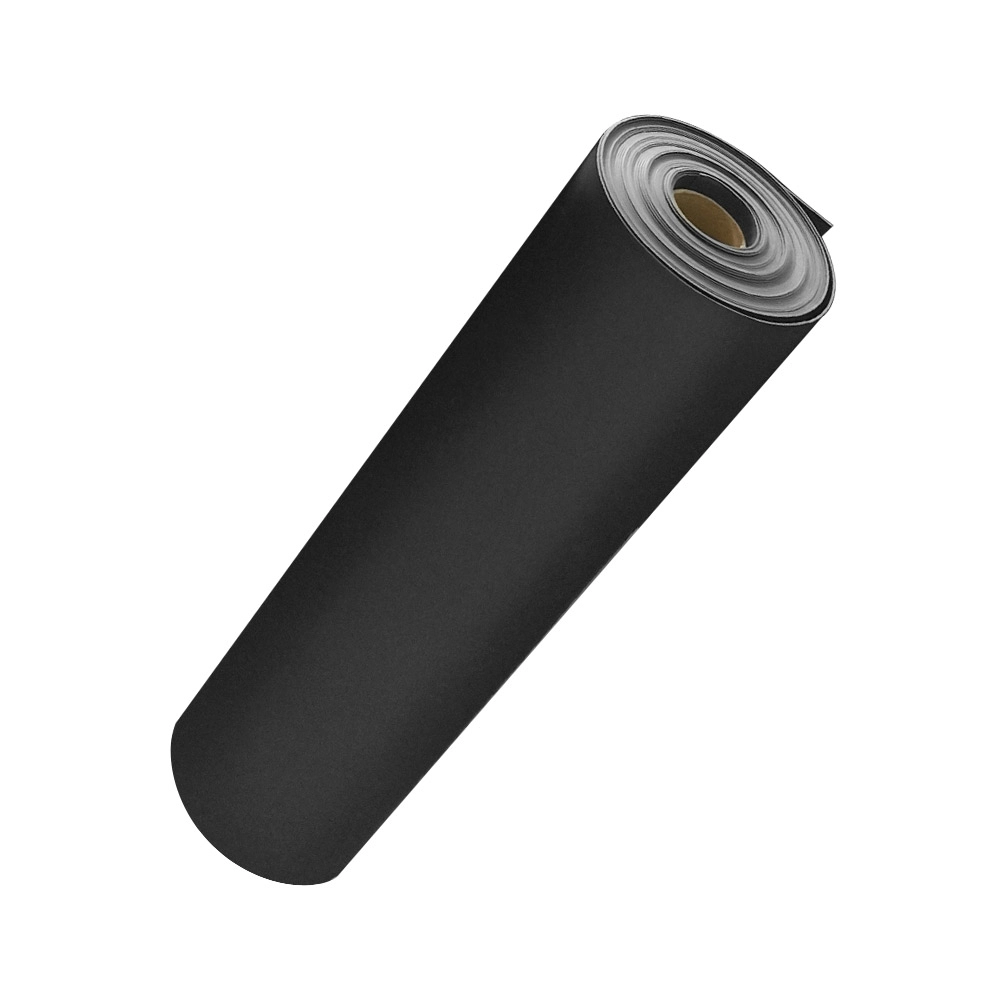
Mass Loaded Vinyl
ASLONG Mass Loaded Vinyl for sale. Reduce noise pollution effectively with our high-quality, mass-loaded vinyl. Ideal for soundproofing walls, floors, and more. Buy now and experience the difference!
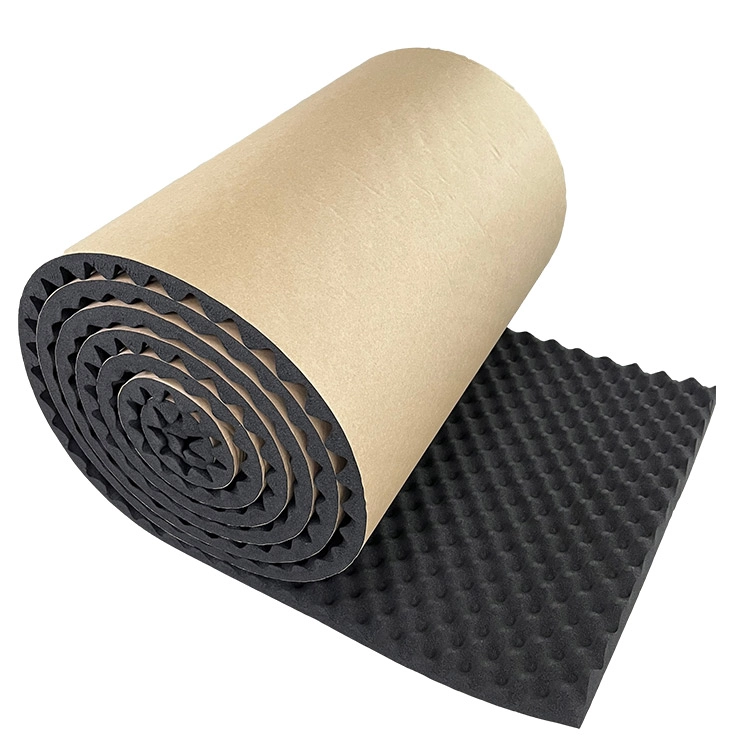
Egg Crate Foam
ASLONG Egg Crate Foam for sale. Lightweight, breathable, and comfortable, our egg crate foam provides superior support and pressure relief. Perfect for mattresses, cushions, cars, construction industry, KTV, factories, etc.
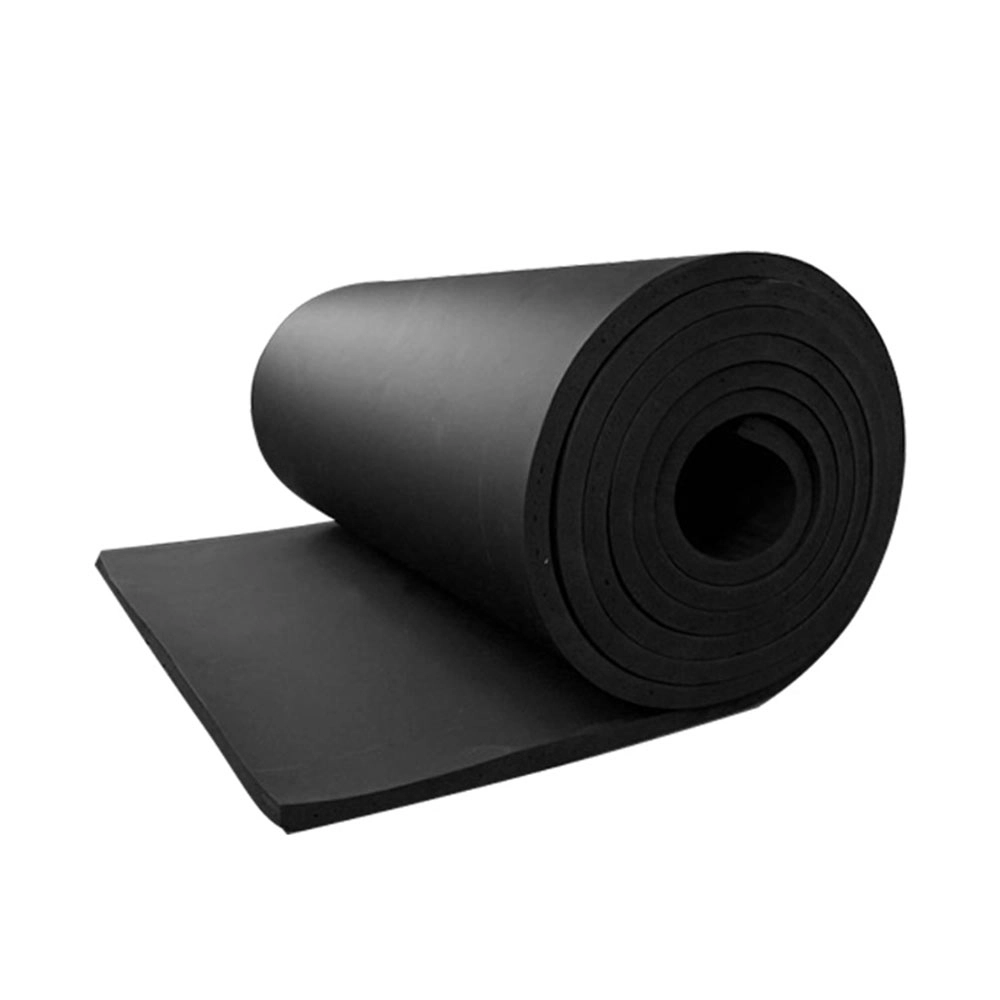
NBR Foam
ASLONG NBR Foam: Wholesale NBR foam solutions for diverse applications. High-quality, durable, and competitively priced. Contact us today for bulk orders.
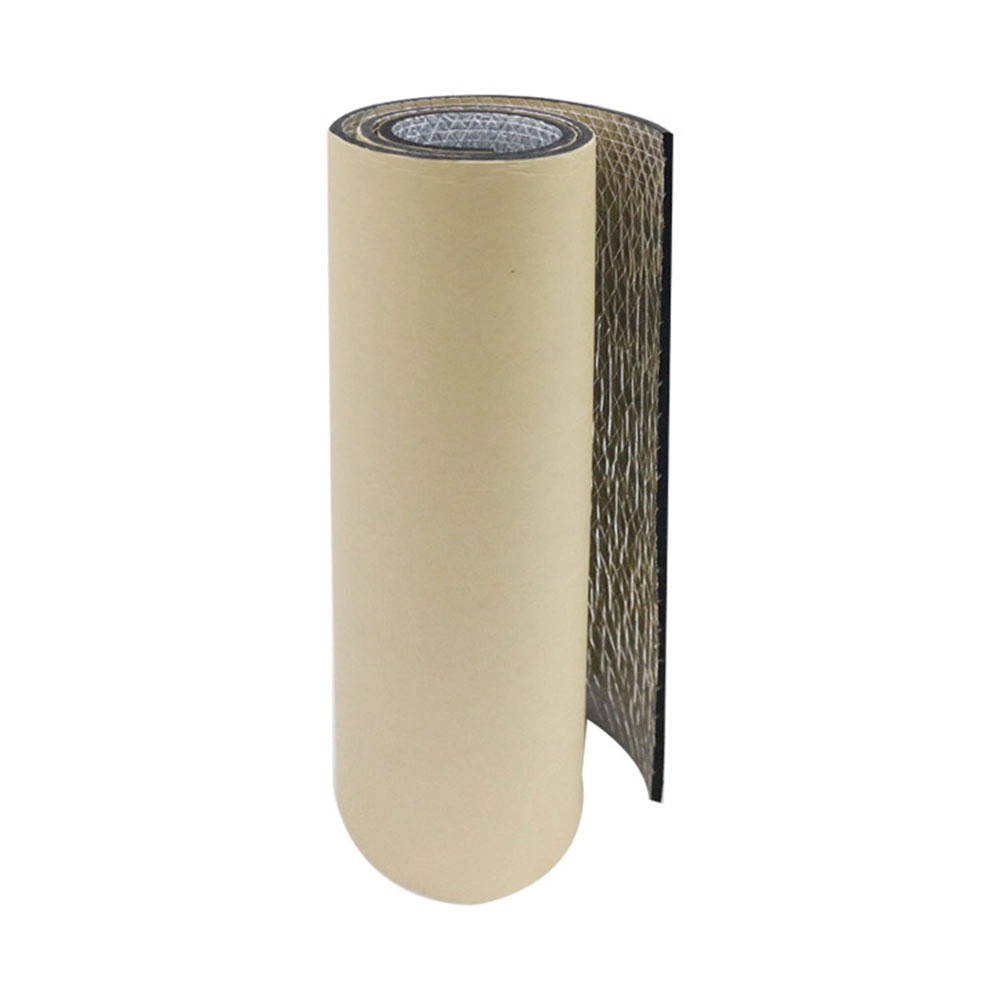
Multi layer Composite NBR foam
ASLONG's multi-layer composite NBR foam is your premium choice for superior cushioning and durability. Ideal for diverse applications, this high-quality NBR foam is available for sale now. Contact us for bulk orders.

Sound Absorbing White Cotton
Sound-absorbing white cotton Made from PP and PET fibres by melt-blowing, special processes are used to achieve density diversification, sound absorption and noise reduction, thermal insulation, moisture-proof and mold resistance.
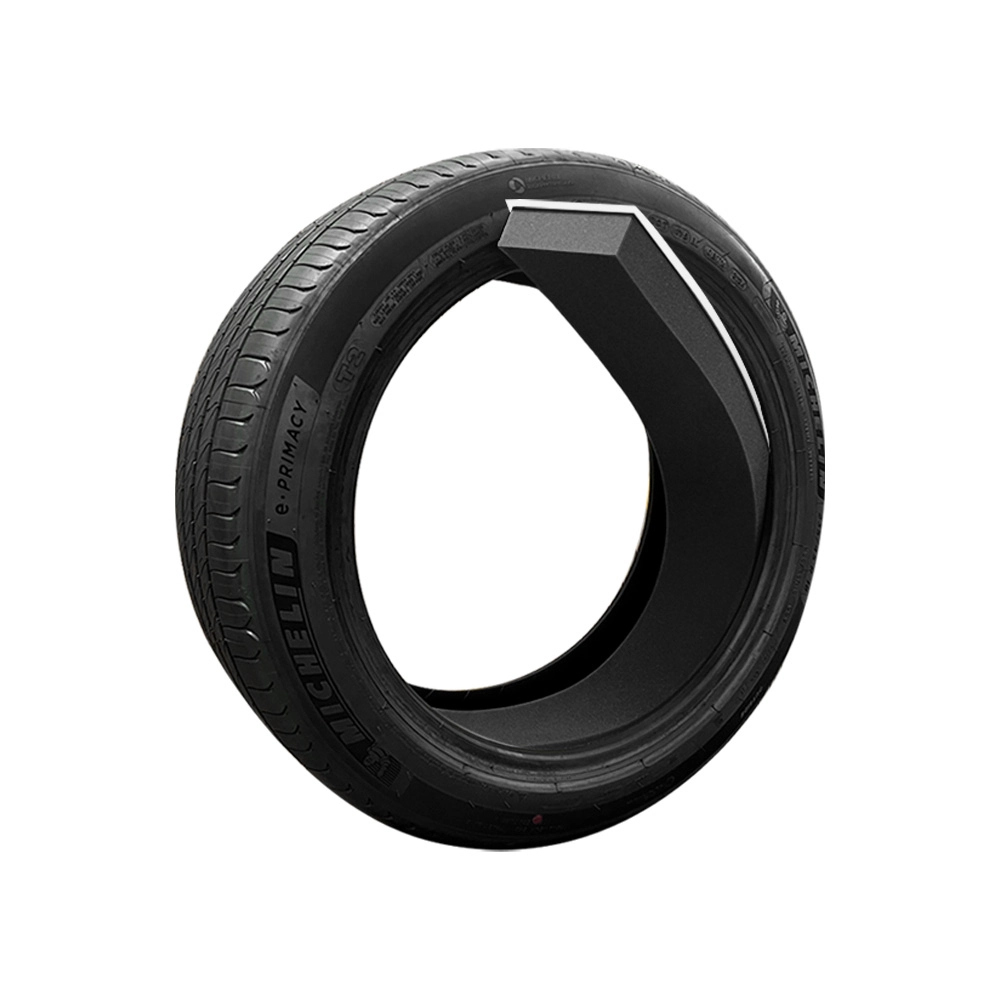
Puncture-Proof Soundproof Tire Foam, Self-Sealing Noise-Reducing Liner for Cars, Anti-Puncture Wheel Protection, Anti-Puncture Noise Reduction
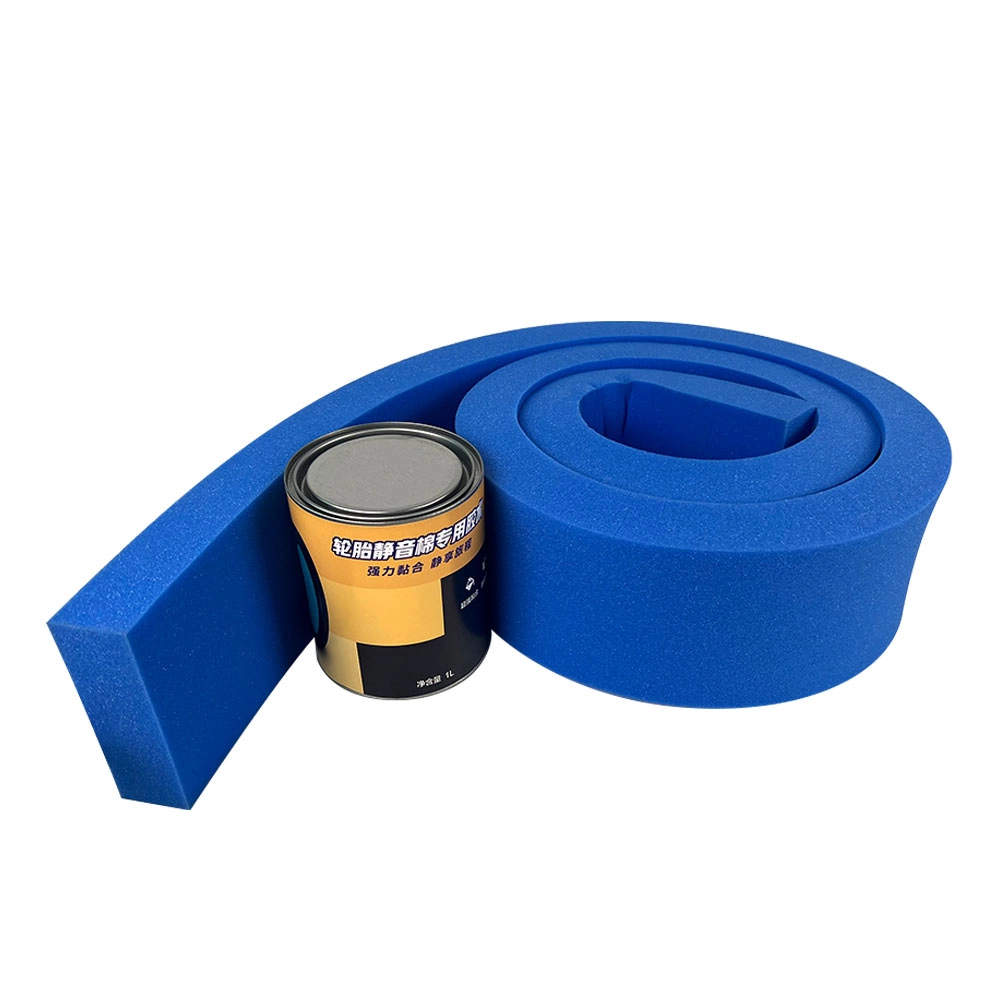
Tire Silent Foam with Special Glue
ASLONG Tire Silent Foam with special glue effectively reduces tire noise. Improve your vehicle's ride comfort. Buy ASLONG Tire Silent Foam for sale now and experience the quiet difference.
Professional support at any time
Contact us for a free quote on our new soundproofing materials!
© 2026 ASLONG All Rights Reserved. Privacy Policy | Terms and Conditions | Sitemap

 It would be pleasure to receive from you.
Whatsapp: +8613242879341
ASLONG Global
ASLONG
Aslong_global