

Noise Reduction Techniques in Passenger Vehicles: A Complete Guide to Automotive NVH Control
Discover effective noise reduction techniques in passenger vehicles, including vibration damping, sound insulation, acoustic absorption, sealing, and advanced automotive NVH materials.
Noise Reduction Techniques in Passenger Vehicles
Noise reduction is an important part of modern passenger vehicle design. A quieter cabin improves driving comfort, reduces fatigue, and enhances the overall vehicle experience.
Vehicle noise mainly comes from the engine, tires, road surface, wind, powertrain, and structural vibration. Effective NVH (Noise, Vibration, and Harshness) control requires different solutions for different noise sources.
1. Vibration Damping
Vehicle body panels can vibrate when exposed to engine, suspension, and road-induced forces. Butyl rubber damping materials are commonly applied to doors, floors, roofs, trunks, and other metal panels to reduce vibration and panel resonance.
This helps lower structure-borne noise and improve cabin comfort.
2. Sound Insulation
Sound insulation materials work as barriers to prevent external noise from entering the passenger compartment.
Common automotive sound insulation materials include:
- Mass Loaded Vinyl (MLV)
- Rubber acoustic barriers
- Soundproofing felt
- Composite insulation materials
These materials are particularly useful for controlling road, tire, and powertrain noise.
3. Acoustic Absorption
Acoustic absorption materials reduce sound reflections inside the vehicle. Materials such as acoustic foam and sound-absorbing fiber can be installed in doors, headliners, floors, trunks, and instrument panels.
Absorption is especially useful for improving cabin acoustics and reducing higher-frequency noise.
4. Door and Floor Soundproofing
Doors and vehicle floors are important noise transmission areas. A combination of damping sheets, acoustic barriers, and absorption materials can provide better NVH performance.
For example, a multi-layer automotive soundproofing material can combine vibration damping, sound insulation, and acoustic absorption in one system.
5. Lightweight NVH Solutions
Modern vehicles, especially electric vehicles (EVs), require effective noise control without excessive weight. Lightweight acoustic materials and high-performance composite structures are therefore becoming increasingly important.
The goal is to achieve the best balance between noise reduction, weight, durability, and installation efficiency.
6. Noise Reduction in Electric Vehicles
EVs produce less traditional engine noise, making tire, road, wind, and motor-related noise more noticeable.
Therefore, EV manufacturers increasingly use advanced automotive NVH materials, including damping sheets, acoustic foams, insulation felts, and composite soundproofing systems.
Conclusion
Effective noise reduction in passenger vehicles requires a combination of vibration damping, sound insulation, acoustic absorption, and sealing technologies.
By selecting the right materials and applying them to key noise transmission areas, vehicle manufacturers can achieve quieter cabins, improved comfort, and better overall NVH performance.
FAQ
What are the main sources of noise in passenger vehicles?
The main sources include engine and powertrain noise, tire and road noise, wind noise, exhaust noise, and structural vibration.
What are the most effective noise reduction techniques in cars?
Common techniques include vibration damping, sound insulation, acoustic absorption, improved sealing, and optimized vehicle structures.
Common techniques include vibration damping, sound insulation, acoustic absorption, improved sealing, and optimized vehicle structures.
Common materials include butyl rubber damping sheets, Mass Loaded Vinyl (MLV), acoustic foam, soundproofing felt, and composite acoustic materials.
How does butyl rubber reduce vehicle noise?
Butyl rubber is a viscoelastic material that helps reduce vibration and resonance in metal vehicle panels, thereby lowering structure-borne noise.
Where should soundproofing materials be installed in a passenger vehicle?
Common application areas include doors, floors, roofs, trunks, wheel arches, engine compartments, and other major noise transmission paths.
How can electric vehicles reduce cabin noise?
EVs can use vibration damping, acoustic absorption, sound insulation, and sealing materials to control tire, road, wind, motor, and other sources of noise.
Can automotive soundproofing materials also reduce vibration?
Yes. Materials such as butyl rubber damping sheets can help reduce both panel vibration and the noise generated by structural resonance.
How do I choose the right automotive soundproofing material?
Material selection should consider the noise source, frequency range, installation location, temperature, moisture exposure, weight, adhesion, and durability requirements.
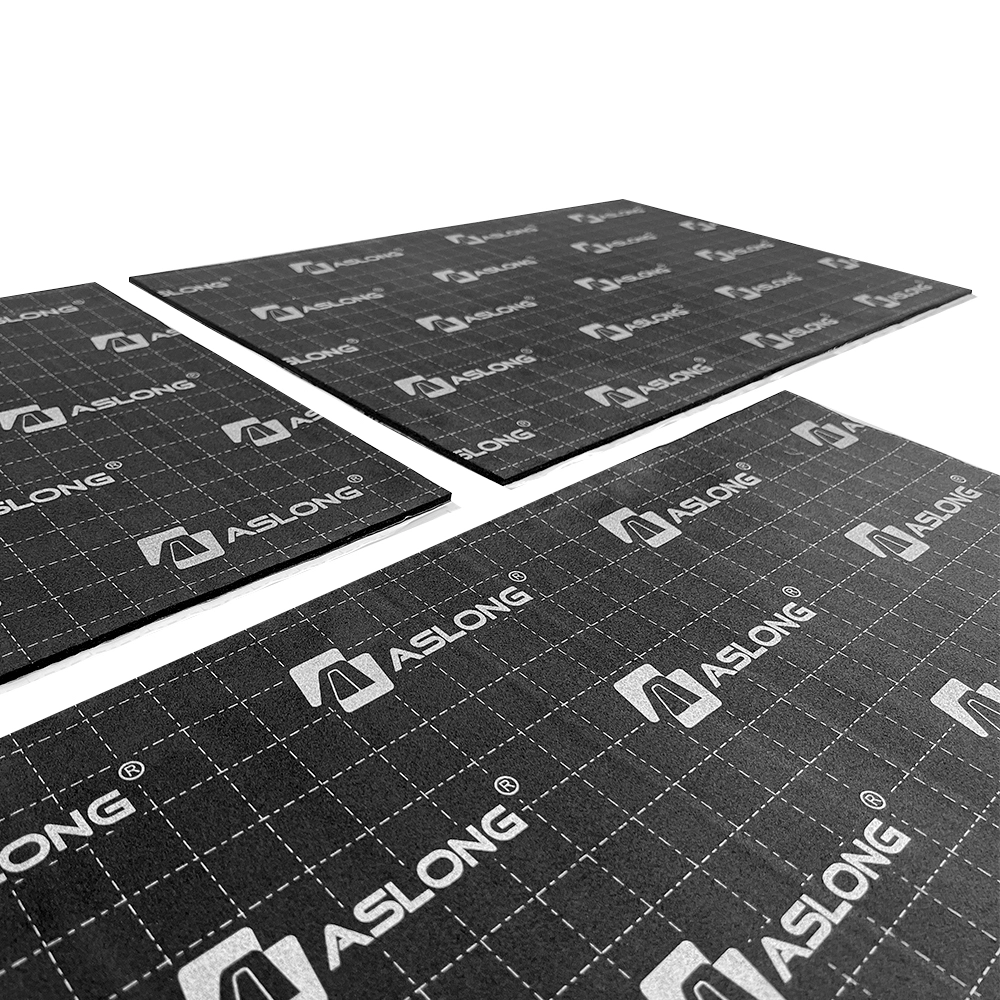
Composite Sound Insulation Materials: Multilayer Acoustic Solutions for Noise Control
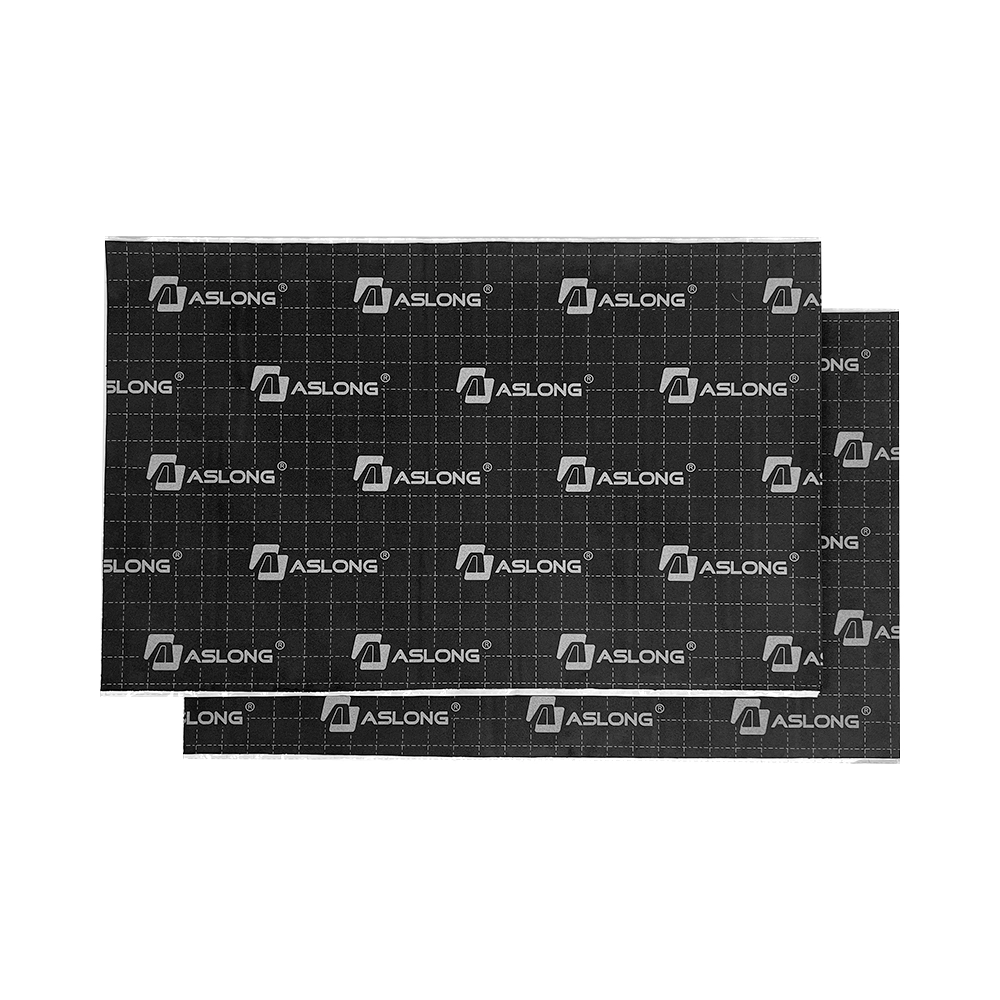
Where to Install Car Soundproofing Materials for Maximum Noise Reduction
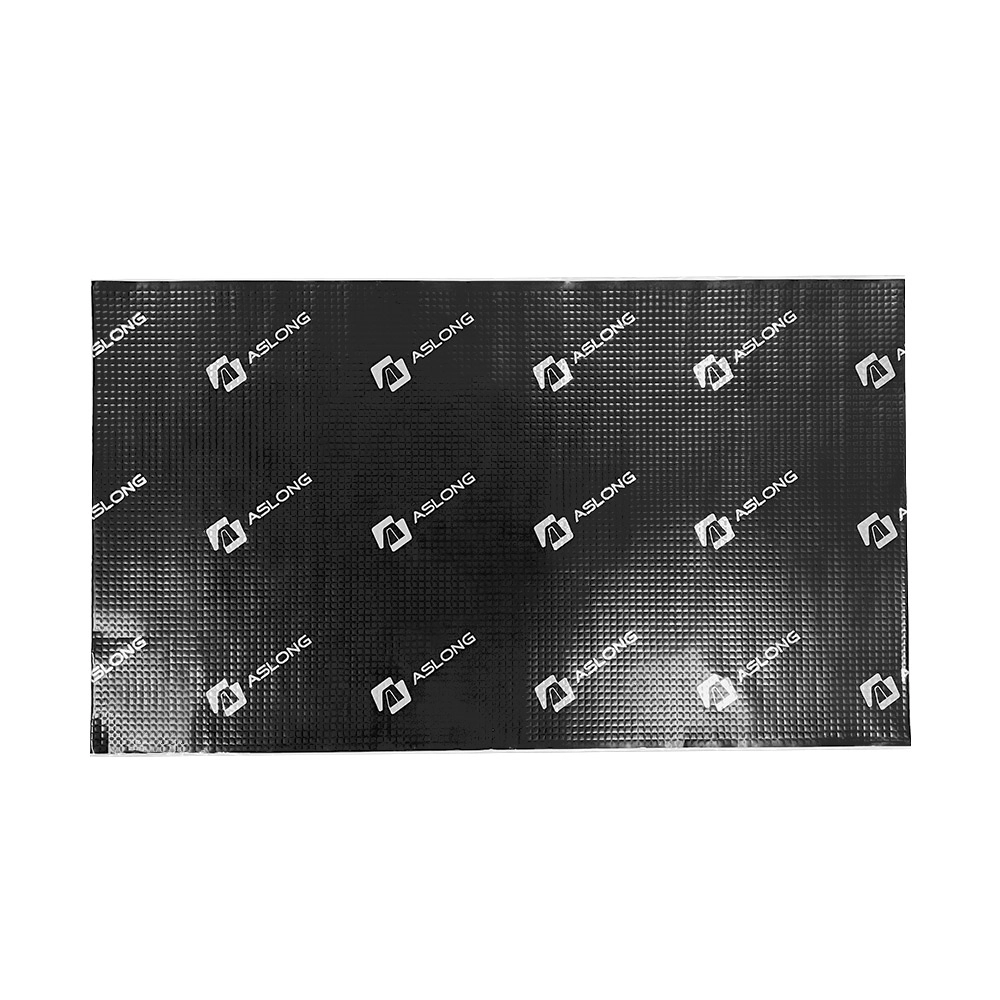
How Car Soundproofing Materials Reduce Road, Tire and Engine Noise
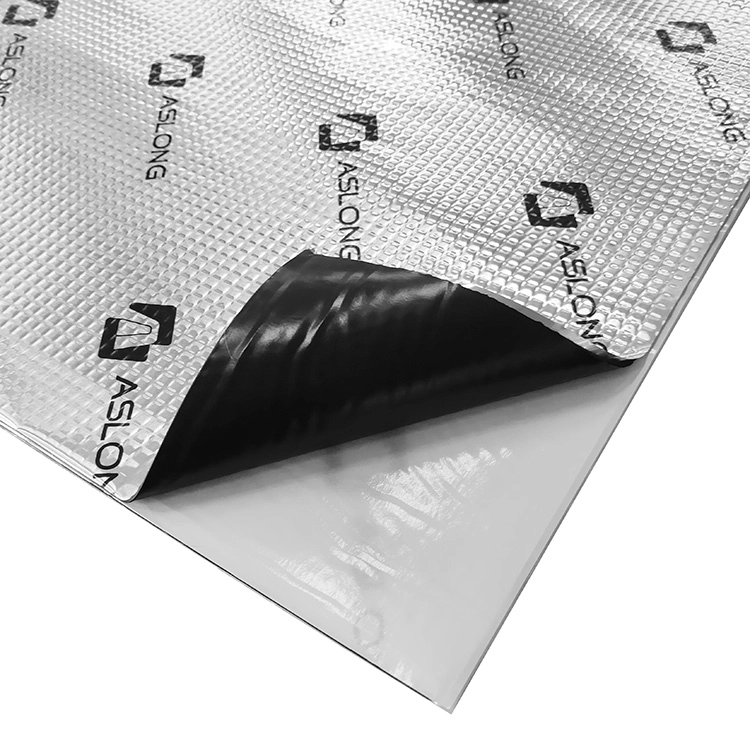
How Does Butyl Sound Deadening Mat Thickness Affect Noise and Vibration Reduction?

Automotive NVH: What It Is and How Soundproofing Materials Help
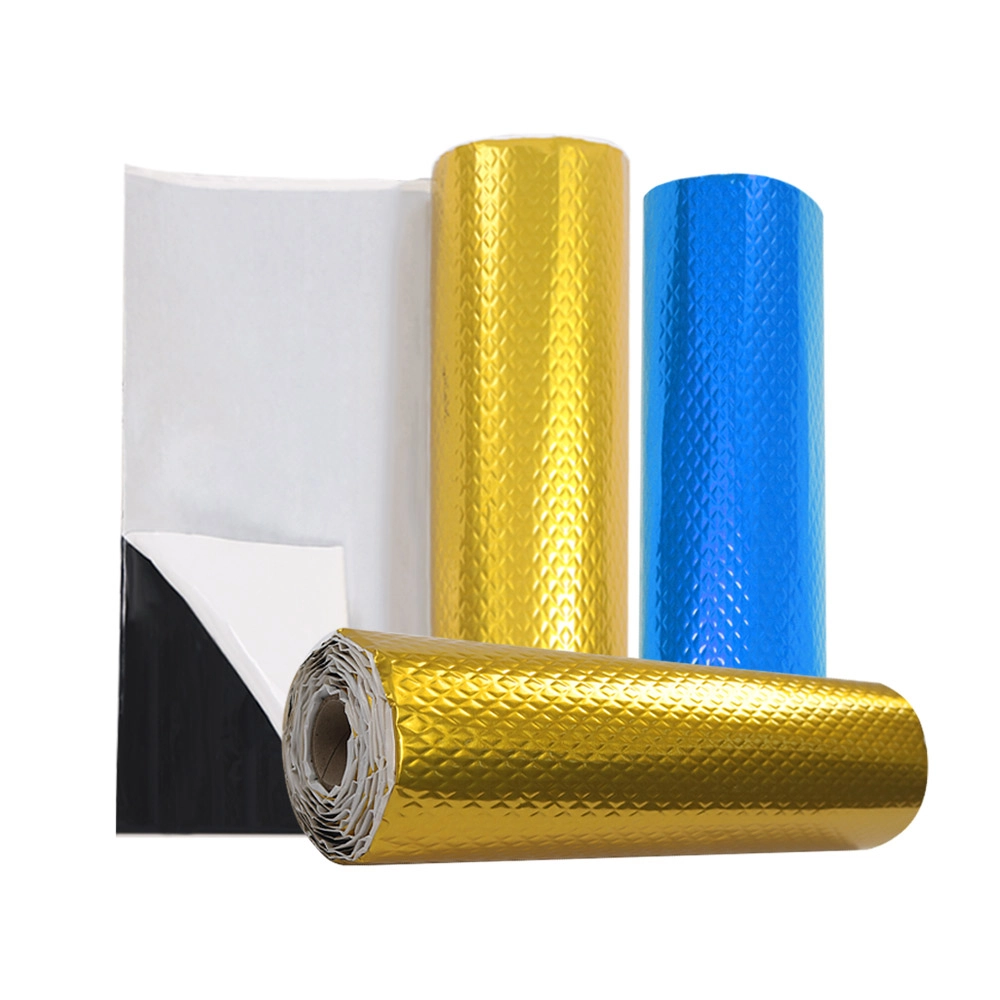
Butyl Rubber Sound Damping Mat
ASLONG Butyl Rubber Sound Damping Mat for sale. Effectively reduces noise and vibrations. High-quality butyl rubber ensures superior performance and durability. Ideal for automotive, industrial, and home applications.
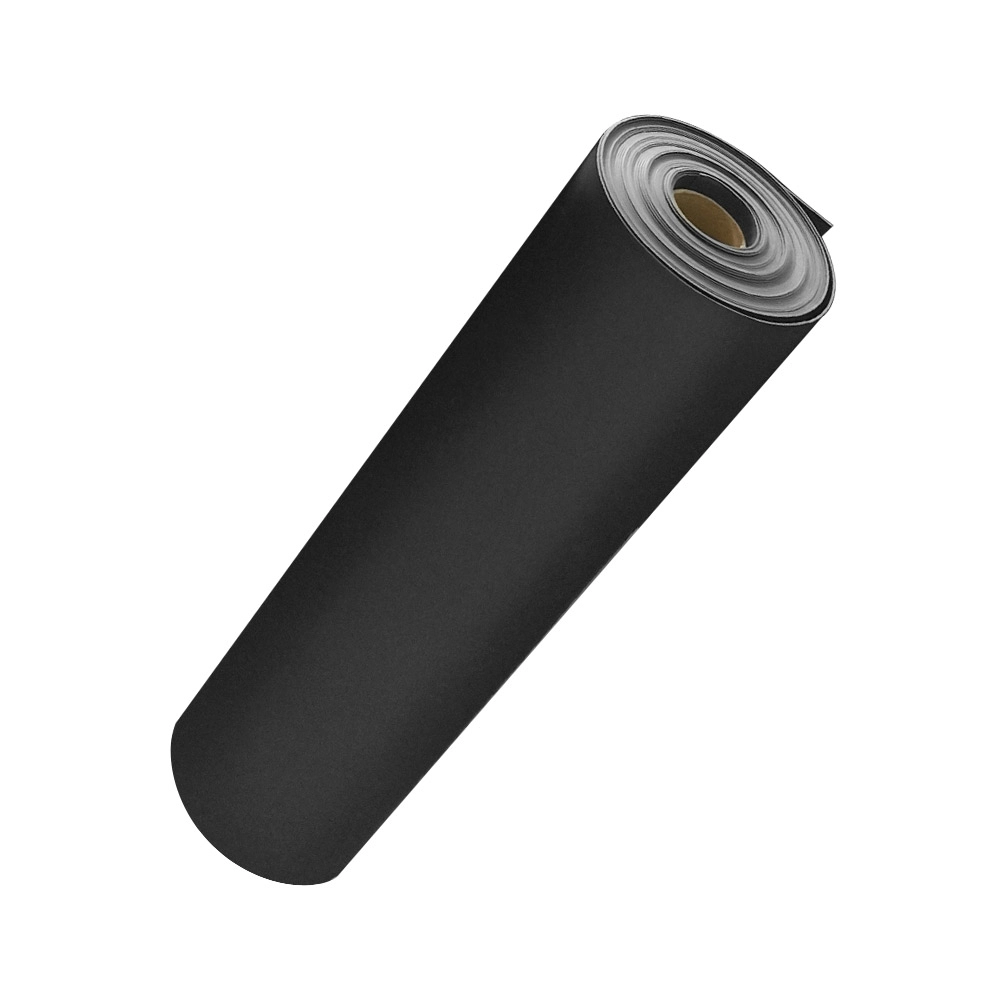
Mass Loaded Vinyl
ASLONG Mass Loaded Vinyl for sale. Reduce noise pollution effectively with our high-quality, mass-loaded vinyl. Ideal for soundproofing walls, floors, and more. Buy now and experience the difference!
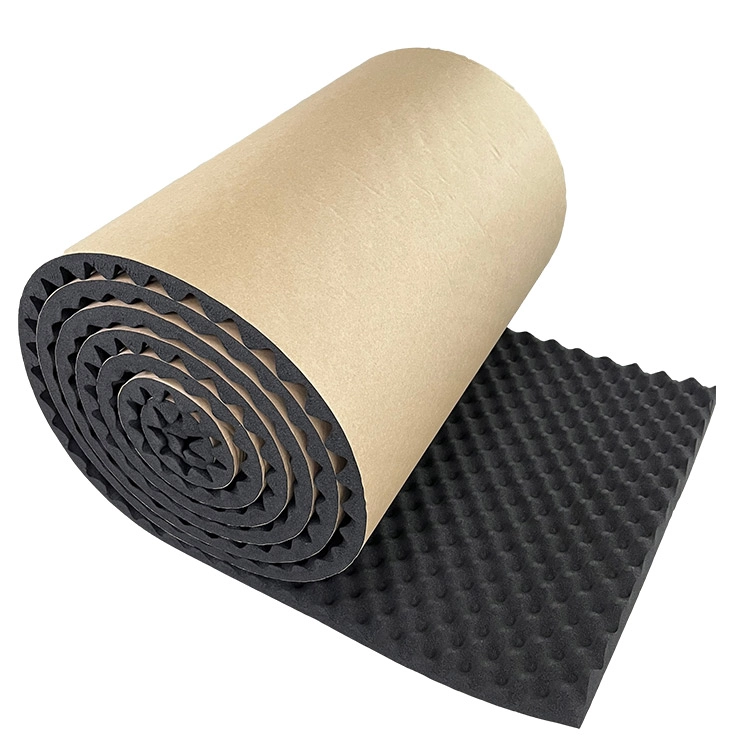
Egg Crate Foam
ASLONG Egg Crate Foam for sale. Lightweight, breathable, and comfortable, our egg crate foam provides superior support and pressure relief. Perfect for mattresses, cushions, cars, construction industry, KTV, factories, etc.
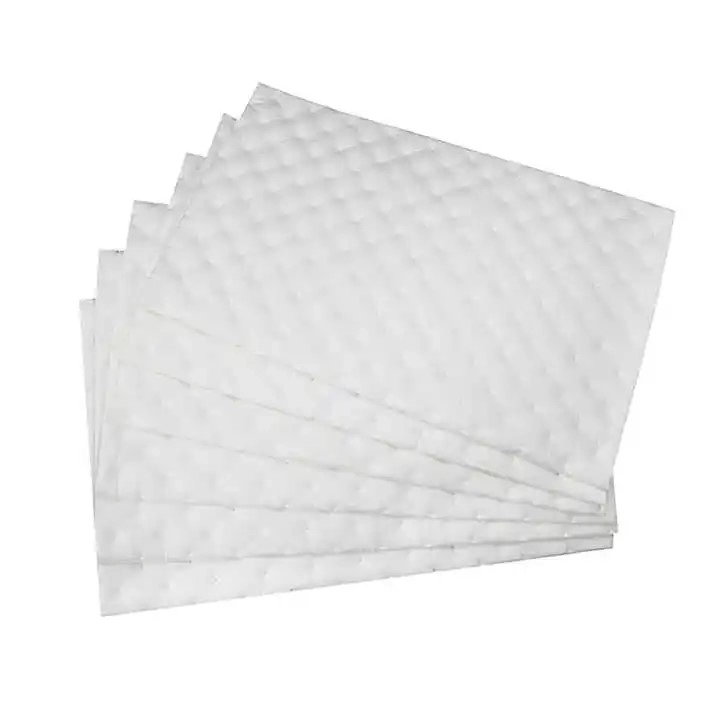
Sound Absorbing White Cotton
Sound-absorbing white cotton Made from PP and PET fibres by melt-blowing, special processes are used to achieve density diversification, sound absorption and noise reduction, thermal insulation, moisture-proof and mold resistance.
Professional support at any time
Contact us for a free quote on our new soundproofing materials!
© 2026 ASLONG All Rights Reserved. Privacy Policy | Terms and Conditions | Sitemap

 It would be pleasure to receive from you.
Whatsapp: +8613242879341
ASLONG Global
ASLONG
Aslong_global