

Mass Loaded Vinyl for Buildings: Soundproofing Guide
Discover how mass loaded vinyl (MLV) improves building soundproofing. Learn about wall, ceiling and floor applications, installation methods and key benefits.
Mass Loaded Vinyl for Buildings: A Practical Guide to Soundproofing Walls, Floors, and Ceilings
Introduction
Noise pollution has become a growing concern in residential, commercial, and industrial buildings. Traffic noise, conversations between neighboring rooms, loud music, plumbing sounds, and mechanical equipment can all affect indoor comfort, privacy, and productivity.
Mass Loaded Vinyl (MLV) is a flexible, high-density sound barrier material designed to help reduce sound transmission through building structures. Its relatively thin profile and high surface mass make it a practical option for soundproofing projects where space is limited but improved acoustic performance is required.
From apartment walls and office partitions to ceilings, floors, and HVAC systems, mass loaded vinyl can be incorporated into a variety of building sound insulation systems.
In this guide, we explain how MLV works, its major building applications, its advantages, and the factors to consider when choosing the right soundproofing material.
3.2 Ceiling Soundproofing
Noise transmitted through ceilings can be a significant problem in multi-story buildings.
Conversations, television sounds, and other airborne noise from an upper floor may disturb occupants below. Installing mass loaded vinyl as part of a ceiling assembly can help reduce this type of sound transmission.
Common applications include:
-
Apartment ceilings
-
Hotel floors and ceilings
-
Office buildings
-
Home theaters
-
Commercial entertainment spaces
-
Residential renovation projects
MLV can be installed above a suspended ceiling or integrated into a ceiling lining system, depending on the building design.
Because MLV is relatively heavy, installers must ensure that ceiling supports, fasteners, and mounting systems are suitable for the material's weight. Professional installation may be necessary for overhead applications.
Important: MLV alone is not a complete solution for impact noise, such as footsteps or dropped objects on the floor above. These noises often require resilient underlayments, structural decoupling, or treatment of the floor where the impact originates.
3.3 Floor Soundproofing
Floor sound insulation is important in apartments, hotels, offices, and other multi-level buildings.
Mass loaded vinyl can be incorporated beneath suitable floor finishes or between floor layers to help reduce airborne sound transmission through the floor-ceiling assembly.
Potential applications include:
-
Under floating floors
-
Beneath laminate or engineered wood flooring
-
Between subfloor layers
-
In selected raised-floor systems
-
In sound isolation systems for home theaters and music rooms
For floor applications, the selected MLV must be compatible with the flooring system, expected loads, and installation conditions.
Impact noise requires special attention. Footsteps and moving furniture create structural vibrations that may travel through the building framework. Resilient rubber underlayments or other impact isolation materials may be needed alongside MLV.
The correct combination depends on whether the primary goal is reducing airborne noise, impact noise, or both.
3.4 Soundproofing for Home Theaters and Music Rooms
Home theaters, music rooms, and rehearsal spaces require effective sound isolation to prevent noise from disturbing other occupants.
Mass loaded vinyl can serve as an additional sound barrier in walls, ceilings, doors, and selected floor assemblies.
It is particularly useful when a project requires a flexible barrier that can be integrated into a multilayer construction system without adding excessive thickness.
For improved sound isolation, MLV is commonly combined with gypsum board, cavity insulation, resilient channels, and perimeter acoustic sealant.
It is important to distinguish sound isolation from sound absorption. MLV helps reduce sound transmission, while acoustic foam and fabric-covered absorbers primarily help control reflections and reverberation inside a room.
Using both types of materials for their intended purposes can create a more balanced acoustic environment.
3.5 Commercial and Office Buildings
Noise control is important in offices, conference rooms, healthcare facilities, hotels, retail spaces, and other commercial buildings.
Mass loaded vinyl can be incorporated into partition walls, ceiling systems, and equipment enclosures to help reduce unwanted airborne noise.
Potential benefits include:
-
Improved speech privacy between rooms
-
Reduced transmission of conversations
-
Better acoustic separation between workspaces
-
Additional sound isolation around selected equipment
-
Flexible integration into new construction and renovation projects
For commercial projects, the MLV specification should be evaluated alongside fire safety requirements, building codes, installation methods, and the acoustic performance of the complete assembly.
3.6 HVAC Ducts, Plumbing Pipes, and Mechanical Equipment
Mechanical systems can generate noise that travels through ducts, pipes, and service spaces.
Depending on the product specification and application, mass loaded vinyl can be used as a sound barrier around HVAC ducts, drainage pipes, and selected equipment enclosures.
Typical applications include:
-
Ventilation ducts
-
Drainage and plumbing pipes
-
Mechanical equipment enclosures
-
Utility rooms
-
Selected industrial noise-control systems
When wrapping ducts or pipes, the installation should be designed to suit the operating temperature, moisture conditions, required clearances, and relevant fire regulations.
MLV can help reduce airborne noise radiated from a surface, but it does not automatically eliminate structural vibration. Equipment mounts, vibration isolators, duct liners, or other treatments may also be required.
4. Key Benefits of Mass Loaded Vinyl for Buildings
High Sound Barrier Performance in a Thin Profile
MLV adds mass to a soundproofing assembly without requiring the same thickness as some conventional rigid barrier materials. This is useful in renovations and projects where preserving usable floor space is important.
Flexible and Easy to Cut
Its flexible construction allows MLV to be cut to size and fitted around corners, wall frames, ducts, pipes, and other building details.
Suitable for Multiple Applications
Depending on its specifications, MLV can be incorporated into wall, ceiling, floor, partition, and mechanical noise-control systems.
Compatible with Multilayer Construction
MLV can be combined with gypsum board, mineral wool, fiberglass, resilient channels, acoustic sealants, and other materials to create a complete sound isolation assembly.
Useful for New Construction and Renovation
MLV can be integrated during the construction stage or added as part of a suitable retrofit system. The installation method should be selected according to the existing structure and desired acoustic improvement.
5. How to Choose the Right Mass Loaded Vinyl for Building Projects
Not all mass loaded vinyl products are identical. Choosing the correct specification is essential for achieving reliable results.
Surface Weight and Thickness
Surface weight is a key consideration because MLV primarily functions as a mass-based sound barrier.
A heavier product may provide greater sound isolation in a suitable assembly, but it also adds more structural load. Thickness alone does not determine performance, so buyers should compare surface weight, material composition, and acoustic test data.
Material Flexibility and Durability
MLV should remain suitable for the intended installation environment. Consider flexibility, tear resistance, handling characteristics, and long-term durability.
For projects involving bends, irregular surfaces, or mechanical wrapping, flexibility can be especially important.
Roll Width and Sheet Size
Roll dimensions influence material handling, installation speed, and the number of joints required.
Larger rolls may reduce the number of seams in some installations, while pre-cut sheets may be more convenient for smaller projects or specific panel dimensions.
Acoustic Test Data
When comparing products, request relevant test reports and verify what was tested.
The Sound Transmission Class (STC) rating is commonly used to evaluate airborne sound isolation in building assemblies. It is important to distinguish the performance of an individual material from that of a complete wall, floor, or ceiling system.
Do not assume that a particular STC rating applies to MLV alone unless the test documentation specifically supports that claim.
Fire Safety and Building Code Compliance
For building applications, confirm whether the selected material meets the applicable fire, smoke, and other regulatory requirements in the target market.
Requirements vary by building type, installation location, and jurisdiction.
FAQ
What is mass loaded vinyl used for in buildings?
Mass loaded vinyl is used as a flexible, high-density sound barrier in walls, ceilings, selected floor assemblies, partitions, ducts, pipes, and equipment enclosures. Its primary purpose is to help reduce airborne sound transmission.
Is mass loaded vinyl good for wall soundproofing?
Yes. MLV can improve wall sound isolation by adding mass to the wall assembly. For better performance, it is often combined with cavity insulation, drywall, resilient mounting systems, and acoustic sealant.
Can mass loaded vinyl be installed on ceilings?
Yes. MLV can be incorporated into suitable ceiling systems to reduce airborne noise transmission. Since it is heavy, proper structural support and secure installation are essential.
How to Reduce Tire Noise in Electric Vehicles
Electric Vehicle NVH: Why EVs Need Advanced Soundproofing Materials

White Two-Component Acoustic Cotton | Sound Absorption Material
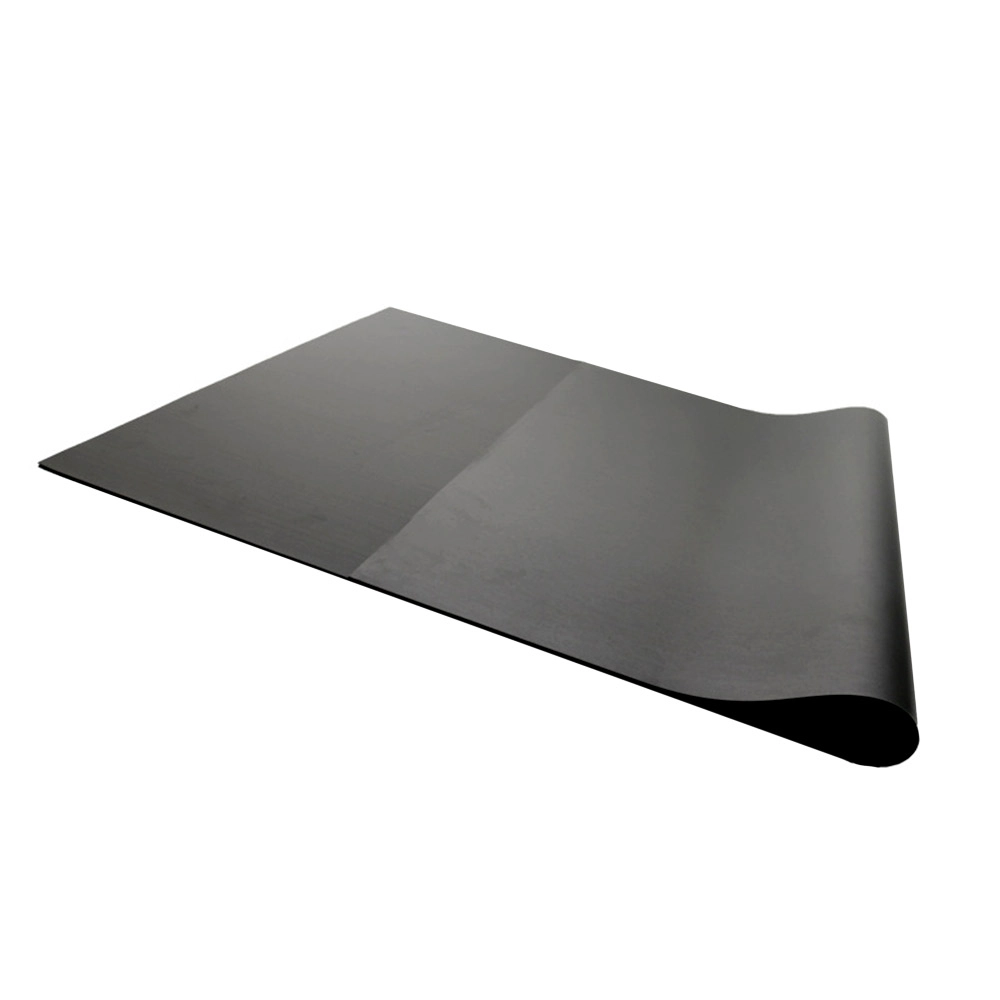
Mass Loaded Vinyl for Automotive Soundproofing: Benefits, Applications and Installation
Butyl Rubber Sound Deadening: Benefits, Applications and Installation Guide
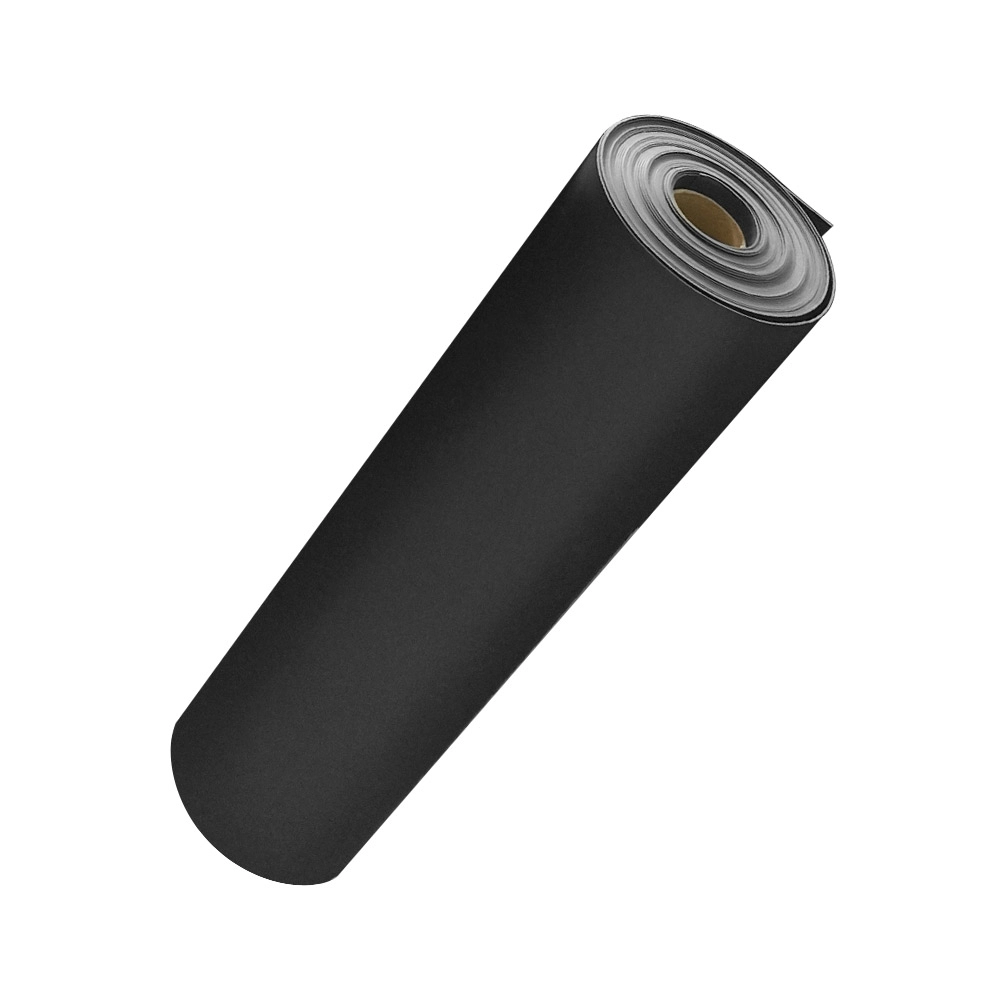
Mass Loaded Vinyl
ASLONG Mass Loaded Vinyl for sale. Reduce noise pollution effectively with our high-quality, mass-loaded vinyl. Ideal for soundproofing walls, floors, and more. Buy now and experience the difference!
Professional support at any time
Contact us for a free quote on our new soundproofing materials!
© 2026 ASLONG All Rights Reserved. Privacy Policy | Terms and Conditions | Sitemap

 It would be pleasure to receive from you.
Whatsapp: +8613242879341
ASLONG Global
ASLONG
Aslong_global