

How to Calculate the ROI of Anti-Puncture Tire Foam for Commercial Fleets
- What Does ROI Mean for Tire Protection?
- Why Flat Tires Can Cost More Than Expected
- Step 1: Calculate Your Current Puncture Frequency
- Step 2: Calculate the Direct Cost of Each Puncture
- Step 3: Don't Forget Downtime
- Step 4: Consider Fleet Size
- Step 5: Estimate the Potential Impact of Tire Foam
- A Simple Fleet ROI Example
- Why Product Price Alone Is Not Enough
- Total Cost of Ownership for Tire Protection
- 1. Product Cost
- 2. Installation Cost
- 3. Maintenance Cost
- 4. Tire-Related Savings
- 5. Downtime Savings
- Which Fleets Are Most Likely to Benefit?
- Tire Protection for Delivery Motorcycle Fleets
- How Fleet Managers Should Test Tire Foam Before a Large Purchase
- Step 1: Select a Test Group
- Step 2: Record the Baseline
- Step 3: Install Tire Foam
- Step 4: Track the Same Data
- Step 5: Compare Results
- What Data Should Fleet Managers Track?
- Important Factors That Can Affect ROI
- Road Conditions
- Tire Quality
- Tire Pressure
- Installation Quality
- Fleet Maintenance
- Vehicle Utilization
- Why a Fleet Trial Is Better Than Making Assumptions
- Choosing the Right Anti-Puncture Tire Foam Supplier
- Conclusion
- FAQ
For a private motorcycle owner, purchasing a tire protection product may be a simple personal decision.
For a commercial fleet, the decision is different.
When a company operates dozens, hundreds, or even thousands of motorcycles, scooters, or other vehicles, every maintenance problem can multiply across the entire fleet.
A single tire puncture may seem inexpensive.
But when punctures happen repeatedly across a large fleet, the total cost can include much more than tire repair.
There may also be:
- Vehicle downtime
- Lost working hours
- Rider productivity losses
- Emergency repair costs
- Replacement tires
- Maintenance labor
- Delivery delays
This is why fleet managers should evaluate anti-puncture tire foam based on total operating cost, rather than simply comparing the purchase price of the product.
So how can a business determine whether tire protection foam is worth the investment?
Let's look at a practical way to calculate the potential ROI.
What Does ROI Mean for Tire Protection?
ROI stands for Return on Investment.
In a fleet application, the basic concept is simple:
ROI = Financial Benefits ÷ Investment Cost
For tire protection, however, the benefits are not always limited to the price of a repaired tire.
A more useful evaluation considers the potential reduction in:
- Puncture-related repairs
- Tire replacement
- Vehicle downtime
- Labor
- Emergency service
- Lost operating hours
This means fleet managers should look at the total cost of tire-related interruptions.
Why Flat Tires Can Cost More Than Expected
Imagine a delivery motorcycle gets a puncture during a busy working period.
The immediate cost might only be a tire repair.
But the actual business impact could look like this:
Tire puncture → Rider stops → Motorcycle leaves service → Repair required → Deliveries delayed → Working hours lost
The repair itself may be relatively inexpensive.
The downtime may be more costly.
For a commercial fleet, this distinction is important.
Step 1: Calculate Your Current Puncture Frequency
The first step is to understand how often tire punctures occur.
For example, suppose a company operates:
100 delivery motorcycles
During a typical month, the fleet experiences:
25 puncture-related incidents
That means the fleet averages:
0.25 puncture incidents per motorcycle per month
The actual number will vary significantly depending on:
- Road conditions
- Daily mileage
- Tire quality
- Vehicle type
- Rider behavior
- Operating environment
The important thing is to establish a real baseline using your own fleet data.
Step 2: Calculate the Direct Cost of Each Puncture
Next, calculate how much a typical puncture costs.
The direct cost may include:
Tire Repair
The cost of repairing or replacing the damaged tire.
Labor
Workshop or technician labor required to remove, inspect, repair, and reinstall the tire.
Transportation
If the motorcycle needs to be transported to a workshop, additional costs may occur.
Replacement Parts
Some punctures may result in tire replacement rather than simple repair.
A simplified formula is:
Direct Puncture Cost = Repair + Labor + Transportation + Replacement Parts
For example:
| Cost Item | Example Cost |
|---|---|
| Tire repair | $8 |
| Labor | $5 |
| Transportation | $7 |
| Other maintenance | $5 |
| Total direct cost | $25 |
The actual cost will vary by country and fleet.
Step 3: Don't Forget Downtime
This is where commercial fleet calculations become more interesting.
Suppose a motorcycle is unavailable for:
2 hours
during a rider's working shift.
The company may lose part of the vehicle's productive operating time.
For a delivery fleet, downtime can potentially affect:
- Number of deliveries completed
- Rider productivity
- Customer service
- Revenue opportunities
Therefore, fleet managers can assign an estimated cost per hour of vehicle downtime.
For example:
Estimated downtime cost = $15/hour
If a puncture causes two hours of downtime:
2 × $15 = $30
Now the estimated total impact becomes:
$25 direct cost + $30 downtime cost = $55
This is significantly higher than the original $25 repair bill.
Step 4: Consider Fleet Size
The financial impact becomes more significant as the fleet grows.
For example:
Small Fleet
20 motorcycles × 5 punctures/month
Medium Fleet
100 motorcycles × 25 punctures/month
Large Fleet
500 motorcycles × 125 punctures/month
Even if the individual cost of each incident is relatively small, repeated events can create a meaningful annual maintenance expense.
This is why tire protection can be particularly relevant for high-mileage commercial fleets.
Step 5: Estimate the Potential Impact of Tire Foam
After establishing the baseline, fleet managers can compare it with a tire protection system.
The important point is to avoid assuming that tire foam will eliminate every puncture.
Instead, evaluate the potential effect conservatively.
For example, suppose a fleet experiences:
300 puncture-related incidents per year
and the company estimates that an appropriate tire foam system could help reduce the number of certain puncture-related interruptions by:
20%
That would represent approximately:
60 fewer incidents
This is only an example for calculation purposes.
Actual results depend on:
- Tire type
- Foam design
- Road conditions
- Installation quality
- Puncture type
- Vehicle usage
Fleet operators should use their own historical data whenever possible.
A Simple Fleet ROI Example
Let's consider a hypothetical delivery fleet.
Fleet Size
100 motorcycles
Annual Puncture Incidents
300
Average Direct Cost per Incident
$25
Estimated Downtime Cost per Incident
$30
Total Estimated Cost per Incident
$55
Therefore:
300 × $55 = $16,500 annual puncture-related cost
Now suppose the fleet invests in anti-puncture tire foam.
Assume the total annual investment is:
$8,000
And the company estimates that the system could reduce certain puncture-related costs by approximately:
30%
Potential annual savings:
$16,500 × 30% = $4,950
In this simplified example, the investment would not yet pay for itself within one year.
That is useful information.
It means the fleet should evaluate other factors, such as:
- Product service life
- Tire replacement cycles
- Installation costs
- Long-term maintenance
- Fleet expansion
- Actual reduction in downtime
ROI analysis should be based on realistic data rather than assuming that every tire problem will disappear.
Why Product Price Alone Is Not Enough
One of the most common mistakes in fleet purchasing is comparing products only by unit price.
For example:
Product A = $10 per set
Product B = $13 per set
At first glance, Product A appears cheaper.
But what if Product B provides:
- Better fitting
- More suitable size options
- Longer service life
- Better installation support
- More consistent quality
The lower purchase price does not automatically mean the lower total cost.
For commercial fleets, the better question is:
What is the total cost of ownership?
Total Cost of Ownership for Tire Protection
A fleet manager can consider five main cost categories.
1. Product Cost
The initial purchase price of the tire foam.
2. Installation Cost
Labor and equipment required to install the system.
3. Maintenance Cost
Any inspection or maintenance associated with the system.
4. Tire-Related Savings
Potential reduction in certain puncture-related repairs or replacements.
5. Downtime Savings
Potential reduction in vehicle downtime caused by qualifying puncture incidents.
A simple model is:
Total Benefit = Avoided Costs + Downtime Savings
Then:
ROI = (Total Benefit − Investment Cost) ÷ Investment Cost × 100%
This gives fleet managers a more complete picture.
Which Fleets Are Most Likely to Benefit?
Tire protection does not have the same value for every vehicle.
The potential ROI is generally more relevant when vehicles have:
High Daily Mileage
More road exposure means more opportunities for punctures.
Frequent Urban Operation
City roads can contain nails, screws, glass, and other debris.
High Downtime Costs
If a vehicle generates revenue every hour it operates, downtime can have a greater financial impact.
Large Fleet Size
The cumulative cost of repeated tire problems becomes more significant as fleet size increases.
Intensive Commercial Use
Delivery, courier, logistics, rental, and other commercial applications may operate vehicles much more frequently than private users.
Tire Protection for Delivery Motorcycle Fleets
Delivery motorcycles are an especially interesting application.
A delivery rider may spend most of the working day on the road.
The motorcycle may travel through:
- Busy city streets
- Construction areas
- Industrial zones
- Residential neighborhoods
- Roads with heavy traffic
A tire puncture during a delivery shift can interrupt the entire workflow.
For fleet operators, the objective is therefore not simply:
"Prevent a flat tire."
A more realistic business objective is:
"Reduce the frequency and operational impact of tire-related interruptions."
This distinction is important when evaluating tire protection technology.
How Fleet Managers Should Test Tire Foam Before a Large Purchase
A fleet does not necessarily need to install tire foam across every vehicle immediately.
A controlled trial can provide more useful data.
Step 1: Select a Test Group
Choose a small group of vehicles, such as:
10–20 motorcycles
Step 2: Record the Baseline
Track:
- Monthly mileage
- Puncture incidents
- Tire replacement
- Repair costs
- Downtime
- Maintenance labor
Step 3: Install Tire Foam
Use the correct foam size and follow the recommended installation procedure.
Step 4: Track the Same Data
Monitor the test group for several months.
Step 5: Compare Results
Compare the protected vehicles with your previous fleet data or a similar control group.
This provides a much more reliable basis for a purchasing decision than simply comparing product prices.
What Data Should Fleet Managers Track?
A simple spreadsheet can include:
| Metric | Before Tire Foam | After Tire Foam |
|---|---|---|
| Number of vehicles | 20 | 20 |
| Monthly mileage | — | — |
| Puncture incidents | — | — |
| Tire repairs | — | — |
| Tire replacements | — | — |
| Downtime hours | — | — |
| Maintenance cost | — | — |
| Emergency service | — | — |
| Tire protection cost | — | — |
After several months, this information can help determine whether the product is creating measurable value.
Important Factors That Can Affect ROI
ROI will vary from one fleet to another.
Important factors include:
Road Conditions
Vehicles operating on roads with significant debris may have different puncture rates from vehicles operating on clean roads.
Tire Quality
The original tire construction affects puncture resistance and service life.
Tire Pressure
Incorrect tire pressure can influence handling, wear, and overall tire performance.
Installation Quality
Incorrect installation can affect the performance of a tire protection system.
Fleet Maintenance
A well-maintained fleet may experience different results from a poorly maintained fleet.
Vehicle Utilization
A motorcycle traveling 20 km per day is exposed to different conditions than one traveling 150 km per day.
Why a Fleet Trial Is Better Than Making Assumptions
There is no universal ROI number for anti-puncture tire foam.
A product that provides strong value for a food delivery fleet in one city may produce different results for another fleet.
That's why the best approach is:
Measure → Test → Compare → Calculate → Scale
This allows purchasing decisions to be based on actual operating data.
Choosing the Right Anti-Puncture Tire Foam Supplier
For commercial fleet applications, product price is only one factor.
A reliable supplier should be able to provide:
- Suitable tire sizes
- Stable product quality
- Technical specifications
- Installation guidance
- OEM/ODM support
- Consistent production capacity
- Packaging customization
- Technical communication
For distributors and fleet operators, consistent supply is particularly important.
A product may perform well in a small trial, but large-scale fleet deployment requires reliable production and quality control.
Conclusion
The ROI of anti-puncture tire foam should not be evaluated simply by comparing its purchase price with the price of a tire repair.
For commercial fleets, the real calculation should consider the total cost of tire-related interruptions.
This can include:
- Tire repairs
- Tire replacement
- Labor
- Emergency service
- Vehicle downtime
- Lost operating hours
For high-mileage delivery motorcycles and commercial fleets, reducing even part of these costs may create meaningful long-term value.
However, the most reliable way to evaluate ROI is through real fleet data.
Start with your current puncture frequency and maintenance costs. Run a controlled trial. Track the results. Then calculate the actual savings.
The right tire protection solution is not necessarily the cheapest product—it is the solution that provides the best balance between protection, reliability, installation cost, service life, and total operating cost.
FAQ
Is anti-puncture tire foam worth it for commercial fleets?
It can be, particularly for high-mileage fleets where puncture-related repairs and downtime create significant operating costs. A fleet trial is the best way to determine the actual ROI.
How do you calculate the ROI of tire protection?
Start by calculating current puncture-related costs, including repairs, labor, replacement tires, and downtime. Compare these costs with the investment required for the tire protection system.
Can tire foam eliminate fleet tire maintenance?
No. Tire foam is an additional protection solution and does not eliminate the need for tire inspections, correct tire pressure, repairs, or replacement when required.

Mass Loaded Vinyl for Buildings: Soundproofing Guide
Composite Sound Insulation Materials: Multilayer Acoustic Solutions for Noise Control
Where to Install Car Soundproofing Materials for Maximum Noise Reduction
How Car Soundproofing Materials Reduce Road, Tire and Engine Noise
How Does Butyl Sound Deadening Mat Thickness Affect Noise and Vibration Reduction?
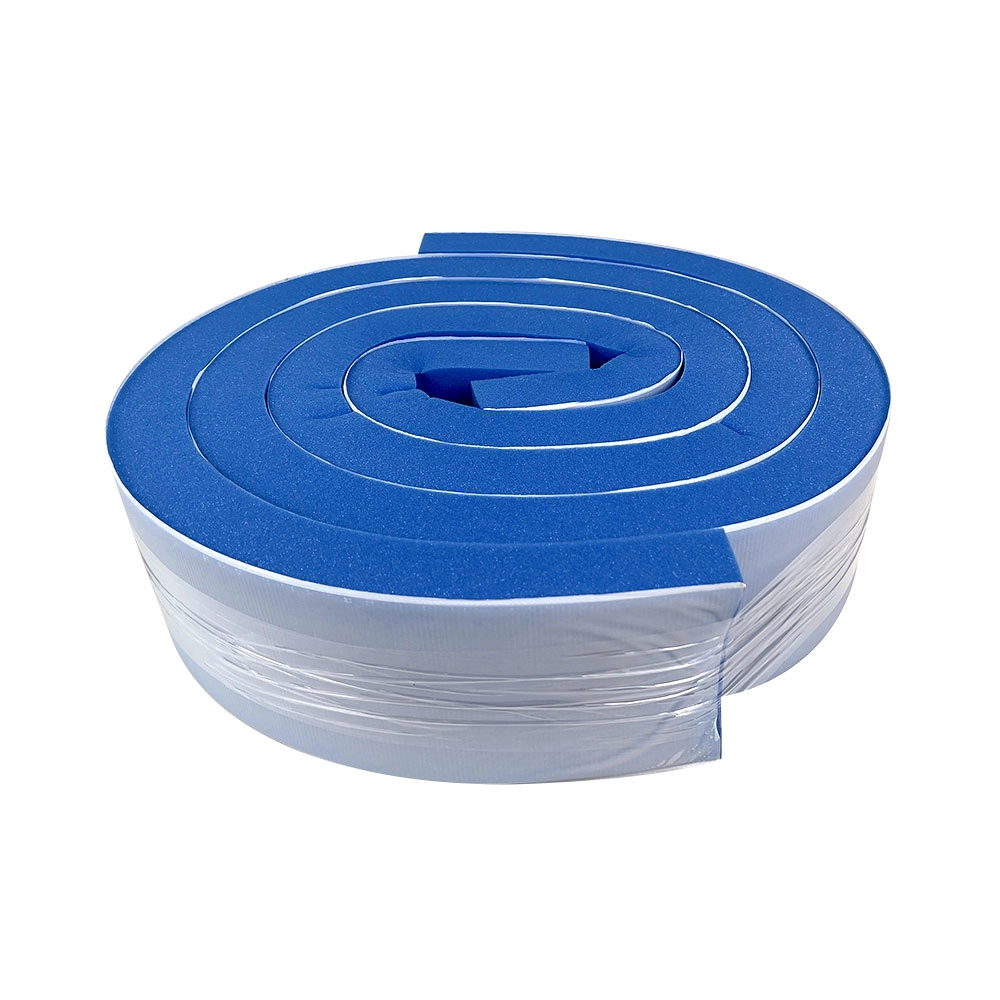
Tire Silent Foam with Adhesive Backing
ASLONG Tire Silent Foam with adhesive backing offers superior noise reduction for a smoother ride. Wholesale Tire Silent Foam is available. Improve vehicle comfort and reduce road noise.

ASLONG Puncture-Proof Soundproof Tire Foam Tire Protection Silent material for a Smoother, Safer Ride
ASLONG Puncture-Proof Soundproof Tire Foam is an advanced tire insert designed to provide both puncture-proof protection and soundproofing benefits. Made from self-healing materials, this innovative foam instantly seals any puncture caused by sharp objects, minimizing the risk of tire failure. Additionally, it reduces road noise and vibrations, offering a quieter, more comfortable driving experience.

Hot-Selling Puncture-Proof Silent Tire Foam | Self-Sealing, Noise-Reducing Wheel Protection Liner
- ASLONG puncture-proof silent tire foam is a best-selling tire protection solution combining safety, comfort, and durability. With integrated puncture resistance, self-sealing technology, and noise reduction, it offers reliable tire protection and a smoother driving experience. Suitable for cars, SUVs, trucks, EVs, logistics fleets, and emergency vehicles, it ensures stable performance under high-speed and high-temperature conditions.
-

Puncture-Proof Silent Tire Foam | Self-Sealing, Noise-Reducing Tire Liner for Safer & Quieter Rides
- Upgrade your driving experience with our Puncture-Proof Silent Tire Foam, designed to provide dual protection and comfort. This innovative tire liner features self-sealing technology that automatically repairs small punctures, keeping your tires safe and extending their lifespan. The high-density foam also acts as a noise-reducing layer, significantly lowering road vibrations and tire noise for a smoother, quieter ride.
-
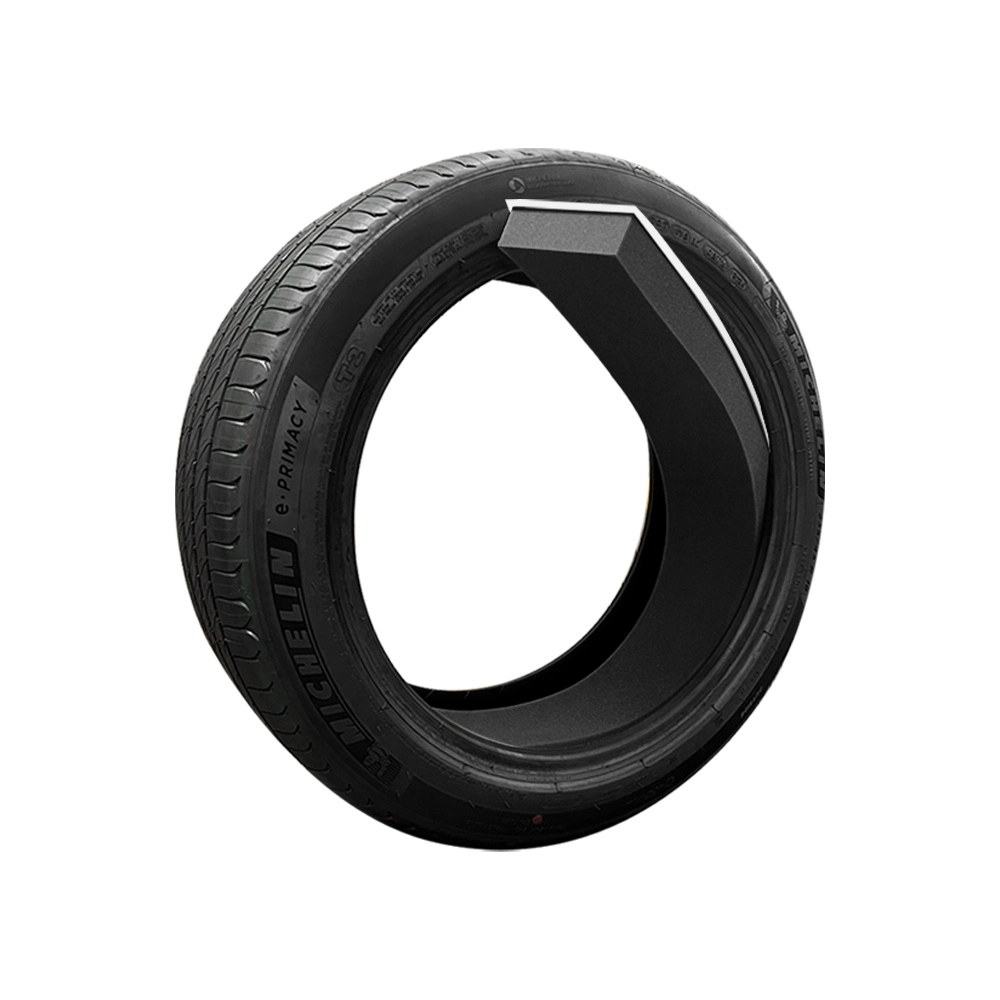
ASLONG Advanced Anti-Puncture Tire Foam | Shock-Absorbing, Noise-Dampening Liner for Long-Lasting Tire Protection
ASLONG Puncture-Proof Soundproof Tire Foam is an advanced tire insert designed to provide both puncture-proof protection and soundproofing benefits. Made from self-healing materials, this innovative foam instantly seals any puncture caused by sharp objects, minimizing the risk of tire failure. Additionally, it reduces road noise and vibrations, offering a quieter, more comfortable driving experience.
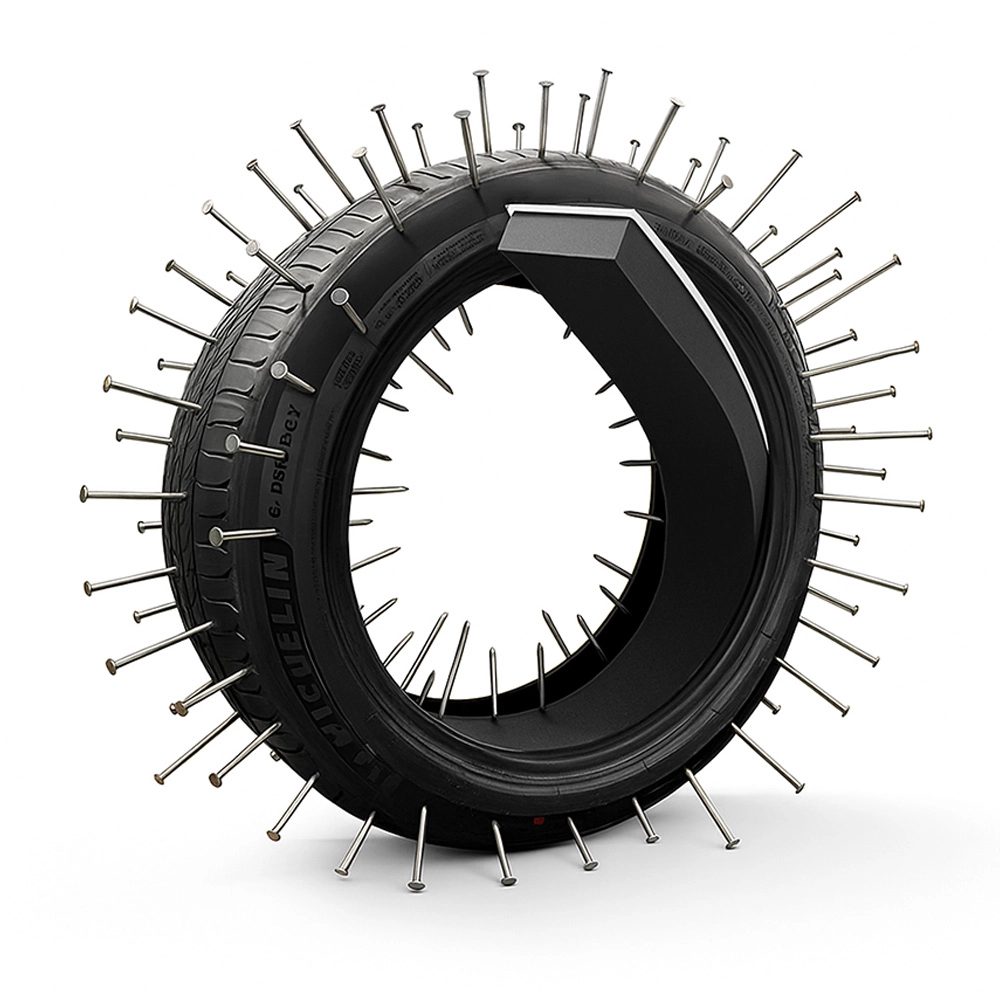
ASLONG Puncture-Proof Soundproof Tire Foam
ASLONG Puncture-Proof Soundproof Tire Foam is an advanced tire insert designed to provide both puncture-proof protection and soundproofing benefits. Made from self-healing materials, this innovative foam instantly seals any puncture caused by sharp objects, minimizing the risk of tire failure. Additionally, it reduces road noise and vibrations, offering a quieter, more comfortable driving experience.

Puncture-Proof Silent Tire Foam | Self-Sealing, Noise-Reducing Tire Cushion for Safer Rides
Enhance your driving safety and comfort with the Puncture-Proof Silent Tire Foam – a cutting-edge tire protection solution that combines anti-puncture safety with noise reduction technology.
Crafted with high-density elastic polymer, this tire cushion provides an automatic self-sealing effect, reducing the risk of flat tires caused by sharp objects. At the same time, the foam layer absorbs road vibrations and minimizes tire noise, giving you a smoother and quieter driving experience.

Anti-Puncture Tire Sealant Foam for Motorcycles & Electric Bikes | Self-Sealing Tire Protection Solution
Ride Without Worry
Flat tires are one of the most common and costly problems for riders. Our Anti-Puncture Tires are engineered to eliminate downtime and increase safety, making them the perfect solution for motorcycles, electric bikes, and delivery fleets.
Built with advanced materials and self-sealing technology, these tires automatically handle punctures—so you can focus on the road ahead.
Professional support at any time
Contact us for a free quote on our new soundproofing materials!
© 2026 ASLONG All Rights Reserved. Privacy Policy | Terms and Conditions | Sitemap

 It would be pleasure to receive from you.
Whatsapp: +8613242879341
ASLONG Global
ASLONG
Aslong_global