

Composite Sound Insulation Materials: Multilayer Acoustic Solutions for Noise Control
Learn how composite sound insulation materials combine butyl rubber, MLV, acoustic foam, fiber and aluminum foil to improve automotive noise reduction, vibration damping and sound absorption.
- Composite Sound Insulation Materials: How Multilayer Acoustic Materials Improve Noise Control
- What Is Composite Sound Insulation Material?
- Why Use Multilayer Sound Insulation Materials?
- Common Layers Used in Composite Acoustic Materials
- Composite Sound Insulation vs. Single-Layer Materials
- How Does a Composite Sound Insulation Material Work?
- Composite Sound Insulation Materials for Automotive Applications
- How to Choose the Right Composite Acoustic Material
- Can Composite Sound Insulation Materials Provide Both Soundproofing and Heat Insulation?
- Composite Sound Insulation Materials for OEM and Custom Applications
- Conclusion
- FAQ
Composite Sound Insulation Materials: How Multilayer Acoustic Materials Improve Noise Control
Noise reduction is becoming increasingly important in automotive, industrial, machinery, construction, and transportation applications. As noise sources become more complex, a single soundproofing material is often unable to provide the required level of acoustic performance.
Composite sound insulation materials combine two or more functional layers to control different types of noise. Depending on the design, a multilayer acoustic material may combine a vibration damping layer, sound barrier layer, acoustic foam, fiber layer, adhesive layer, or reflective aluminum foil.
By combining different materials into one structure, manufacturers can develop a more complete noise control solution while controlling thickness, weight, flexibility, thermal performance, and installation requirements.
What Is Composite Sound Insulation Material?
Composite sound insulation material is an acoustic product made by combining multiple layers of different materials into a single structure.
Each layer has a specific function. For example:
- Butyl rubber can reduce panel vibration and resonance.
- Mass Loaded Vinyl (MLV) can provide a high-density sound barrier.
- Acoustic foam can absorb sound energy inside cavities.
- Polyester fiber or felt can provide additional sound absorption.
- Aluminum foil can provide a reflective surface and improve thermal or structural performance.
- Adhesive layers can simplify installation and improve bonding to substrates.
A typical automotive composite sound insulation structure may look like:
Aluminum Foil → Butyl Rubber → MLV → Acoustic Foam → Adhesive
However, the ideal structure depends on the application, noise source, available installation space, weight requirements, and target frequency range.
Multilayer acoustic structures have been widely studied because their transmission loss and absorption characteristics can be engineered through the selection and arrangement of individual layers.
Why Use Multilayer Sound Insulation Materials?
Different noise sources require different acoustic control mechanisms.
For example, structure-borne noise caused by vibrating metal panels is different from airborne road noise or high-frequency mechanical noise. A soft acoustic foam may absorb sound effectively but cannot replace a high-density sound barrier. Similarly, a heavy barrier may block transmitted sound but does not necessarily provide sufficient vibration damping.
A composite structure allows these functions to work together.
1. Vibration Damping
A damping layer, such as butyl rubber, is usually applied directly to a metal panel.
When the panel vibrates, the viscoelastic damping layer helps dissipate part of the vibration energy and reduce panel resonance.
This makes damping materials particularly useful for:
- Car doors
- Vehicle floors
- Roof panels
- Trunks
- Wheel arches
- Firewalls
- Metal equipment enclosures
2. Sound Blocking
A high-density acoustic barrier such as Mass Loaded Vinyl (MLV) is designed primarily to reduce airborne sound transmission.
MLV can be incorporated into composite acoustic products to improve sound transmission loss without requiring a rigid and excessively thick barrier.
Common applications include:
- Automotive floor systems
- Door insulation
- Firewall insulation
- HVAC equipment
- Machinery enclosures
- Building partitions
Multilayer acoustic systems are especially useful when designers need to balance sound transmission loss, sound absorption, thickness, and weight.
3. Sound Absorption
Porous materials such as acoustic foam, polyester fiber, felt, and certain open-cell materials work differently from dense sound barriers.
Instead of primarily blocking sound transmission, they convert part of the acoustic energy into heat through interaction with the material structure.
They are commonly used inside cavities where reflected sound needs to be reduced.
Typical locations include:
- Door cavities
- Headliners
- Trunks
- Engine compartments
- Dashboard areas
- Equipment enclosures
A lightweight multilayer structure combining fibrous absorption materials with other acoustic layers can provide both absorption and transmission-loss benefits.
Common Layers Used in Composite Acoustic Materials
Butyl Rubber
Butyl rubber is widely used as a vibration damping material in automotive soundproofing.
Its flexibility allows it to conform to irregular metal surfaces while its viscoelastic properties help reduce structural vibration.
Butyl damping sheets are commonly combined with aluminum foil or other reinforcement layers to create composite sound deadening mats.
Mass Loaded Vinyl
Mass Loaded Vinyl, commonly called MLV, is a flexible high-density acoustic barrier.
It is mainly used to reduce airborne sound transmission and is often combined with a decoupling or absorption layer.
MLV is especially useful when a project requires a flexible sound barrier with relatively high mass per unit area.
Acoustic Foam
Acoustic foam is primarily used for sound absorption.
Foam can be added to a composite material to reduce reflected sound and improve acoustic performance inside enclosed cavities.
Different foam types, densities, thicknesses, and cell structures can produce different acoustic results.
Polyester Fiber and Felt
Polyester fiber and felt are lightweight acoustic absorption materials that can be incorporated into automotive and industrial acoustic packages.
They are useful when designers need to reduce weight while maintaining good sound absorption performance.
Aluminum Foil
Aluminum foil can serve several functions in a composite acoustic material.
Depending on the design, it can:
- Improve dimensional stability
- Provide a reflective surface
- Improve thermal resistance
- Add surface protection
- Improve appearance
- Provide additional structural support
Aluminum foil thickness and alloy selection can be customized according to the application.
Composite Sound Insulation vs. Single-Layer Materials
A single-layer acoustic material has a relatively simple construction, but its performance is often limited to one or two primary functions.
For example:
| Material | Primary Function |
|---|---|
| Butyl rubber | Vibration damping |
| MLV | Sound transmission blocking |
| Acoustic foam | Sound absorption |
| Polyester fiber | Sound absorption |
| Aluminum foil | Reflection, reinforcement and thermal protection |
| Composite material | Multiple acoustic functions |
The major advantage of composite construction is functional integration.
Instead of installing several separate products, manufacturers can combine multiple layers into one finished component.
This can reduce installation time, simplify inventory management, and make it easier to design an acoustic package around limited installation space.
How Does a Composite Sound Insulation Material Work?
A properly designed composite acoustic structure can control noise through several mechanisms.
Step 1: Reduce Structural Vibration
The damping layer is attached to the vibrating substrate.
For automotive applications, this may be the vehicle's metal body panel.
The damping layer helps reduce vibration and resonance.
Step 2: Reduce Sound Transmission
A dense barrier layer provides resistance to airborne sound transmission.
This is where materials such as MLV can become important.
Step 3: Absorb Reflected Sound
An acoustic foam or fiber layer can absorb part of the sound energy inside the cavity.
This reduces reflections and reverberation.
Step 4: Improve Thermal or Surface Performance
An aluminum foil layer may be incorporated when thermal reflection, heat protection, surface durability, or dimensional stability is required.
The exact performance depends on the materials, thicknesses, densities, bonding method, and installation conditions.
Composite Sound Insulation Materials for Automotive Applications
Automotive NVH is one of the most important applications for composite acoustic materials.
Modern vehicles have multiple noise sources, including:
- Engine and powertrain noise
- Tire and road noise
- Wind noise
- Suspension noise
- Exhaust noise
- Electric motor noise
- Structural vibration
- Panel resonance
Because these sources cover different frequency ranges and transmission paths, automotive sound packages often use multiple acoustic functions together.
Research into vehicle sound packages has specifically investigated multilayer and absorptive designs for components such as hoodliners and dash insulators.
Car Door Sound Insulation
A composite door insulation system can combine:
Butyl damping layer + acoustic foam + barrier layer
The butyl layer helps control metal panel vibration, while the foam and barrier layers address sound absorption and transmission.
Automotive Floor Insulation
Vehicle floors are exposed to road, tire, exhaust, and powertrain noise.
A composite floor insulation material may combine:
- Butyl damping
- Foam
- Felt
- MLV
- Aluminum foil
The final construction can be adjusted according to vehicle weight, available thickness, acoustic targets, and thermal requirements.
Firewall and Dash Insulation
The firewall separates the engine compartment from the passenger cabin.
It is therefore an important location for controlling engine and powertrain noise.
Multilayer acoustic structures are particularly useful here because they can combine vibration damping, sound absorption, and sound transmission loss in a relatively compact package.
Recent automotive research continues to explore lightweight multilayer structures for improving low-frequency noise control, which remains a challenging area for conventional acoustic materials.
Wheel Arch and Trunk Insulation
Tire and road noise can enter the passenger compartment through the floor, wheel arches, and trunk area.
Composite acoustic materials can provide a combination of damping, absorption, and barrier performance while also offering moisture and durability advantages when appropriately designed.
How to Choose the Right Composite Acoustic Material
There is no single composite sound insulation material that is ideal for every application.
The following factors should be considered.
1. Identify the Noise Source
First determine whether the main problem is:
- Structural vibration
- Airborne noise
- Tire noise
- Engine noise
- Wind noise
- Mechanical noise
- Low-frequency booming
- High-frequency noise
The noise source determines which acoustic function should receive the greatest priority.
2. Consider Frequency Range
Different materials perform differently across different frequency ranges.
For this reason, acoustic performance should be evaluated using frequency-dependent data rather than relying only on a single overall number.
Multilayer acoustic design is often used to optimize performance across a broader frequency range.
3. Control Weight
Weight is especially important in automotive applications.
Adding more mass can improve sound transmission loss in some situations, but excessive weight can conflict with vehicle lightweighting requirements.
Therefore, the goal is not simply to make the material heavier. The goal is to achieve the required acoustic performance with an optimized material structure.
4. Consider Available Space
Thickness is another important factor.
A thick acoustic package may provide excellent performance but may not fit behind a door panel, under a carpet, inside a dashboard, or around other vehicle components.
Composite construction allows manufacturers to optimize the thickness of each individual layer.
5. Consider Temperature and Environmental Conditions
Automotive materials may be exposed to:
- High temperatures
- Low temperatures
- Moisture
- Humidity
- Oil contamination
- UV exposure
- Mechanical vibration
The adhesive system and individual material layers should therefore be selected according to the actual service environment.
Can Composite Sound Insulation Materials Provide Both Soundproofing and Heat Insulation?
Yes.
A composite structure can be designed to provide both acoustic and thermal functions.
For example, an aluminum foil facing combined with foam and a damping layer can provide:
- Vibration damping
- Sound absorption
- Sound transmission reduction
- Thermal reflection
- Heat insulation
However, acoustic insulation and thermal insulation are different properties. A material that provides excellent heat insulation does not automatically provide excellent sound insulation.
Therefore, both thermal and acoustic performance should be evaluated separately.
Composite Sound Insulation Materials for OEM and Custom Applications
For OEM and industrial applications, composite acoustic materials can be customized according to the customer's requirements.
Possible customization options include:
- Overall thickness
- Layer combination
- Foam type
- Foam density
- Butyl thickness
- MLV weight
- Aluminum foil thickness
- Adhesive type
- Sheet size
- Roll size
- Die-cut shape
- Surface treatment
- Lamination structure
Custom multilayer acoustic materials can be developed for automotive, machinery, HVAC, construction, marine, and other noise-control applications.
Conclusion
Composite sound insulation materials provide a flexible approach to modern noise control.
Instead of relying on a single material, a multilayer acoustic structure can combine different functions:
Damping + Sound Blocking + Sound Absorption + Thermal Protection
Butyl rubber can help reduce structural vibration, MLV can provide a sound barrier, acoustic foam or fiber can absorb sound energy, and aluminum foil can add thermal and structural benefits.
The best composite soundproofing material depends on the specific noise source, frequency range, available installation space, weight requirements, temperature conditions, and target acoustic performance.
For automotive NVH applications, properly engineered multilayer acoustic packages can provide a practical balance between noise reduction, weight, thickness, durability, and installation efficiency.
FAQ
1. What is composite sound insulation material?
Composite sound insulation material is an acoustic product made by combining two or more functional layers, such as butyl rubber, MLV, acoustic foam, fiber, and aluminum foil, to provide multiple noise-control functions.
2. What is the difference between composite and single-layer sound insulation?
A single-layer material usually focuses on one primary acoustic function. A composite material combines multiple layers so that it can address vibration, airborne noise, sound absorption, and other requirements in one structure.
3. What materials are commonly used in composite acoustic materials?
Common materials include butyl rubber, Mass Loaded Vinyl (MLV), acoustic foam, polyester fiber, felt, EPDM, NBR, neoprene, aluminum foil, and adhesive layers.
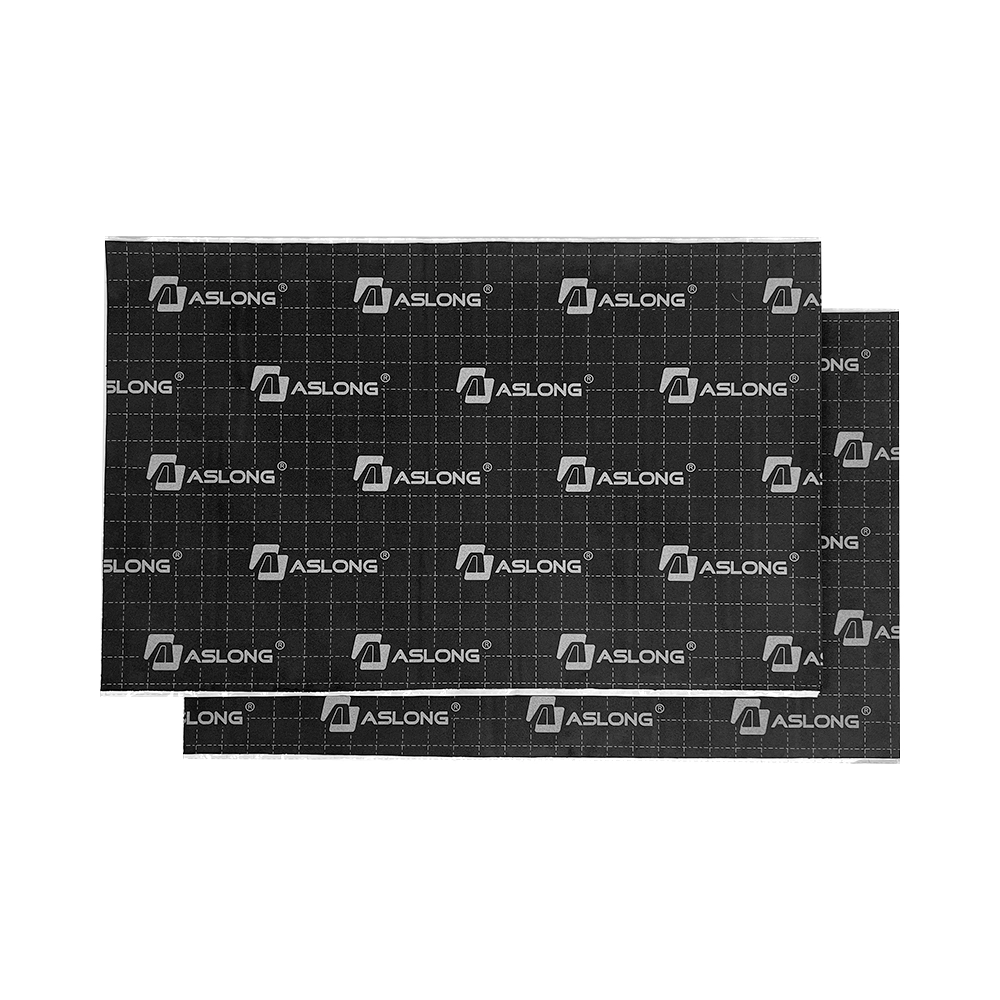
Where to Install Car Soundproofing Materials for Maximum Noise Reduction
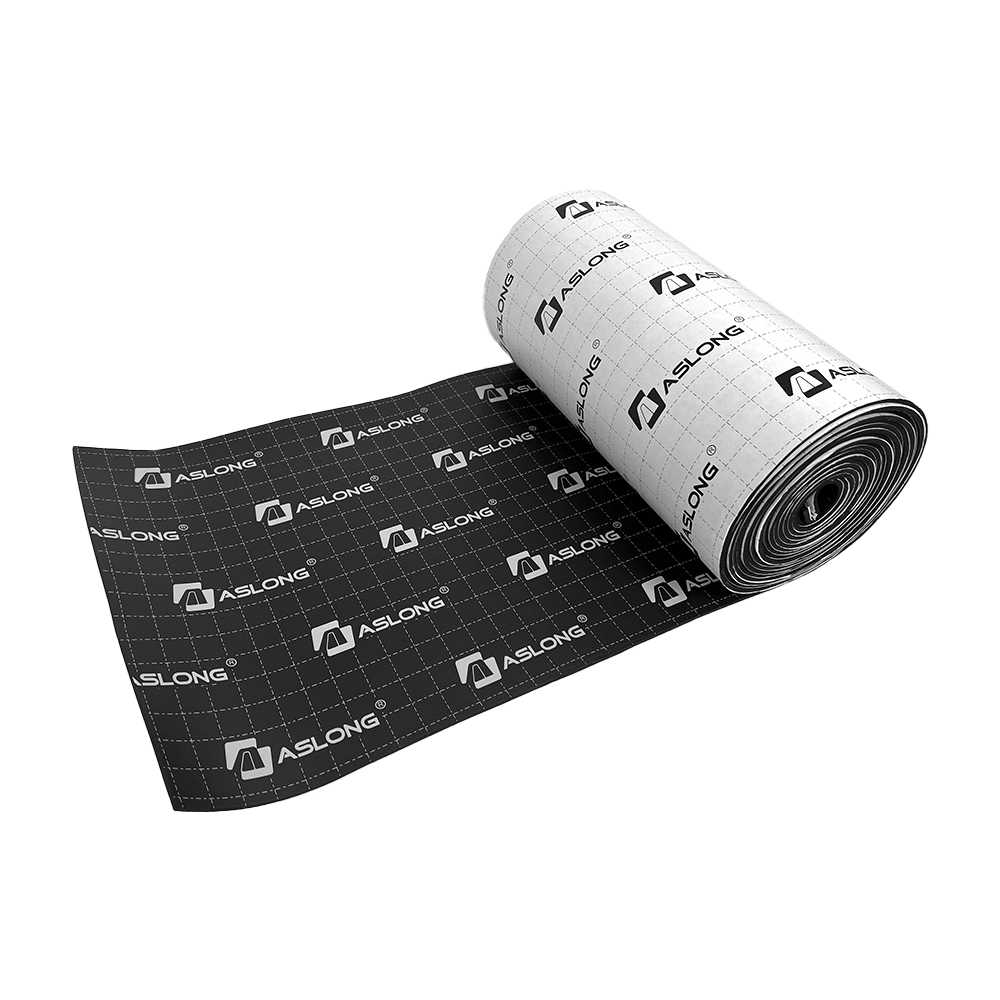
ASLONG Automotive Sound Insulation foam| Acoustic Noise Reduction & Thermal Insulation Material
ASLONG Automotive Sound Insulation Cotton is a lightweight acoustic and thermal insulation material designed to help reduce unwanted road noise, vibration-related noise, and heat transfer inside vehicles.
With its fibrous structure, the material helps absorb and diffuse sound energy, creating a quieter and more comfortable interior environment. It can also provide an additional layer of thermal insulation in areas exposed to engine heat, road heat, or temperature fluctuations.
The material is suitable for automotive soundproofing projects and can be used together with other insulation materials such as butyl sound deadening mats, aluminum foil, and acoustic foam to create a multi-layer noise and heat insulation system.
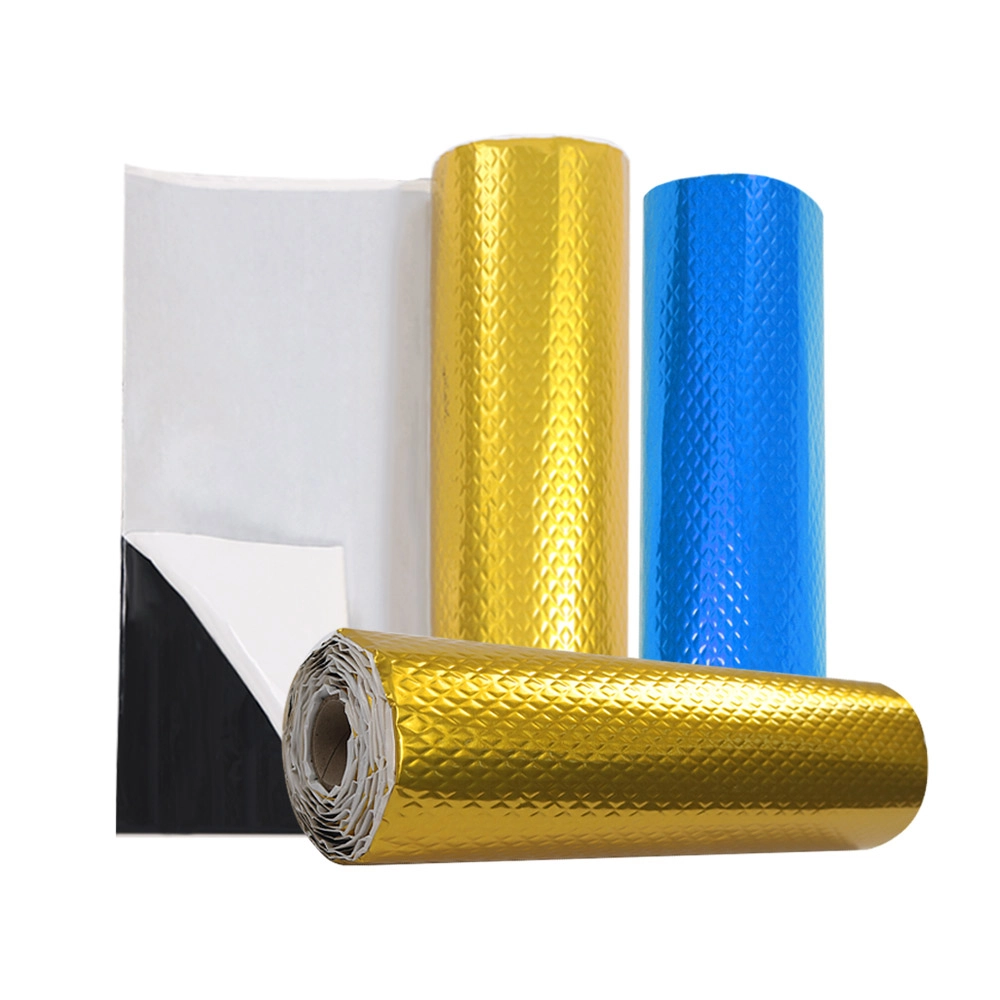
Butyl Rubber Sound Damping Mat
ASLONG Butyl Rubber Sound Damping Mat for sale. Effectively reduces noise and vibrations. High-quality butyl rubber ensures superior performance and durability. Ideal for automotive, industrial, and home applications.
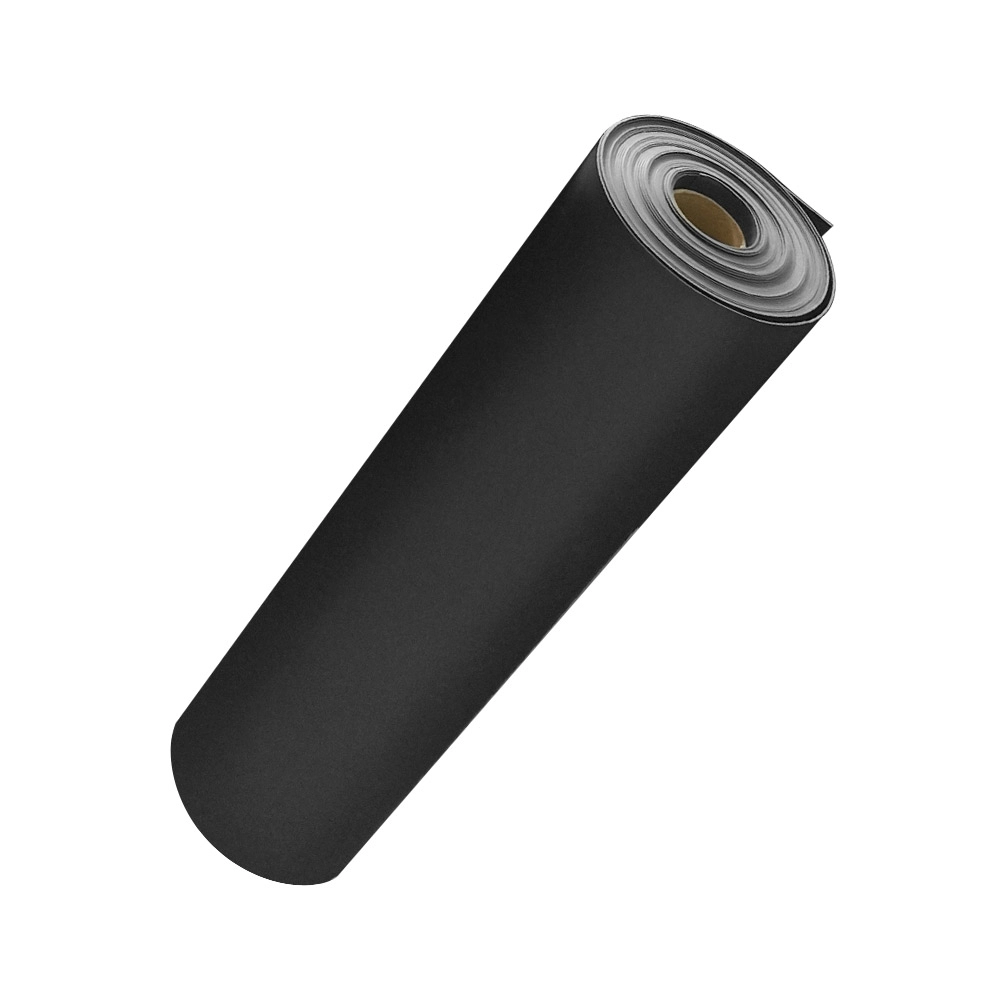
Mass Loaded Vinyl
ASLONG Mass Loaded Vinyl for sale. Reduce noise pollution effectively with our high-quality, mass-loaded vinyl. Ideal for soundproofing walls, floors, and more. Buy now and experience the difference!
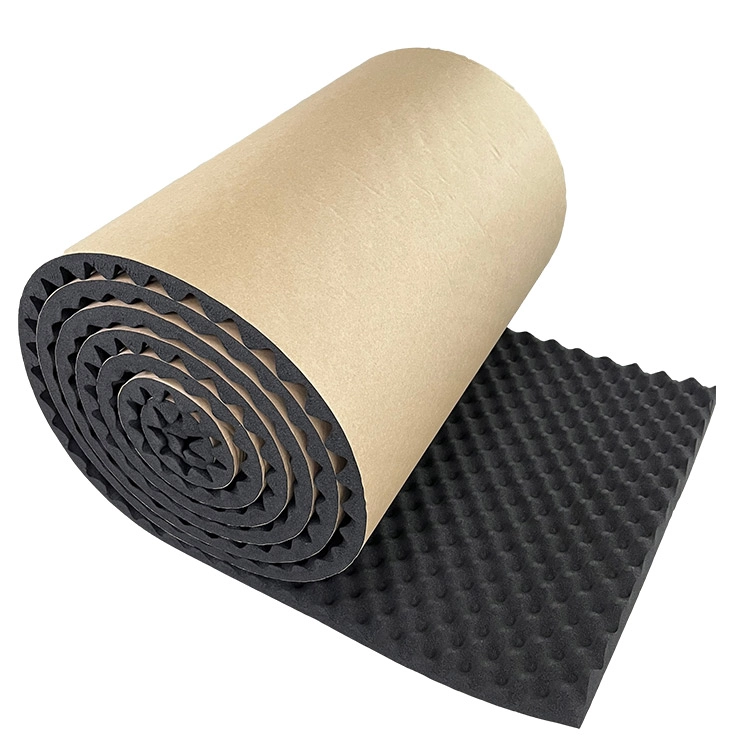
Egg Crate Foam
ASLONG Egg Crate Foam for sale. Lightweight, breathable, and comfortable, our egg crate foam provides superior support and pressure relief. Perfect for mattresses, cushions, cars, construction industry, KTV, factories, etc.
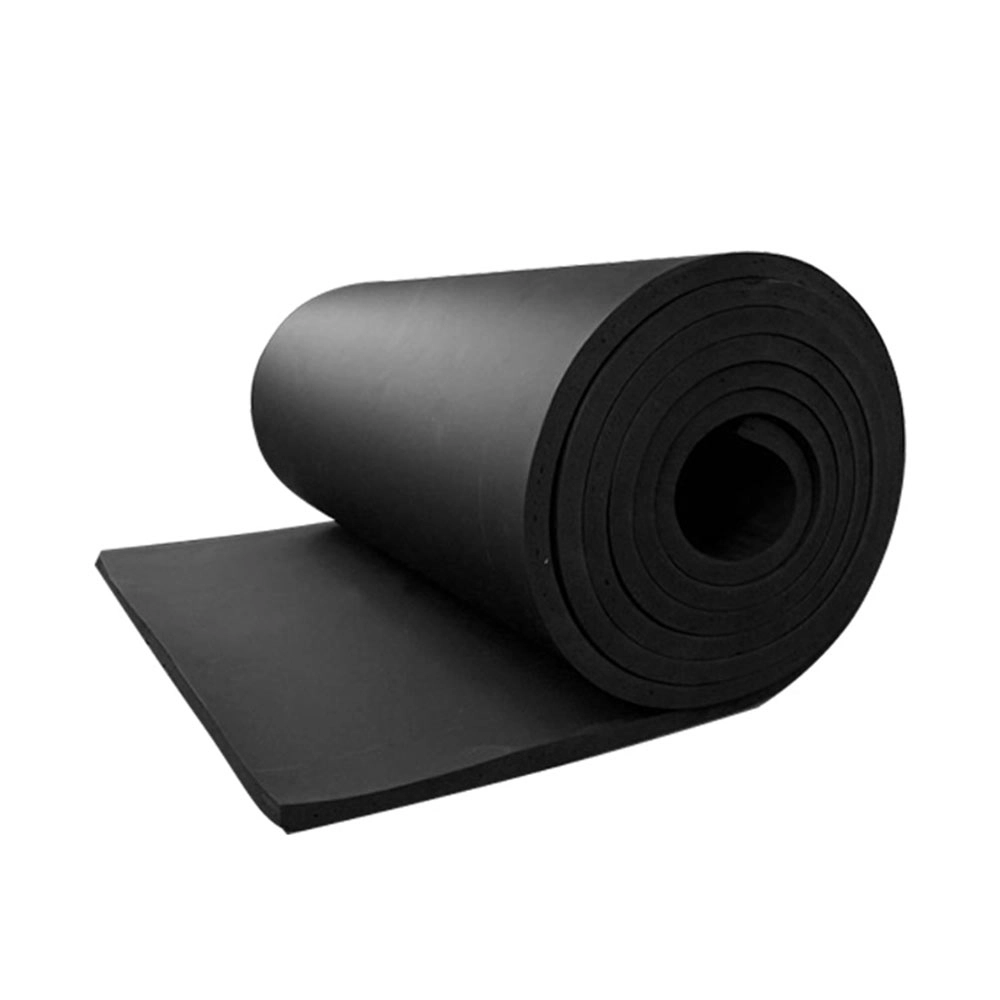
NBR Foam
ASLONG NBR Foam: Wholesale NBR foam solutions for diverse applications. High-quality, durable, and competitively priced. Contact us today for bulk orders.
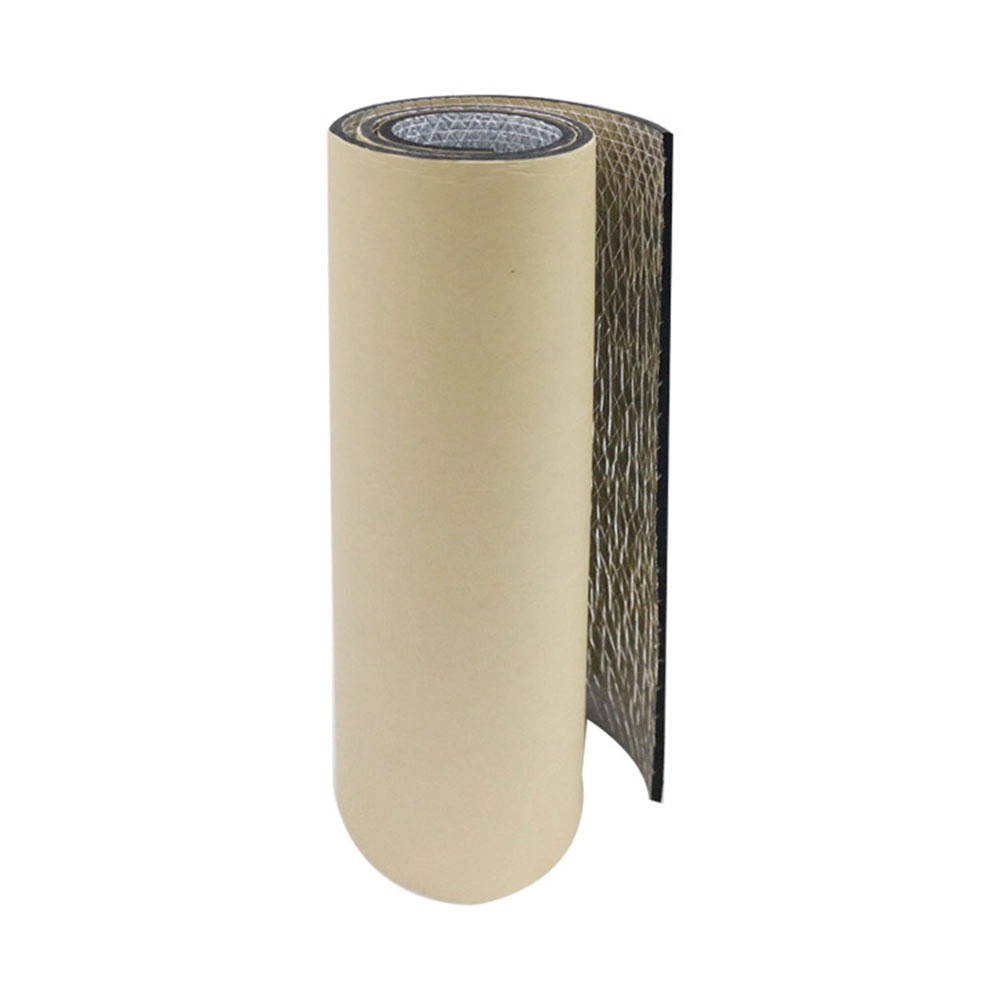
Multi layer Composite NBR foam
ASLONG's multi-layer composite NBR foam is your premium choice for superior cushioning and durability. Ideal for diverse applications, this high-quality NBR foam is available for sale now. Contact us for bulk orders.
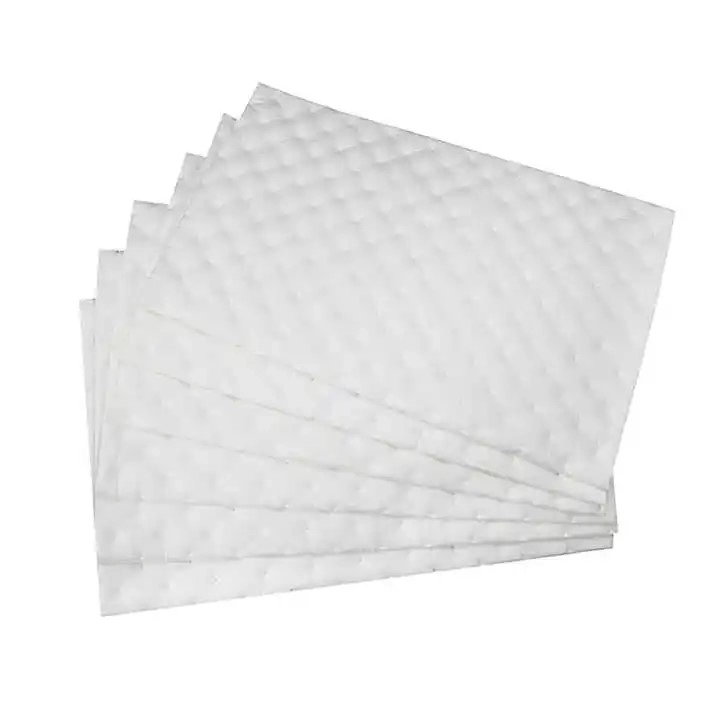
Sound Absorbing White Cotton
Sound-absorbing white cotton Made from PP and PET fibres by melt-blowing, special processes are used to achieve density diversification, sound absorption and noise reduction, thermal insulation, moisture-proof and mold resistance.
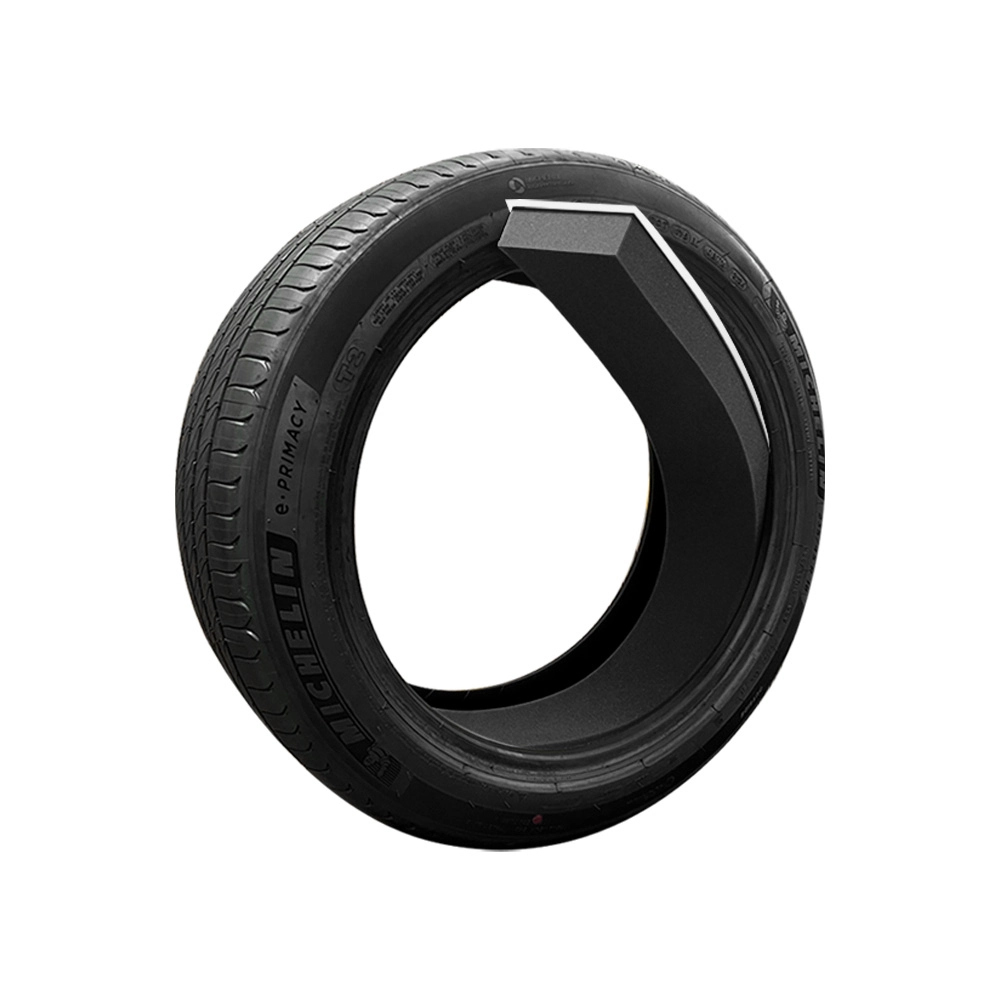
Puncture-Proof Soundproof Tire Foam, Self-Sealing Noise-Reducing Liner for Cars, Anti-Puncture Wheel Protection, Anti-Puncture Noise Reduction
Professional support at any time
Contact us for a free quote on our new soundproofing materials!
© 2026 ASLONG All Rights Reserved. Privacy Policy | Terms and Conditions | Sitemap

 It would be pleasure to receive from you.
Whatsapp: +8613242879341
ASLONG Global
ASLONG
Aslong_global