

Automotive Soundproofing: Materials, Methods and NVH Solutions
- Automotive Soundproofing: Materials, Methods and NVH Solutions
- What Is Automotive Soundproofing?
- Why Is Automotive Soundproofing Important?
- What Are the Main Types of Automotive Noise?
- How Does Automotive Soundproofing Work?
- Common Automotive Soundproofing Materials
- Soundproofing vs Sound Absorption vs Vibration Damping
- Where Are Automotive Soundproofing Materials Used?
- Why Multi-Layer Soundproofing Systems Are Effective
- Automotive Soundproofing for Electric Vehicles
- How to Choose Automotive Soundproofing Materials
- Conclusion
Automotive Soundproofing: Materials, Methods and NVH Solutions
Automotive soundproofing plays an important role in improving cabin comfort, reducing unwanted noise and creating a quieter driving environment. As modern vehicles become more refined and electric vehicles become increasingly popular, controlling road, tire, wind and structural noise has become a major focus of automotive NVH engineering.
Effective vehicle soundproofing is not based on one material alone. A complete solution usually combines vibration damping, sound insulation and acoustic absorption technologies to control different types of noise and vibration.
This article explains how automotive soundproofing works, the most common materials used, where they are installed and how manufacturers and aftermarket installers can develop an effective noise reduction system.
What Is Automotive Soundproofing?
Automotive soundproofing refers to the use of materials and engineering methods to reduce unwanted noise entering or being generated inside a vehicle cabin.
Depending on the noise source and transmission path, automotive soundproofing materials may be used to:
- Reduce panel vibration
- Block airborne noise
- Absorb reflected sound
- Reduce road and tire noise
- Control engine and powertrain noise
- Improve cabin acoustic comfort
- Reduce vibration transmitted through vehicle structures
A well-designed soundproofing system addresses both the noise source and the transmission path.
For more information about the relationship between soundproofing and NVH, see our guide to Automotive NVH and Soundproofing Materials.
Why Is Automotive Soundproofing Important?
Excessive noise can significantly affect driving comfort. Road and tire noise can become especially noticeable on highways, while engine and powertrain noise may be more obvious during acceleration.
Automotive soundproofing can help:
- Reduce cabin noise
- Improve passenger comfort
- Enhance the perceived quality of a vehicle
- Reduce vibration and panel resonance
- Improve audio system performance
- Create a quieter environment for conversations
- Improve the driving experience of EVs and passenger vehicles
For premium vehicles, commercial vehicles and aftermarket modifications, acoustic performance is becoming an increasingly important product feature.
What Are the Main Types of Automotive Noise?
Different noise sources require different control strategies.
Road Noise
Road noise is generated by the interaction between tires and the road surface. It can travel through the suspension, chassis, floor and other structural components before reaching the cabin.
Floor, wheel arch and underbody soundproofing can help reduce road noise.
Tire Noise
Tire noise includes both airborne tire noise and structure-borne vibration. The cavity inside a tire can also amplify certain frequencies.
For modern vehicles, especially EVs, tire noise has become increasingly important because electric powertrains produce less engine noise.
Engine and Powertrain Noise
Internal combustion engines generate mechanical vibration and airborne noise. Transmission and drivetrain components can also contribute to cabin noise.
Damping materials, barriers and acoustic absorption materials can be combined to control these sources.
Wind Noise
Wind noise becomes more noticeable as vehicle speed increases. It may enter through door seals, windows, mirrors and other areas around the vehicle body.
Wind noise control generally requires good vehicle sealing, aerodynamic design and appropriate acoustic insulation.
Structural Noise
Structural noise is transmitted through the vehicle body, chassis and other components. It can cause panels to vibrate and radiate sound into the cabin.
Vibration damping materials are particularly useful for controlling panel resonance.
How Does Automotive Soundproofing Work?
Automotive soundproofing generally uses three main technologies.
Vibration Damping
Damping materials reduce the vibration of metal panels and other structures.
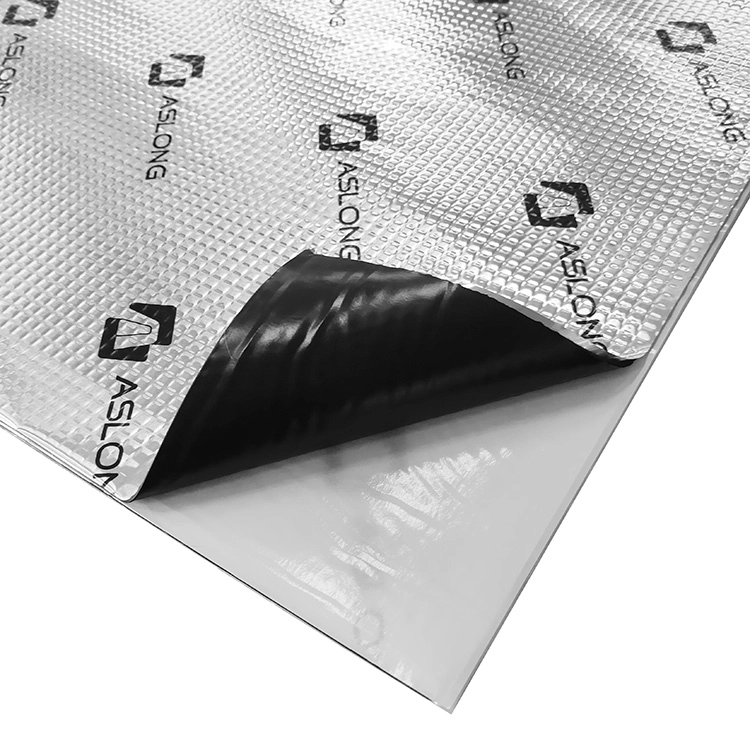
Butyl rubber damping sheets are commonly used on doors, floors, roofs, trunks and other vehicle panels.
When a panel vibrates, the damping layer helps dissipate vibration energy and reduce structure-borne noise.
Sound Insulation
Sound insulation materials create a barrier that makes it more difficult for sound energy to enter the passenger compartment.
Mass Loaded Vinyl, commonly known as MLV, is a typical example of a mass-based sound barrier.
It can be used in vehicle floors, doors, partitions and other areas where airborne noise needs to be reduced.
Sound Absorption
Sound absorption materials reduce reflected sound energy inside cavities and vehicle structures.
Common examples include acoustic foam, felt and sound-absorbing cotton.
Absorption materials are particularly useful for reducing reverberation and controlling high-frequency noise.
Common Automotive Soundproofing Materials
Butyl Rubber Damping Sheets
Butyl rubber damping materials are widely used in automotive sound deadening applications.
Typical benefits include:
- Excellent vibration damping
- Strong self-adhesion
- Waterproof performance
- Flexible installation
- Good resistance to temperature changes
- Easy cutting and forming
They are commonly installed on doors, floors, trunks, roofs and wheel arches.
Mass Loaded Vinyl
Mass Loaded Vinyl is a flexible, high-density sound barrier designed primarily to reduce airborne noise transmission.
Because of its high mass per unit area, MLV can be used where additional acoustic isolation is required.
Typical applications include vehicle floors, partitions, doors and other areas between the cabin and external noise sources.
Acoustic Foam
Acoustic foam is mainly used to absorb sound energy rather than block it.
It can help reduce reflected sound inside vehicle cavities and is often used together with damping and barrier materials.
Acoustic Felt
Acoustic felt provides sound absorption while also offering flexibility and relatively easy installation.
It can be used in interior trim, door panels, trunk areas and other acoustic treatment zones.
Sound Absorbing Cotton
Automotive acoustic cotton is commonly used in doors, roofs, floors, trunks and interior trim systems.
It can help absorb airborne sound and improve the overall acoustic performance of a multi-layer system.
Soundproofing vs Sound Absorption vs Vibration Damping
These three technologies perform different functions.
Vibration damping reduces structural vibration.
Sound insulation blocks or reduces the transmission of airborne sound.
Sound absorption absorbs sound energy and reduces reflections.
For this reason, using only one type of material may not provide the best overall result.
A multi-layer system can combine these functions to address different noise transmission paths.
Where Are Automotive Soundproofing Materials Used?
Common installation areas include:
- Vehicle doors
- Floor
- Roof
- Trunk
- Wheel arches
- Firewall
- Hood
- Engine compartment
- Underbody
- Interior trim panels
The best installation strategy depends on the vehicle structure, noise source and target frequency range.
Why Multi-Layer Soundproofing Systems Are Effective
A multi-layer system can combine several acoustic functions.
For example:
Metal panel → Butyl damping layer → Acoustic absorption layer → Sound barrier → Interior trim
The damping layer controls structural vibration, while the absorption and barrier layers help control airborne sound.
This approach is particularly useful when several different noise sources affect the vehicle cabin.
Automotive Soundproofing for Electric Vehicles
Electric vehicles create new challenges for NVH engineering.
Because electric motors are generally quieter than internal combustion engines, other noise sources become more noticeable.
These may include:
- Tire-road interaction
- Road surface noise
- Wind noise
- Suspension vibration
- Motor electromagnetic noise
- High-frequency component noise
As a result, EV manufacturers and aftermarket suppliers are increasingly focusing on lightweight acoustic materials, tire noise reduction and advanced NVH solutions.
How to Choose Automotive Soundproofing Materials
When selecting an automotive soundproofing material, consider:
- Noise source — Identify whether the main problem is road, tire, engine, wind or structural noise.
- Transmission path — Determine whether the noise is airborne or structure-borne.
- Installation location — Doors, floors, roofs and wheel arches may require different materials.
- Thickness and weight — Material performance should be balanced against vehicle weight.
- Temperature resistance — Materials should be suitable for the intended application environment.
- Adhesion — Strong and durable adhesion is important for long-term performance.
- Moisture resistance — Waterproof or moisture-resistant materials are preferred in many automotive applications.
Conclusion
Automotive soundproofing is a system rather than a single material. Effective noise reduction usually requires a combination of vibration damping, sound insulation and acoustic absorption.
Butyl rubber damping sheets, Mass Loaded Vinyl, acoustic foam, felt and sound-absorbing cotton each provide different acoustic functions.
By selecting the appropriate materials and installation locations, automotive manufacturers and aftermarket installers can develop more effective solutions for reducing road, tire, engine and structural noise.

Mass Loaded Vinyl for Buildings: Soundproofing Guide
Composite Sound Insulation Materials: Multilayer Acoustic Solutions for Noise Control
Where to Install Car Soundproofing Materials for Maximum Noise Reduction
How Car Soundproofing Materials Reduce Road, Tire and Engine Noise
How Does Butyl Sound Deadening Mat Thickness Affect Noise and Vibration Reduction?
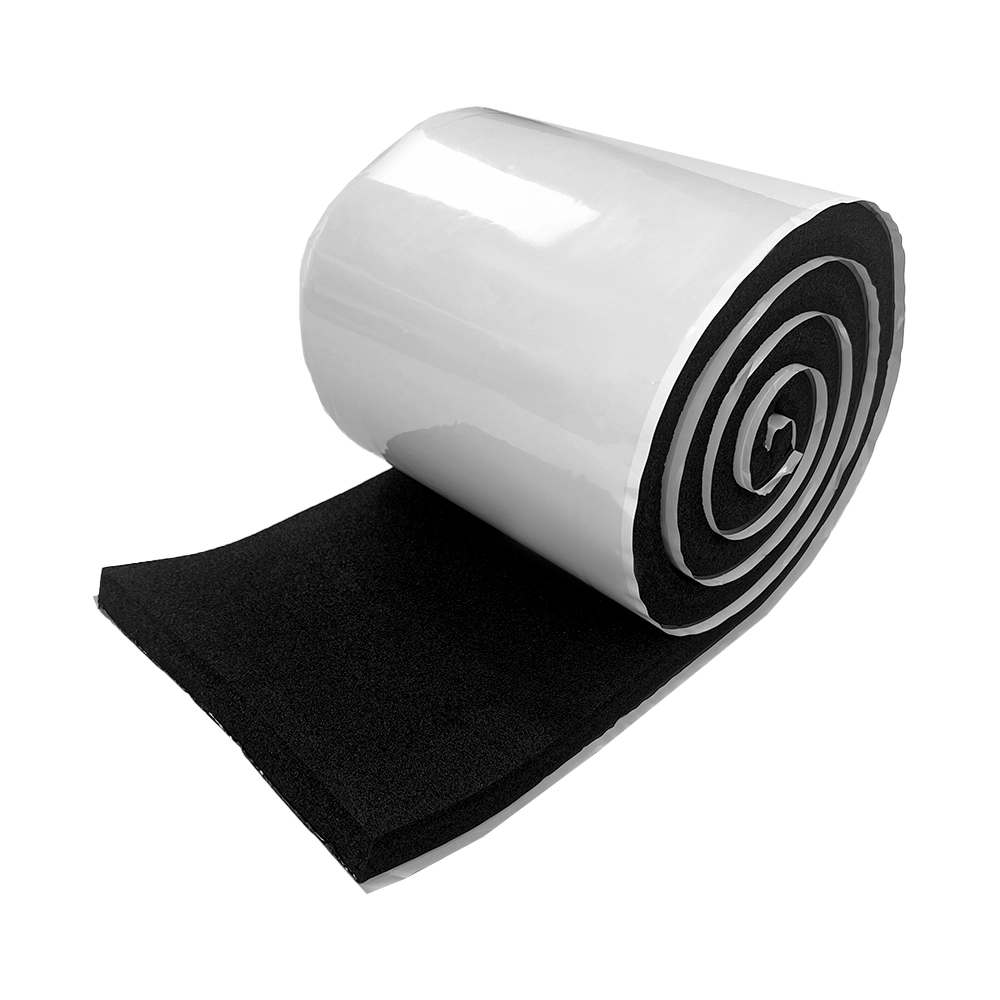
Tire Magic Pad – Puncture Resistant & Tire Noise Reduction Foam
Tire Magic Pad by ASLONG is designed to reduce tire punctures and minimize road noise. This durable foam inserts inside tires to enhance safety and comfort, providing reliable puncture resistance without compromising performance.
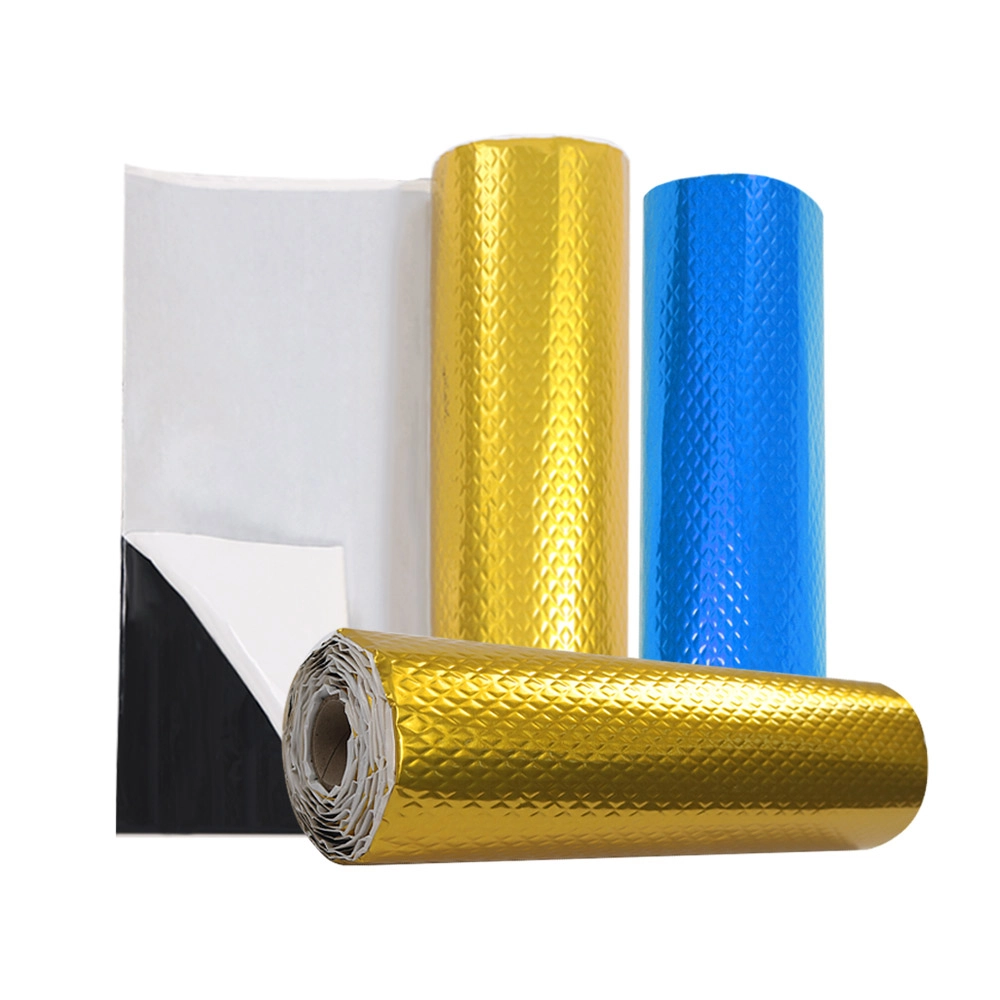
Butyl Rubber Sound Damping Mat
ASLONG Butyl Rubber Sound Damping Mat for sale. Effectively reduces noise and vibrations. High-quality butyl rubber ensures superior performance and durability. Ideal for automotive, industrial, and home applications.
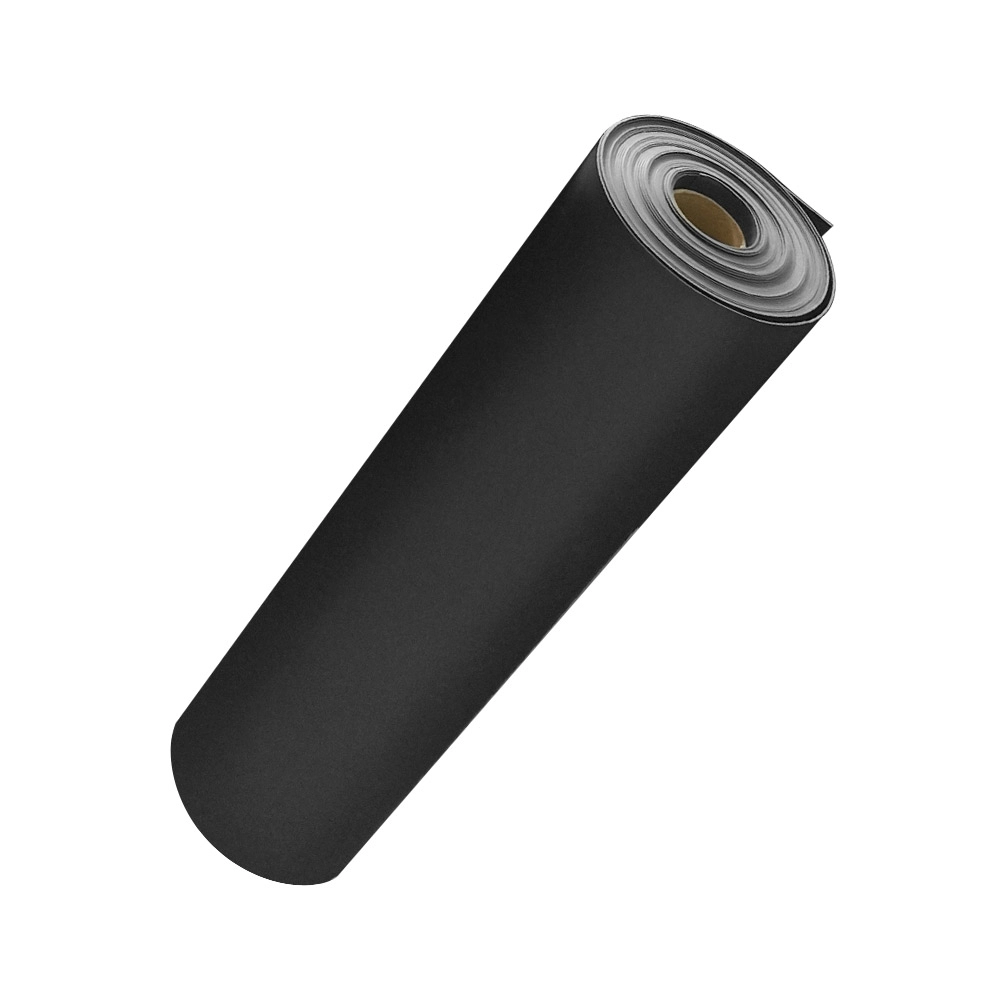
Mass Loaded Vinyl
ASLONG Mass Loaded Vinyl for sale. Reduce noise pollution effectively with our high-quality, mass-loaded vinyl. Ideal for soundproofing walls, floors, and more. Buy now and experience the difference!
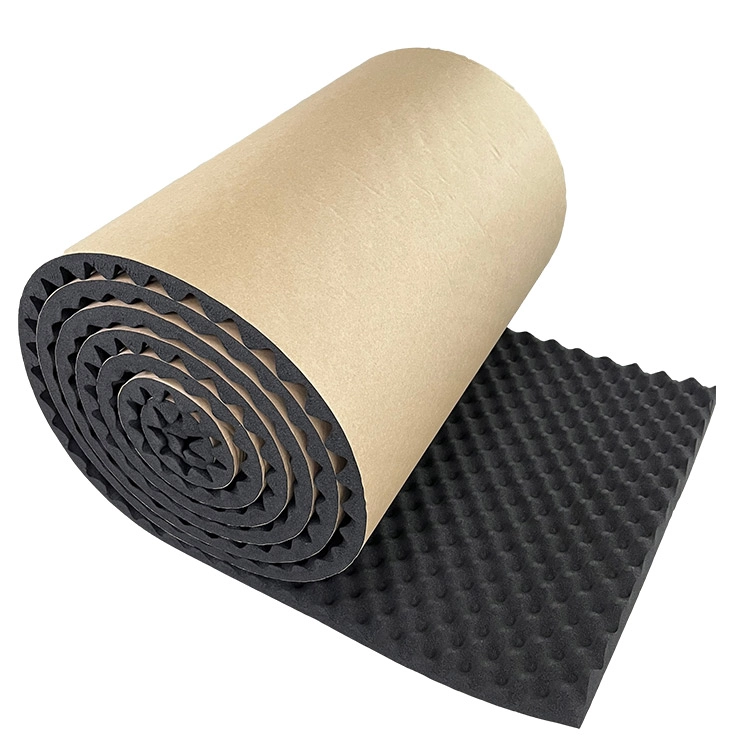
Egg Crate Foam
ASLONG Egg Crate Foam for sale. Lightweight, breathable, and comfortable, our egg crate foam provides superior support and pressure relief. Perfect for mattresses, cushions, cars, construction industry, KTV, factories, etc.
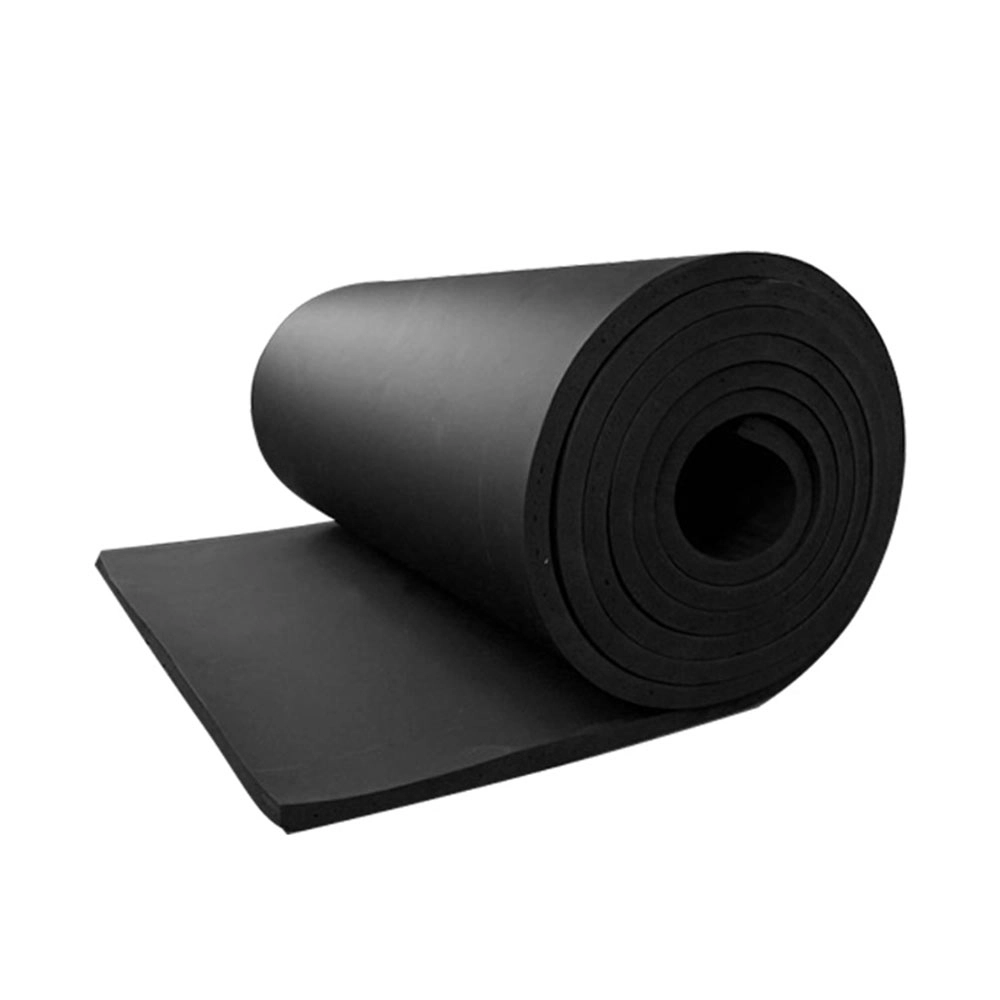
NBR Foam
ASLONG NBR Foam: Wholesale NBR foam solutions for diverse applications. High-quality, durable, and competitively priced. Contact us today for bulk orders.
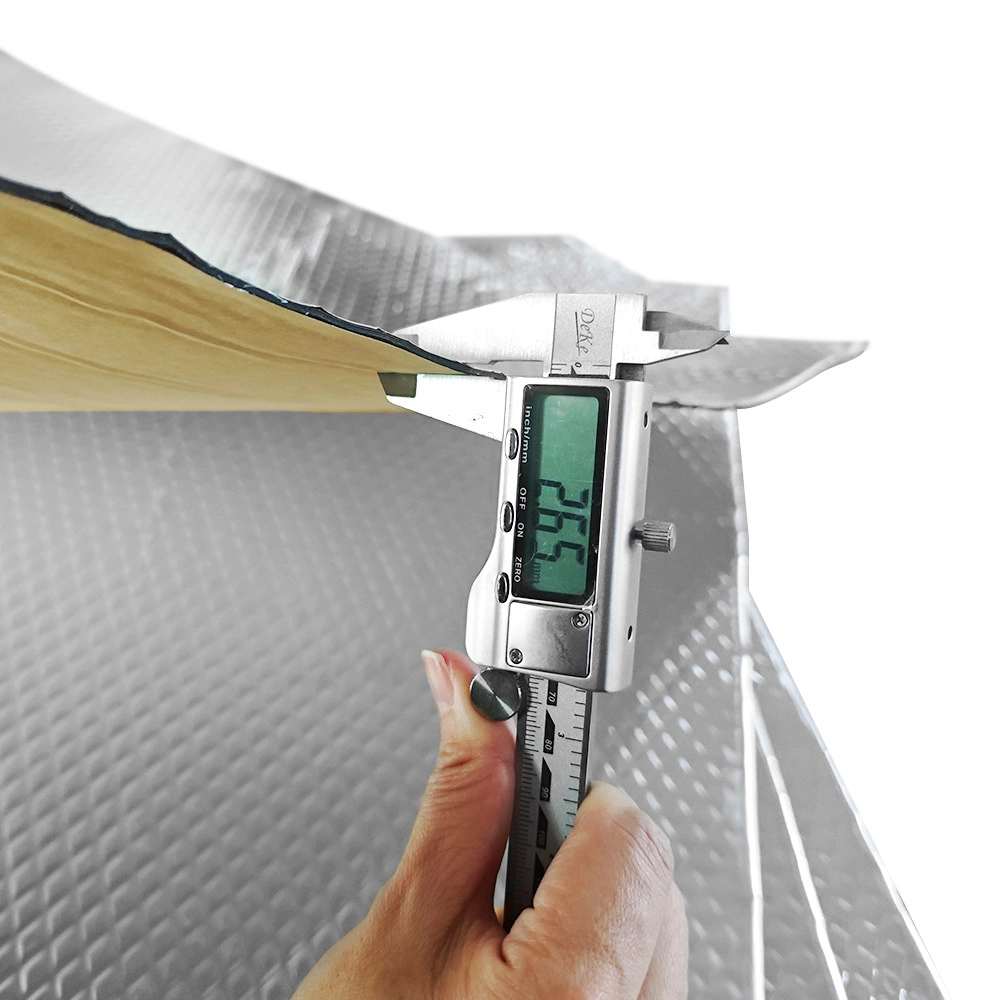
Car Sound Damping Sheet
Discover the ASLONG Car Sound Damping Sheet—High Quality sound damping material designed to reduce road noise and vibration. Improve your driving comfort with this easy-to-install, durable car sound damping sheet for superior sound insulation.

Car Sound Deadener Speaker Foam Rings
Sound speaker foam rings are essential acoustic accessories designed to enhance speaker performance by improving sound focus and reducing unwanted vibrations. Installed around the speaker driver, these foam rings help to create a better seal between the speaker and the mounting surface, ensuring that more sound energy is directed forward rather than lost in reflections or leakage.
Professional support at any time
Contact us for a free quote on our new soundproofing materials!
© 2026 ASLONG All Rights Reserved. Privacy Policy | Terms and Conditions | Sitemap

 It would be pleasure to receive from you.
Whatsapp: +8613242879341
ASLONG Global
ASLONG
Aslong_global