

Automotive Sound Deadening Mat for Car Noise & Heat Insulation
Learn how automotive sound deadening and heat insulation mats help reduce vehicle noise, vibration and heat. Discover applications, benefits, installation tips and OEM customization options.
- Automotive Sound Deadening and Heat Insulation Mat: A Complete Guide
- What Is an Automotive Sound Deadening Mat?
- Why Is Sound Deadening Important for Modern Vehicles?
- Automotive Sound Deadening and Heat Insulation in One Material
- Key Features of an Aluminum Foil Automotive Insulation Mat
- 1. Embossed Aluminum Foil Surface
- 2. Self-Adhesive Backing
- How Does Automotive Sound Insulation Work?
- FAQ
Automotive Sound Deadening and Heat Insulation Mat: A Complete Guide
Vehicle comfort is becoming increasingly important for both automobile manufacturers and aftermarket customers. Road noise, tire noise, vibration, engine noise and heat entering the cabin can all affect the driving experience.
For this reason, automotive sound deadening and heat insulation materials are widely used in vehicle interiors and body panels.
An automotive insulation mat can provide a practical solution for applications where noise reduction, vibration control and thermal insulation are required. Depending on the material construction, thickness and installation location, these products can be used in areas such as car doors, floors, roofs, trunks, wheel arches and other interior panels.
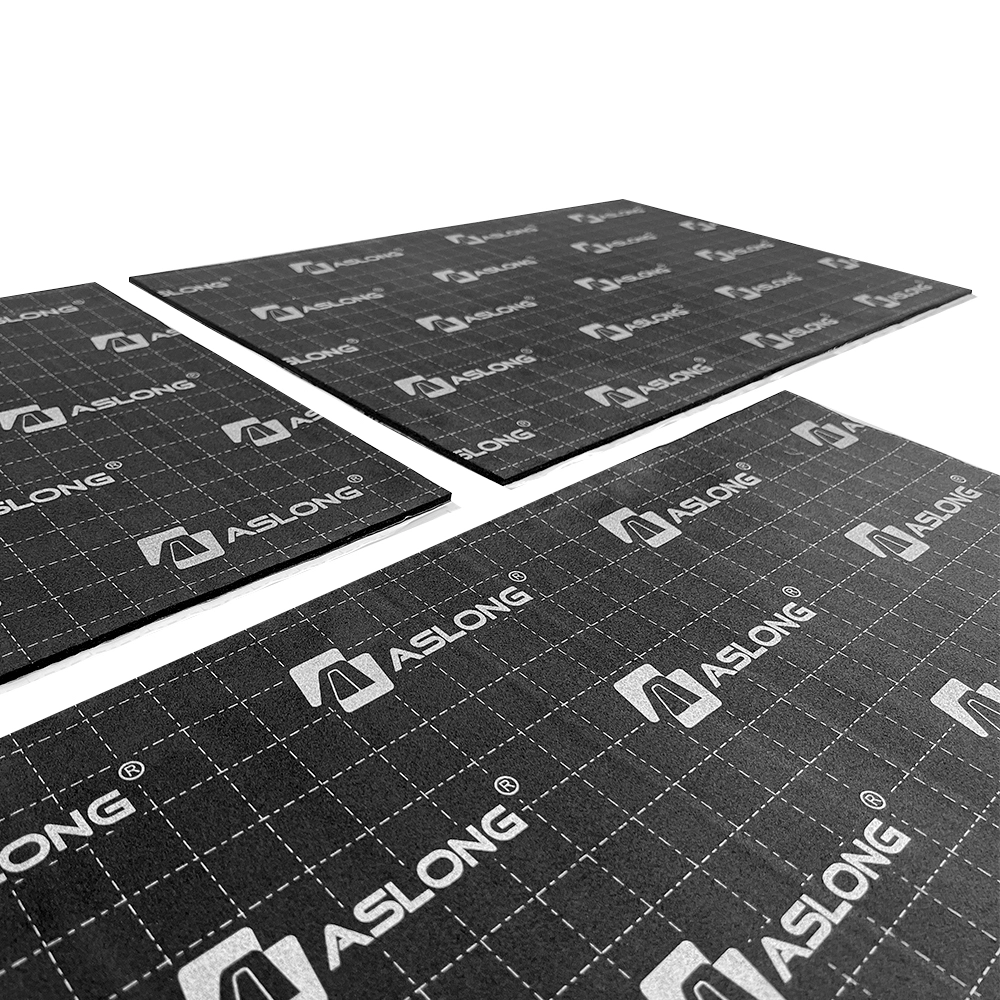
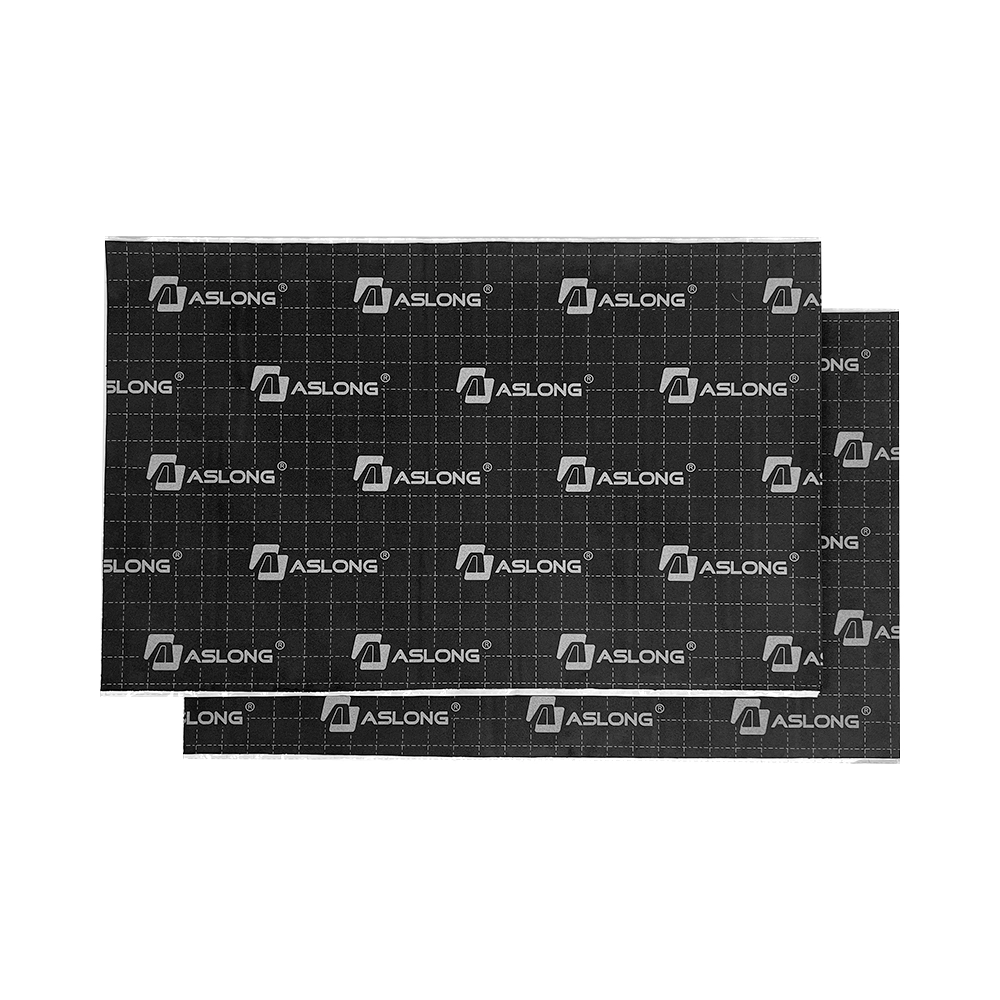
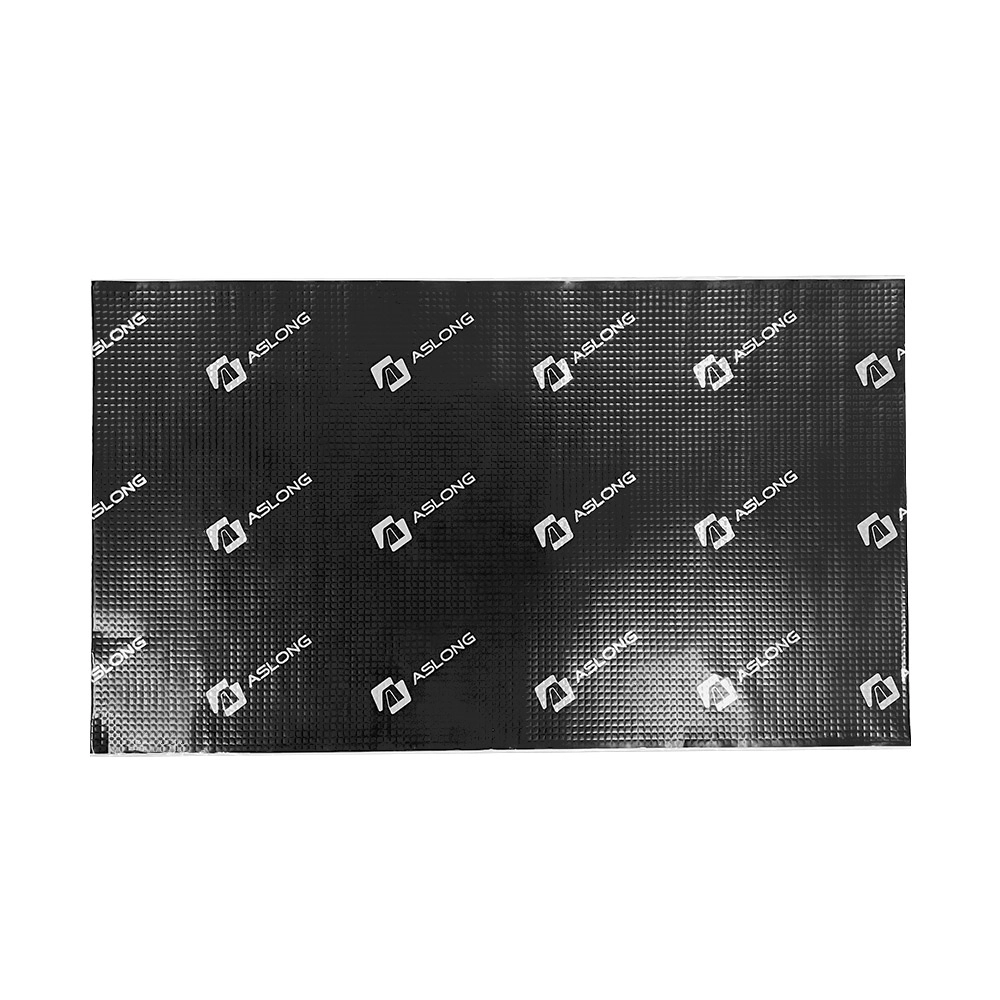
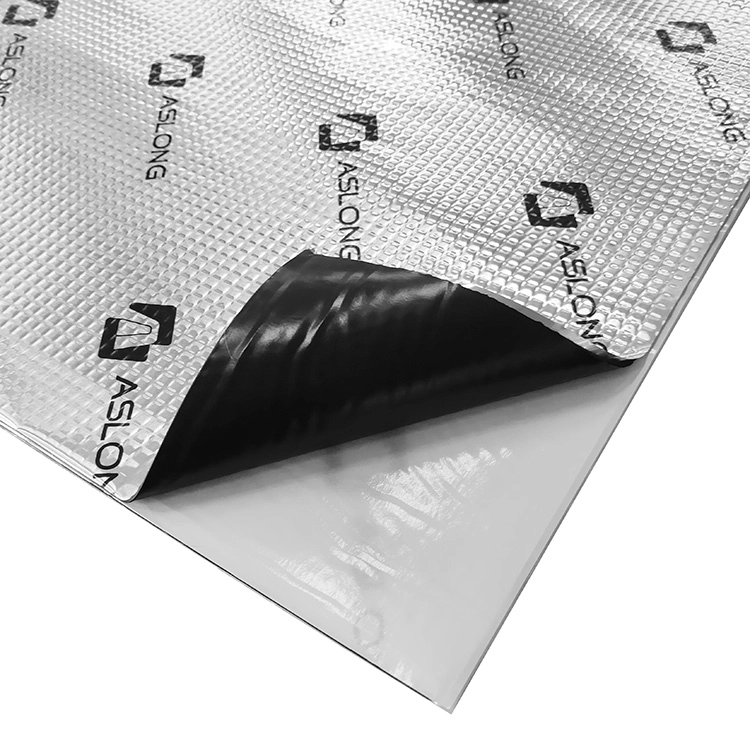
The product shown here features an embossed aluminum foil surface and self-adhesive backing, providing a convenient sheet-type solution for automotive acoustic and thermal insulation applications.
What Is an Automotive Sound Deadening Mat?
An automotive sound deadening mat is a material designed to improve the acoustic environment inside a vehicle by controlling unwanted vibration and noise.
Vehicle noise can come from many different sources, including:
- Road surface noise
- Tire noise
- Engine and transmission noise
- Suspension noise
- Wind noise
- Panel vibration
- Exhaust and underbody noise
- Noise transmitted through the vehicle body
When a vehicle is moving, vibrations can travel through metal body panels and other structural components. These vibrations can cause panels to resonate, increasing the amount of noise perceived inside the cabin.
Installing an appropriate car sound deadening material on suitable vehicle panels can help control these vibrations and reduce the transmission of unwanted noise.
However, sound insulation is not simply about making a material thicker. The overall performance depends on the material structure, density, flexibility, thickness, installation area and contact with the vehicle panel.
Why Is Sound Deadening Important for Modern Vehicles?
Modern vehicles contain more electronic systems, lighter body structures and increasingly sophisticated interior designs. At the same time, customers expect a quiet and comfortable driving environment.
A vehicle with insufficient acoustic treatment may allow excessive road and tire noise to enter the cabin.
This is particularly noticeable when:
- Driving on rough roads
- Driving at highway speeds
- Using high-performance or larger tires
- Driving vehicles with limited factory insulation
- Driving on concrete or coarse asphalt surfaces
- Operating a vehicle with large metal body panels
By applying suitable automotive acoustic insulation materials, manufacturers and aftermarket installers can target specific areas where noise and vibration are most noticeable.
Automotive Sound Deadening and Heat Insulation in One Material
One of the advantages of combining acoustic and thermal insulation is that the same material can address more than one source of discomfort.
In addition to noise, heat can enter the vehicle through the body structure.
Heat sources may include:
- Direct sunlight
- Hot road surfaces
- Engine compartment heat
- Exhaust system heat
- Transmission and drivetrain heat
- High ambient temperatures
An automotive heat insulation mat can help reduce heat transfer through appropriate vehicle panels.
The embossed aluminum foil surface used on this type of product also provides a reflective surface that can help reduce radiant heat transfer.
Therefore, a properly designed automotive insulation system can contribute to a more comfortable interior environment.
Key Features of an Aluminum Foil Automotive Insulation Mat
1. Embossed Aluminum Foil Surface
The aluminum foil surface gives the product a distinctive silver appearance and provides an additional functional layer.
The embossed texture can also improve the visual appearance of the material and provide a more technical finish compared with a plain foil surface.
For automotive applications, aluminum foil facing can be particularly useful where the product needs to provide both thermal insulation and a durable surface layer.
2. Self-Adhesive Backing
The product is designed with a self-adhesive backing, allowing it to be installed directly onto a properly prepared surface.
The installation process generally involves:
- 1.Measuring the application area
- 2.Cutting the material to the required shape
- 3.Cleaning the vehicle surface
- 4.Removing the release liner
- 5.Positioning the material
- 6.Pressing the material firmly onto the surface
A self-adhesive construction can simplify installation because an additional adhesive application step may not be required.
However, surface preparation is extremely important.
Dust, oil, grease, moisture and other contaminants can reduce adhesive contact and affect long-term bonding performance.
Where Can Automotive Sound Deadening Mats Be Used?
Different parts of a vehicle produce different types of noise and heat. Therefore, automotive insulation materials can be installed in multiple locations depending on the desired result.
Car Doors
Car doors contain relatively large metal panels that can vibrate during driving.
Installing sound deadening material in appropriate door areas can help control panel vibration and improve the acoustic environment.
Door applications are particularly common in automotive aftermarket soundproofing projects.
Vehicle Floor
The vehicle floor is exposed to road noise, tire noise and vibration transmitted from the road and chassis.
A suitable car floor insulation mat can be used as part of a multi-layer acoustic treatment system.
Floor insulation can be especially useful for vehicles frequently driven on highways or rough roads.
Car Roof
The roof can be exposed to direct sunlight and external environmental noise.
Using a suitable automotive roof insulation material can help address both thermal and acoustic requirements.
This application can be particularly relevant in hot climates where solar heat contributes significantly to cabin temperature.
Trunk and Rear Compartment
The trunk area can transmit road and tire noise into the passenger compartment.
Installing an appropriate trunk sound deadening mat can help reduce vibration from large body panels and improve overall vehicle acoustic comfort.
Wheel Arches
Wheel arches are relatively close to the tires and therefore can receive significant tire and road noise.
A suitable acoustic treatment system around the wheel arch area can help reduce the transmission of tire and road noise into the vehicle cabin.
Engine Hood and Other Heat-Exposed Areas
Certain automotive insulation materials can also be considered for heat-related applications around the engine compartment, provided that the material construction is suitable for the required temperature and environment.
The actual suitability should always be evaluated according to the material's temperature resistance, adhesive system and installation conditions.
How Does Automotive Sound Insulation Work?
It is important to understand that automotive acoustic insulation is a system rather than a single universal solution.
Different materials work in different ways.
Vibration Damping
Some materials are designed to reduce the vibration of metal panels.
When a metal panel vibrates, it can behave like a large speaker diaphragm and radiate sound into the cabin.
A suitable damping material can help reduce this unwanted panel movement.
Sound Absorption
Porous acoustic materials can absorb part of the sound energy within an enclosed space.
Foam and fiber-based materials are commonly used for this purpose.
Sound Blocking
Mass-based materials can help reduce the transmission of airborne sound from one side of a structure to another.
This is why automotive acoustic systems often combine different material types rather than relying on a single layer.
Thermal Insulation
Thermal insulation materials help reduce heat transfer through the vehicle structure.
Aluminum foil can also contribute to radiant heat reflection when used appropriately.
FAQ
What is an automotive sound deadening mat?
An automotive sound deadening mat is a material used to help control vehicle vibration and unwanted noise. It can be installed on suitable vehicle body panels such as doors, floors, roofs and trunks.
Where should I install car sound deadening material?
Common installation areas include doors, floors, roofs, trunks, wheel arches and other suitable interior or body panels.
Can the aluminum foil surface be customized?
Depending on the project, aluminum foil thickness, embossing pattern, surface finish and printing can potentially be customized.

Mass Loaded Vinyl for Buildings: Soundproofing Guide
Composite Sound Insulation Materials: Multilayer Acoustic Solutions for Noise Control
Where to Install Car Soundproofing Materials for Maximum Noise Reduction
How Car Soundproofing Materials Reduce Road, Tire and Engine Noise
How Does Butyl Sound Deadening Mat Thickness Affect Noise and Vibration Reduction?
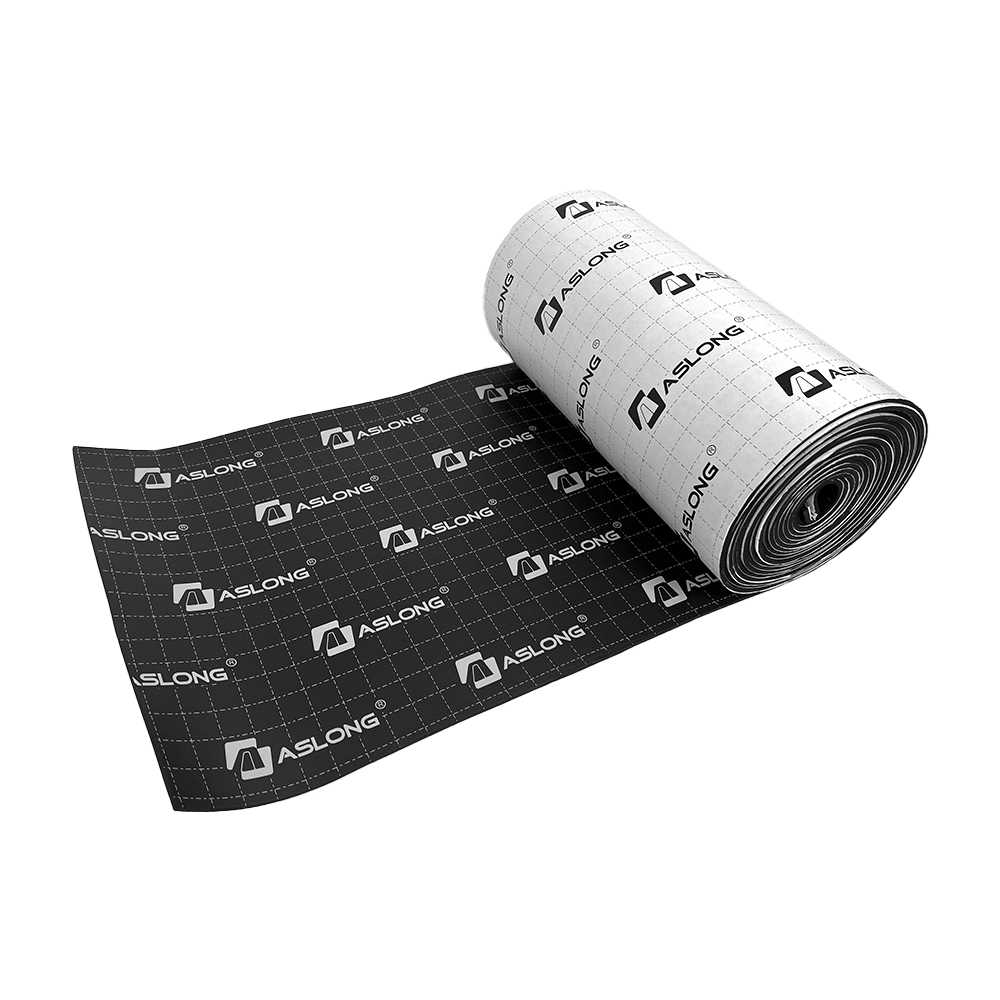
ASLONG Automotive Sound Insulation foam| Acoustic Noise Reduction & Thermal Insulation Material
ASLONG Automotive Sound Insulation Cotton is a lightweight acoustic and thermal insulation material designed to help reduce unwanted road noise, vibration-related noise, and heat transfer inside vehicles.
With its fibrous structure, the material helps absorb and diffuse sound energy, creating a quieter and more comfortable interior environment. It can also provide an additional layer of thermal insulation in areas exposed to engine heat, road heat, or temperature fluctuations.
The material is suitable for automotive soundproofing projects and can be used together with other insulation materials such as butyl sound deadening mats, aluminum foil, and acoustic foam to create a multi-layer noise and heat insulation system.
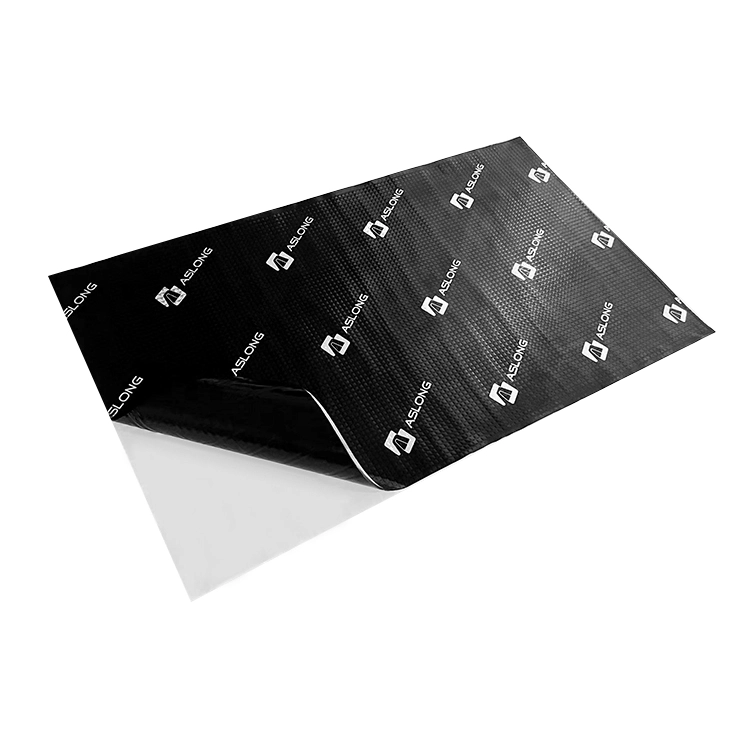
Automotive Sound Deadening Mat for Doors Floor Roof | Butyl Rubber Vibration Damper
High-density butyl rubber sound deadening mat designed to reduce road noise, vibration and resonance. Ideal for car doors, floors, roofs and trunk. Easy DIY installation, long-lasting performance.
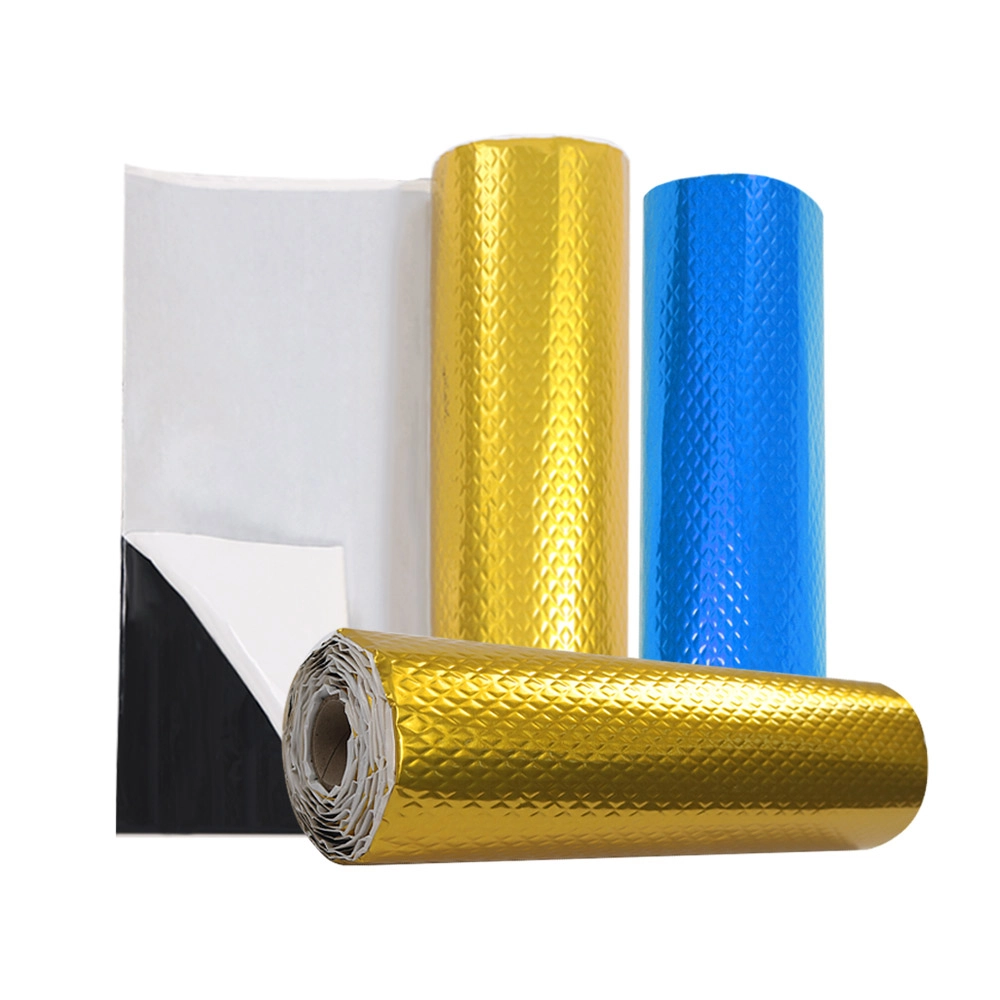
Butyl Rubber Sound Damping Mat
ASLONG Butyl Rubber Sound Damping Mat for sale. Effectively reduces noise and vibrations. High-quality butyl rubber ensures superior performance and durability. Ideal for automotive, industrial, and home applications.
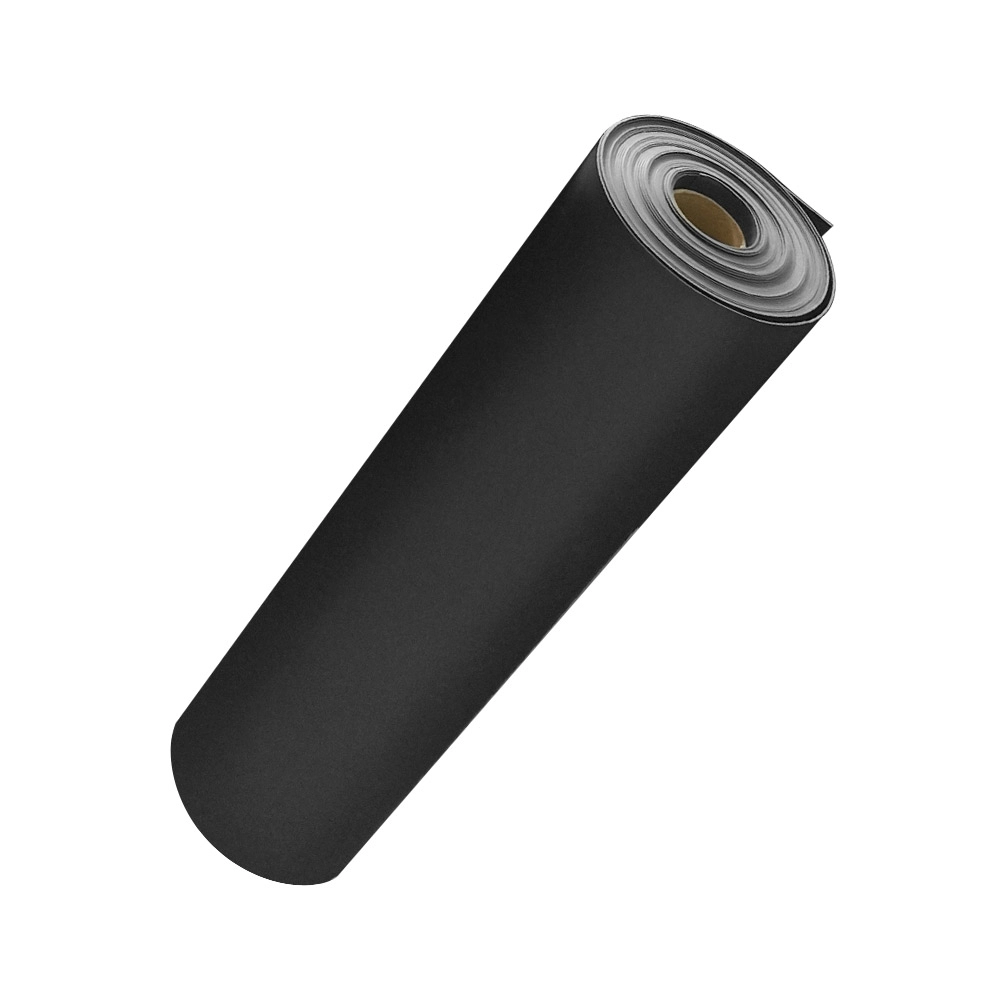
Mass Loaded Vinyl
ASLONG Mass Loaded Vinyl for sale. Reduce noise pollution effectively with our high-quality, mass-loaded vinyl. Ideal for soundproofing walls, floors, and more. Buy now and experience the difference!
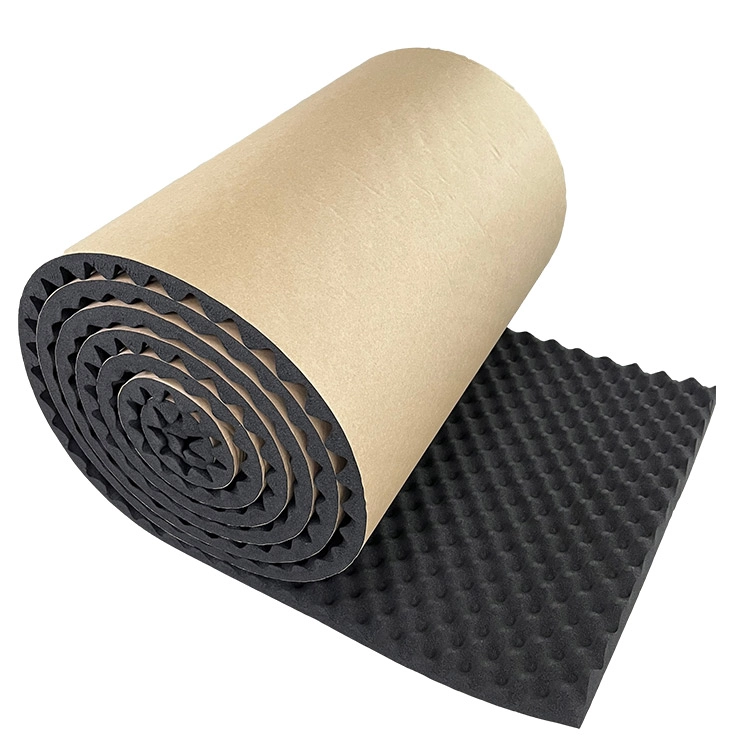
Egg Crate Foam
ASLONG Egg Crate Foam for sale. Lightweight, breathable, and comfortable, our egg crate foam provides superior support and pressure relief. Perfect for mattresses, cushions, cars, construction industry, KTV, factories, etc.
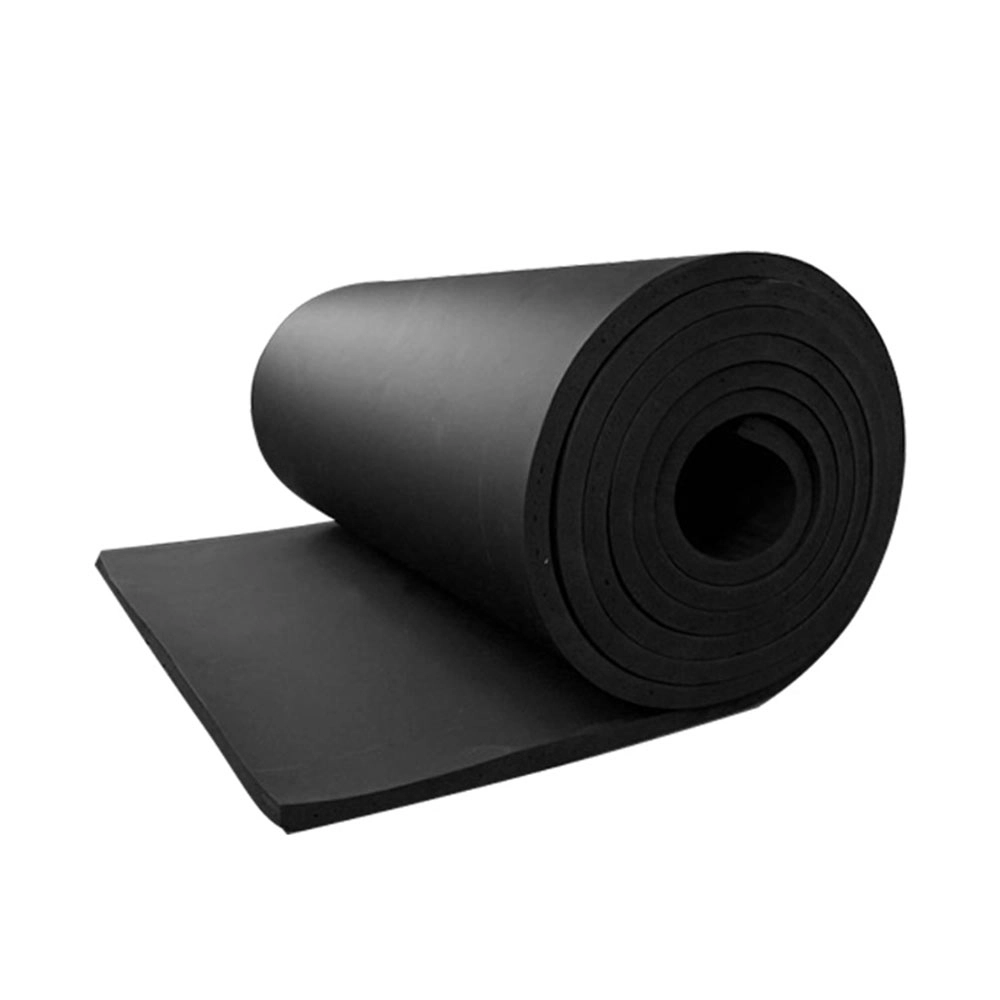
NBR Foam
ASLONG NBR Foam: Wholesale NBR foam solutions for diverse applications. High-quality, durable, and competitively priced. Contact us today for bulk orders.
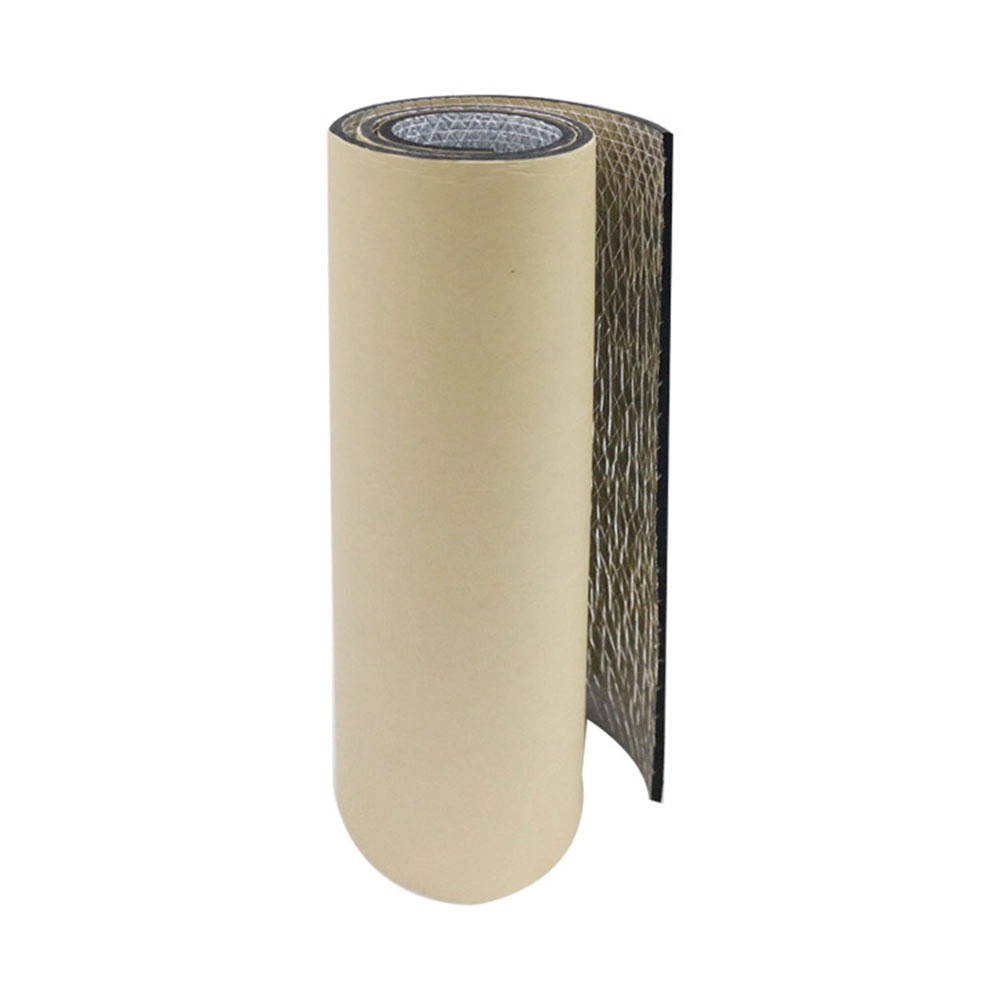
Multi layer Composite NBR foam
ASLONG's multi-layer composite NBR foam is your premium choice for superior cushioning and durability. Ideal for diverse applications, this high-quality NBR foam is available for sale now. Contact us for bulk orders.
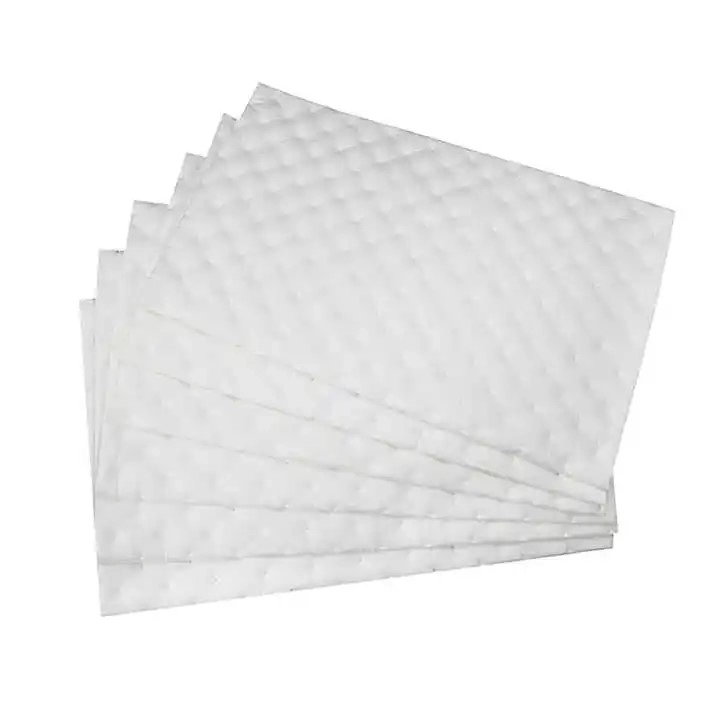
Sound Absorbing White Cotton
Sound-absorbing white cotton Made from PP and PET fibres by melt-blowing, special processes are used to achieve density diversification, sound absorption and noise reduction, thermal insulation, moisture-proof and mold resistance.
Professional support at any time
Contact us for a free quote on our new soundproofing materials!
© 2026 ASLONG All Rights Reserved. Privacy Policy | Terms and Conditions | Sitemap

 It would be pleasure to receive from you.
Whatsapp: +8613242879341
ASLONG Global
ASLONG
Aslong_global