

Automotive NVH: What It Is and How Soundproofing Materials Help
Understand automotive NVH, including noise, vibration and harshness, and learn how damping, sound insulation and acoustic materials improve vehicle comfort.
- Automotive NVH: What It Is and How Soundproofing Materials Help
- What Does NVH Mean in Automotive Engineering?
- What Are the Main Sources of Automotive NVH?
- How Does Noise Travel Through a Vehicle?
- How Do Damping Materials Improve NVH?
- How Do Sound Insulation Materials Improve NVH?
- How Do Acoustic Absorption Materials Improve NVH?
- Why Is NVH Control Important for Electric Vehicles?
- How Do Automotive NVH Materials Work Together?
- How to Develop an Effective Automotive NVH Strategy?
- Conclusion
- FAQ
Automotive NVH: What It Is and How Soundproofing Materials Help
Automotive NVH stands for Noise, Vibration and Harshness. It is one of the most important areas of vehicle engineering because NVH performance directly affects driving comfort, perceived quality and passenger experience.
Modern vehicles use a combination of structural design, acoustic engineering and specialized materials to control unwanted noise and vibration.
Automotive soundproofing materials are an important part of this process. Damping sheets, sound barriers, acoustic foams and other materials can help control different NVH problems throughout the vehicle.
What Does NVH Mean in Automotive Engineering?
Noise
Noise is unwanted sound generated by the vehicle or its surroundings.
Common sources include:
- Engine
- Tires
- Road surface
- Wind
- Suspension
- Electric motor
- Transmission
Vibration
Vibration refers to mechanical oscillations generated by vehicle components or external forces.
Vibration can travel through the chassis, suspension, body panels and interior components.
Harshness
Harshness describes the unpleasant quality of certain vibrations or impacts felt by occupants.
It may be caused by road impacts, suspension behavior, drivetrain vibration or structural resonance.
What Are the Main Sources of Automotive NVH?
Vehicle NVH can come from many different sources.
Major sources include:
- Powertrain
- Tires
- Road surface
- Suspension
- Body structure
- Wind
- Electric motor
- Interior components
The correct solution depends on identifying both the source and the transmission path.
How Does Noise Travel Through a Vehicle?
Airborne Noise
Airborne noise travels through the air.
Examples include engine sound, tire noise and wind noise entering through openings or thin vehicle panels.
Sound insulation and acoustic absorption materials can help control airborne noise.
Structure-Borne Noise
Structure-borne noise travels through solid components.
For example, tire vibration can travel through the suspension and chassis into the vehicle body.
Damping materials can help reduce this type of vibration.
Panel Radiation
Vehicle panels can vibrate and radiate sound into the cabin.
Applying damping material to the panel can reduce its vibration and acoustic radiation.
How Do Damping Materials Improve NVH?
Damping materials reduce the vibration of vehicle panels and structures.
Butyl rubber damping sheets are commonly used because they can be bonded directly to metal surfaces.
Typical applications include:
- Doors
- Floors
- Roofs
- Trunks
- Wheel arches
- Firewall areas
By reducing panel resonance, damping materials can improve overall NVH performance.
How Do Sound Insulation Materials Improve NVH?
Sound insulation materials create a barrier between the noise source and passenger cabin.
Mass Loaded Vinyl is a common example.
Its high surface density allows it to reduce the transmission of airborne sound when properly integrated into the vehicle structure.
How Do Acoustic Absorption Materials Improve NVH?
Absorption materials work by converting part of the sound energy into a small amount of heat within the material structure.
Common materials include:
- Acoustic foam
- Acoustic felt
- Sound-absorbing cotton
- Fiber-based acoustic materials
These materials are particularly useful for controlling reflections and reverberation.
Why Is NVH Control Important for Electric Vehicles?
Electric vehicles have significantly different NVH characteristics compared with traditional internal combustion vehicles.
The reduction in engine noise can make other sounds more noticeable, including:
- Tire noise
- Road noise
- Wind noise
- Suspension vibration
- Electric motor noise
- High-frequency acoustic components
Therefore, EV manufacturers need more advanced approaches to NVH control.
Tire cavity noise and road noise are particularly important areas for EV acoustic development.
How Do Automotive NVH Materials Work Together?
The most effective NVH systems often combine multiple material technologies.
For example:
Damping layer + sound barrier + acoustic absorption layer
Each layer addresses a different part of the noise transmission process.
A typical vehicle acoustic system may use:
- Butyl rubber for vibration damping
- MLV for sound insulation
- Acoustic foam for sound absorption
- Felt or cotton for interior acoustic treatment
This layered approach allows engineers to optimize performance, weight and cost.
How to Develop an Effective Automotive NVH Strategy?
Step 1: Identify the Noise Source
Determine whether the main problem comes from tires, road surfaces, powertrain, wind or another component.
Step 2: Identify the Transmission Path
Determine whether the noise is airborne, structure-borne or caused by panel radiation.
Step 3: Select the Appropriate Material
Choose damping, barrier or absorption materials according to the transmission path.
Step 4: Optimize Thickness and Weight
Material thickness should provide the required acoustic performance without adding unnecessary vehicle weight.
Step 5: Validate the Complete System
Testing should be performed under realistic vehicle operating conditions.
NVH performance should be evaluated at different speeds, road surfaces and operating conditions.
Conclusion
Automotive NVH engineering requires a systematic approach to noise and vibration control.
Damping materials reduce structural vibration, sound barriers reduce airborne sound transmission, and acoustic absorption materials control reflected sound.
By combining these technologies, automotive manufacturers can develop quieter and more comfortable vehicle interiors.
FAQ
What does NVH mean in automotive?
NVH means Noise, Vibration and Harshness. It describes unwanted sound, mechanical vibration and unpleasant vibration characteristics in vehicles.
What materials are used for automotive NVH?
Common materials include butyl rubber damping sheets, Mass Loaded Vinyl, acoustic foam, felt and sound-absorbing cotton.
How does butyl rubber improve NVH?
Butyl rubber helps reduce structural vibration and panel resonance when applied to vehicle body panels.
Why is NVH important for EVs?
Because EV powertrains are quieter, tire, road and wind noise can become more noticeable. Therefore, EVs require advanced NVH strategies.
What is the difference between damping and sound insulation?
Damping reduces structural vibration, while sound insulation reduces the transmission of airborne sound.

Mass Loaded Vinyl for Buildings: Soundproofing Guide
Composite Sound Insulation Materials: Multilayer Acoustic Solutions for Noise Control
Where to Install Car Soundproofing Materials for Maximum Noise Reduction
How Car Soundproofing Materials Reduce Road, Tire and Engine Noise
How Does Butyl Sound Deadening Mat Thickness Affect Noise and Vibration Reduction?
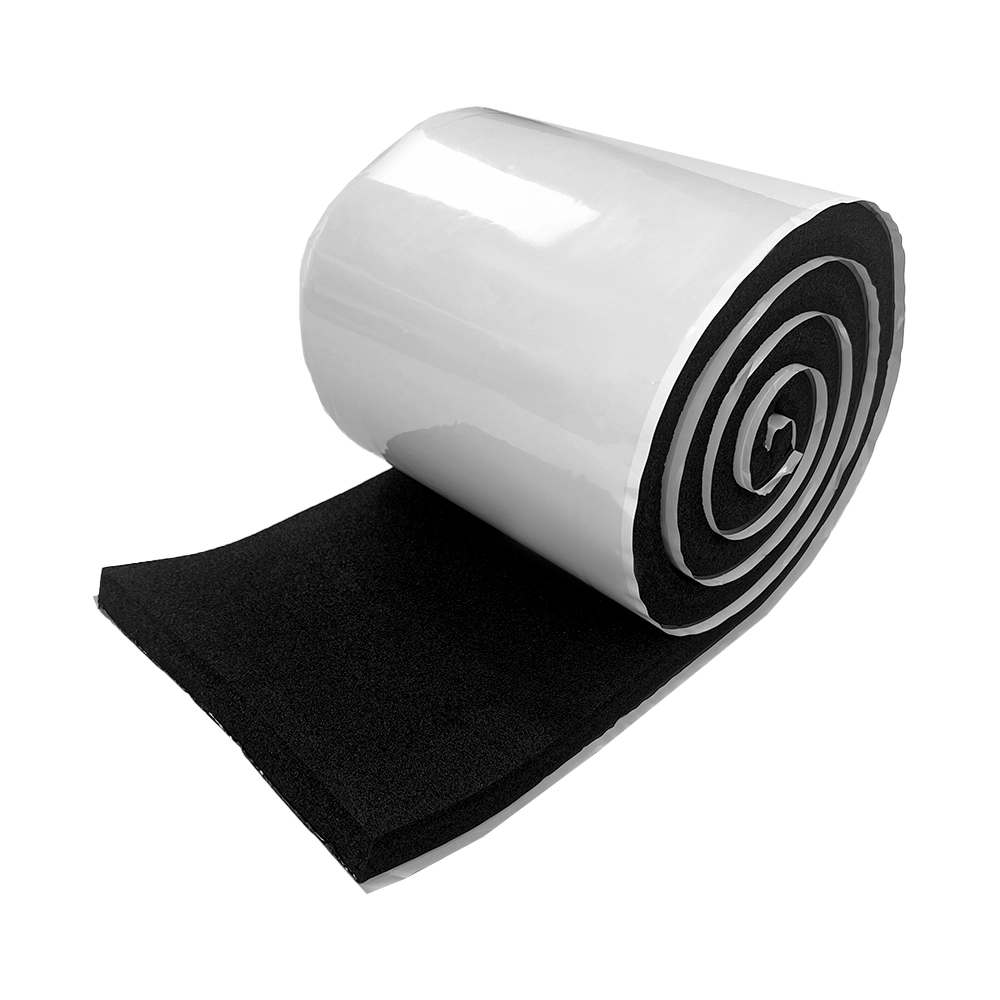
Tire Magic Pad – Puncture Resistant & Tire Noise Reduction Foam
Tire Magic Pad by ASLONG is designed to reduce tire punctures and minimize road noise. This durable foam inserts inside tires to enhance safety and comfort, providing reliable puncture resistance without compromising performance.

Car Sound Deadener Speaker Foam Rings
Sound speaker foam rings are essential acoustic accessories designed to enhance speaker performance by improving sound focus and reducing unwanted vibrations. Installed around the speaker driver, these foam rings help to create a better seal between the speaker and the mounting surface, ensuring that more sound energy is directed forward rather than lost in reflections or leakage.
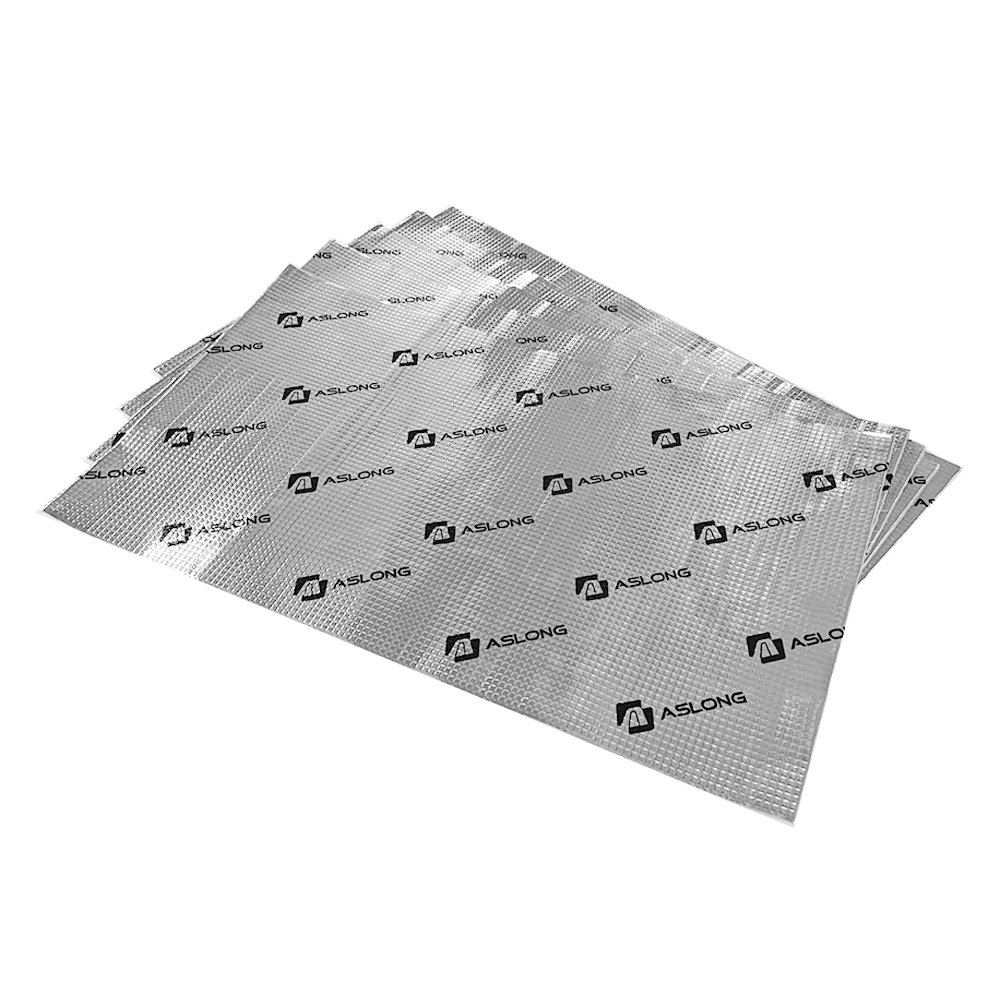
Butyl Rubber sound deadening mat manufacturer for Vehicles/EV cars
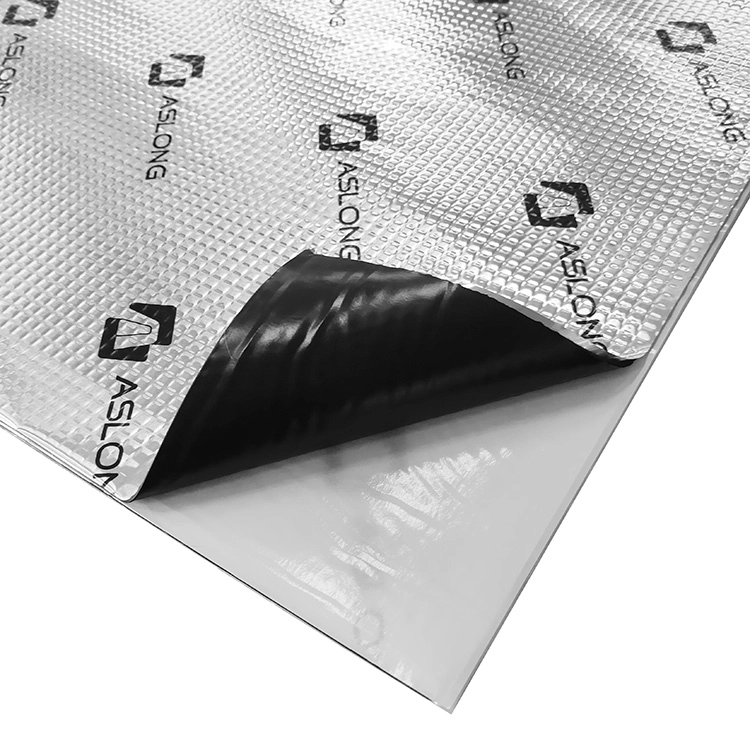
ASLONG Self Adhesive Automotive Sound Deadening and Heat Insulation Mat is designed to help reduce unwanted road noise, vibration and heat transfer inside vehicles.
Featuring an embossed aluminum foil surface and a self-adhesive backing, the material can be applied to various automotive areas such as doors, floors, roofs, trunks, wheel arches and other interior panels.
The flexible construction makes it easy to cut and install according to different vehicle shapes. It is suitable for automotive aftermarket applications as well as OEM projects.
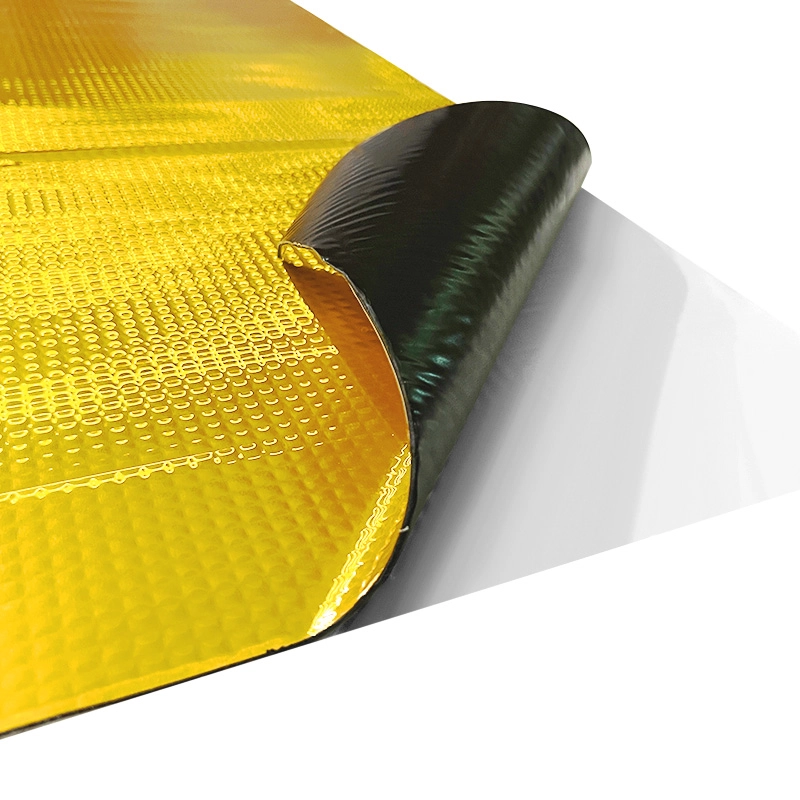
Premium Butyl Sound Deadening Mat – Automotive Noise & Heat Insulation with Aluminum Foil Layer
High-performance butyl rubber sound deadening mat designed to reduce road noise and heat inside vehicles. Backed with reflective aluminum foil, it provides superior thermal insulation, excellent vibration damping, and long-lasting adhesion. Ideal for cars, trucks, vans, and industrial applications.

ASLONG Puncture-Proof Soundproof Tire Foam Tire Protection Silent material for a Smoother, Safer Ride
ASLONG Puncture-Proof Soundproof Tire Foam is an advanced tire insert designed to provide both puncture-proof protection and soundproofing benefits. Made from self-healing materials, this innovative foam instantly seals any puncture caused by sharp objects, minimizing the risk of tire failure. Additionally, it reduces road noise and vibrations, offering a quieter, more comfortable driving experience.
Aslong Dual-Layer Sound & Heat Insulation Mat | High-Density Butyl Deadening Sheet for Automotive Noise Control
The Aslong Sound & Heat Insulation Mat is engineered with a high-density butyl core and heat-resistant aluminum foil surface to provide reliable noise reduction and thermal protection. Designed to block road noise, engine heat, and vibration, it upgrades your vehicle’s comfort instantly. Strong adhesion ensures long-lasting performance in all climates.
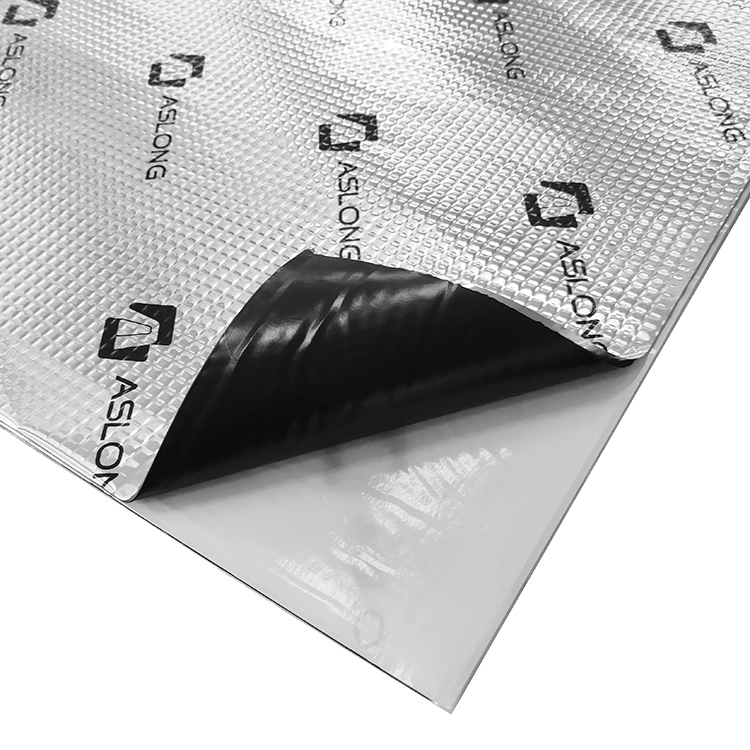
Aslong Professional Vibration Control Panel | Butyl-Based Automotive Sound Deadening Board with Aluminum Layer
ASLONG Butyl Rubber Sound Deadening Mat is designed to minimize structural noise caused by panel resonance and road vibration. Built with an elastic butyl compound and an aluminum-backed surface, it stabilizes vehicle body panels and transforms noisy metal surfaces into acoustically controlled structures. Ideal for OEM upgrades, car audio installations, and professional automotive soundproofing projects.
Professional support at any time
Contact us for a free quote on our new soundproofing materials!
© 2026 ASLONG All Rights Reserved. Privacy Policy | Terms and Conditions | Sitemap

 It would be pleasure to receive from you.
Whatsapp: +8613242879341
ASLONG Global
ASLONG
Aslong_global