

Why Nitrile Rubber Foam Is Ideal for Sound Insulation

- Acoustic performance and mechanisms of nitrile-derived cellular elastomers
- How viscoelastic damping reduces airborne noise and structure-borne vibration
- Porosity, absorption mechanisms and frequency-dependent behavior
- Optimizing layer stacks for target noise spectra
- Material properties and durability relevant to industrial procurement
- Chemical, oil and fuel resistance in service environments
- Thermal range, aging and UV exposure considerations
- Compression set, recovery and mechanical endurance
- Design, installation and regulatory considerations for projects
- Form factors, attachment methods and machinability
- Fire performance and compliance testing
- Total lifecycle cost: procurement, maintenance and end-of-life
- Comparative performance: selecting the right material for specific noise-control tasks
- Material selection matrix and typical use cases
- Why ASLONG's solutions align with buyer requirements
- Scale, quality control and manufacturing capability
- Product breadth and customization options
- Global reach, compliance and after-sales support
- Practical procurement checklist for buyers
- Frequently Asked Questions
Nitrile-based cellular elastomers offer an optimized balance of damping, sealing, and environmental resistance that supports high-performance acoustic systems for construction, automotive, industrial equipment, and entertainment applications; this overview explains physical mechanisms, comparative performance versus common alternatives, installation and compliance requirements, and procurement criteria for buyers and specifiers seeking durable, cost-effective sound insulation solutions.
Acoustic performance and mechanisms of nitrile-derived cellular elastomers
How viscoelastic damping reduces airborne noise and structure-borne vibration
Closed-cell nitrile elastomeric sponges combine viscoelastic energy dissipation with lightweight mass per unit area to attenuate both airborne transmission and low-frequency structural vibration. The polymer matrix converts vibrational energy into heat through internal friction, improving transmission loss across mid-to-low bands where plate resonances and machinery-induced noise dominate. For specifiers, this means fewer downstream modifications to partitions and enclosures to reach project sound transmission class (STC) or insertion loss targets.
Porosity, absorption mechanisms and frequency-dependent behavior
Unlike fibrous absorbers that rely primarily on frictional losses inside open pores, closed-cell nitrile sponges offer a hybrid performance: surface absorption at higher frequencies supplemented by damping and barrier effects at lower frequencies when combined with mass layers. Designers can tune overall performance by adjusting thickness, cell size, and mounting configuration—thin elastomeric layers plus a heavy barrier increase transmission loss, while thicker cellular pads push the absorption band downward.
Optimizing layer stacks for target noise spectra
Project owners should adopt multi-layer strategies: a thin elastomeric seal or gasket for flanking path control, a mid-thickness cellular rubber for vibration damping, and a mass-loaded membrane for airborne isolation. Specifying acoustic targets (e.g., NC curves for HVAC, STC for partitions, or dB(A) insertion loss for enclosures) enables engineers to calculate required equivalent absorption or transmission loss and to define material thickness and density accordingly.
Material properties and durability relevant to industrial procurement
Chemical, oil and fuel resistance in service environments
Nitrile-based closed-cell materials exhibit superior resistance to petroleum products, hydraulic fluids and many solvents compared with many thermoplastic acoustic foams. For applications in engine bays, mechanical rooms, or factory floors where incidental contact with oils occurs, the elastomeric chemistry reduces degradation risk and extends service intervals—an important total cost of ownership (TCO) consideration for fleet and equipment owners.
Thermal range, aging and UV exposure considerations
Typical nitrile elastomers retain flexibility from roughly -40°C up to +100°C to +120°C depending on formulation and filler package. For long-term outdoor exposures, weathering packages or protective coverings may be required; buyers should request accelerated aging and ozone-resistance test data from suppliers to verify expected lifetime performance in their climate zone.
Compression set, recovery and mechanical endurance
Closed-cell NBR sponges generally demonstrate low permanent set and good load-bearing characteristics for gasketing and sealing under repeated compression cycles. When used as acoustic seals or anti-rattle pads in automotive and appliance assembly, the recovery profile reduces the need for periodic retightening and helps maintain acoustic performance over the life of the asset.
Design, installation and regulatory considerations for projects
Form factors, attachment methods and machinability
Elastomeric acoustic materials are available in sheets, rolls, die-cut gaskets, pre-formed profiles and adhesive-backed tapes for fast integration into production lines or retrofit projects. Adhesive systems should match substrate chemistry (e.g., painted steel, aluminum, composite) and application temperature. For high-volume manufacturing, pre-laminated assemblies and CNC die-cut parts reduce on-site labor and variability.
Fire performance and compliance testing
Acoustic materials used in public spaces, automotive interiors, and marine applications must meet relevant flame and smoke criteria. Buyers should request test certificates such as FMVSS 302 for automotive interiors, ASTM E84 for surface burning characteristics, or local building-code approvals. When specifying barrier layers, pair elastomeric materials with fire-rated membranes if the installation is in a life-safety critical zone.
Total lifecycle cost: procurement, maintenance and end-of-life
While raw material cost per square meter can favor cheaper open-cell foams, lifecycle analysis often favors elastomeric solutions when factoring reduced maintenance, longer service life in contaminated environments, and better sealing that reduces HVAC loads. For sustainable procurement, request data on recyclability, VOC emissions, and any environmental certifications.
Comparative performance: selecting the right material for specific noise-control tasks
Material selection matrix and typical use cases
Choosing the correct product involves balancing absorption, damping, moisture resistance and flame performance. The following table provides a practical comparison across common acoustic materials for project-level decisions.
| Material | Typical Density (kg/m³) | Typical Acoustic Role | Moisture / Oil Resistance | Fire/Smoke Notes | Common Applications |
|---|---|---|---|---|---|
| Nitrile-based closed-cell elastomeric foam | 60–200 (formulation-dependent) | Damping, sealing, low-frequency control; moderate absorption | High resistance to oils and moisture | Varies by formulation; fire-retardant grades available | Automotive engine bays, equipment enclosures, HVAC seals |
| Open-cell polyurethane acoustic foam | 20–60 | High mid/high-frequency absorption | Low resistance; degrades with oil and moisture | Many grades are flammable; treated options exist | Studio panels, interior acoustic finishes |
| Mineral wool (glass/rock wool) | 40–160 | High broadband absorption, especially mid-to-high bands | Moisture resistant if encapsulated | Non-combustible (varies by binder) | Partition infill, suspended ceilings, industrial absorbers |
| Mass Loaded Vinyl (MLV) | ~700–1800 (areal mass) | Airborne transmission barrier; improves STC | Generally moisture resistant | Self-extinguishing grades available | Partition upgrades, floor/ceiling barriers, retrofit walls |
Sources and standard references for acoustic measurement and material properties include ASTM E90 - Laboratory measurement of airborne sound transmission loss, general guidance on noise-control design as summarized in Soundproofing - Wikipedia, and material chemistry details available in Nitrile rubber - Wikipedia. Broader public-health guidance on allowable noise exposures can be referenced through the WHO Environmental Noise Guidelines.
Why ASLONG's solutions align with buyer requirements
Scale, quality control and manufacturing capability
ASLONG (Welllink Guangdong New Material Co., Ltd.) was founded in 2000. We are a high-tech enterprise specializing in the research and development, production, and sales of acoustic materials, sound insulation materials, shock-absorbing materials, and other products. We have a modern production base of more than 10,000 square meters and provide efficient, environmentally friendly, and high-performance sound insulation material solutions to customers around the world. For procurement teams, our factory scale supports consistent lot-to-lot quality, custom batch sizes, and predictable lead times.
Product breadth and customization options
Our portfolio covers acoustics, sound insulation, shock absorption and related ancillary products: Butyl Rubber Sound Damping Mat, Mass Loaded Vinyl, NBR foam (elastomeric cellular products), Sound Absorbing White Cotton, Tire Silent Foam, Butyl waterproof tape, and Electric auxiliary material. This range allows single-source procurement for multilayer acoustic systems (damping + barrier + absorption + sealing), simplifying vendor management and integration in complex projects.
Global reach, compliance and after-sales support
ASLONG products have been exported to Europe, North America, Asia, Africa and other regions. Buyers requiring test certificates, flame ratings or customized formulations can request standard test reports and environmental data sheets as part of the tender process. Our team supports design-for-manufacture (DFM) services, tooling for die-cut parts, and agent partnerships for regional distribution—ASLONG is currently recruiting agents worldwide to extend local support and inventory availability.
Practical procurement checklist for buyers
When specifying an elastomeric acoustic product for a contract, procurement teams should request: material safety data sheets (MSDS), accelerated aging test reports, compression set and tensile data, flame/smoke certificates for target markets, acoustic test reports (ASTM or ISO methods), and examples of field installations. For high-volume commitments, negotiate pilot runs, pre-qualification samples and service-level agreements that define acceptance criteria on acoustic performance and dimensional tolerances.
For product inquiries, technical datasheets or to discuss tailored solutions, contact ASLONG via our website or by email; our sales and engineering teams can provide procurement bundles and sample kits to expedite specification approval.
Frequently Asked Questions
What temperature range can nitrile-based elastomeric acoustic materials withstand?
Typical nitrile elastomer formulations retain flexibility roughly from -40°C up to +100°C to +120°C depending on fillers and additives; buyers should request specific thermal-range data and accelerated aging reports for the exact compound used in a project.
Are nitrile-derived acoustic foams resistant to oil and hydraulic fluids?
Yes. Elastomers based on nitrile chemistry are noted for higher resistance to petroleum products and many hydraulic fluids compared with common open-cell acoustic foams; this makes them suitable for engine bays, equipment enclosures and other contaminated environments.
How should a specifier combine elastomeric foam with other materials to meet STC or NC targets?
A layered approach is recommended: use elastomeric seals/gaskets to control flanking paths, a mid-thickness cellular elastomeric layer for damping, and a mass-loaded membrane for airborne isolation. Specifying target STC/NC values allows acoustic engineers to determine required thickness and areal mass for each layer.
What fire and smoke tests are relevant when purchasing these materials?
Relevant tests include ASTM E84 (surface burning characteristics), FMVSS 302 for automotive interior flammability, and local code-specific certifications. Buyers should require manufacturer-supplied test certificates for intended markets and applications.
Can ASLONG supply sample kits and test reports for tender evaluation?
Yes. ASLONG provides technical datasheets, standard test reports and sample kits to assist procurement teams during tender evaluation; contact the sales team to request pre-qualification samples and customized test data.
What Are Sound Speaker Foam Rings and How They Work
The B2B Buyer’s Guide to Tire Silent Foam
What are the different types of sound insulation materials?
Where to Buy high-performance butyl sound deadener
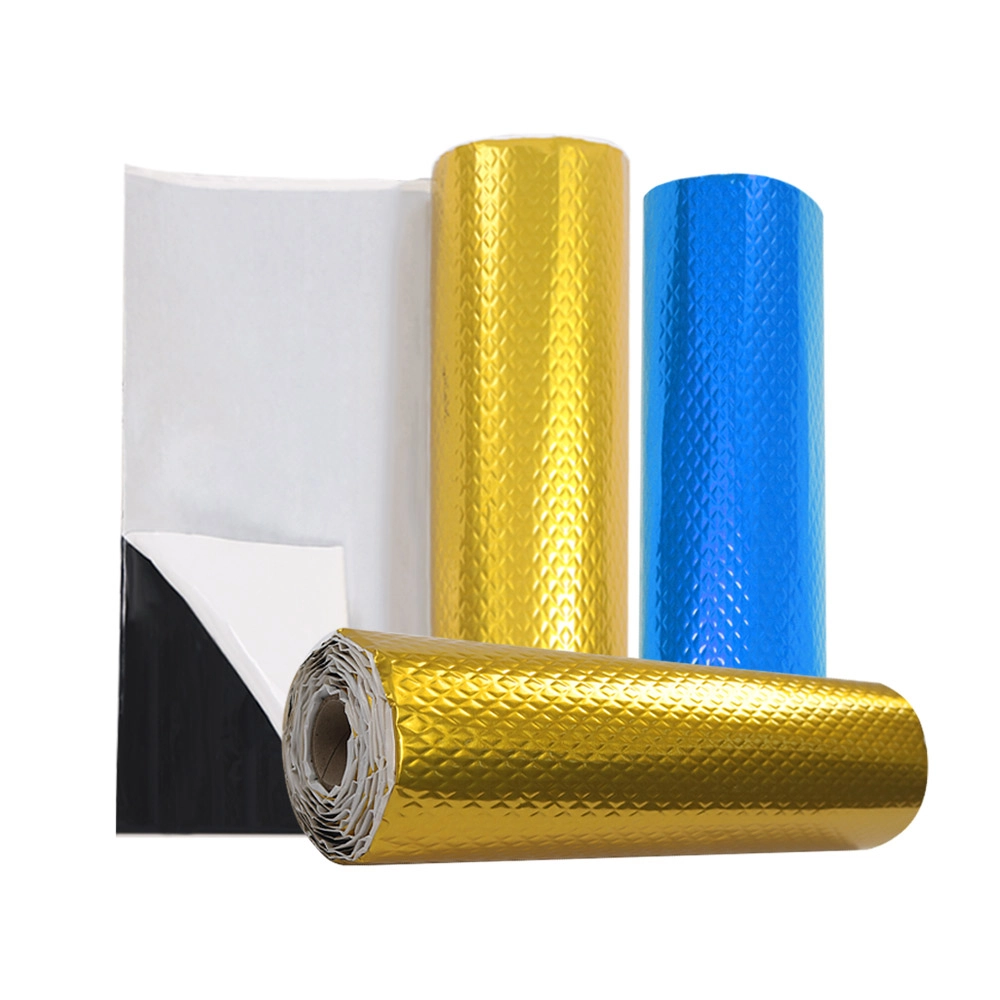
Butyl Rubber Sound Damping Mat
ASLONG Butyl Rubber Sound Damping Mat for sale. Effectively reduces noise and vibrations. High-quality butyl rubber ensures superior performance and durability. Ideal for automotive, industrial, and home applications.
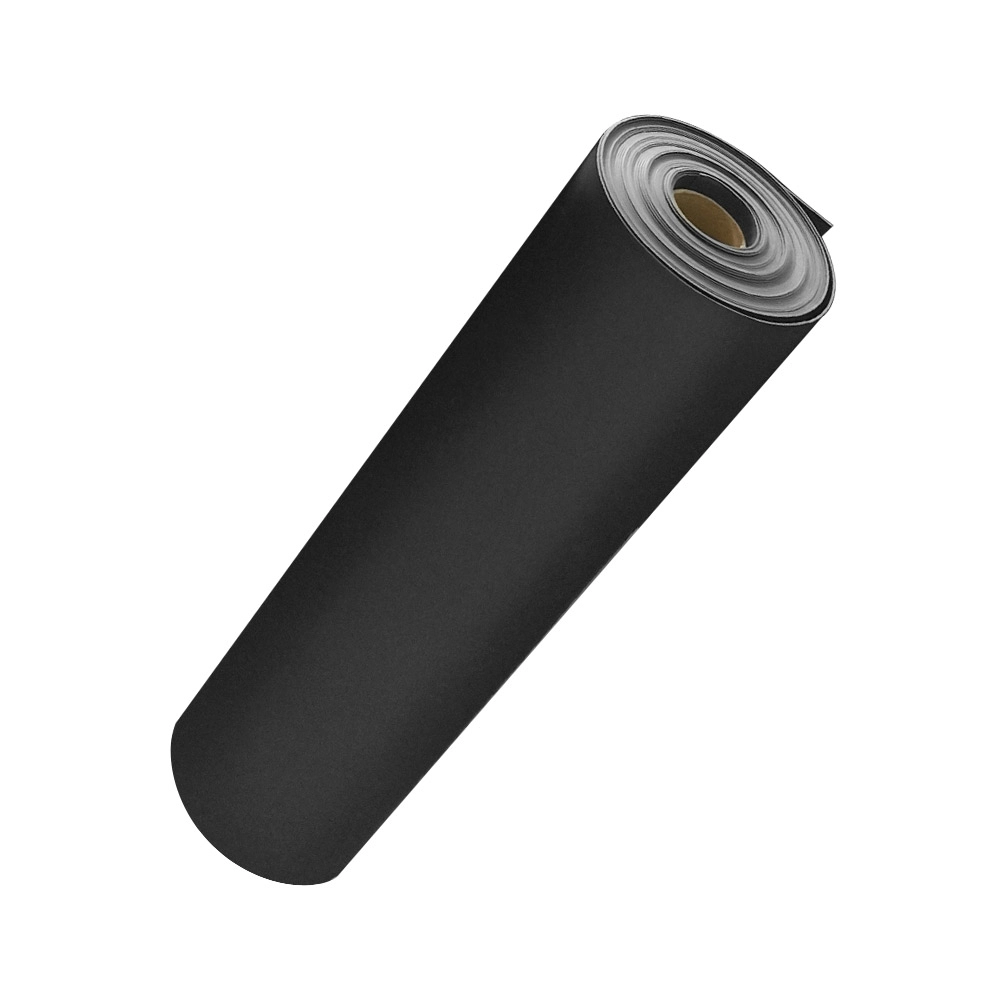
Mass Loaded Vinyl
ASLONG Mass Loaded Vinyl for sale. Reduce noise pollution effectively with our high-quality, mass-loaded vinyl. Ideal for soundproofing walls, floors, and more. Buy now and experience the difference!
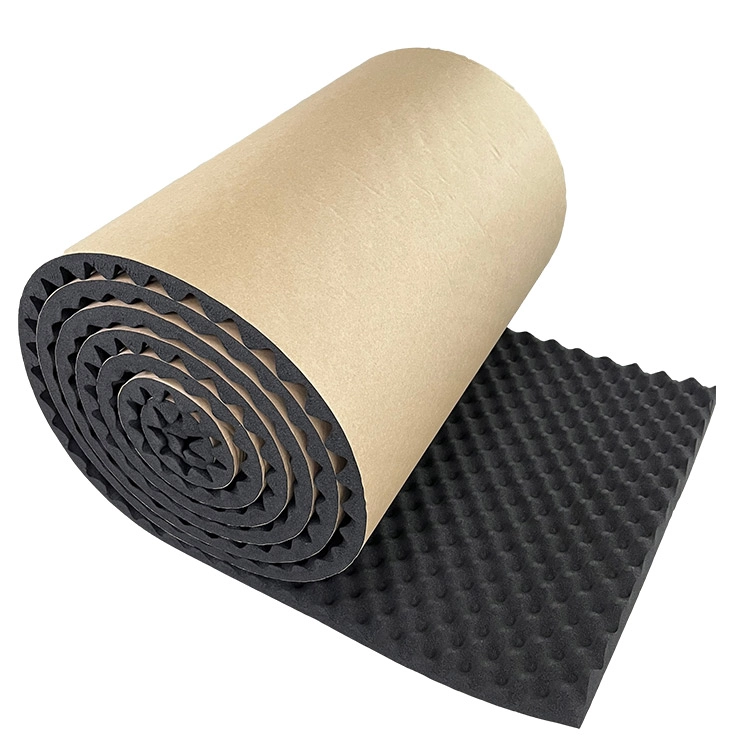
Egg Crate Foam
ASLONG Egg Crate Foam for sale. Lightweight, breathable, and comfortable, our egg crate foam provides superior support and pressure relief. Perfect for mattresses, cushions, cars, construction industry, KTV, factories, etc.
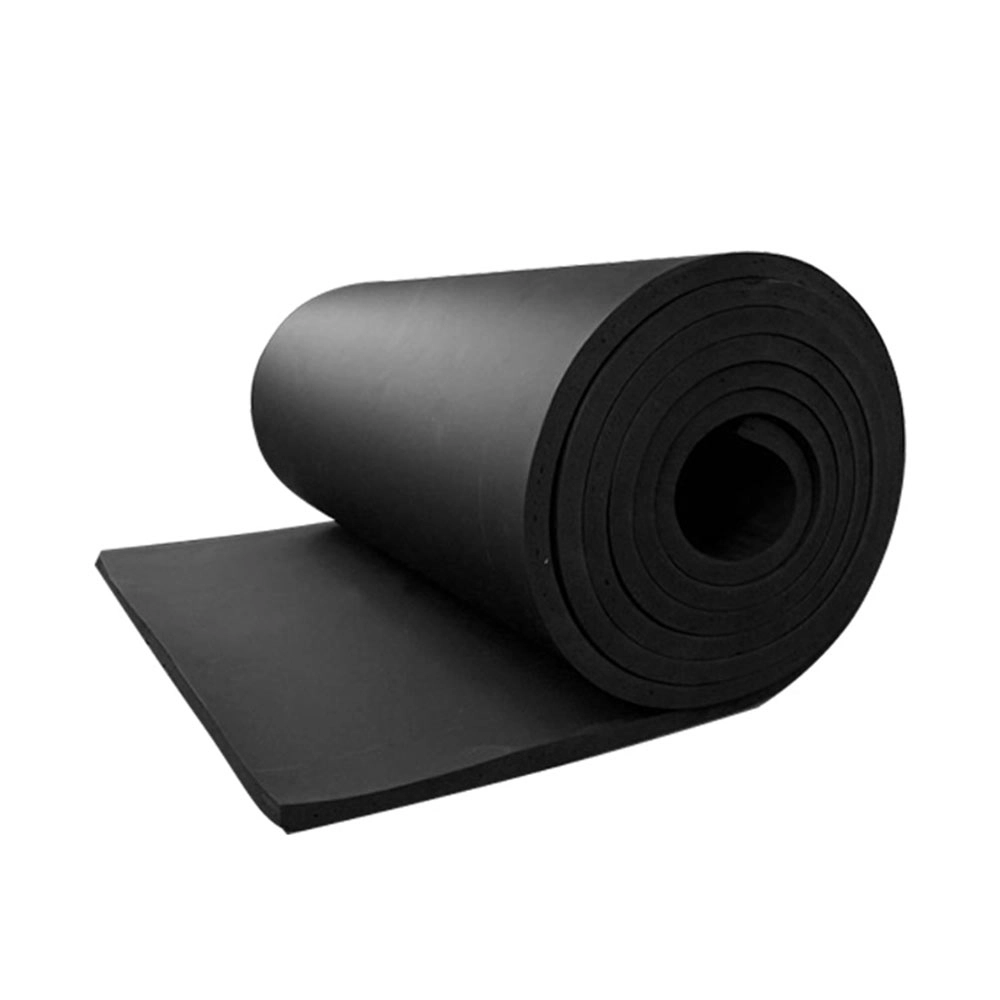
NBR Foam
ASLONG NBR Foam: Wholesale NBR foam solutions for diverse applications. High-quality, durable, and competitively priced. Contact us today for bulk orders.
Professional support at any time
If you have any comments or good suggestions, please leave us a message; later our professional staff will contact you as soon as possible.
© 2026 ASLONG All Rights Reserved. Privacy Policy | Terms and Conditions | Sitemap

 It would be pleasure to receive from you.
Whatsapp: +8613242879341
ASLONG Global
ASLONG
Aslong_global