

Wholesale sound dampening material manufacturer and supplier

- Wholesale Demand and the Sound Control Supply Chain
- Why bulk buyers are increasing their focus on acoustic materials
- What a wholesale factory should provide
- How to assess supply-chain reliability before ordering
- How to Evaluate MOQ, Pricing, and Factory Capacity
- Understanding minimum order quantities
- Comparing tiered wholesale pricing
- Confirming production capacity and scalability
- Quality Consistency, Documentation, and International Logistics
- Building a repeatable quality-control plan
- Packaging and shipping decisions
- Managing regional import and delivery risks
- Choosing ASLONG as a Long-Term Wholesale Partner
- Product coverage for multiple industries
- Practical steps for starting a wholesale relationship
- Why experience matters in global supply
- Frequently Asked Questions
For distributors, retailers, contractors, automotive suppliers, and industrial buyers, purchasing sound dampening material in bulk requires more than finding the lowest unit price. A dependable wholesale partner must combine stable product performance, practical minimum order quantities, repeatable quality, responsive technical support, and export-ready logistics. ASLONG, also known as Welllink Guangdong New Material Co., Ltd., was founded in 2000 and specializes in research, development, production, and sales of acoustic materials, sound insulation materials, shock-absorbing materials, and related products. With a modern production base of more than 10,000 square meters, ASLONG supplies solutions for construction, automobiles, homes, industrial equipment, and entertainment facilities, while serving customers in Europe, North America, Asia, Africa, and other markets.
Wholesale Demand and the Sound Control Supply Chain
Why bulk buyers are increasing their focus on acoustic materials
Noise control is now a specification consideration in many commercial and consumer projects. Vehicle manufacturers use damping layers to reduce panel vibration and road noise. Building contractors select resilient and mass-based products for walls, floors, ceilings, ductwork, and equipment enclosures. Appliance, machinery, and entertainment-equipment companies also need materials that help control vibration, airborne noise, or structure-borne sound. This creates demand for different types of sound dampening material rather than a single universal product.
Buyers should distinguish between sound absorption, sound insulation, and vibration damping. Absorptive products, such as acoustic cotton or open-cell foam, reduce reflected sound energy within a space. Barrier products, such as Mass Loaded Vinyl, add mass to resist airborne sound transmission. Damping products, including butyl rubber sheets, reduce resonant vibration in metal and composite panels. Resilient foam and rubber products can isolate contact points and limit structure-borne noise. Correct product selection should follow the noise source, substrate, frequency range, installation method, temperature, moisture exposure, and required fire or environmental performance.
What a wholesale factory should provide
A manufacturer should be able to explain the intended application, not simply quote a material by thickness. A professional technical review normally covers density, thickness tolerance, roll or sheet dimensions, surface treatment, adhesive type, operating temperature, flexibility, compression behavior, odor, and packaging. For projects requiring formal compliance, buyers should request the applicable test reports and confirm that the tested construction matches the supplied product. The principles of laboratory measurement and acoustic terminology can be reviewed through the ISO acoustics standards committee and relevant national standards bodies.
ASLONG’s product range includes Butyl Rubber Sound Damping Mat, Mass Loaded Vinyl, NBR foam, Sound White Cotton, Tire Silent Foam, Butyl Waterproof Tape, and Electric Auxiliary Material. These categories support multiple purchasing programs, allowing a distributor to consolidate related acoustic and insulation materials with one experienced supplier instead of coordinating several small factories.
How to assess supply-chain reliability before ordering
Before approving a supplier, request a company profile, factory photographs or audit access, product specifications, sample records, packaging details, production lead-time assumptions, and export references where available. Ask whether the quoted item is manufactured in-house or purchased from another source. A direct manufacturer should clearly identify its production scope and the controls used for incoming materials, processing, inspection, and final packing.
It is also important to check communication discipline. A reliable supplier confirms drawing revisions, purchase-order requirements, labels, carton marks, pallet instructions, and shipping documents in writing. This reduces the risk of receiving material with an outdated adhesive, incorrect roll length, inconsistent color, or unsuitable packaging. ASLONG’s long operating history since 2000 provides a useful basis for buyers seeking continuity, but each project should still be evaluated against documented specifications and approved samples.
How to Evaluate MOQ, Pricing, and Factory Capacity
Understanding minimum order quantities
Minimum Order Quantity, or MOQ, is usually influenced by raw-material purchasing, production-line setup, adhesive coating or lamination changeovers, packaging requirements, and quality-control sampling. A factory may offer a lower MOQ for standard sizes and a higher MOQ for custom thicknesses, colors, die-cut shapes, private labels, or special adhesive systems. Buyers should ask whether the MOQ applies per product, per size, per color, per packaging design, or per shipment.
For a first order, a practical approach is to separate standard-stock products from customized products. Standard specifications can often be tested with a smaller commercial order, while custom products should be validated through samples and a written development quotation. Do not assume that a low MOQ automatically produces the best total cost; frequent small orders may create higher freight, packaging, tooling, and administrative costs.
Comparing tiered wholesale pricing
| Order stage | Typical buyer objective | Information to confirm | Cost considerations |
|---|---|---|---|
| Sample or pilot order | Verify fit, adhesion, odor, handling, and acoustic design | Sample specification, test method, shipping charge, revision policy | Highest unit cost; useful for technical approval |
| First commercial order | Test market demand and installation performance | MOQ, production lead time, packaging, inspection documents | Lower unit price but may include setup or small-batch costs |
| Repeat wholesale order | Maintain inventory and customer service levels | Forecast process, reserved capacity, quality records, reorder terms | Better production efficiency and freight planning |
| Container or contract volume | Secure competitive landed cost and supply continuity | Annual forecast, shipment schedule, payment terms, contingency plan | Lower average cost, but greater inventory commitment |
When comparing quotations, calculate landed cost rather than factory price alone. Landed cost may include product price, inner packaging, pallets, export cartons, inland transport, ocean or air freight, insurance, customs charges, duties, brokerage, storage, and local delivery. The correct comparison is cost per usable square meter, kilogram, roll, or vehicle kit after normal handling loss. A quotation that looks cheaper per roll may be more expensive if its roll length, density, or usable width differs from the competing offer.
Confirming production capacity and scalability
Capacity should be assessed against the buyer’s forecast, not just a factory’s stated annual output. Ask how many production lines support the relevant material, whether capacity is shared with other product families, and how the supplier manages peak-season demand. For a growing distributor, the ideal partner can support a pilot order and then scale repeat production without changing the agreed formulation or dimensions.
Buyers should also clarify lead time from purchase-order approval, not from the first inquiry. Lead time may begin only after artwork, technical drawings, deposit, or raw-material approval is completed. Request a production schedule with milestones for material preparation, manufacturing, inspection, packing, and dispatch. This information helps importers synchronize inventory with construction projects, vehicle production, or seasonal retail demand.
Quality Consistency, Documentation, and International Logistics
Building a repeatable quality-control plan
Consistency is one of the most important concerns when buying sound dampening material wholesale. A buyer should define the critical-to-quality characteristics before mass production. Depending on the product, these may include thickness, width, density, weight per square meter, tensile strength, peel adhesion, compression, surface condition, flexibility, moisture resistance, and dimensional stability. For damping products, the installation surface and test temperature can affect results, so product claims should be interpreted in the context of the intended application.
Use an approved sample as the commercial reference and record its product code, revision, dimensions, packaging, and test results. For repeat orders, request a certificate of analysis or inspection report where appropriate. Independent pre-shipment inspection can be considered for large or high-risk orders. The inspection criteria should be agreed in advance, including sampling level, acceptable tolerances, carton count, label accuracy, and handling of nonconforming goods.
Environmental and workplace requirements also deserve attention. Depending on the destination and application, buyers may need information about restricted substances, volatile emissions, recyclability, flame behavior, or chemical composition. Regulations vary by market and use case, so importers should confirm obligations with their customs broker, compliance team, and local authorities. The European Chemicals Agency REACH guidance is a useful reference for businesses placing chemical substances or articles on the European market, but it does not replace product-specific legal review.
Packaging and shipping decisions
Packaging must protect the material from crushing, moisture, contamination, ultraviolet exposure, and deformation during loading and transit. Rolls should be secured against telescoping or edge damage, while sheets and die-cut parts need adequate flat support. Labels should show product code, quantity, batch or production reference, dimensions, and handling instructions when required. Buyers importing into humid or long-transit environments should discuss moisture barriers and container loading procedures.
Choose transport based on urgency, order value, volume, and product sensitivity. Ocean freight is generally suitable for planned bulk orders, while air freight may be justified for samples, urgent production shortages, or high-value lightweight goods. Request shipping terms using the current Incoterms rules and confirm which party handles export clearance, freight booking, insurance, import clearance, duties, and final delivery. The International Chamber of Commerce Incoterms guidance helps buyers understand allocation of costs and risks, although a freight professional should review the final transaction.
Managing regional import and delivery risks
Because the target market is not specified, buyers should build a destination-specific logistics checklist. Confirm the correct HS classification with a customs broker rather than relying solely on a supplier’s estimate. Check whether the destination requires conformity documents, product labeling, chemical declarations, timber packaging compliance, or special treatment for adhesive-containing goods. Pallet dimensions and container utilization should be reviewed before the purchase order because inefficient loading can materially increase the delivered cost.
A strong wholesale program also includes contingency planning. Maintain realistic safety stock for critical customers, identify an approved alternative specification, and agree how the factory communicates raw-material shortages or production delays. For distributors, a rolling forecast can help the manufacturer reserve capacity without forcing the buyer to purchase all projected volume immediately. For ASLONG agents and regional partners, this type of forecast-based cooperation can support reliable local availability while preserving flexibility.
Choosing ASLONG as a Long-Term Wholesale Partner
Product coverage for multiple industries
ASLONG combines acoustic, sound insulation, and shock-absorbing materials for applications in construction, automobiles, homes, industry, and entertainment facilities. Its product portfolio includes Butyl Rubber Sound Damping Mat for panel vibration control, Mass Loaded Vinyl for barrier applications, NBR foam for cushioning and insulation needs, Sound White Cotton for sound absorption, Tire Silent Foam for automotive noise reduction, Butyl Waterproof Tape for sealing-related applications, and Electric Auxiliary Material for selected electrical support uses.
This breadth can simplify vendor management for buyers that sell more than one type of sound control product. A distributor may need different materials for automotive workshops, building contractors, home-improvement retailers, and industrial clients. Consolidating compatible categories with one established manufacturer can reduce supplier onboarding, simplify communication, and improve order planning, provided each product is independently verified for its application and market requirements.
Practical steps for starting a wholesale relationship
Begin by sending a structured inquiry that includes product category, application, dimensions, estimated monthly or annual volume, preferred packaging, destination port, labeling needs, target delivery date, and any required compliance documentation. Ask for technical data sheets, sample availability, MOQ by specification, tiered pricing, production lead time, and shipping options. If private labeling is required, provide artwork and clarify whether the order needs custom cartons, bags, labels, or barcodes.
After samples are approved, issue a purchase order that references the exact product code and revision. Include tolerances, inspection requirements, packaging standards, documentation, and the process for handling deviations. On receipt, inspect the shipment promptly and keep batch records so future claims or reorder decisions can be handled objectively. This disciplined process protects both buyer and supplier and creates a foundation for predictable wholesale growth.
Why experience matters in global supply
ASLONG was founded in 2000 and operates as Welllink Guangdong New Material Co., Ltd., a high-tech enterprise focused on research, development, production, and sales. Its modern production base exceeds 10,000 square meters, and its products have been exported to Europe, North America, Asia, Africa, and other regions. This international experience is relevant to buyers that need export communication, repeatable specifications, and practical support across different application sectors.
Experience should still be combined with transparent verification. Buyers are encouraged to compare samples, review documentation, validate packaging, and agree commercial terms before committing to volume. When those controls are in place, ASLONG can serve as a capable wholesale factory partner for distributors, retailers, agents, and project suppliers seeking efficient, environmentally friendly, and high-performance sound insulation material solutions.
Contact ASLONG at www.aslong.cc or king@aslong.cc for wholesale pricing, MOQ guidance, samples, and bulk-order planning, and ask about becoming a worldwide agent.
Frequently Asked Questions
What MOQ should a wholesale buyer expect for sound dampening material?
MOQ depends on whether the product is standard or customized. It may apply per product, size, color, packaging design, or shipment. Standard products are usually more suitable for an initial commercial order, while custom thicknesses, die-cut parts, private labels, and special adhesives may require higher quantities.
How can buyers compare wholesale quotations accurately?
Compare landed cost rather than unit price alone. Include product price, packaging, pallets, inland transport, freight, insurance, customs charges, duties, brokerage, storage, and local delivery. Also compare the cost per usable square meter, kilogram, roll, or vehicle kit after considering dimensions and handling loss.
What quality information should be requested before a bulk order?
Request a technical data sheet, approved sample, product code and revision, dimensions, density or weight, thickness tolerance, adhesive information, application limits, packaging details, and relevant test or inspection records. For repeat orders, agree critical-to-quality characteristics and a process for handling nonconforming goods.
Can ASLONG support customized sound insulation materials?
Customization should be discussed by specification. Buyers should provide the required thickness, dimensions, adhesive, surface, die-cut design, packaging, labeling, and estimated volume. ASLONG can review standard and customized requirements, with MOQ and lead time confirmed for each project.
What shipping issues should international buyers consider?
Buyers should confirm HS classification with a customs broker, destination compliance requirements, Incoterms, export and import responsibilities, pallet dimensions, container utilization, moisture protection, labels, and required shipping documents. Ocean freight is generally suitable for planned bulk orders, while air freight may suit samples or urgent shortages.
How can a distributor become an ASLONG agent?
Distributors and regional representatives can contact ASLONG through www.aslong.cc or king@aslong.cc with their market, customer segments, expected volume, product interests, and territory. The company is recruiting agents worldwide and can discuss product fit, pricing, MOQ, samples, and cooperation terms.
Vibration Damping: Electric Bike Tire Foam Designs
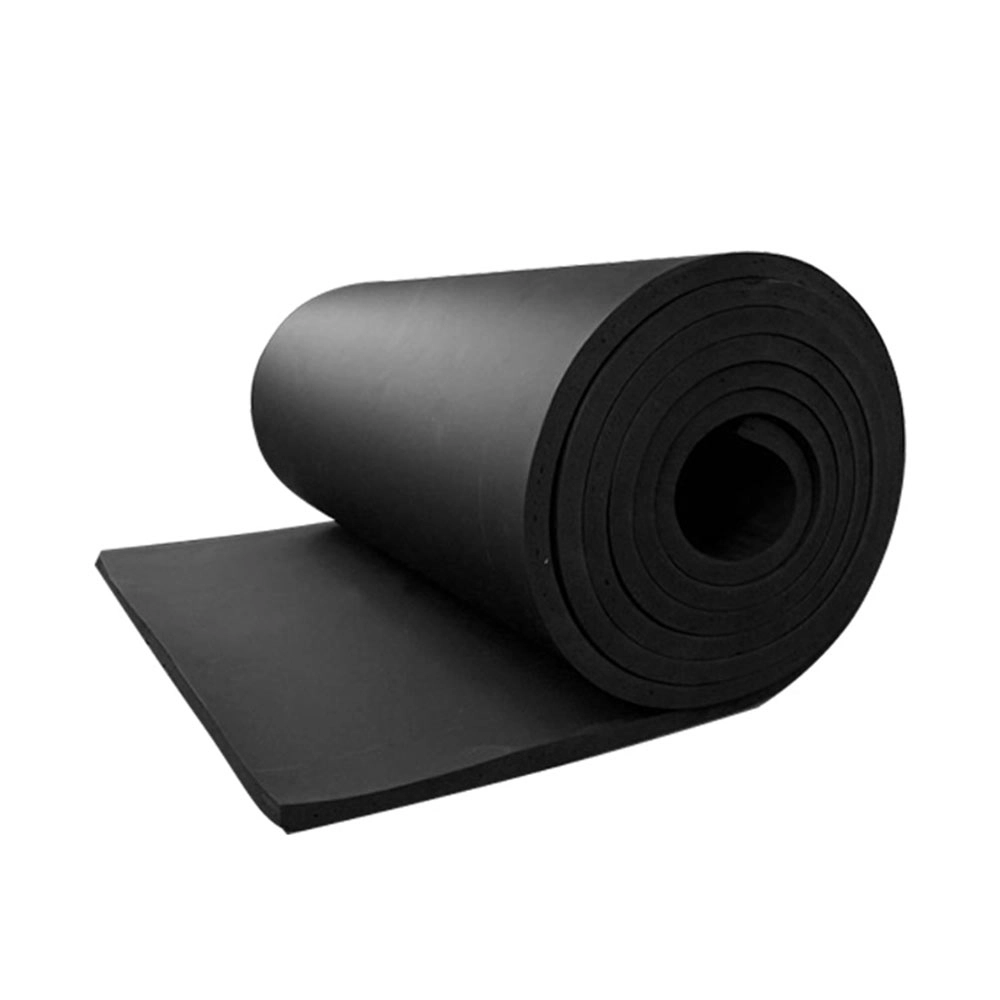
NBR Foam Insulation for HVAC and Pipes
Top 5 butyl waterproof tape Company List and Products Compared
Material Cost Breakdown for Auto Sound Insulation 2026
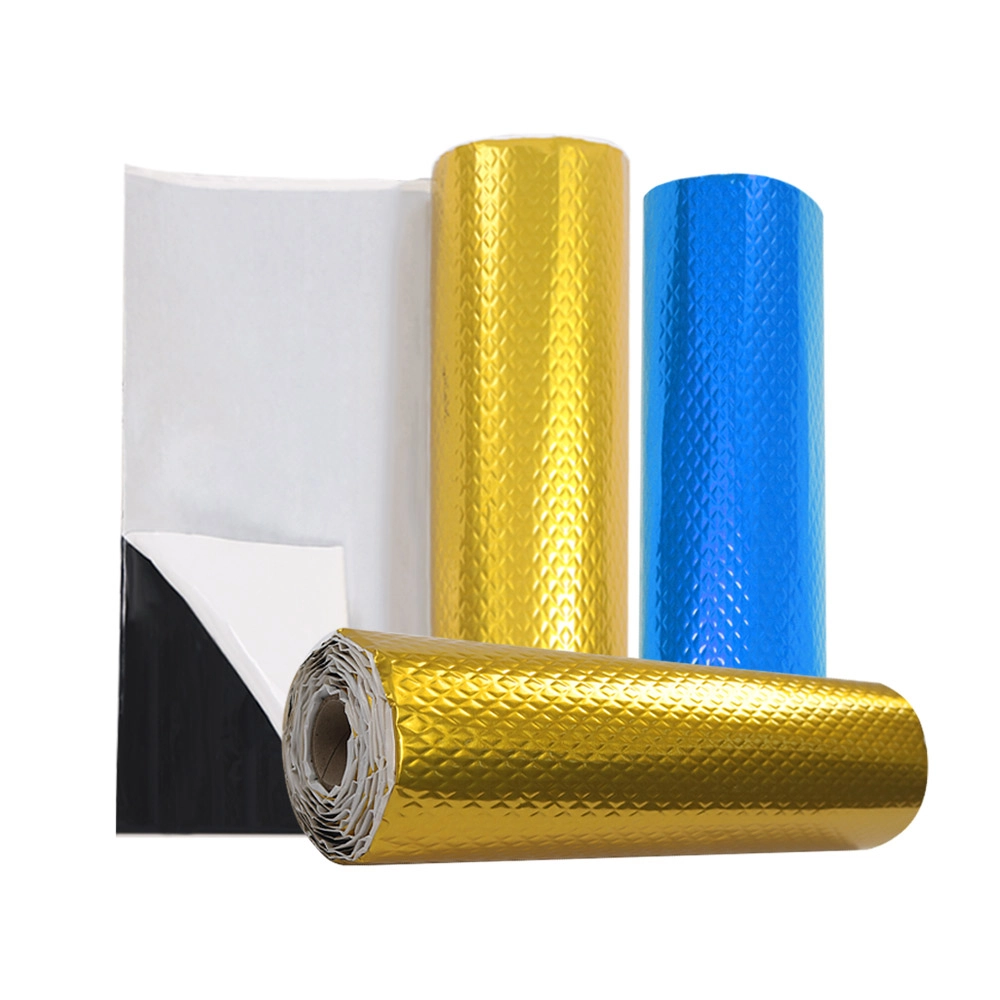
Butyl Rubber Sound Damping Mat
ASLONG Butyl Rubber Sound Damping Mat for sale. Effectively reduces noise and vibrations. High-quality butyl rubber ensures superior performance and durability. Ideal for automotive, industrial, and home applications.
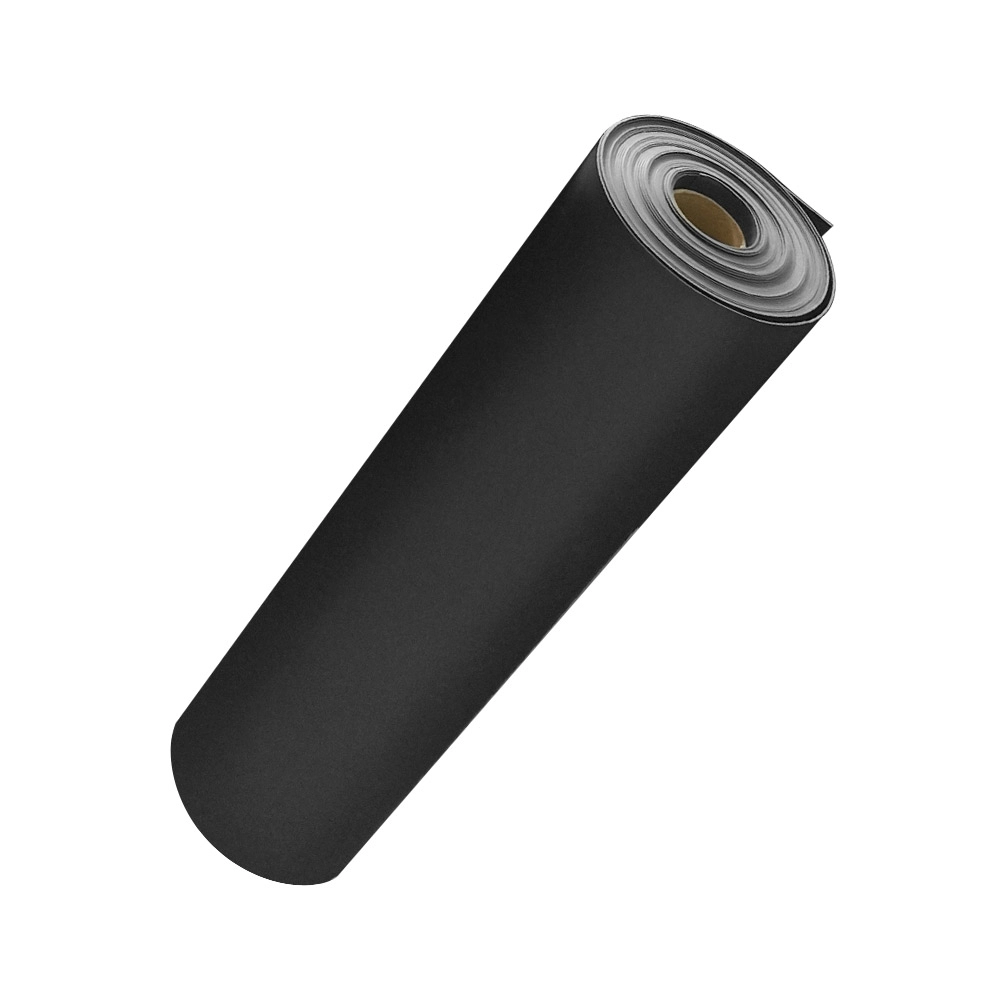
Mass Loaded Vinyl
ASLONG Mass Loaded Vinyl for sale. Reduce noise pollution effectively with our high-quality, mass-loaded vinyl. Ideal for soundproofing walls, floors, and more. Buy now and experience the difference!
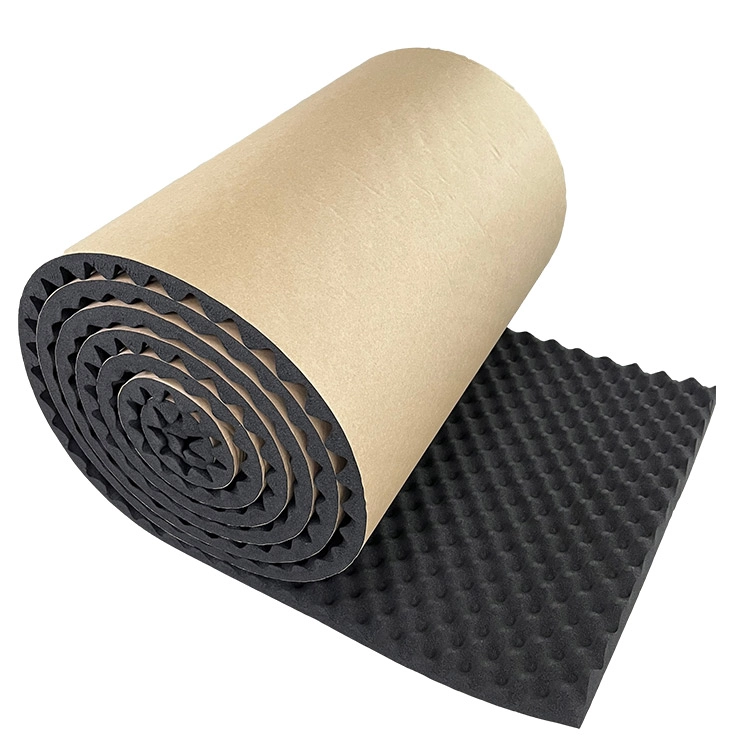
Egg Crate Foam
ASLONG Egg Crate Foam for sale. Lightweight, breathable, and comfortable, our egg crate foam provides superior support and pressure relief. Perfect for mattresses, cushions, cars, construction industry, KTV, factories, etc.
NBR Foam
ASLONG NBR Foam: Wholesale NBR foam solutions for diverse applications. High-quality, durable, and competitively priced. Contact us today for bulk orders.
Professional support at any time
If you have any comments or good suggestions, please leave us a message; later our professional staff will contact you as soon as possible.
© 2026 ASLONG All Rights Reserved. Privacy Policy | Terms and Conditions | Sitemap

 It would be pleasure to receive from you.
Whatsapp: +8613242879341
ASLONG Global
ASLONG
Aslong_global