

Sound Absorbing White Cotton for Home Studios

- What acoustic treatment can—and cannot—do
- Reduce reflections and reverberation
- Know what performance data can tell you
- How to choose and place Sound Absorbing White Cotton
- Start with the room and the recording task
- Prioritize placement over covering every surface
- Material features, installation, and care
- Understand the fibre construction
- Install neatly and preserve room usability
- Plan a sensible home-studio treatment
- Use a staged improvement process
- Buy based on evidence and the full project
- Frequently Asked Questions

Sound absorbing white cotton is a practical material for managing reflections and reverberation in a home studio, where untreated walls can make recordings sound harsh, boxy, or unclear. Made from melt-blown PP and PET fibres, Sound Absorbing White Cotton uses diversified density to support sound absorption and noise reduction, and is also designed to provide thermal insulation, moisture resistance, and mold resistance. Its best use is acoustic treatment inside a room—not as a stand-alone soundproofing barrier. Choose and position it according to the room’s dimensions, recording activity, and problem frequencies, then assess the result by listening and, where useful, measuring.
What acoustic treatment can—and cannot—do
Reduce reflections and reverberation
In a small studio, sound reaches a microphone directly and also reflects off nearby surfaces. Those reflections can arrive so soon after the original sound that speech becomes less intelligible and instruments lose definition. Sound absorbing white cotton can help absorb some of this reflected sound when installed on suitable surfaces. The intended result is a more controlled room, not a completely silent one: absorption reduces energy within the room, while sound isolation limits how much sound travels between rooms or outdoors.
This distinction matters when setting expectations. If a neighbor can hear a bass-heavy mix, or traffic is audible in a vocal take, adding porous treatment to the inside of a wall may not solve the transmission path. Soundproofing commonly requires attention to gaps, doors, windows, wall or ceiling construction, and sometimes decoupled assemblies. Absorber panels are useful for improving the sound you record and hear in the room, but they are not a substitute for construction designed to block noise.
Know what performance data can tell you
Acoustic performance depends on variables such as material thickness, density, mounting method, air space behind the material, and the frequencies being considered. A material’s appearance or name alone cannot establish its absorption performance. For a meaningful comparison, ask for technical data that identifies the test method and the tested configuration. ISO 354 describes a reverberation-room method for measuring sound absorption, while ISO 11654 addresses rating sound absorbers used in buildings. These references help buyers interpret test information; they do not imply that a particular product has been tested or certified to those standards.
Before purchasing, clarify the intended use, available dimensions, installation method, and whether the supplier can provide test results for the exact product construction. Avoid comparing figures from different methods or samples as if they were directly interchangeable. A home-studio treatment plan should consider the whole room rather than relying on a single rating.
How to choose and place Sound Absorbing White Cotton
Start with the room and the recording task
List the main problem before choosing coverage. A room used for spoken-word recording may need control of strong early reflections around the microphone, while a mixing position benefits from attention to the first-reflection areas and a balanced listening environment. A room used for both recording and mixing may need a flexible arrangement that avoids making one area excessively dead. Sound absorbing white cotton can be considered for walls, ceilings, or panel assemblies, provided its intended mounting and finishing requirements are suitable for the application.
Take measurements of the room and note hard, parallel surfaces, large windows, bare floors, and the position of the desk, speakers, microphone, and performer. If practical, clap from several points and listen for a ringing or fluttering decay. This simple check is not a formal acoustic test, but it can reveal obvious reflections. Record a short voice sample before treatment and repeat it afterward at the same microphone position and gain. Comparing the recordings makes changes easier to judge than relying on memory.
Prioritize placement over covering every surface
Begin with the most noticeable reflection paths rather than covering every wall. For a listening position, first-reflection locations can be found by having a helper move a mirror along the side walls; the points where the speakers appear in the mirror are useful areas to evaluate for treatment. For recording, consider the surfaces closest to the microphone and performer, while preserving a natural sound instead of placing the microphone in a tiny, overly damped enclosure.
Sound absorbing white cotton should be installed in a way that keeps it secure and suited to the room. An air gap behind a porous absorber can affect its low-frequency behavior, but the result depends on the material and construction; do not assume a particular thickness or spacing will solve every bass problem. Very low-frequency buildup often calls for a broader room-acoustics plan, careful speaker and listening-position adjustment, and potentially purpose-designed bass treatment. Follow the product supplier’s handling and installation guidance, especially when cutting or enclosing fibres.
| Studio need | Potential approach | What to keep in mind |
|---|---|---|
| Reduce strong wall reflections | Install suitable absorber panels at identified reflection areas | Coverage and placement matter; do not treat a material label as a performance rating. |
| Make a vocal recording less reflective | Treat nearby reflective surfaces while keeping the recording area open enough for a natural result | Test with the actual microphone and performer position. |
| Reduce noise entering from outside | Investigate doors, windows, gaps, and the building assembly | Absorption inside the room does not independently provide sound isolation. |
| Address bass buildup | Review room and speaker placement and consider suitable low-frequency treatment | Thin porous treatment may have limited impact at low frequencies. |
Material features, installation, and care
Understand the fibre construction
Sound Absorbing White Cotton is made from PP and PET fibres through a melt-blowing process. Special processing is used to create diversified density, supporting the product’s intended sound-absorption and noise-reduction role. The material is also designed for thermal insulation and resistance to moisture and mold. These characteristics may be useful in a home studio where the treatment needs to serve as part of a practical interior assembly, but they should not be interpreted as a guarantee against every dampness, condensation, fire, or installation risk.
Check the technical specification for the available thicknesses, dimensions, density, facing or covering options, and recommended mounting method. Confirm whether the material is intended to be exposed or should be enclosed behind a suitable fabric or panel. If it will be installed near electrical equipment, lighting, heaters, or other heat sources, verify the applicable safety requirements and product guidance before work begins. Do not infer fire performance from fibre type; request relevant documentation for the exact configuration if this is important to the project.
Install neatly and preserve room usability
Plan panel positions before fixing anything to walls or ceilings. A neat layout keeps access to sockets, ventilation, doors, and equipment clear, while secure mounting prevents panels from shifting or falling. Use a suitable frame or backing system if required by the product instructions, and choose a finish that fits the room without blocking airflow through an absorber that is intended to remain acoustically open. Where the studio is rented, freestanding frames or movable panels can offer a less permanent option.
Moisture resistance and mold resistance are useful design features, but they do not remove the need to manage leaks, condensation, and ventilation. Keep the room dry, inspect areas near exterior walls and windows, and address moisture sources promptly. For occupational noise concerns, use a risk-based approach and consult applicable local requirements; OSHA’s noise resources explain workplace noise hazards and hearing-conservation considerations. Acoustic treatment is not personal hearing protection.
Plan a sensible home-studio treatment
Use a staged improvement process
Start with one clearly defined goal, such as improving spoken-word clarity or reducing an obvious side-wall reflection. Install a limited amount of treatment, then listen to familiar recordings and make a new test recording from the same position. If the room becomes unnaturally dull, reduce or reposition treatment rather than assuming that adding more material will always help. Keep a record of each change so you can identify which placement improved the result.
For mixing, compare your room with a trusted reference track at a consistent listening level, and check important decisions on headphones or another playback system. For recording, listen for room coloration, background noise, and changes in the natural tone of the voice or instrument. Neither listening tests nor simple phone applications replace laboratory measurements, but they can make a small-room treatment project more systematic and cost-effective.
Buy based on evidence and the full project
When comparing products, look beyond the initial price. Include the amount of material required, supporting frames, mounting hardware, finishing fabric, installation time, and the availability of reliable performance information. Ask whether sample pieces are available if appearance or handling is important. Confirm the supplier’s intended applications and request documentation for any acoustic, moisture, mold, or safety claims that will affect your decision.
Sound absorbing white cotton is most useful when its properties match a specific treatment need and the installation is planned as part of the room. It can contribute to a more controlled recording environment, while the final result depends on the interaction of absorber construction, position, room geometry, and use. For general context on the health effects of environmental noise, see the World Health Organization’s environmental noise guidance; that guidance is not a product-performance assessment or a studio treatment specification.
Frequently Asked Questions
Does sound-absorbing cotton soundproof a room?
No. It can help reduce reflections and reverberation inside a room, but it does not by itself block sound transmission through walls, doors, or windows. Sound isolation requires addressing the transmission paths and may require construction changes.
Where should I place Sound Absorbing White Cotton in a home studio?
Start by identifying the main reflection paths around the listening or recording position. Treat the most noticeable areas first, such as relevant wall reflections, and test the room again before adding more coverage.
What is Sound Absorbing White Cotton made from?
It is made from PP and PET fibres using a melt-blowing process. Special processing creates diversified density, and the product is designed for sound absorption and noise reduction, as well as thermal insulation, moisture resistance, and mold resistance.
Will sound absorbing white cotton solve bass problems?
Not necessarily. Low-frequency buildup depends on the room and treatment construction, and thin porous treatment may have limited impact at low frequencies. Review speaker and listening-position placement and consider suitable low-frequency treatment.
Top Applications of Insulated Waterproof Self-Adhesive Tape
How to Calculate the Required Coverage and Thickness of Sound Dampening Material

Tire Silent Foam with Special Glue for Noise Reduction
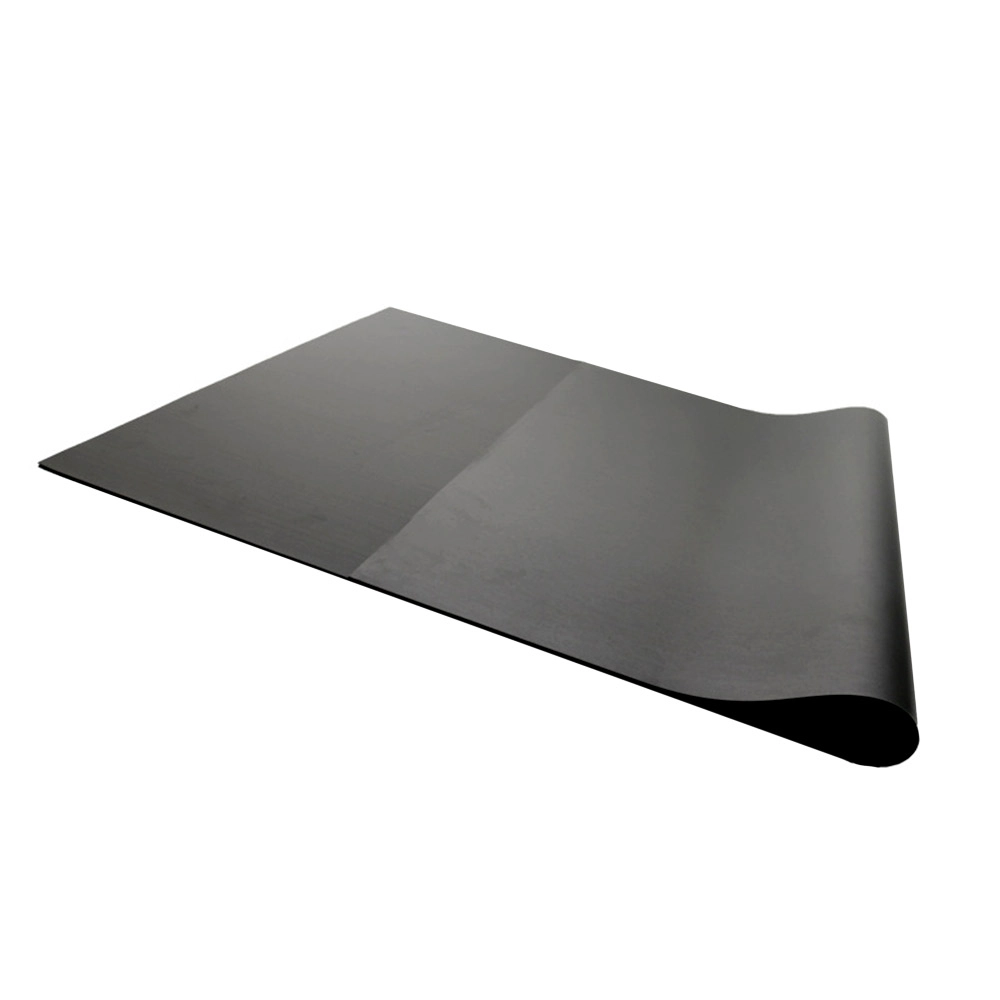
Mass Loaded Vinyl for Ceiling Noise Reduction
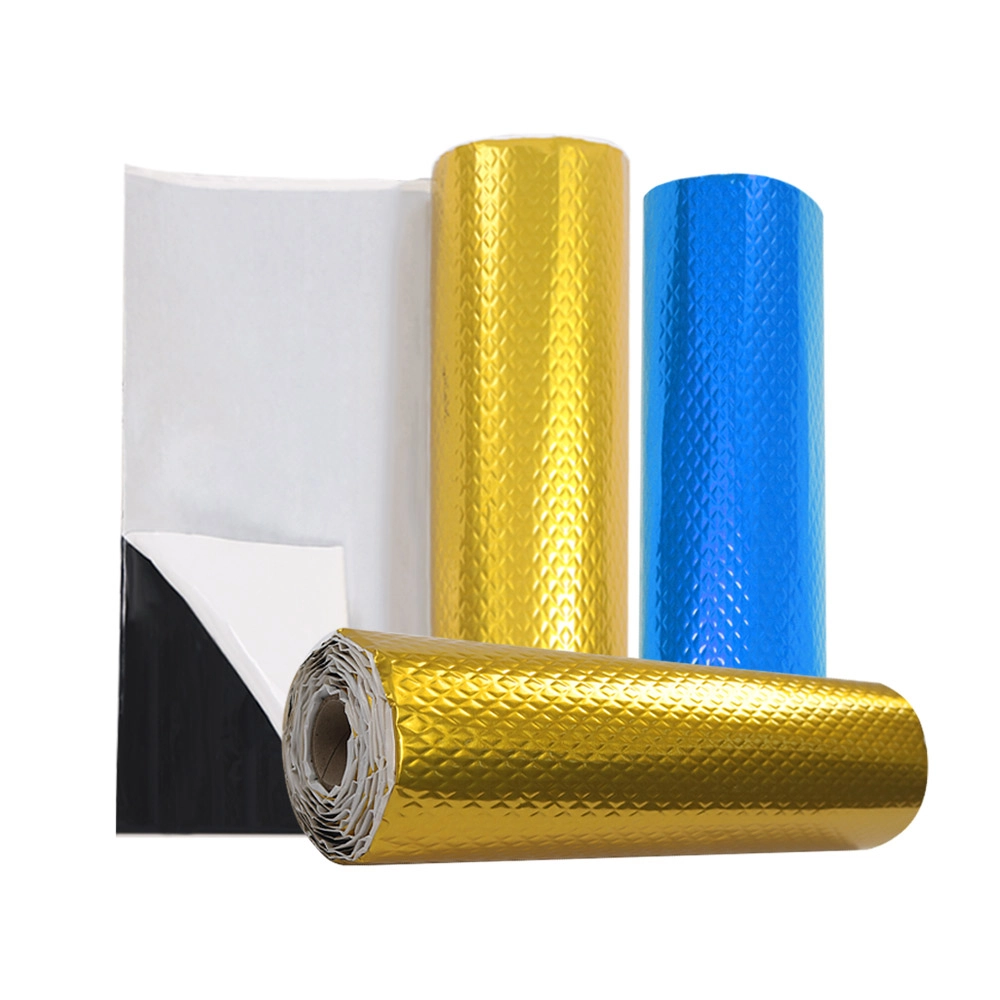
Butyl Rubber Sound Damping Mat
ASLONG Butyl Rubber Sound Damping Mat for sale. Effectively reduces noise and vibrations. High-quality butyl rubber ensures superior performance and durability. Ideal for automotive, industrial, and home applications.
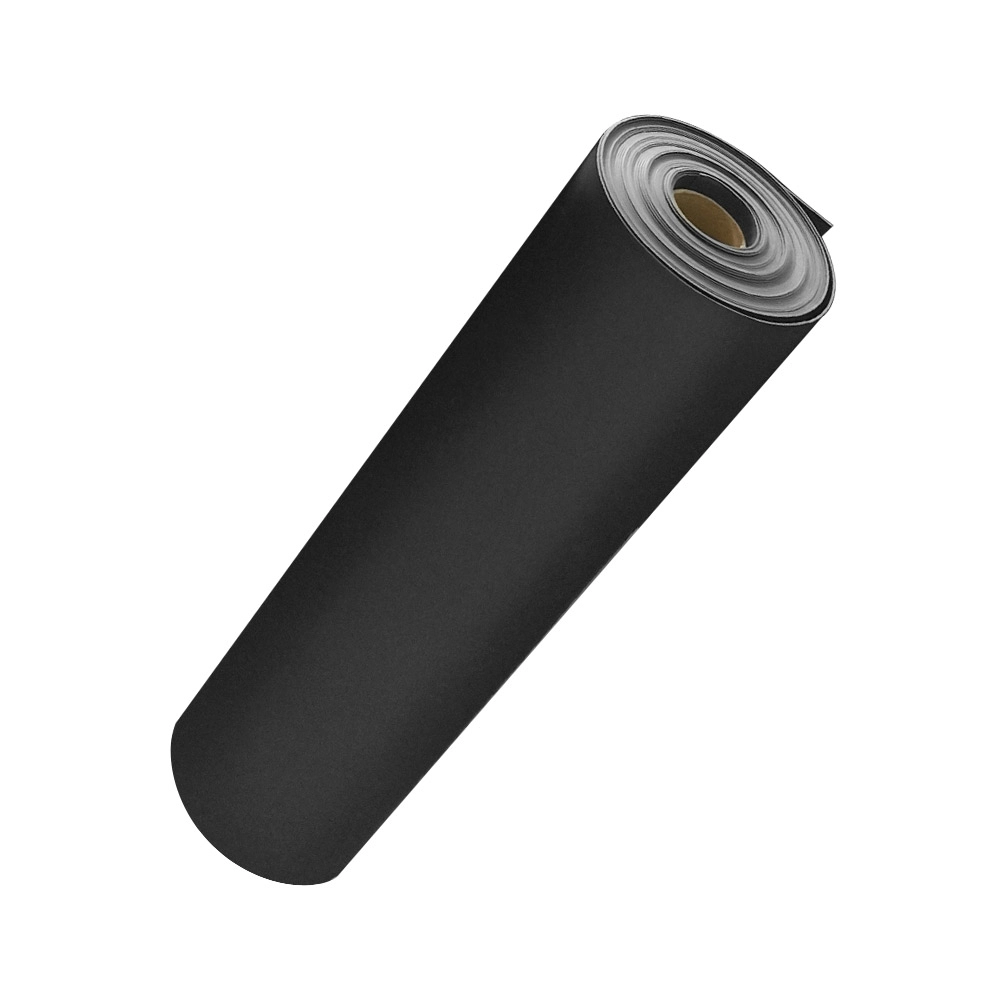
Mass Loaded Vinyl
ASLONG Mass Loaded Vinyl for sale. Reduce noise pollution effectively with our high-quality, mass-loaded vinyl. Ideal for soundproofing walls, floors, and more. Buy now and experience the difference!
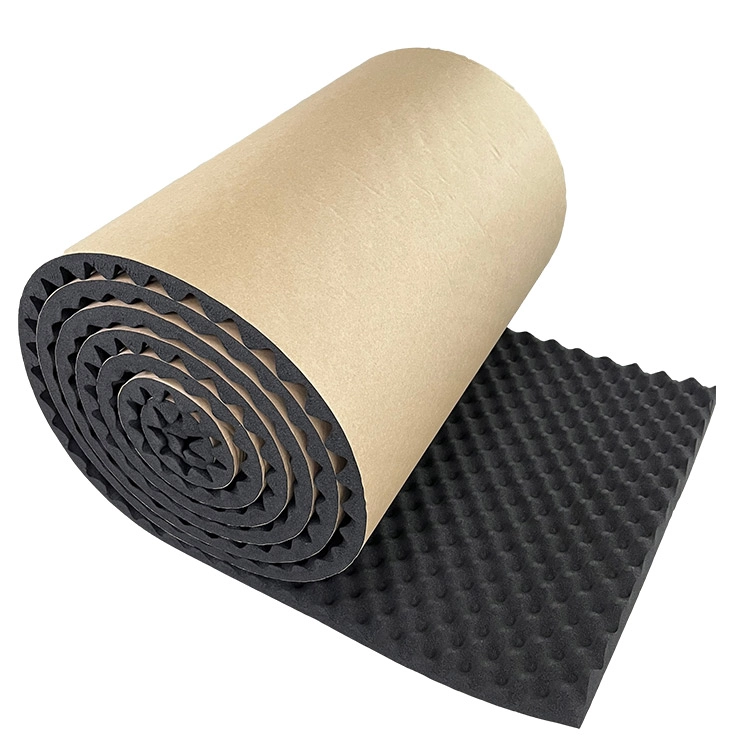
Egg Crate Foam
ASLONG Egg Crate Foam for sale. Lightweight, breathable, and comfortable, our egg crate foam provides superior support and pressure relief. Perfect for mattresses, cushions, cars, construction industry, KTV, factories, etc.
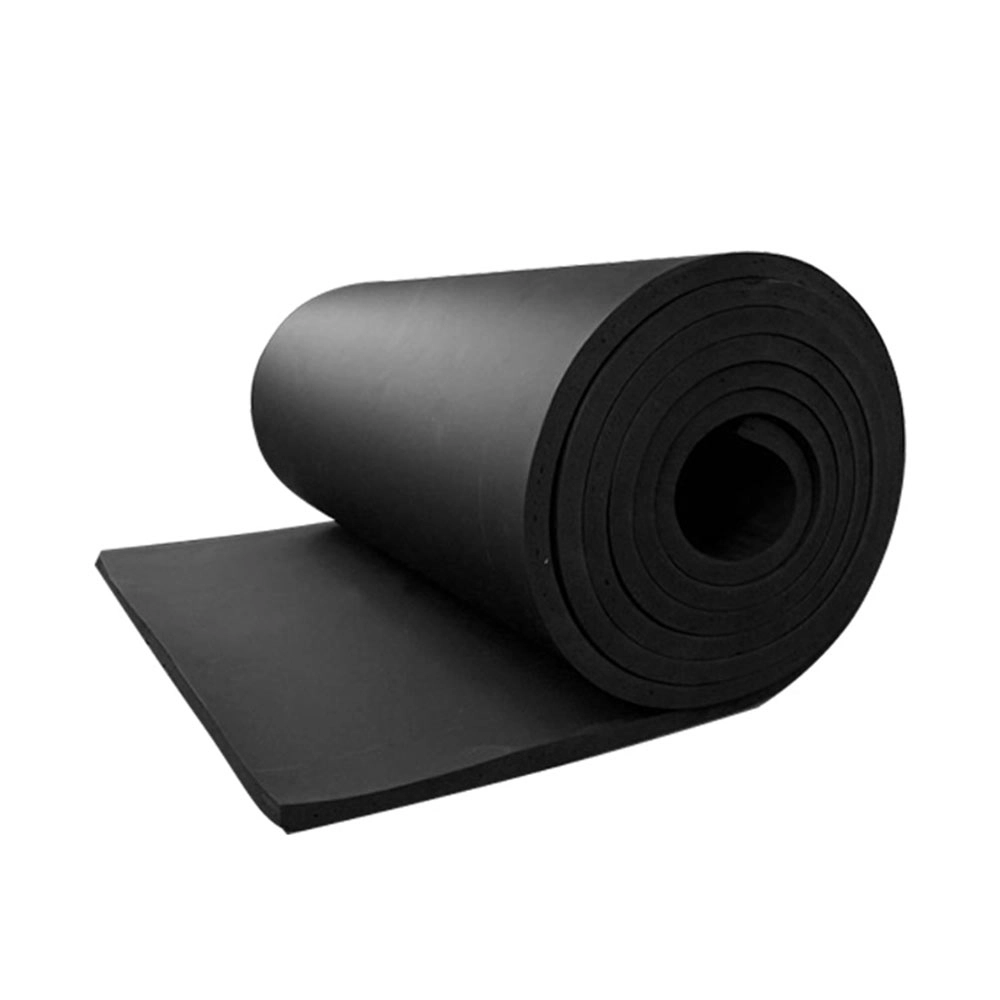
NBR Foam
ASLONG NBR Foam: Wholesale NBR foam solutions for diverse applications. High-quality, durable, and competitively priced. Contact us today for bulk orders.
Professional support at any time
If you have any comments or good suggestions, please leave us a message; later our professional staff will contact you as soon as possible.
© 2026 ASLONG All Rights Reserved. Privacy Policy | Terms and Conditions | Sitemap

 It would be pleasure to receive from you.
Whatsapp: +8613242879341
ASLONG Global
ASLONG
Aslong_global