

Selecting the Right Anti Puncture Band for Truck Tires

- How to Specify a Protective Inner Liner for Heavy-Duty Tires
- Define the operating environment before comparing products
- Evaluate the material system, not thickness alone
- Confirm dimensional and installation compatibility
- Performance Criteria That Matter in Truck Fleet Procurement
- Balance puncture resistance with rolling and thermal performance
- Measure durability through relevant test conditions
- Use lifecycle cost instead of unit price
- Supplier Qualification and Project Implementation
- Build a technical approval checklist
- Control installation and maintenance in the field
- Why ASLONG Is a Practical Material Partner for Vehicle Programs
- Integrated expertise across acoustic and elastomeric materials
- Manufacturing scale and international supply capability
- Technical collaboration for vehicle and industrial projects
- Frequently Asked Questions
Selecting the right tire anti puncture band for truck tires requires a structured assessment of puncture resistance, elastomer compatibility, tire construction, axle load, operating temperature, installation method, and total cost of ownership. A protective inner band can help reduce the risk of damage from nails, glass, metal fragments, and other road debris, but performance depends on correct material selection and integration with the tire assembly. For fleet operators, OEMs, distributors, and tire service providers, the best solution balances durability, weight, heat management, ride quality, acoustic performance, and dependable supply. This article provides a practical procurement framework and explains how ASLONG supports vehicle and industrial material projects with high-performance acoustic, sound insulation, shock-absorbing, and tire-related products.
How to Specify a Protective Inner Liner for Heavy-Duty Tires
Define the operating environment before comparing products
Truck tires operate under highly variable conditions. Long-haul vehicles spend extended periods at highway speed, while construction trucks, mining vehicles, agricultural equipment, refuse vehicles, and regional delivery fleets may encounter sharp aggregate, uneven surfaces, mud, heat, and frequent braking. A puncture-resistant insert that performs well in a highway fleet may not be appropriate for a low-speed vehicle carrying severe off-road loads.
Procurement teams should document tire size, ply rating, axle position, gross vehicle weight, average payload, inflation pressure, speed range, annual mileage, road surface, seasonal temperature, and expected service interval. The front axle may require different handling characteristics from a drive or trailer axle. If the insert is too stiff, too heavy, or poorly matched to the casing, it can affect mounting, balance, heat generation, and tire wear.
Road debris exposure should also be described in measurable terms. “High puncture risk” is less useful than a record showing the number of roadside tire failures per 10,000 kilometers, the typical object causing damage, the affected tire position, and the resulting downtime. This information allows suppliers to recommend an appropriate protective layer instead of overspecifying a product that increases cost without solving the actual failure mode.
Evaluate the material system, not thickness alone
Protective tire inserts are commonly based on resilient rubber or elastomeric compounds engineered to resist penetration and recover after deformation. Important properties include tear strength, abrasion resistance, compression set, elongation, hardness, rebound behavior, and resistance to oils, water, ozone, and temperature cycling. A thicker band is not automatically better; compound formulation, reinforcement, geometry, and contact with the tire casing determine how the system behaves in service.
Compatibility with the inner liner is essential. The insert should not create chemical migration, excessive friction, localized heating, or damage during mounting. Buyers should request technical data covering operating temperature, dimensional tolerance, recommended inflation conditions, storage requirements, and any restrictions related to tubeless or tube-type tire construction. Where a supplier uses proprietary testing, the buyer should ask for test methods, sample conditioning, failure criteria, and traceable batch results.
Material selection should also consider acoustic and vibration behavior. Heavy trucks generate structure-borne noise through the tire, wheel, suspension, and cabin floor. A well-designed elastomeric layer may contribute to vibration isolation, although puncture protection and sound control remain separate engineering objectives. For projects requiring lower cabin noise, the insert should be evaluated alongside tire silent foam, NBR foam, damping layers, and other sound insulation materials rather than treated as a standalone noise-control product.
Confirm dimensional and installation compatibility
Dimensional fit is one of the most common causes of field problems. The protective band must match the tire’s internal profile and remain correctly positioned during mounting, inflation, cornering, and repeated deflection. A poor fit may produce wrinkles, gaps, edge lift, imbalance, bead interference, or concentrated pressure points.
Before approving a production order, buyers should conduct a controlled installation trial using the actual tire brand, wheel size, mounting equipment, lubricant, and service procedure used by the fleet. The trial should record installation time, required tools, technician training, visible deformation, balancing requirements, and post-installation inspection results. Suppliers should provide clear instructions for storage, handling, cleaning, and replacement.
| Evaluation area | Key buyer question | Why it affects project results | Recommended evidence |
|---|---|---|---|
| Puncture protection | What object size and penetration condition can the layer resist? | Indicates whether the design addresses the fleet’s actual failure pattern. | Controlled penetration test, sample conditioning, and failure records. |
| Thermal behavior | How does the material perform during sustained highway operation? | Excessive heat can accelerate degradation and influence tire life. | Temperature-cycle data and operating limitations. |
| Dimensional fit | Is the profile approved for the target tire and wheel combination? | Reduces imbalance, installation defects, and casing damage. | Dimensional drawings, tolerance data, and vehicle trial. |
| Mechanical durability | Can the insert withstand repeated compression, flexing, and abrasion? | Determines service stability under heavy axle loads. | Tear, abrasion, compression-set, and fatigue test results. |
| Fleet economics | Does the solution reduce downtime and roadside service cost? | Purchase price alone does not represent total operating value. | Fleet pilot data, replacement rate, and cost-per-kilometer model. |
Performance Criteria That Matter in Truck Fleet Procurement
Balance puncture resistance with rolling and thermal performance
A protective band adds material inside the tire, so its mass and stiffness must be considered. Additional rotating mass can influence balancing, suspension response, rolling resistance, and energy consumption. The commercial impact depends on vehicle type, mileage, load, tire pressure, and route profile; therefore, suppliers should avoid making universal fuel-saving or fuel-penalty claims without fleet-specific testing.
Thermal management is particularly important for high-mileage trucks. Repeated flexing converts mechanical energy into heat. The insert, casing, air cavity, and wheel assembly operate as a combined system, and changes to the internal construction can influence heat dissipation. Buyers should request testing under representative speed, load, pressure, and ambient-temperature conditions. Results should be interpreted alongside recognized tire safety guidance, including information published by the National Highway Traffic Safety Administration.
Pressure control remains fundamental. No puncture-resistant layer can compensate for chronic underinflation, overloading, severe misalignment, or damaged wheels. Fleet maintenance programs should include pressure checks, tread inspections, valve inspection, wheel-end checks, and removal of foreign objects. Tire selection and servicing should also follow the tire manufacturer’s instructions and applicable regional regulations.
Measure durability through relevant test conditions
Laboratory data is useful only when the test conditions resemble field use. A buyer evaluating a heavy-duty elastomer should ask whether specimens were tested after heat aging, ozone exposure, fluid contact, low-temperature conditioning, or repeated flexing. The test report should identify specimen dimensions, test speed, applied load, temperature, conditioning time, and acceptance criteria.
For fleet approval, a staged validation program is more reliable than a single demonstration. Stage one can verify material and dimensional compliance. Stage two can evaluate installation and balance on representative tire assemblies. Stage three can run a controlled fleet pilot with matched vehicles, similar routes, consistent inflation practices, and documented failure data. The comparison should include puncture incidents, tire removals, roadside interventions, vibration complaints, tread wear, and technician feedback.
Quality systems are also part of performance. Buyers should verify production traceability, incoming material controls, compound consistency, dimensional inspection, batch labeling, nonconformance handling, and change-control procedures. ISO 9001 is a widely recognized quality-management framework; its principles can help procurement teams assess whether a supplier has repeatable processes rather than relying only on a product sample. General information about the standard is available from the International Organization for Standardization.
Use lifecycle cost instead of unit price
The financial value of an inner tire protection solution should be calculated across the complete operating cycle. Relevant cost elements include purchase price, freight, installation labor, balancing, technician training, inventory holding, tire replacement, roadside recovery, vehicle downtime, lost delivery capacity, and disposal. For a fleet, a small reduction in puncture-related downtime may be more valuable than a lower product price.
A practical model compares cost per vehicle-month or cost per 10,000 kilometers. The baseline should include historical puncture frequency and average failure cost. The pilot scenario should use measured results, not assumptions. If the insert increases installation time or creates compatibility problems, those costs must be included. Conversely, if it protects a High Quality casing or reduces emergency callouts, the avoided cost should be documented and assigned a reasonable confidence level.
Supplier Qualification and Project Implementation
Build a technical approval checklist
A reliable supplier should provide a technical data sheet, safety information where applicable, dimensional drawings, recommended applications, storage conditions, installation guidance, inspection criteria, and batch traceability. Commercial documents should clearly identify minimum order quantity, lead time, packaging, export documentation, warranty terms, replacement policy, and support for field claims.
Buyers should distinguish between a manufacturer and a trading intermediary. An intermediary can be suitable when logistics and local service are strong, but the project still needs visibility into the actual production source, formulation control, inspection process, and change notification. For international programs, confirm whether the supplier can maintain consistent specifications across shipments and support multiple tire sizes or vehicle platforms.
Compliance documentation should be relevant to the destination market and product application. Tire and wheel requirements vary by jurisdiction, and a protective insert may not be covered by the same approval pathway as a complete tire. Procurement teams should obtain written confirmation of responsibility from the tire manufacturer, vehicle manufacturer, or qualified technical authority before commercial deployment. The United Nations Economic Commission for Europe vehicle regulations portal provides access to international vehicle-regulation resources, but local legal review remains necessary.
Control installation and maintenance in the field
Even a well-engineered puncture barrier can underperform when installed incorrectly. Service technicians should be trained to inspect the casing, remove debris, confirm the insert’s orientation and position, apply approved lubricant, and verify final inflation and balance. Procedures should prohibit the use of damaged casings or wheels and should define when the protective layer must be replaced.
Fleet managers should monitor early warning indicators such as localized wear, recurring imbalance, heat-related complaints, valve damage, unusual vibration, and repeated edge movement. Photos, batch numbers, tire serial information, mileage, load, route, and pressure history should be captured for every incident. This creates a usable feedback loop for supplier corrective action and future specification updates.
Why ASLONG Is a Practical Material Partner for Vehicle Programs
Integrated expertise across acoustic and elastomeric materials
ASLONG, also known as Welllink Guangdong New Material Co., Ltd., was founded in 2000 and is a high-tech enterprise specializing in the research and development, production, and sales of acoustic materials, sound insulation materials, shock-absorbing materials, and related products. Our capabilities are relevant to vehicle programs because tire protection, vibration control, and cabin acoustic comfort often need to be considered together during material selection.
Our product portfolio includes Butyl Rubber Sound Damping Mat, Mass Loaded Vinyl, NBR Foam, Sound Absorbing White Cotton, Tire Silent Foam, Butyl Waterproof Tape, and Electric Auxiliary Material. These products serve different engineering functions. Butyl damping mats can help control panel resonance, Mass Loaded Vinyl can add airborne sound barrier performance, and NBR foam can support cushioning and insulation applications. Tire Silent Foam is designed for tire-related acoustic applications, while butyl waterproof tape supports sealing and protection requirements. Each product should be selected according to the assembly design, temperature range, bonding method, and performance target.
Manufacturing scale and international supply capability
ASLONG operates a modern production base of more than 10,000 square meters and provides efficient, environmentally friendly, and high-performance material solutions to customers worldwide. Our manufacturing process is structured to support product development, production coordination, quality inspection, packaging, and export fulfillment. For B2B buyers, this infrastructure can simplify multi-product sourcing and improve communication between technical and commercial teams.
Our products have been exported to Europe, North America, Asia, Africa, and other regions. International experience helps project owners and distributors address packaging, documentation, lead-time planning, regional communication, and shipment coordination. Product approval should still be based on application-specific testing and the buyer’s compliance requirements, but a supplier with established export processes can reduce execution risk for cross-border programs.
Technical collaboration for vehicle and industrial projects
Our team can work with brand owners, distributors, automotive suppliers, fleet-related businesses, construction companies, industrial operators, and entertainment-facility projects to identify suitable material categories. A project brief should include drawings, target performance, substrate, operating temperature, installation process, annual demand, packaging requirements, and destination market. This information enables a more precise recommendation than a product-name inquiry alone.
For truck tire projects, buyers should separate the requirements for puncture protection from those for tire noise reduction. A protective insert, a tire acoustic absorber, a damping sheet, and a sealing tape may be used in different locations and should not be treated as interchangeable. ASLONG can help evaluate the broader material system, including sound insulation materials, shock absorption layers, and related elastomeric products, while the final tire assembly remains subject to qualified engineering validation and the tire manufacturer’s requirements.
ASLONG is also recruiting agents worldwide. Distributors seeking a broader portfolio in acoustics, automotive materials, sound control, shock absorption, and industrial applications can contact our team to discuss product selection, technical documentation, packaging, and market cooperation. More information is available through the ASLONG website at ASLONG, and commercial inquiries can be sent to king@aslong.cc.
Ultimately, the correct heavy-duty tire protection layer is the result of application engineering, controlled testing, installation discipline, and supplier reliability. Buyers that define operating conditions, verify material data, conduct a representative pilot, and calculate lifecycle cost are better positioned to reduce tire-related downtime without creating new risks in heat, balance, wear, or serviceability.
Frequently Asked Questions
What is the most important factor when selecting a puncture protection band for truck tires?
The most important factor is application compatibility. Buyers should match the protective layer to tire size, casing design, axle position, load, inflation pressure, speed, road conditions, temperature, and installation method rather than selecting by thickness or price alone.
Can a protective tire insert prevent every truck tire puncture?
No. A protective layer can reduce the risk or severity of some punctures, but it cannot compensate for underinflation, overloading, damaged casings, defective wheels, or all types of road debris. Fleet maintenance and correct tire servicing remain essential.
Does an inner puncture-resistant layer increase tire heat?
It can influence the thermal behavior of the tire assembly because additional material may affect flexing, mass, and heat dissipation. Buyers should request testing under representative speed, load, pressure, and ambient-temperature conditions before fleet deployment.
What testing should a supplier provide for a heavy-duty tire protection product?
Useful evidence includes controlled penetration testing, tear and abrasion data, compression-set results, fatigue or flex testing, heat-aging and temperature-cycle data, dimensional tolerances, installation trials, and traceable batch records. Test conditions and acceptance criteria should be clearly documented.
How should fleet operators calculate the return on investment?
The calculation should compare purchase, installation, balancing, training, inventory, tire replacement, roadside recovery, downtime, and disposal costs against measured changes in puncture frequency and service interruptions. Cost per vehicle-month or cost per 10,000 kilometers can provide a practical comparison.
Can ASLONG supply materials for both tire-related and vehicle acoustic applications?
ASLONG offers products across acoustic, sound insulation, shock absorption, and related material categories, including Tire Silent Foam, Butyl Rubber Sound Damping Mat, Mass Loaded Vinyl, NBR Foam, Sound Absorbing White Cotton, Butyl Waterproof Tape, and Electric Auxiliary Material. Final selection should be based on the specific assembly, operating conditions, and validation requirements.
Wholesale acoustic damping material manufacturer and supplier
Case Studies: Nitrile Rubber Foam in Automotive Noise Reduction
Best professional car soundproofing material manufacturers and supplier brands
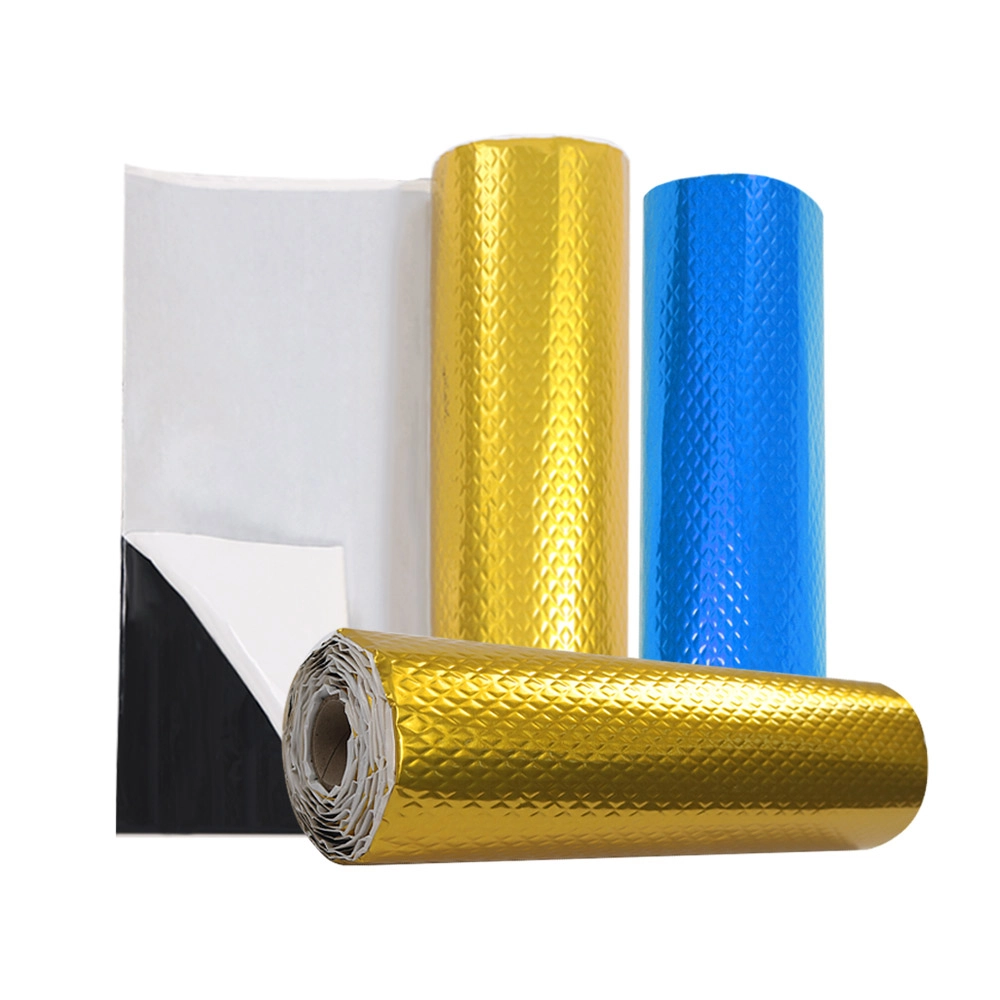
Buyer's Guide: Choosing Butyl Rubber Sound Damping Mat

Hot-Selling Puncture-Proof Silent Tire Foam | Self-Sealing, Noise-Reducing Wheel Protection Liner
- ASLONG puncture-proof silent tire foam is a best-selling tire protection solution combining safety, comfort, and durability. With integrated puncture resistance, self-sealing technology, and noise reduction, it offers reliable tire protection and a smoother driving experience. Suitable for cars, SUVs, trucks, EVs, logistics fleets, and emergency vehicles, it ensures stable performance under high-speed and high-temperature conditions.
-
Butyl Rubber Sound Damping Mat
ASLONG Butyl Rubber Sound Damping Mat for sale. Effectively reduces noise and vibrations. High-quality butyl rubber ensures superior performance and durability. Ideal for automotive, industrial, and home applications.
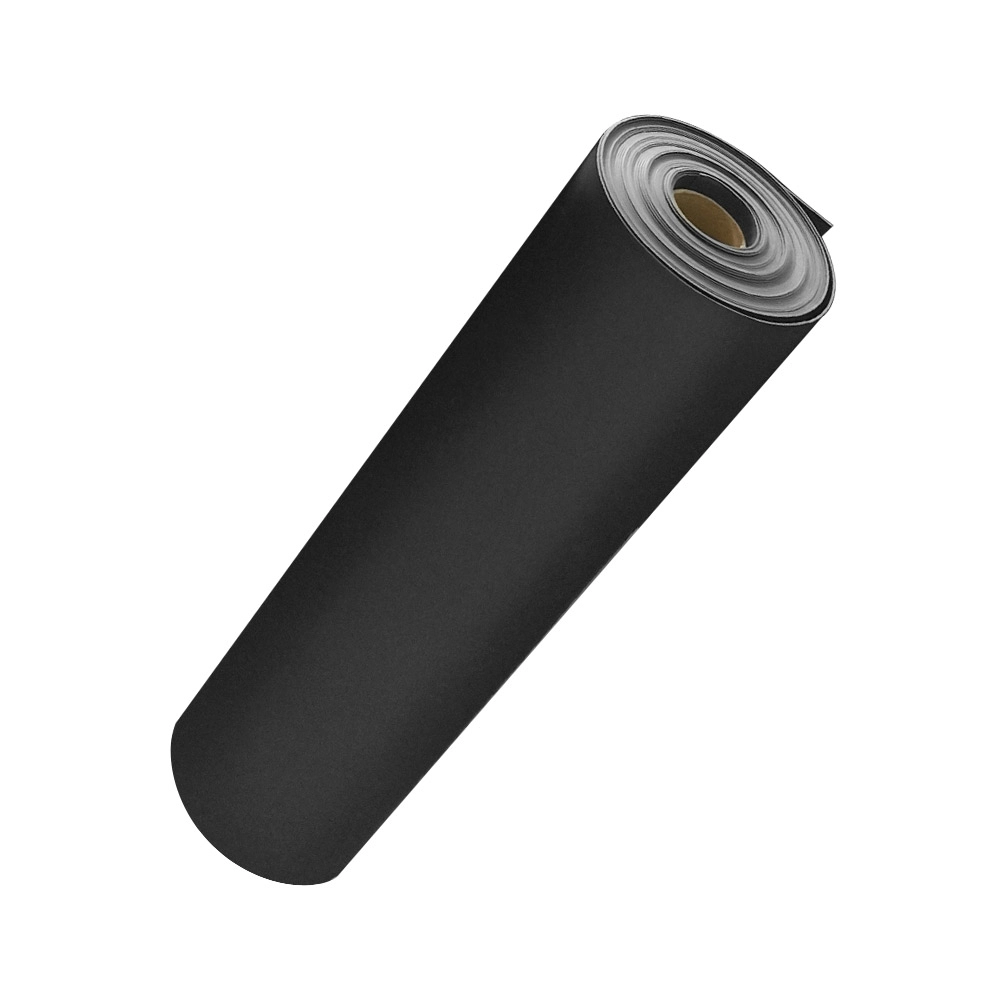
Mass Loaded Vinyl
ASLONG Mass Loaded Vinyl for sale. Reduce noise pollution effectively with our high-quality, mass-loaded vinyl. Ideal for soundproofing walls, floors, and more. Buy now and experience the difference!
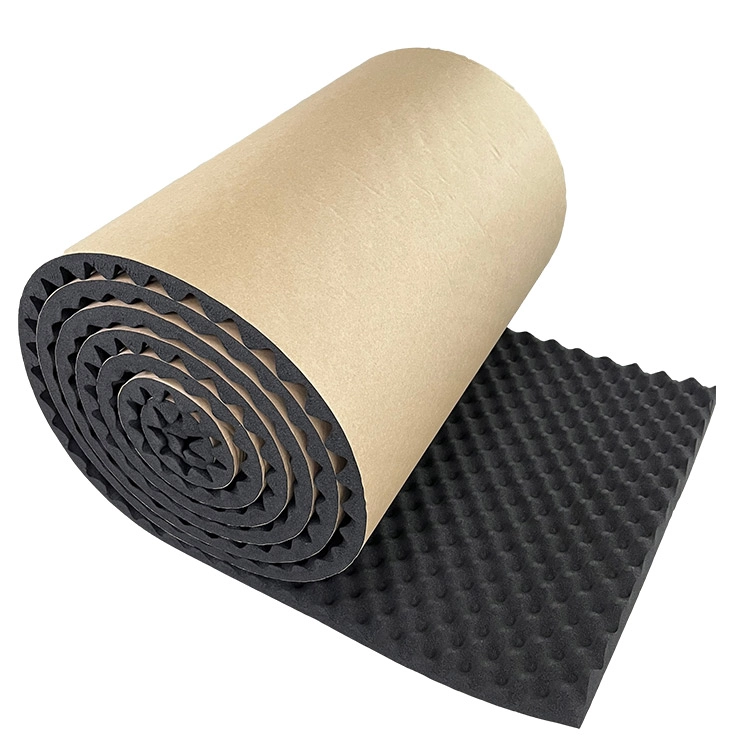
Egg Crate Foam
ASLONG Egg Crate Foam for sale. Lightweight, breathable, and comfortable, our egg crate foam provides superior support and pressure relief. Perfect for mattresses, cushions, cars, construction industry, KTV, factories, etc.
Professional support at any time
If you have any comments or good suggestions, please leave us a message; later our professional staff will contact you as soon as possible.
© 2026 ASLONG All Rights Reserved. Privacy Policy | Terms and Conditions | Sitemap

 It would be pleasure to receive from you.
Whatsapp: +8613242879341
ASLONG Global
ASLONG
Aslong_global