

How to Select Sound Dampening Material by Noise Source, Frequency Range, and Installation Environment

- A Practical Framework for Matching Acoustic Treatments to Noise Problems
- Start with the transmission path, not the product name
- Classify the source before specifying a material
- Use measurements to confirm the dominant problem
- How Frequency Range Changes the Material Selection
- Low-frequency noise needs mass, damping, and isolation
- Mid-frequency noise is often controlled through absorption and panel damping
- High-frequency noise depends heavily on gaps and surface finish
- Installation Environment, Compliance, and Total Project Cost
- Match the product to temperature, moisture, chemicals, and movement
- Evaluate the complete assembly instead of isolated material claims
- Compare lifecycle value, not only purchase price
- Why ASLONG Is a Practical Partner for Acoustic Material Procurement
- Integrated product coverage for different transmission mechanisms
- Manufacturing capacity and international supply capability
- Engineering support for specification and commercialization
- Frequently Asked Questions
Choosing the right sound dampening material begins with identifying the noise source, its dominant frequency range, and the path through which acoustic energy travels. Airborne speech and machinery noise usually require a mass barrier or sound-absorbing treatment, while vibrating panels, vehicle bodywork, pumps, compressors, and rotating equipment often need viscoelastic damping or resilient isolation. Installation conditions also determine whether the selected solution must resist moisture, oil, heat, compression, fire exposure, UV radiation, or repeated vibration. A reliable procurement decision therefore combines acoustic performance data with substrate compatibility, installation method, regulatory requirements, lifecycle cost, and supplier quality control. The principles below help buyers select sound insulation materials that address the actual transmission mechanism rather than simply adding thickness.
A Practical Framework for Matching Acoustic Treatments to Noise Problems
Start with the transmission path, not the product name
Noise control generally involves three mechanisms: absorption, damping, and insulation. Absorption reduces reflected sound energy inside a room or enclosure by converting part of the acoustic energy into heat. Damping reduces vibration and resonance in panels, sheets, vehicle bodies, doors, machine guards, and metal housings. Insulation, often described as sound blocking, increases resistance to airborne transmission through mass, airtight construction, decoupling, or a combination of these methods.
These functions are related but not interchangeable. A lightweight porous fiber can improve reverberation inside a room but may provide limited blocking of low-frequency machinery noise when installed without a dense barrier. Conversely, a heavy limp barrier can improve transmission loss but will not necessarily stop a steel panel from radiating sound if the panel continues to resonate. Buyers should map the source, receiver, and connecting structure before requesting quotations from suppliers.
Classify the source before specifying a material
Airborne noise includes voices, music, fans, exhaust noise, and general equipment sound traveling through air. Typical controls include acoustic enclosures, absorptive linings, airtight seals, double-leaf partitions, and flexible barriers. Structure-borne noise travels through floors, walls, frames, vehicle chassis, pipe supports, and equipment foundations. It is usually controlled through resilient mounts, vibration isolators, floating floors, flexible connectors, and vibration-damping layers.
Panel-borne noise occurs when a relatively thin surface vibrates and radiates sound. Doors, sheet-metal enclosures, vehicle doors, roofs, appliance cabinets, and machine covers are common examples. A viscoelastic butyl rubber damping layer can reduce resonant response when bonded correctly to the panel. Impact noise from footsteps, dropped objects, and industrial contact requires resilient underlay, decoupling, or impact isolation rather than only a wall-mounted absorber.
Use measurements to confirm the dominant problem
Subjective descriptions such as loud, harsh, booming, or rattling are useful starting points but insufficient for material selection. A basic survey should record sound pressure level, operating condition, source location, receiver location, and approximate octave or one-third-octave frequency content. Repeating measurements during startup, steady-state operation, peak load, and shutdown can reveal whether the problem is tonal, broadband, intermittent, or resonance-driven.
Testing and reporting should follow recognized methods where project decisions depend on quantified performance. ISO 16283-1 addresses field measurement of airborne sound insulation between rooms, while ISO 10140-2 covers laboratory measurement of airborne sound insulation in building elements. These standards do not eliminate the need for engineering judgment, but they help buyers compare test results that were generated under defined conditions.
How Frequency Range Changes the Material Selection
Low-frequency noise needs mass, damping, and isolation
Low-frequency energy is difficult to control because it can excite large surfaces, travel through structures, and remain perceptible even when higher-frequency sound has been reduced. Diesel engines, compressors, HVAC equipment, subwoofers, transformers, and vehicle powertrains can all create strong low-frequency components. Effective solutions often combine a dense limp barrier with a damping layer, airtight construction, and resilient separation from the supporting structure.
Mass Loaded Vinyl is commonly considered when a flexible, high-density barrier is needed within wall systems, ceilings, equipment enclosures, vehicle interiors, partitions, or access panels. Its performance depends on installation continuity, surface coverage, overlap treatment, and the surrounding assembly. Adding a heavy sheet to a system with open gaps, rigid flanking paths, or poorly sealed penetrations can produce disappointing results.
Mid-frequency noise is often controlled through absorption and panel damping
Speech, many tools, fans, pumps, and general industrial activity contain significant mid-frequency energy. Porous absorbers such as polyester fiber, mineral fiber, or acoustic cotton can reduce reverberation and reflection when they are exposed to the sound field with sufficient thickness and air space. In a machinery enclosure, an absorber is normally installed on the inside surface while a barrier or rigid shell limits transmission to the surrounding area.
Where the dominant issue is a vibrating metal panel, a Butyl Rubber Sound Damping Mat can be more appropriate than a thick room absorber. The damping sheet should be bonded to a clean, compatible surface and applied according to the supplier’s recommendations for temperature, pressure, curvature, and coverage. Partial coverage may be suitable for some resonant panels, but full coverage or a verified coverage ratio is often preferred when the panel has multiple modes or broad operating conditions.
High-frequency noise depends heavily on gaps and surface finish
High-frequency sound is easier to absorb in many room and enclosure applications, but it also exposes installation weaknesses. Small openings around doors, cable routes, ducts, inspection panels, and service penetrations can undermine an otherwise strong assembly. Flexible sealing tapes, acoustic sealants, gaskets, and closed-cell foams can reduce leakage when selected for the joint geometry and environmental exposure.
NBR Foam may be useful where closed-cell cushioning, sealing, thermal resistance, and resistance to oils or certain industrial conditions are required. It should not automatically be treated as a complete sound barrier. Its value often comes from closing leakage paths, reducing contact vibration, and creating a resilient interface within a larger acoustic system.
| Noise condition | Typical dominant concern | Suitable control category | Important procurement checks |
|---|---|---|---|
| Rotating machinery or engine vibration | Low-frequency structure-borne energy and panel resonance | Viscoelastic damping, resilient mounts, flexible connectors, dense barriers | Loss factor, temperature range, bonding strength, compression behavior, fatigue resistance |
| Speech, office activity, and general airborne noise | Mid-frequency transmission and reverberation | Absorptive panels, sealed partitions, cavity insulation, mass barriers | Absorption data, surface coverage, fire classification, airtight detailing |
| Fans, ducts, and high-speed air systems | Broadband airborne noise and leakage | Duct lining, enclosure absorption, barrier wraps, gaskets and seals | Airflow compatibility, cleanability, moisture resistance, installation continuity |
| Vehicle road and tire noise | Panel vibration, airborne cavity noise, and impact excitation | Butyl damping sheets, lightweight barriers, tire or cavity foam, resilient interfaces | Weight, adhesion, odor, heat aging, water resistance, assembly cycle time |
| Footfall or dropped-object impact | Impact transmission through floors and framing | Resilient underlay, decoupled floor construction, vibration isolation | Dynamic stiffness, load rating, permanent deformation, compatibility with flooring |
Installation Environment, Compliance, and Total Project Cost
Match the product to temperature, moisture, chemicals, and movement
A material that performs well in a dry laboratory may fail in a vehicle, plant room, façade cavity, ship compartment, or outdoor enclosure. Product screening should include service temperature, humidity, water exposure, condensation, oil or solvent contact, UV exposure, vibration cycles, compression set, and expected maintenance access. Adhesive systems must be evaluated separately from the acoustic layer because bond failure can eliminate the intended damping or sealing effect.
For wet or wash-down areas, closed-cell products and moisture-resistant barrier systems may offer advantages, but edge sealing and drainage remain important. In high-temperature equipment zones, the buyer should request documented operating limits rather than relying on general terms such as heat resistant. In public buildings and transport projects, fire behavior, smoke development, VOC emissions, and local building-code requirements may be decisive. The World Health Organization environmental noise guidelines provide health-oriented context for environmental exposure, although project-specific material compliance must still be checked against applicable national standards.
Evaluate the complete assembly instead of isolated material claims
Acoustic performance is a property of a system, not only a roll, sheet, or panel. The final result depends on substrate mass, cavity depth, framing, fasteners, joints, flanking transmission, surface coverage, and workmanship. Buyers should request test reports that identify specimen construction, thickness, frequency bands, mounting method, and laboratory or field conditions. A single overall rating cannot replace frequency-specific information where the noise source is tonal or strongly concentrated.
Installation documentation should define overlap, seam treatment, corner detailing, adhesive preparation, mechanical fixing, allowable stretch, and repair procedures. A supplier able to provide drawings, samples, technical data sheets, safety documentation, and batch traceability can reduce site risk. For international projects, documentation should also support customs, local certification, product labeling, and distributor training.
Compare lifecycle value, not only purchase price
The lowest unit price may create higher project cost if the product is difficult to cut, heavy to handle, incompatible with automated assembly, vulnerable to delamination, or frequently replaced. A procurement comparison should include material quantity, labor minutes, tooling, transport volume, installation waste, maintenance access, downtime, and expected service life. In automotive and industrial applications, weight can affect energy consumption, payload, and equipment efficiency; in buildings, thickness can affect usable space and the dimensions of doors, cavities, and service routes.
Buyers should also distinguish laboratory transmission loss from installed performance. The ISO acoustic measurement framework is useful for controlled comparisons, while on-site commissioning confirms whether the installed system addresses the actual source and receiver conditions. Where worker exposure is a concern, organizations can also consult OSHA noise and hearing conservation guidance for workplace risk-management context.
Why ASLONG Is a Practical Partner for Acoustic Material Procurement
Integrated product coverage for different transmission mechanisms
ASLONG, also known as Welllink Guangdong New Material Co., Ltd., was founded in 2000 as a high-tech enterprise specializing in the research and development, production, and sales of acoustic materials, sound insulation materials, shock-absorbing materials, and related products. Our portfolio is designed to support multiple stages of an acoustic system rather than forcing buyers to source every component from a separate supplier.
Our Butyl Rubber Sound Damping Mat is suited to panel resonance control in automotive, industrial, building, and equipment applications. Mass Loaded Vinyl provides a flexible dense barrier option for airborne sound transmission. NBR Foam supports sealing, cushioning, and interface applications where environmental resistance is important. Sound Absorbing White Cotton can be used for reverberation control and cavity absorption when the construction and fire requirements are properly matched.
For specialized applications, Tire Silent Foam addresses cavity and tire-related acoustic requirements, while Butyl waterproof tape supports joint protection and sealing continuity. Electric auxiliary material extends our product range into related electrical and installation support applications. The correct selection still depends on the project’s frequency profile, assembly design, and operating environment; our product breadth helps engineers build a coordinated specification.
Manufacturing capacity and international supply capability
We operate a modern production base covering more than 10,000 square meters and focus on efficient, environmentally responsible, and high-performance material solutions. Our manufacturing process supports consistent product formats, thickness options, roll or sheet supply, and application-oriented customization subject to technical review. Quality control should be confirmed through current technical data, sample approval, production-batch management, and inspection records for the specific purchase order.
ASLONG products have been exported to Europe, North America, Asia, Africa, and other regions, supporting customers in construction, automotive, residential, industrial, and entertainment facilities. This international experience is relevant to B2B buyers that require stable export packaging, coordinated documentation, repeat-order consistency, and communication across distributors, contractors, OEMs, and project owners.
Engineering support for specification and commercialization
Our team can help buyers compare damping sheets, flexible barriers, foams, absorbers, tapes, and auxiliary materials according to source type, substrate, frequency range, installation sequence, and exposure conditions. A practical technical inquiry should include the application, substrate, dimensions, target noise reduction, temperature and moisture conditions, assembly method, annual volume, and required certifications. This information enables a more accurate recommendation than a request based only on thickness or price.
ASLONG is also recruiting agents worldwide. Distributors and regional partners can contact our team to discuss product positioning, samples, technical materials, market requirements, and project cooperation. More information is available at the ASLONG official website, and commercial inquiries can be sent to king@aslong.cc.
Contact ASLONG at king@aslong.cc or visit https://www.aslong.cc to discuss the right acoustic, damping, barrier, foam, tape, or auxiliary material for your project.
Frequently Asked Questions
How should buyers identify the right acoustic material for a noise problem?
Buyers should identify the source, receiver, and transmission path first, then determine whether the problem is airborne noise, structure-borne vibration, panel resonance, impact noise, or leakage. Frequency measurements, operating-condition records, substrate information, and environmental requirements should guide the final selection.
Is Mass Loaded Vinyl suitable for low-frequency noise?
Mass Loaded Vinyl can be considered when a flexible, high-density barrier is needed for airborne sound transmission, including some low-frequency applications. Its installed performance depends on continuity, overlap treatment, airtight sealing, surrounding assembly, and control of flanking paths.
When is a Butyl Rubber Sound Damping Mat more appropriate than acoustic cotton?
A Butyl Rubber Sound Damping Mat is generally more appropriate when a metal or composite panel is vibrating and radiating sound. Acoustic cotton or another porous absorber is normally selected to reduce reflections and reverberation inside a room, cavity, or enclosure. They address different acoustic mechanisms and may be used together.
What environmental conditions should be checked before purchasing sound insulation materials?
The buyer should check operating temperature, humidity, condensation, water exposure, oil and solvent contact, UV exposure, vibration cycles, compression set, fire behavior, smoke development, VOC requirements, adhesive compatibility, and maintenance access.
Why can a product with strong laboratory data perform poorly after installation?
Acoustic performance depends on the complete assembly, including substrate mass, cavity depth, joints, fasteners, flanking transmission, surface coverage, and workmanship. Gaps, rigid bridges, poor bonding, or unsealed penetrations can significantly reduce installed performance compared with controlled laboratory results.
Can ASLONG support international distributors and agents?
Yes. ASLONG is recruiting agents worldwide and supplies customers across Europe, North America, Asia, Africa, and other regions. Distributors and project buyers can contact the company to discuss samples, technical documentation, product positioning, and cooperation requirements.
How to manufacturing butyl rubber waterproof tape
Top 10 egg crate foam soundproofing panels manufacturers and suppliers
Best lightweight soundproofing materials for EV cabins
Tips for buy odorless car sound deadening mat
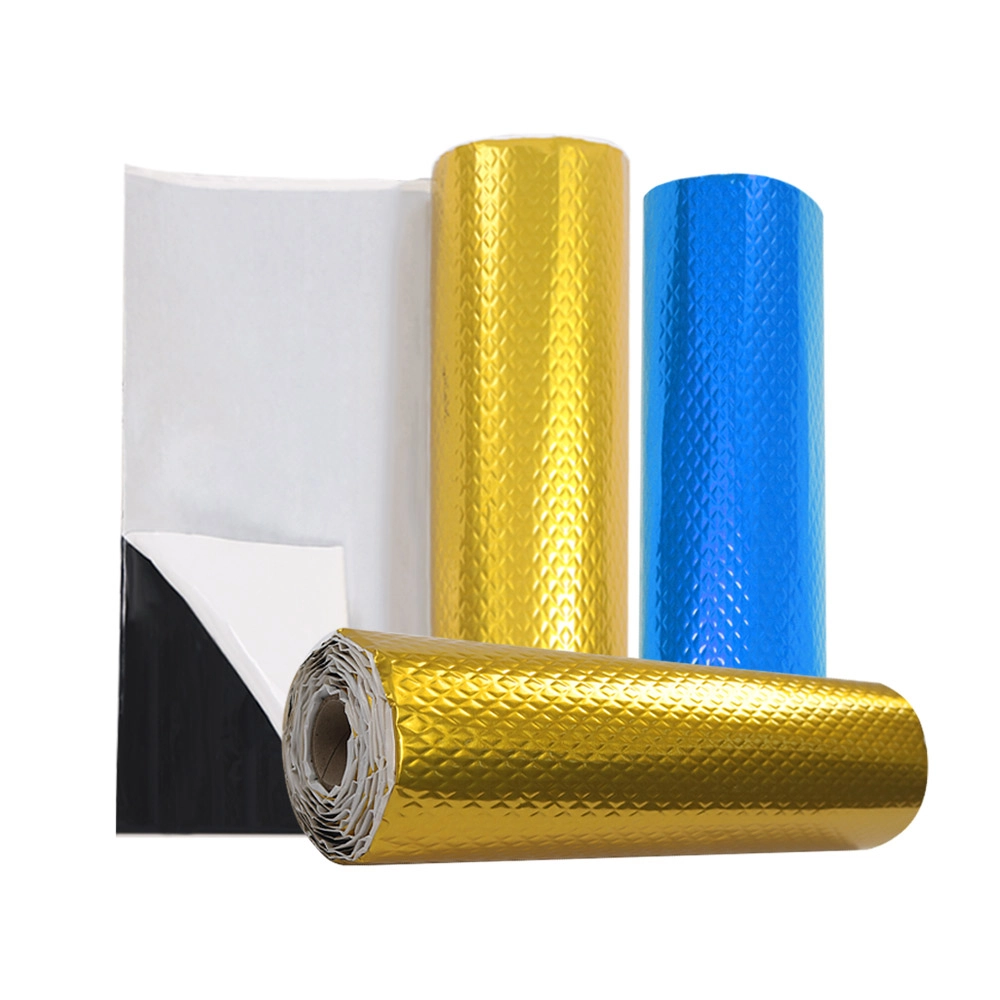
Butyl Rubber Sound Damping Mat
ASLONG Butyl Rubber Sound Damping Mat for sale. Effectively reduces noise and vibrations. High-quality butyl rubber ensures superior performance and durability. Ideal for automotive, industrial, and home applications.
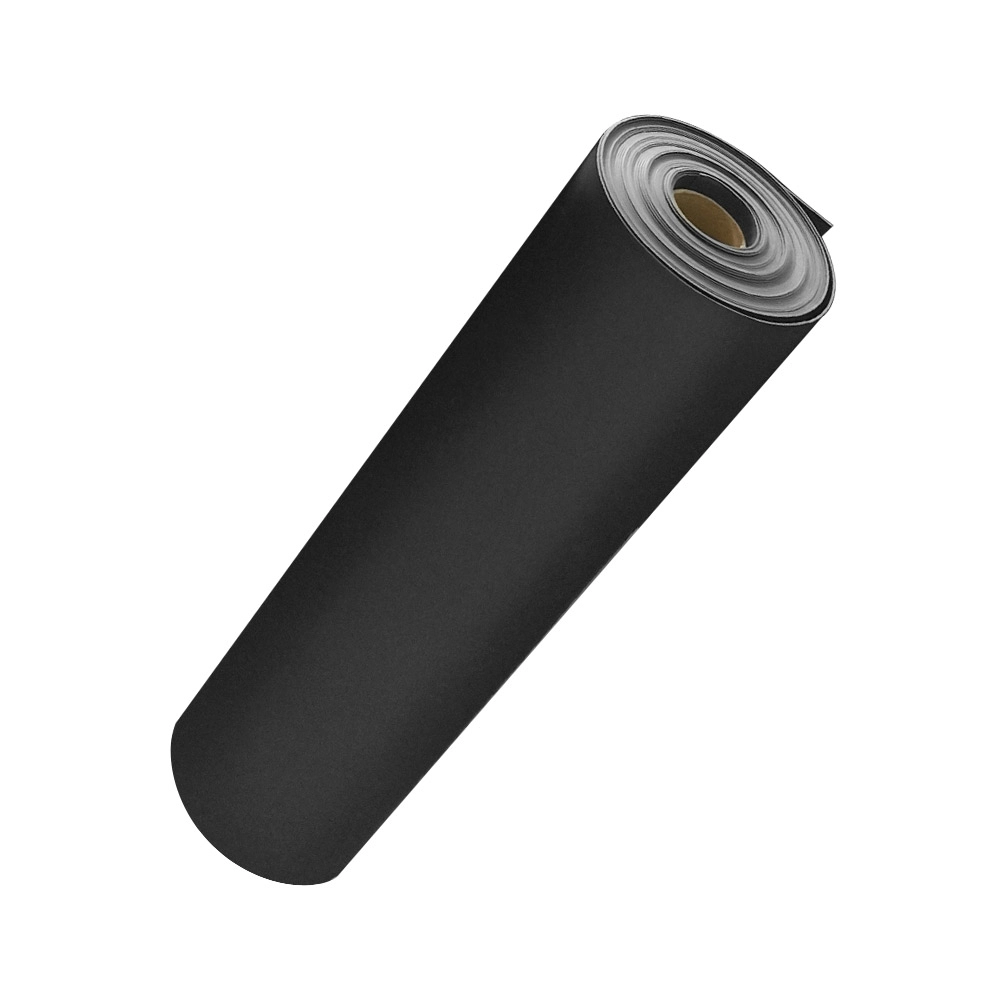
Mass Loaded Vinyl
ASLONG Mass Loaded Vinyl for sale. Reduce noise pollution effectively with our high-quality, mass-loaded vinyl. Ideal for soundproofing walls, floors, and more. Buy now and experience the difference!
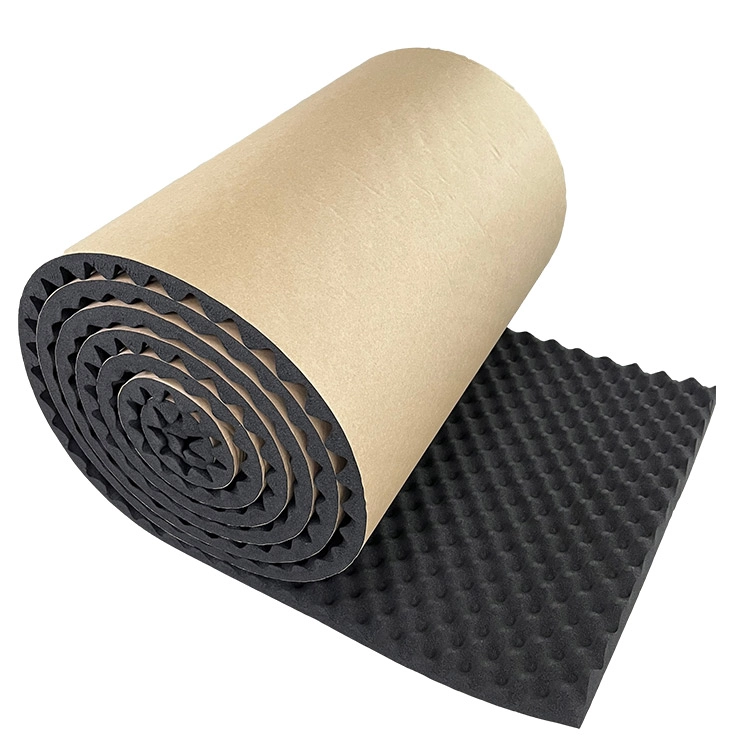
Egg Crate Foam
ASLONG Egg Crate Foam for sale. Lightweight, breathable, and comfortable, our egg crate foam provides superior support and pressure relief. Perfect for mattresses, cushions, cars, construction industry, KTV, factories, etc.
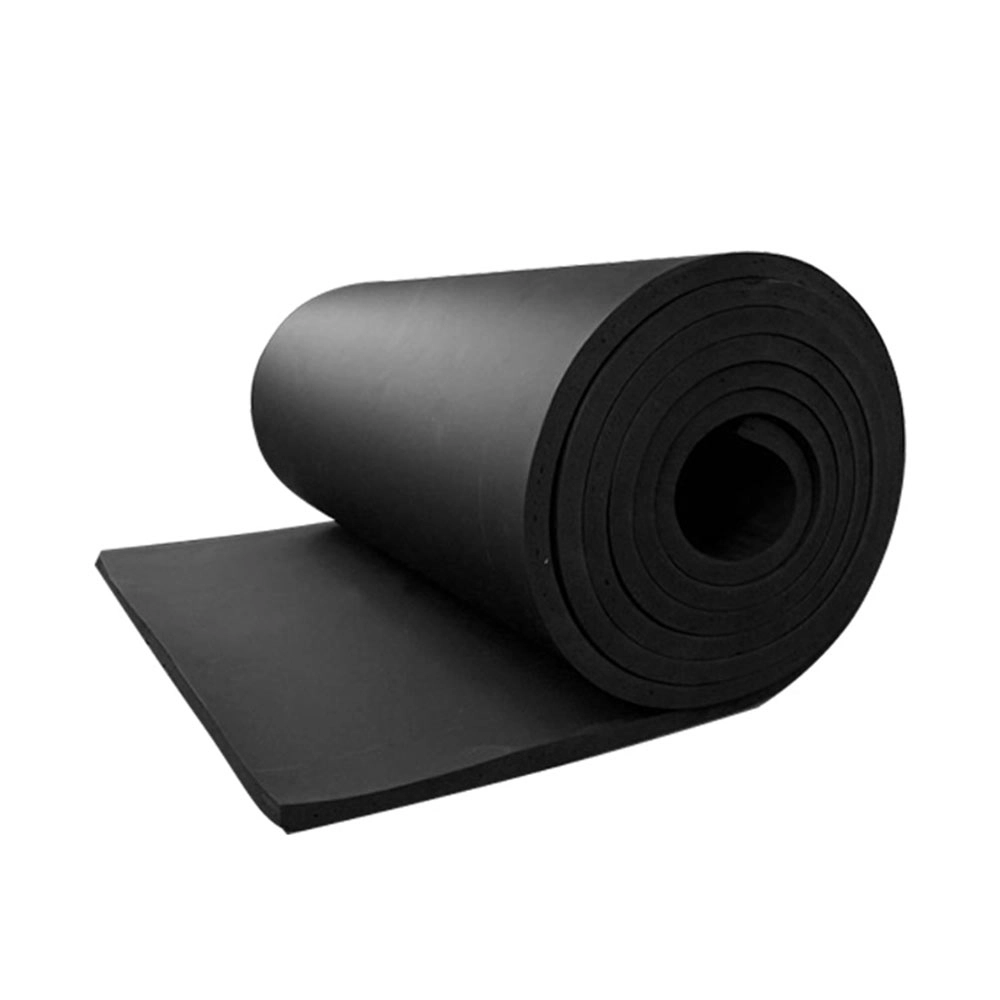
NBR Foam
ASLONG NBR Foam: Wholesale NBR foam solutions for diverse applications. High-quality, durable, and competitively priced. Contact us today for bulk orders.
Professional support at any time
If you have any comments or good suggestions, please leave us a message; later our professional staff will contact you as soon as possible.
© 2026 ASLONG All Rights Reserved. Privacy Policy | Terms and Conditions | Sitemap

 It would be pleasure to receive from you.
Whatsapp: +8613242879341
ASLONG Global
ASLONG
Aslong_global