

Marine-Grade High Density NBR Foam: Corrosion & Saltproof

Marine-grade dense nitrile cellular elastomer designed for saltwater environments delivers enhanced corrosion resistance, low water uptake, and reliable acoustic damping for shipbuilding, offshore platforms, and marine equipment; this article compares material attributes, test standards (ASTM B117, ISO 9227), installation best practices, lifecycle cost drivers, and procurement checkpoints, and outlines ASLONG's manufacturing, QA and global supply capabilities for acoustic and shock-absorbing solutions.
- Nitrile-based cellular rubber for marine corrosion protection
- Material composition and density metrics
- Saltwater durability and aging mechanisms
- Acoustic and mechanical performance in maritime settings
- Selection criteria for saltproof foam in marine applications
- Corrosion resistance test standards
- Installation and compatibility with marine assemblies
- Lifecycle cost and maintenance considerations
- Comparative performance: synthetic foam vs traditional insulation
- Thermal and acoustic comparisons
- Chemical resistance and chloride diffusion
- Weight, space, and handling trade-offs
- ASLONG solutions and supply chain capabilities
- Manufacturing scale and quality control
- Product portfolio and customization
- Global distribution, certifications and after-sales support
- Implementation checklist for buyers
- Pre-tender technical requirements
- On-site handling and installation best practices
- End-of-life and recycling notes
- Frequently Asked Questions
- What tests should be specified to verify saltwater resistance for elastomeric foam?
- How does closed-cell nitrile foam compare with open-cell acoustical cotton for marine cabins?
- Are there fire or smoke requirements that affect material choice onboard vessels?
- What adhesion systems work best with nitrile-based marine foams?
- Can ASLONG supply bespoke die-cuts and bonded multi-layer assemblies for retrofit projects?
Marine-grade dense nitrile cellular elastomer designed for saltwater environments delivers enhanced corrosion resistance, low moisture absorption, and consistent sound attenuation for naval architectures, offshore installations, and coastal infrastructure; the following content outlines material composition, accelerated aging and salt-fog test references, selection criteria for corrosive environments, comparative performance versus other polymeric insulators, and practical procurement and installation guidance, with downstream supply details for ASLONG's product portfolio and quality systems.
Nitrile-based cellular rubber for marine corrosion protection
Material composition and density metrics
Dense nitrile-butadiene cellular rubber is a closed-cell elastomer formulated with acrylonitrile content tuned for oil and saltwater resistance. In practice, buyers evaluate cell structure (closed vs. open), bulk density (typically described as medium-high to very high in supplier datasheets), and crosslinking degree because these parameters determine compressive strength, permeability to saline solutions, and acoustic mass. Suppliers should provide DSC/TGA and density tables to confirm the mechanical envelope and thermal limits for deck, bulkhead, and machinery-mount applications.
Saltwater durability and aging mechanisms
Chloride-induced degradation in polymeric elastomers is driven by hydrolysis, plasticizer leaching, and oxidative chain scission under UV and elevated temperatures. For maritime-grade compositions, nitrile-based cellular materials are engineered to minimize water uptake and to resist swelling in hydrocarbons and brine, extending service life in splash zones and enclosed wet spaces. Accelerated corrosion exposure—such as neutral salt spray—helps quantify comparative durability across formulations.
Acoustic and mechanical performance in maritime settings
High-density nitrile cellular materials combine mass and viscoelastic damping to reduce airborne and structure-borne noise. When used as lining, gasketing, or machinery isolation pads, these materials improve sound transmission loss and lower vibration transmissibility. Procurement teams should request third-party acoustic test reports (e.g., STC/MTF curves or insertion loss data) and mechanical charts showing compression set and dynamic stiffness across expected temperature ranges.
Selection criteria for saltproof foam in marine applications
Corrosion resistance test standards
Buyers must specify salt-corrosion test regimes in contracts. Common references include the neutral salt spray standard ASTM B117 and internationally recognized salt-fog protocols cataloged by ISO 9227. For polymeric elastomers, correlate visual inspection criteria, mass change, tensile retention, and functional performance (e.g., sealing integrity) after defined exposure hours rather than relying on hours alone.
Installation and compatibility with marine assemblies
Compatibility with adjacent substrates is a frequent failure mode. Adhesive selection (butyl, silicone, structural acrylic) must match both the foam chemistry and the service environment. For through-bulkhead seals or pump-room mounts, ensure chemical compatibility with fuels, hydraulic fluids, and anti-fouling compounds. Designers should request sample kits and mock-ups for adhesion and ageing trials before full-scale rollout.
Lifecycle cost and maintenance considerations
Total cost of ownership includes up-front material cost, installation labor, inspection intervals, and replacement cycle. Corrosion-resistant nitrile cellular systems typically reduce maintenance frequency in saline environments by limiting galvanic corrosion at interfaces and stabilizing fastening systems via vibration isolation. Financial models for large platforms should compare annualized replacement costs and downtime risk reductions.
Comparative performance: synthetic foam vs traditional insulation
Thermal and acoustic comparisons
High-density nitrile cellular elastomers generally provide superior combined mass and damping for mid-to-low frequency noise control compared with lightweight polyethylene foams, while offering better thermal stability than many open-cell acoustical cottons in humid environments. Trade-offs include weight and cost—denser elastomers increase installed mass but reduce required material thickness to achieve the same acoustic attenuation.
Chemical resistance and chloride diffusion
Closed-cell nitrile elastomers limit chloride ingress relative to open-cell materials, reducing blistering and substrate corrosion. Laboratory chloride diffusion and water absorption metrics (reported as % mass gain and contact angle) are valuable selection inputs; procurement specifications should require threshold values under immersion and cyclic wet/dry exposure.
Weight, space, and handling trade-offs
Dense nitrile sheets and strips take more weight per unit area; however, thinner sections can meet acoustic and sealing targets, saving space in constrained compartments. For retrofit projects where weight is critical, provide suppliers with allowable load budgets so that material architecture (layering with mass-loaded vinyl, for example) can optimize mass-to-performance ratios.
| Property / Metric | Marine-grade nitrile cellular elastomer (representative) | Neoprene foam (representative) | Closed-cell polyethylene foam |
|---|---|---|---|
| Typical density (kg/m3) | 150–450 (dense grades for structural damping) | 100–300 | 20–200 |
| Salt-fog resistance (ASTM B117/ISO 9227) | Meets 240–500+ h in qualified formulations | Meets 96–240 h (formulation-dependent) | Limited; performance declines with prolonged immersion |
| Water absorption (% mass gain) | <5% (closed-cell, treated) | ~5–10% | <1% (closed-cell PE, but thermal limits differ) |
| Acoustic damping (practical benefit) | High for mid/low frequencies; good structure-borne isolation | Moderate | Low mass, moderate airborne absorption |
| Temperature service range | -40°C to +100°C (formulation-specific) | -30°C to +90°C | -40°C to +80°C (typical) |
ASLONG solutions and supply chain capabilities
Manufacturing scale and quality control
ASLONG (Welllink Guangdong New Material Co., Ltd.) was founded in 2000 as a high-tech enterprise focusing on R&D, production, and sales of acoustic and shock-absorbing materials. With a modern production base exceeding 10,000 square meters, our team applies ISO-aligned quality checkpoints, raw-material traceability, and batch-level testing for density, compression set, and accelerated salt-fog exposure to ensure consistent outputs for marine programs.
Product portfolio and customization
Our product range covers acoustic treatments, sound barrier laminates, vibration isolation pads, and specialist elastomeric foams for corrosive environments. Key offerings relevant to maritime and coastal projects include Butyl Rubber Sound Damping Mat, Mass Loaded Vinyl, nitrile cellular foam variants designed for saline exposure, Sound Absorbing White Cotton, Tire Silent Foam, Butyl waterproof tape, and various electric auxiliary materials. For shipyards and offshore contractors, we provide custom sheet thicknesses, bonded assemblies, and on-demand die-cut gaskets to match mounting geometries and fire-resistance requirements.
Global distribution, certifications and after-sales support
Products from ASLONG have been exported to Europe, North America, Asia, and Africa. The company recruits agents worldwide to streamline logistics and local support. Procurement officers benefit from consolidated shipping, batch certification, and post-delivery testing support. For standards alignment, reference testing and documentation can be provided to support compliance with project-specific marine acceptance criteria.
Implementation checklist for buyers
Pre-tender technical requirements
Specify functional acceptance criteria: salt-fog exposure duration, residual tensile strength, water absorption limits, and acoustic insertion loss targets. Request full material declarations (including acrylonitrile content, crosslink density, flame performance) and sample-coupons for bench trials. Include warranty clauses tied to defined environmental stressors (UV, temperature cycles, chemical exposure).
On-site handling and installation best practices
Store rolls and sheets in climate-controlled spaces away from direct sunlight and solvents. Clean mating surfaces prior to adhesive application and follow specified cure regimes. For bolted assemblies, use compression-limiting washers to maintain gasket integrity and prevent extrusion under sustained loads.
End-of-life and recycling notes
Many nitrile-based cellular materials are thermoset and not amenable to simple remelting; however, mechanical recycling and energy recovery programs exist. Projects aiming for circularity should request end-of-life handling guidance and explore take-back or reman strategy with suppliers.
Frequently Asked Questions
What tests should be specified to verify saltwater resistance for elastomeric foam?
Specify neutral salt spray protocols such as ASTM B117 or ISO 9227, and require post-exposure functional checks (tensile retention, compression set, visual degradation, and adhesion performance) rather than only visual hours-to-fail thresholds.
How does closed-cell nitrile foam compare with open-cell acoustical cotton for marine cabins?
Closed-cell nitrile materials resist moisture uptake and maintain damping under humid, splash-prone conditions, making them preferable where long-term corrosion control and vibration isolation are priorities; open-cell absorbers can provide superior high-frequency absorption but require moisture management and protective barriers in marine environments.
Are there fire or smoke requirements that affect material choice onboard vessels?
Yes. Marine projects often require materials to meet vessel-specific fire and smoke toxicity criteria (SOLAS/MED, IMO FTP, or classification society rules). Buyers must include fire performance clauses in procurement documents and request third-party fire test certificates that correspond to the ship class and compartmentation.
What adhesion systems work best with nitrile-based marine foams?
Butyl-based tapes, marine-grade structural acrylics, and certain silicone adhesives are commonly used, but compatibility testing is essential. Request supplier-recommended adhesive systems and perform mock-ups using the exact substrate and surface preparation intended for the project.
Can ASLONG supply bespoke die-cuts and bonded multi-layer assemblies for retrofit projects?
Yes. ASLONG provides custom die-cut gaskets, bonded laminates, and on-demand sheet thicknesses. For retrofit programs, provide dimensional drawings, expected load cycles, and environmental conditions so that the manufacturing team can qualify prototypes and include installation instructions.
Contact ASLONG or view our product catalog at https://www.aslong.cc or email king@aslong.cc for technical datasheets, sample requests, and distributor inquiries.
The B2B Buyer’s Guide to Car Noise Insulation Mat
The B2B Buyer’s Guide to Sound Absorbing Cotton
Troubleshooting Common Problems with Anti-Puncture Sealants
Acoustic Insulation Maintenance and Longevity TipsWhat Is Acoustic Thermal PCR and Why It Matters for Insulation
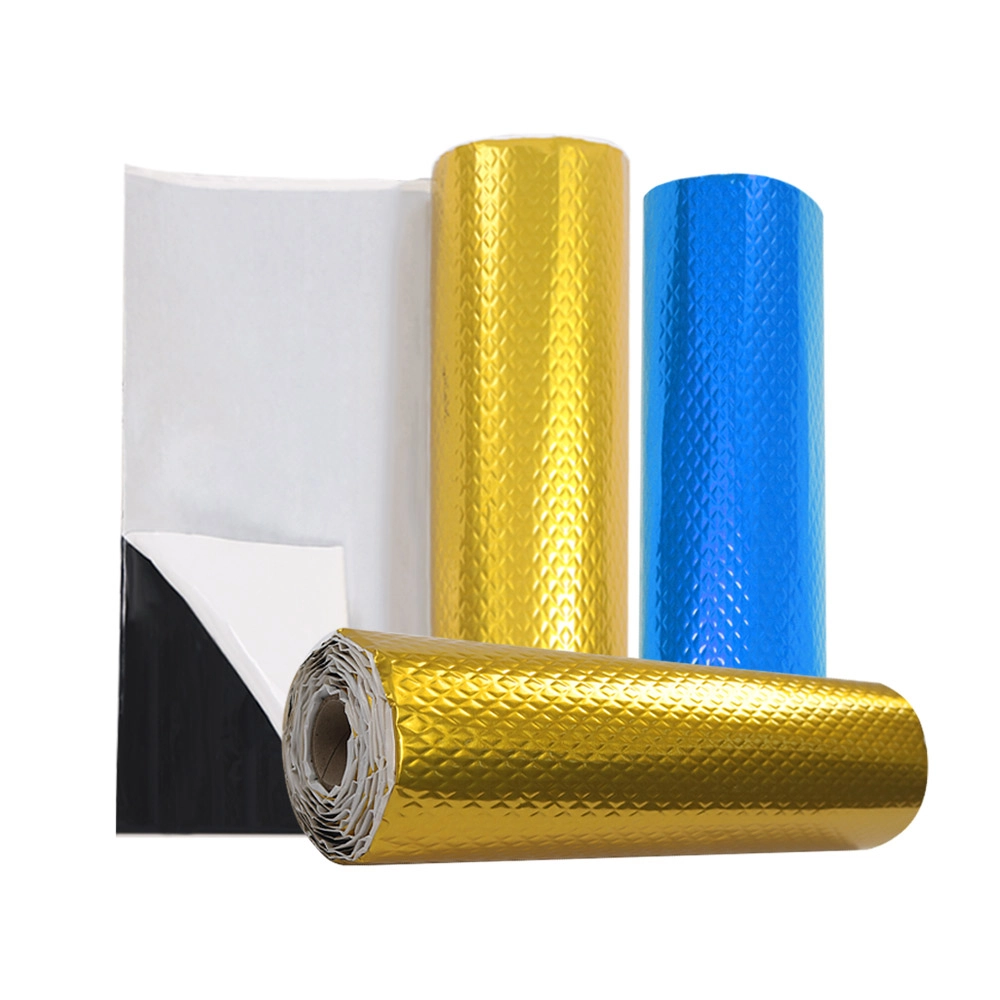
Butyl Rubber Sound Damping Mat
ASLONG Butyl Rubber Sound Damping Mat for sale. Effectively reduces noise and vibrations. High-quality butyl rubber ensures superior performance and durability. Ideal for automotive, industrial, and home applications.
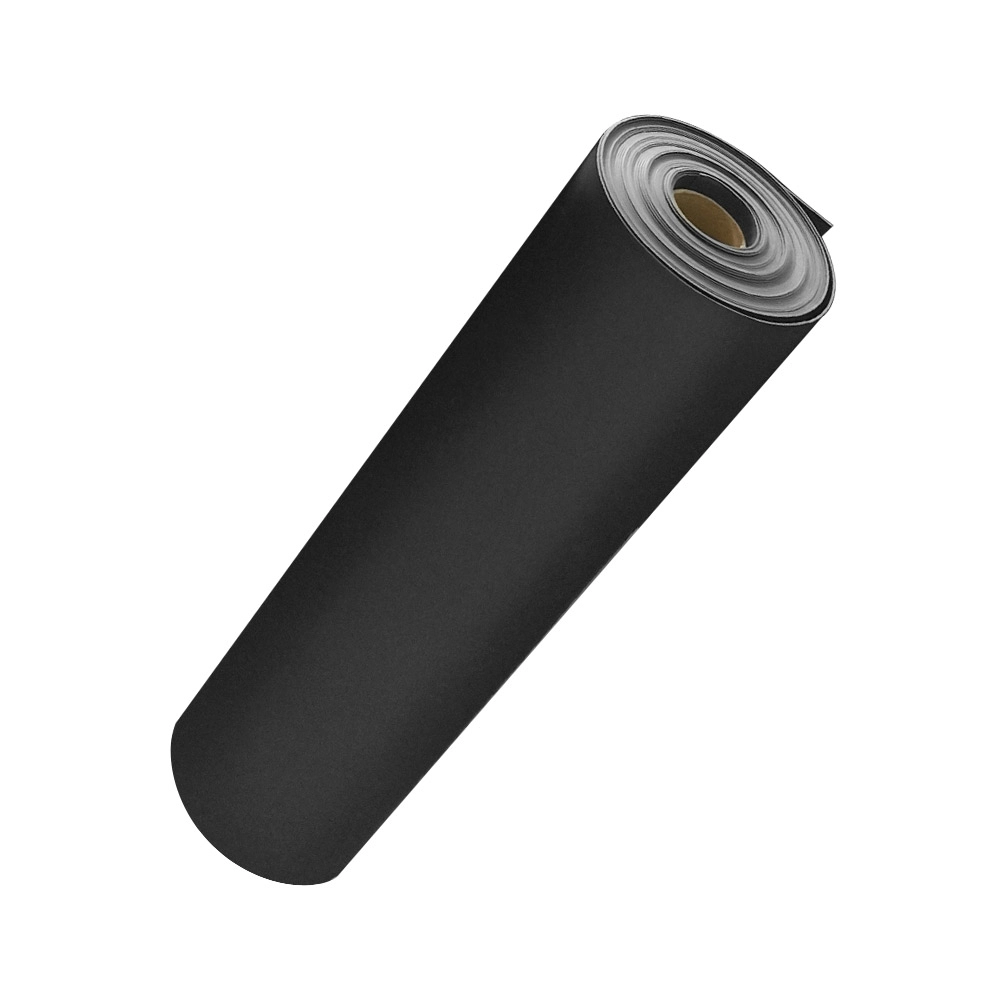
Mass Loaded Vinyl
ASLONG Mass Loaded Vinyl for sale. Reduce noise pollution effectively with our high-quality, mass-loaded vinyl. Ideal for soundproofing walls, floors, and more. Buy now and experience the difference!
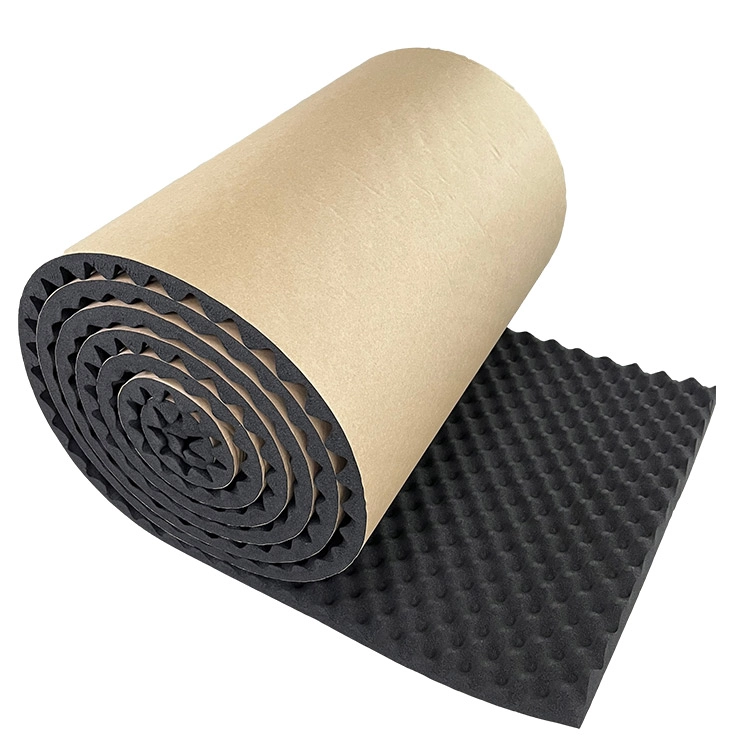
Egg Crate Foam
ASLONG Egg Crate Foam for sale. Lightweight, breathable, and comfortable, our egg crate foam provides superior support and pressure relief. Perfect for mattresses, cushions, cars, construction industry, KTV, factories, etc.
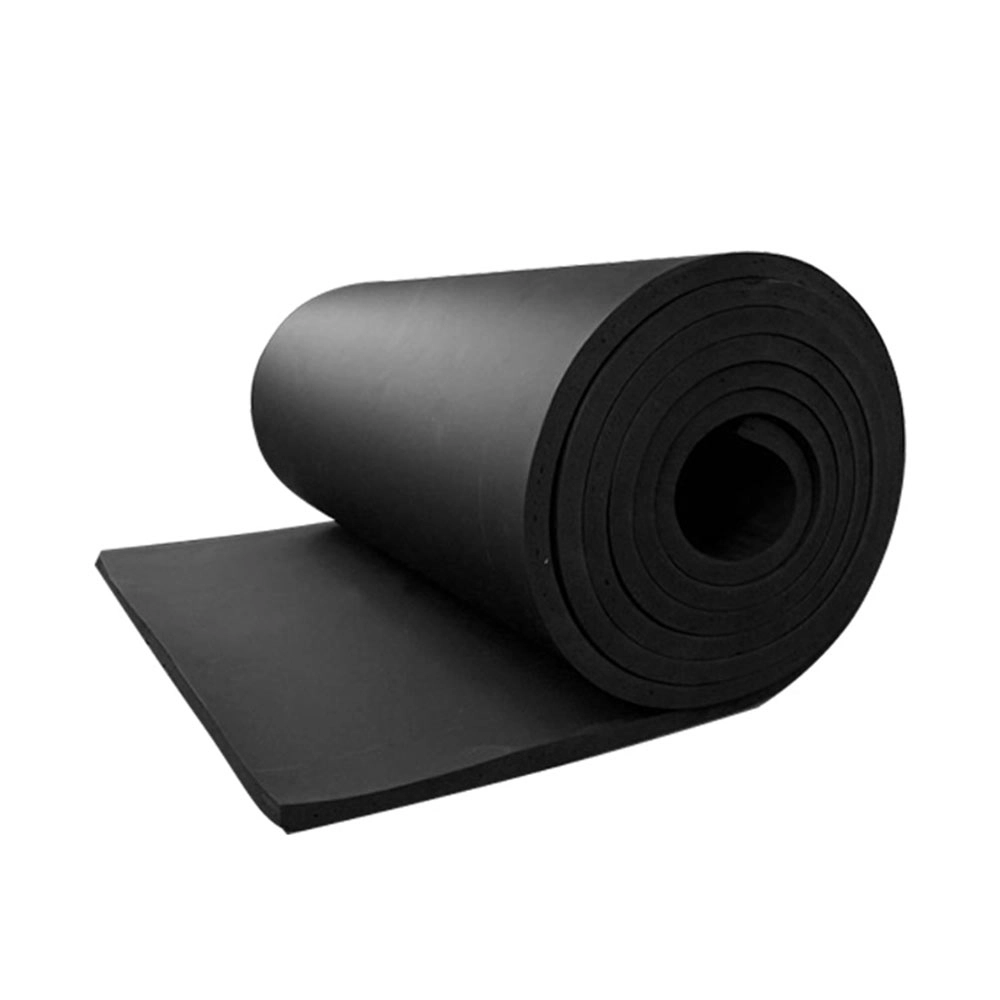
NBR Foam
ASLONG NBR Foam: Wholesale NBR foam solutions for diverse applications. High-quality, durable, and competitively priced. Contact us today for bulk orders.
Professional support at any time
If you have any comments or good suggestions, please leave us a message; later our professional staff will contact you as soon as possible.
© 2026 ASLONG All Rights Reserved. Privacy Policy | Terms and Conditions | Sitemap

 It would be pleasure to receive from you.
Whatsapp: +8613242879341
ASLONG Global
ASLONG
Aslong_global