

Maintenance, Durability, and Lifespan of Mass Loaded Vinyl

- Longevity and upkeep of heavy-barrier acoustic membranes
- Material composition and expected service life
- Routine inspection and preventative maintenance
- Common environmental stressors and mitigation
- Durability drivers and on-site performance of noise control membranes
- Installation practices that determine lifespan
- Compatibility with substrates, finishes, and building systems
- Mechanical damage, repair protocols, and field patches
- Lifecycle cost, compliance, and warranty considerations
- Comparing total cost of ownership
- Regulatory compliance and acoustic verification
- Warranty terms, replacement policies, and supplier vetting
- ASLONG solutions: manufacturing quality, testing, and aftercare
- Production capability and verified quality systems
- Product portfolio and application examples
- After-sales support, logistics, and global partnering
- Frequently Asked Questions
High-performance heavy acoustic barrier membranes deliver predictable airborne noise reduction only when procurement, installation, and maintenance decisions align with material properties, environmental exposure, and regulatory requirements—this article outlines lifecycle expectations, durability risks, inspection protocols, repair pathways, and total-cost considerations for buyers and specifiers of advanced soundproofing membranes.
Longevity and upkeep of heavy-barrier acoustic membranes
Material composition and expected service life
Barrier sheets composed of dense polymer blends with mineral or metallic fillers are engineered to provide mass and flexibility. Typical product formats range from thin, flexible sheets to reinforced laminates designed for architectural and industrial insertion. When specified for indoor use with appropriate sealing, a durable heavy acoustic membrane can retain functional characteristics for a decade or more; longevity depends on UV exposure, thermal cycling, mechanical abrasion, and chemical contact. For general guidance on product descriptions and common formulations, see Mass-loaded vinyl - Wikipedia.
Routine inspection and preventative maintenance
Buyers should specify an inspection schedule tied to project risk: visual checks every 6–12 months in high-traffic or high-moisture zones and every 12–36 months in controlled interiors. Key inspection items include edge seals, fastener integrity, sagging or delamination, punctures, and interface conditions at joints and penetrations. Preventative maintenance that preserves barrier performance typically focuses on protecting seams, replacing failed adhesives, and mitigating point-load damage from service access.
Common environmental stressors and mitigation
Environmental drivers that shorten service life include prolonged sunlight, elevated temperatures, solvent exposure, and moisture accumulation behind finishes. Mitigation strategies include UV-resistant facings or claddings, thermal expansion joints, vapor-control layers to limit trapped humidity, and specification of chemically resistant grades where contact with oils, fuels, or cleaning solvents is likely. Projects in regulated acoustic environments should cross-reference national standards and testing protocols prior to final selection; industry bodies such as ISO and test standards from ASTM International provide relevant methods for laboratory verification.
Durability drivers and on-site performance of noise control membranes
Installation practices that determine lifespan
Correct installation directly influences effective life. Critical execution details include continuous support behind the membrane to prevent sagging, use of compatible adhesives and tape at butt joints, attention to acoustic flanking paths, and protecting edges with mechanical trims. Projects that incorporate field seaming with approved tapes and that avoid overstretching during installation experience fewer in-service failures. Specifiers should require manufacturer-approved installation guides and on-site verification protocols as part of contract milestones.
Compatibility with substrates, finishes, and building systems
Adhesion and long-term stability depend on substrate preparation and chemical compatibility. Nonporous substrates may require primers; painted or contaminated surfaces need cleaning. Where membranes are concealed behind gypsum, plaster, or composite cladding, allowance for thermal movement and clear sealing at penetrations prevents moisture pathways that lead to mold and bond failure. Coordination with finishing trades reduces retrofit repair needs and preserves acoustic performance.
Mechanical damage, repair protocols, and field patches
Small punctures and tears are repairable using manufacturer-approved patch kits or reinforced tape; however, repeated point repairs in high-impact zones indicate a need for localized protection (metal kick plates, sacrificial panels) or material upgrade. Documented repair procedures should describe surface preparation, adhesive open time, clamping or weighting regimes, and verification testing (where required) to restore declared transmission loss performance.
Lifecycle cost, compliance, and warranty considerations
Comparing total cost of ownership
Initial material cost is only one component of lifecycle expense. A comprehensive procurement evaluation includes installation labor, downtime impact, maintenance frequency, expected replacement intervals, and decommissioning or recycling costs. Life-cycle cost models often show that higher-specification membranes with longer warranties reduce net present cost in projects with long operating horizons such as theaters, manufacturing plants, and transportation hubs.
Regulatory compliance and acoustic verification
Performance claims should be backed by laboratory testing using recognized methods (for example airborne transmission test standards published by ASTM International or national acoustic bodies) and by on-site verification when required by contract. For buildings where environmental noise targets are regulated, reference frameworks such as the WHO Environmental Noise Guidelines help align material selection with public-health objectives. Buyers should require test certificates and, when applicable, factory production control evidence tied to an ISO management system.
Warranty terms, replacement policies, and supplier vetting
Warranty language must specify coverage for defects, dimensional stability, and adhesion under defined exposure conditions. Evaluate supplier capacity, factory QA, and after-sales responsiveness—contractual service-level agreements (SLAs) should include response times for remedial action, approved repair materials, and whether extended warranties are available for critical applications. Suppliers with transparent test data and traceable production records reduce procurement risk.
| Material | Typical Mass / Thickness | Typical Field STC Gain (range) | Expected Lifespan (typical) | Maintenance Notes |
|---|---|---|---|---|
| Dense polymer barrier (flexible heavy membrane) | 0.5–2.0 lb/ft² (approx. 2.4–9.8 kg/m²) | +5 to +12 STC (depending on assembly) | 10–30 years (indoors, protected) | Periodic seam/edge inspection; patch small punctures; protect from UV |
| Butyl rubber damping mat | 2–5 mm sheet; surface mass varies | Improves panel damping; reduces resonance, not primary airborne blocking | 10–20 years | Inspect bond to metal or substrate; avoid solvent contact |
| Mineral wool / fibrous absorbers | 40–120 kg/m³ density; thickness varies | Improves absorption; increases composite STC when combined with barriers | 20–50 years (if dry and protected) | Keep dry; replace if moisture-damaged; check for compression |
ASLONG solutions: manufacturing quality, testing, and aftercare
Production capability and verified quality systems
ASLONG (Welllink Guangdong New Material Co., Ltd.) was founded in 2000. We are a high-tech enterprise specializing in the research and development, production, and sales of acoustic materials, sound insulation materials, shock-absorbing materials, and other products. We have a modern production base of more than 10,000 square meters and provide efficient, environmentally friendly, and high-performance sound insulation material solutions to customers around the world. Our manufacturing processes include in-line quality checks, batch traceability, and finished-product testing to support procurement specifications and warranty commitments.
Product portfolio and application examples
We offer a broad range of solutions to meet diverse acoustic challenges: high-density barrier membranes for airborne control, Butyl Rubber Sound Damping Mat for resonance reduction on metal panels, flexible heavy barriers for retrofit noise control, NBR foam and Sound Absorbing White Cotton for reverberation management, Tire Silent Foam for automotive NVH applications, and ancillary items such as Butyl waterproof tape and Electric auxiliary material. Our products are widely used in construction, automotive, residential, industrial, and entertainment facility projects, with exports to Europe, North America, Asia, and Africa.
After-sales support, logistics, and global partnering
Our team provides technical support on installation best practices, recommended maintenance schedules, and on-site troubleshooting. ASLONG supports customers with packaging and logistics optimized for site handling, and we recruit agents worldwide to provide local service and faster lead times. Buyers are encouraged to request sample panels, technical datasheets, and factory acceptance test records during tendering to validate product fit-for-purpose.
For independent reference on basic product concepts and testing context, consult industry sources such as Mass-loaded vinyl - Wikipedia, ISO, and ASTM International.
If a project requires third-party noise assessment or verification testing, select laboratories with accredited test methods and chain-of-custody procedures to ensure reliable results.
Contact ASLONG for technical datasheets, case studies, and to discuss tailored specifications for durable heavy acoustic membranes suited to specific operating environments.
Frequently Asked Questions
What is the typical service life of a heavy acoustic barrier membrane installed indoors?
When installed in protected interior locations with correct sealing and no direct sunlight or chemical exposure, a quality heavy acoustic membrane typically performs for 10–30 years; lifespan shortens with UV, extreme thermal cycling, or sustained moisture exposure.
How should routine maintenance of dense acoustic barriers be scheduled?
Implement visual inspections every 6–12 months in high-risk areas and every 12–36 months in low-risk interiors; focus on seams, edge seals, fasteners, punctures, and signs of delamination, and perform preventative resealing or local patching as needed.
Can small tears or punctures be repaired in the field, and how does that affect acoustic performance?
Small damage can be restored using manufacturer-approved patch kits or reinforced sealing tape; proper repair will typically restore near-original transmission loss for localized defects, but repeated repairs or large-area damage may require section replacement to maintain declared performance.
What installation practices most affect the longevity of barrier membranes?
Key practices include providing continuous backing to prevent sagging, using compatible adhesives and tapes, protecting edges with trims, avoiding overstretching during installation, and coordinating with finishing trades to prevent mechanical or chemical damage after completion.
Which standards and tests should buyers request to verify acoustic performance?
Buyers should request laboratory test reports using recognized methods from bodies such as ASTM International or comparable national standards, and consider on-site verification when contractual acoustic limits are specified; referencing ISO frameworks can help align product selection with quality systems.
Installation Guide: High-Performance Butyl Sound Deadener
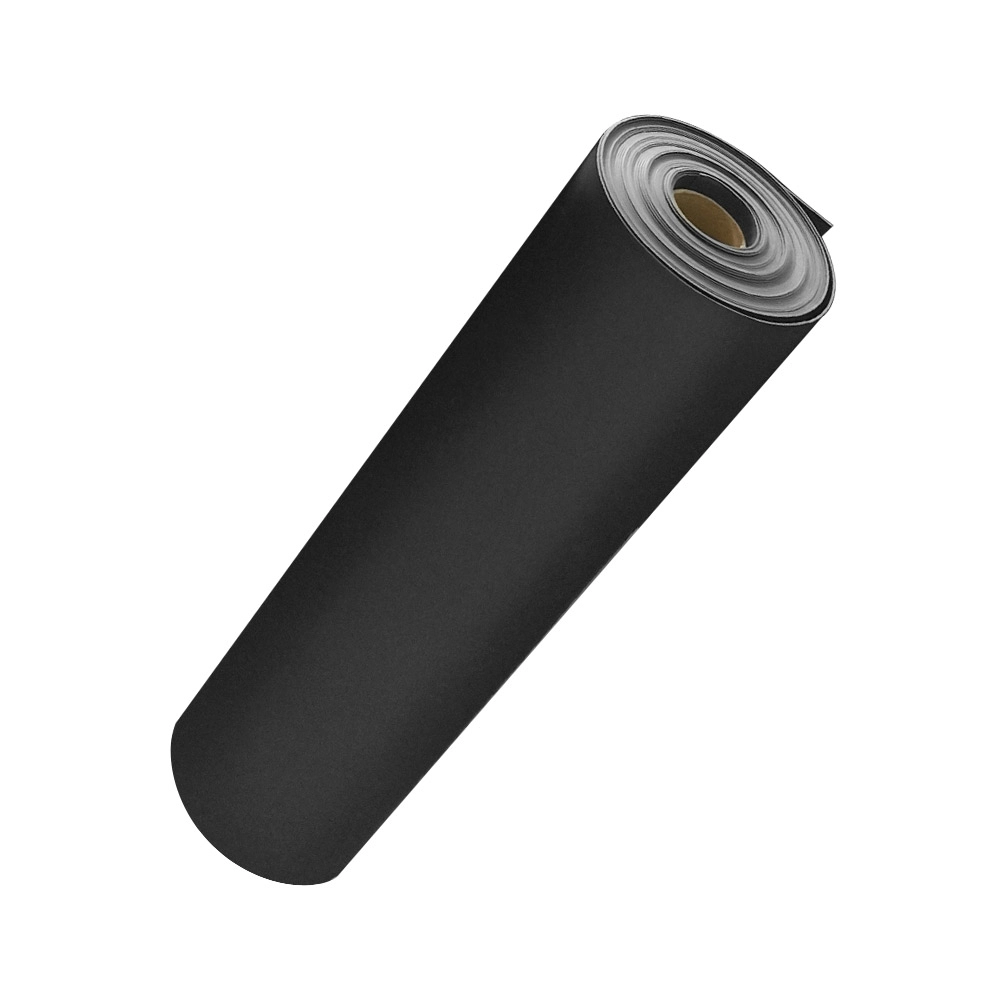
Mass Loaded Vinyl for Commercial Spaces: What to Know
Top automotive soundproofing materials for luxury cars
Best automotive sound insulation materials for noise control
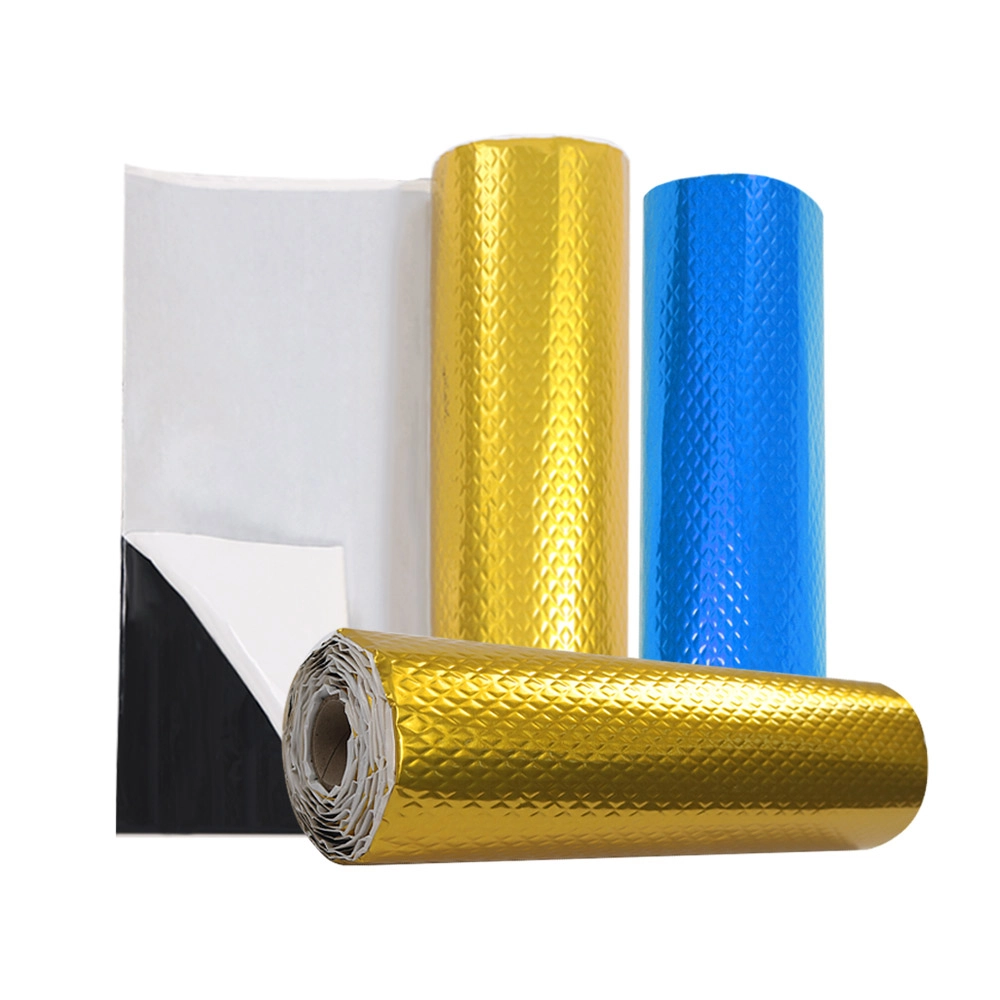
Butyl Rubber Sound Damping Mat
ASLONG Butyl Rubber Sound Damping Mat for sale. Effectively reduces noise and vibrations. High-quality butyl rubber ensures superior performance and durability. Ideal for automotive, industrial, and home applications.
Mass Loaded Vinyl
ASLONG Mass Loaded Vinyl for sale. Reduce noise pollution effectively with our high-quality, mass-loaded vinyl. Ideal for soundproofing walls, floors, and more. Buy now and experience the difference!
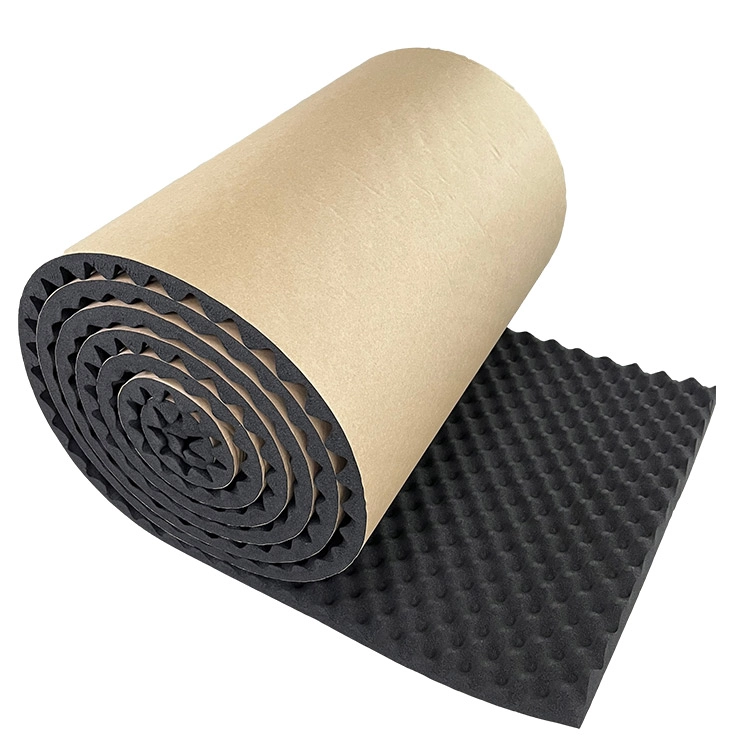
Egg Crate Foam
ASLONG Egg Crate Foam for sale. Lightweight, breathable, and comfortable, our egg crate foam provides superior support and pressure relief. Perfect for mattresses, cushions, cars, construction industry, KTV, factories, etc.
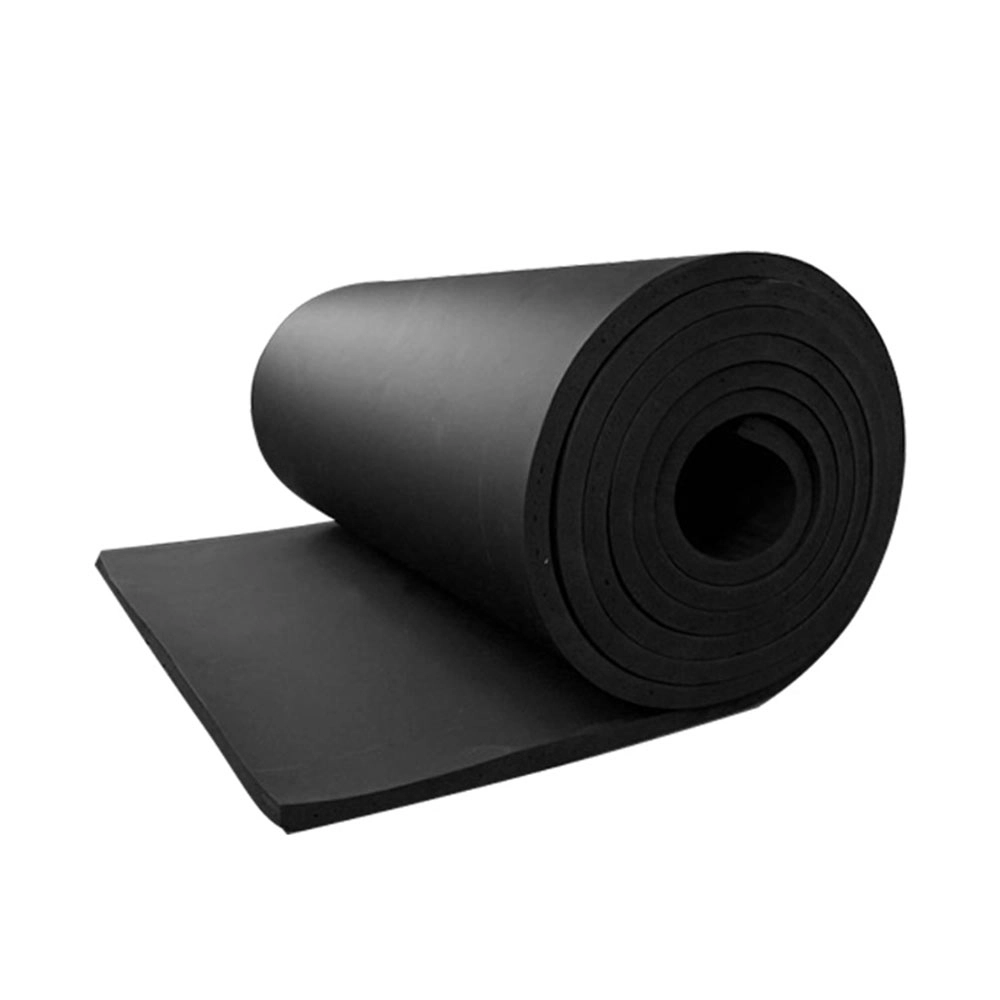
NBR Foam
ASLONG NBR Foam: Wholesale NBR foam solutions for diverse applications. High-quality, durable, and competitively priced. Contact us today for bulk orders.
Professional support at any time
If you have any comments or good suggestions, please leave us a message; later our professional staff will contact you as soon as possible.
© 2026 ASLONG All Rights Reserved. Privacy Policy | Terms and Conditions | Sitemap

 It would be pleasure to receive from you.
Whatsapp: +8613242879341
ASLONG Global
ASLONG
Aslong_global