

Installation Tips for Insulated Waterproof Self-Adhesive Tape
- Surface Preparation and Adhesion Fundamentals for Self-Sticking Insulating Sealants
- Substrate assessment and contamination control
- Primers and surface energy optimization
- Environmental controls: temperature, humidity, and dwell time
- Practical Application Techniques and Joint Design for Weatherproofing and Acoustic Sealing
- Butt joints, laps, and mechanical reinforcement
- Tooling, compression, and bead formation
- Transitions, corners, and dynamic interfaces
- Inspection, Testing, and Quality Assurance Protocols
- On-site adhesion and peel tests
- Visual inspection checklists and non-destructive checks
- Standards, certification, and traceability
- Procurement Considerations and ASLONG Product Integration
- Specifying performance, not brand alone
- Logistics, storage, and shelf life management
- ASLONG manufacturing and supply capabilities
- Frequently Asked Questions
Compact summary: This guide distills field-proven installation protocols, substrate conditioning checklists, environmental and tooling controls, and inspection criteria for insulated waterproof self-adhesive tape used in thermal and acoustic sealing applications. It addresses adhesion science, common failure modes, compatibility with common building and vehicle substrates, and measurable QC steps that procurement and project teams can implement to improve first-time-right installation rates and reduce call-backs.
Surface Preparation and Adhesion Fundamentals for Self-Sticking Insulating Sealants
Substrate assessment and contamination control
Successful adhesion begins with a systematic substrate audit. Inspect surfaces for oils, release agents, dust, rust, laitance on concrete, and loose paint layers; these contaminants will prevent adequate wetting of the tape’s adhesive layer. Use solvent wipes with isopropyl alcohol for light contamination and appropriate mechanical methods (wire brushing, abrasive blasting to SSPC-SP standards for steel) for heavy deposits. Document surface cleanliness using digital photos and a simple adhesion baseline test (see QA checkpoints).
Primers and surface energy optimization
Low-surface-energy plastics and oxidized metals may require a primer to create a chemically receptive layer for contact adhesives. Choice of primer depends on substrate chemistry—silane-based primers for concrete and some plastics, solvent-based primers for galvanized steel—and should be validated with tape manufacturer guidance. Primers increase peel strength and long-term durability when specified by the adhesive system supplier.
Environmental controls: temperature, humidity, and dwell time
Adhesive activation and flow are temperature-dependent. Perform installations within the adhesive’s recommended service window; many modern butyl-backed sealing systems retain tack at low temperatures but require longer dwell times for full bond development in cold conditions. High humidity and surface moisture compromise adhesion on porous substrates; allow surfaces to dry to below 8% moisture content (by measurement) or follow manufacturer-recommended drying schedules. Record ambient conditions during installation for traceability.
Practical Application Techniques and Joint Design for Weatherproofing and Acoustic Sealing
Butt joints, laps, and mechanical reinforcement
Design joints to avoid tensile loading across the adhesive seam. Overlap joints with a minimum recommended lap width (commonly 20–50 mm depending on tape width and application) and use mechanical fasteners or fillet sealants where movement or peel forces are expected. For variable-gap applications, consider butt joints with compression members and a secondary back-up seal to maintain acoustic isolation while preventing moisture migration.
Tooling, compression, and bead formation
Proper tooling increases bond area and minimizes entrapped air. Use a firm roller (hand roller or pneumatic roller for larger areas) and apply uniform pressure following manufacturer-specified passes (typically 2–3 passes). For irregular profiles, employ a soft pad or conformable roller to promote continuous contact. Ensure tooling direction follows the tape lay to avoid bridging or tenting and to compact adhesive into micro-roughness for optimal adhesion.
Transitions, corners, and dynamic interfaces
Corners and transition zones are frequent failure points due to flexing and compound movement. Use preformed corner pieces where available, or fold and compress the adhesive into the corner with supplemental mechanical anchoring. For dynamic interfaces (expansion joints, HVAC penetrations, moving panels), select a tape system with proven elongation and recovery properties and design a secondary containment strategy to handle migration should adhesive creep occur.
Inspection, Testing, and Quality Assurance Protocols
On-site adhesion and peel tests
Implement quick verification tests post-installation. A commonly used field method is a 90-degree peel test with a handheld force gauge to compare measured peel forces against supplier minimums. Record three random measurements per critical area and compare to control values. Discrepancies greater than 15–20% should trigger supplemental investigation and potential remedial action.
Visual inspection checklists and non-destructive checks
Develop a pass/fail checklist covering continuity of contact, absence of voids, edge sealing integrity, and correct overlap. Use thermal imaging for concealed applications to detect voids where thermal bridging or moisture ingress is suspected. Implement spot checks with borescope or moisture meters for assemblies where complete visual access is impossible.
Standards, certification, and traceability
Specify products tested and certified against recognized benchmarks. Adhesive and waterproofing systems should conform to relevant local or international standards; purchasers are encouraged to reference ISO and ASTM testing protocols for peel, shear, and water ingress resistance. For acoustic sealing applications, align material selection with guidance from soundproofing standards and document lab reports used in procurement decisions; basic background on acoustic control is available at Soundproofing - Wikipedia.
| Attribute | Traditional Cloth/Butyl-Backed Tapes | Modern Butyl-Based Self-Adhesive Systems |
|---|---|---|
| Typical Adhesion (qualitative) | Moderate; reduced on oily or oxidized metals | High initial tack and long-term cohesive strength |
| Waterproofing Performance | Good under static conditions; susceptible to edge creep | Engineered for continuous water barrier and low permeation |
| Service Temperature Range (typical) | -10°C to +80°C | -40°C to +120°C (many formulations) |
| VOC & Environmental Profile | Variable; solvent-based variants exist | Many are low-VOC and solvent-free options available |
| Common Applications | Basic repairs, temporary seals | Permanent building envelopes, automotive sealing, HVAC and acoustic joints |
Procurement Considerations and ASLONG Product Integration
Specifying performance, not brand alone
Procurement teams should define objective acceptance criteria: minimum peel strength, shear resistance, elongation, service temperature limits, and acceptable VOC thresholds. Include required test reports in tender documents and require batch traceability and manufacturer's QA certificates with each delivery. This approach reduces risk and enables better lifecycle cost comparisons across suppliers.
Logistics, storage, and shelf life management
Store rolls in a cool, dry environment away from direct sunlight and heat sources. Maintain an inventory rotation protocol (FIFO) and monitor lot expiration dates; many adhesive products have finite shelf lives depending on backing and adhesive chemistry. For large-scale projects, negotiate staged deliveries aligned with installation schedules to prevent long on-site storage.
ASLONG manufacturing and supply capabilities
ASLONG (Welllink Guangdong New Material Co., Ltd.) was founded in 2000. It is a high-tech enterprise specializing in the research and development, production, and sales of acoustic materials, sound insulation materials, shock-absorbing materials, and other products. We have a modern production base of more than 10,000 square meters and provide efficient, environmentally friendly, and high-performance sound insulation material solutions to customers around the world.ASLONG offers a wide range of products covering acoustics, sound insulation, shock absorption, and other fields that are widely used in industries such as construction, automobiles, homes, industry, and entertainment facilities. Our products have been exported to Europe, North America, Asia, Africa, and other regions. include: Butyl Rubber Sound Damping Mat, Mass Loaded Vinyl, NBR foam, Sound White Cotton, Tire silent foam, Butyl waterproof tape, Electric auxiliary Material, etc.Recruiting agents worldwideour website : https://www.aslong.ccour email : king@aslong.cc
We support procurement and engineering teams with customized testing data, small-batch trials, and scalable production runs. Our technical service department provides specification reviews and on-site pre-installation training to ensure installation teams achieve specified adhesion and acoustic performance. For projects requiring low-VOC, flame-retardant, or specific temperature ratings, our material engineers will match formulations and provide lab test reports to meet tender requirements. Buyers should request sample kits and representative test data for validation before full-scale procurement.
Implementation checklist (for project managers):
- Confirm substrate compatibility and ordering of primers if needed.
- Schedule deliveries to match installation windows and avoid long on-site storage.
- Require batch-specific certificates and a minimum number of QA peel tests per 100 m2 during installation.
- Document environmental conditions at time of application and store photographic evidence of tooling passes and overlaps.
References to adhesive chemistry and test norms are consistent with public standards; background reading on butyl polymers is available at Butyl rubber - Wikipedia and testing guidance can be obtained from ASTM and ISO publications.
For complex acoustic sealing projects, integrate joint design with overall noise control strategies and coordinate material selection with suppliers of mass-loaded barriers and damping mats to achieve targeted insertion loss and lifecycle performance.
If additional technical resources are required, request ASLONG’s specification packages and lab certificates during tendering to reduce specification ambiguity and accelerate approval cycles.
Contact and product enquiries should be directed to the ASLONG commercial team via the provided email and website information above.
Frequently Asked Questions
What surface preparation is required before applying a self-adhesive sealing tape?
Surfaces must be clean, dry, and free from oils, release agents, loose paint, rust, and excessive dust. Use solvent wipes for light contamination and mechanical cleaning for heavy deposits. Confirm substrate dryness (moisture <8% for porous materials) and document with photos and baseline adhesion checks.
Can the tape bond to low-surface-energy plastics and painted substrates?
Many low-surface-energy substrates require a compatible primer to increase surface energy and ensure adequate wetting. Confirm primer compatibility with both substrate and tape manufacturer specifications and perform sample adhesion tests before full installation.
What installation temperatures and environmental conditions are acceptable?
Follow the adhesive manufacturer’s recommended service window. Modern butyl-backed systems often function across wide temperature ranges but may require longer dwell times in cold conditions and must be applied to dry surfaces in humid environments. Record ambient temperature and humidity during installation for QA traceability.
How should laps, corners, and movement joints be handled to prevent failure?
Design laps with recommended overlap widths and add mechanical fastening or secondary fillet seals at high-movement interfaces. Use preformed corner pieces or compress adhesive into corners and provide ancillary anchors for dynamic joints. Select tapes with proven elongation and recovery for expansion joints.
What on-site tests verify a successful installation?
Perform 90-degree peel tests at representative locations with a handheld force gauge and compare to supplier minimums. Use visual checklists for continuity and tooling, thermal imaging or borescope for concealed void detection, and moisture meters for assemblies susceptible to ingress. Record results for each installation batch.
Custom car noise reduction mat Manufacturers and Suppliers
Wholesale mass loaded vinyl manufacturer and supplier
Best professional car sound deadening manufacturers and supplier brands
Choosing the Best Electric Bike Tire Foam for Noise Control
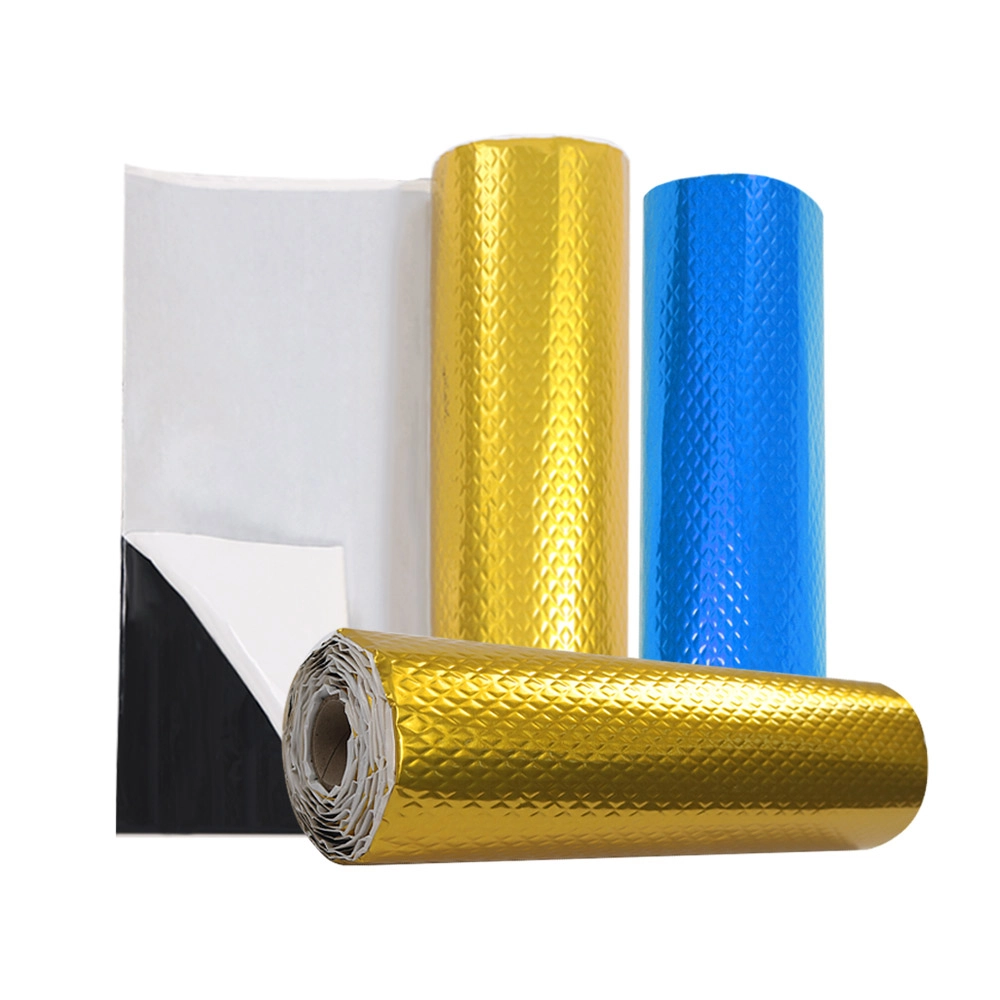
Butyl Rubber Sound Damping Mat
ASLONG Butyl Rubber Sound Damping Mat for sale. Effectively reduces noise and vibrations. High-quality butyl rubber ensures superior performance and durability. Ideal for automotive, industrial, and home applications.
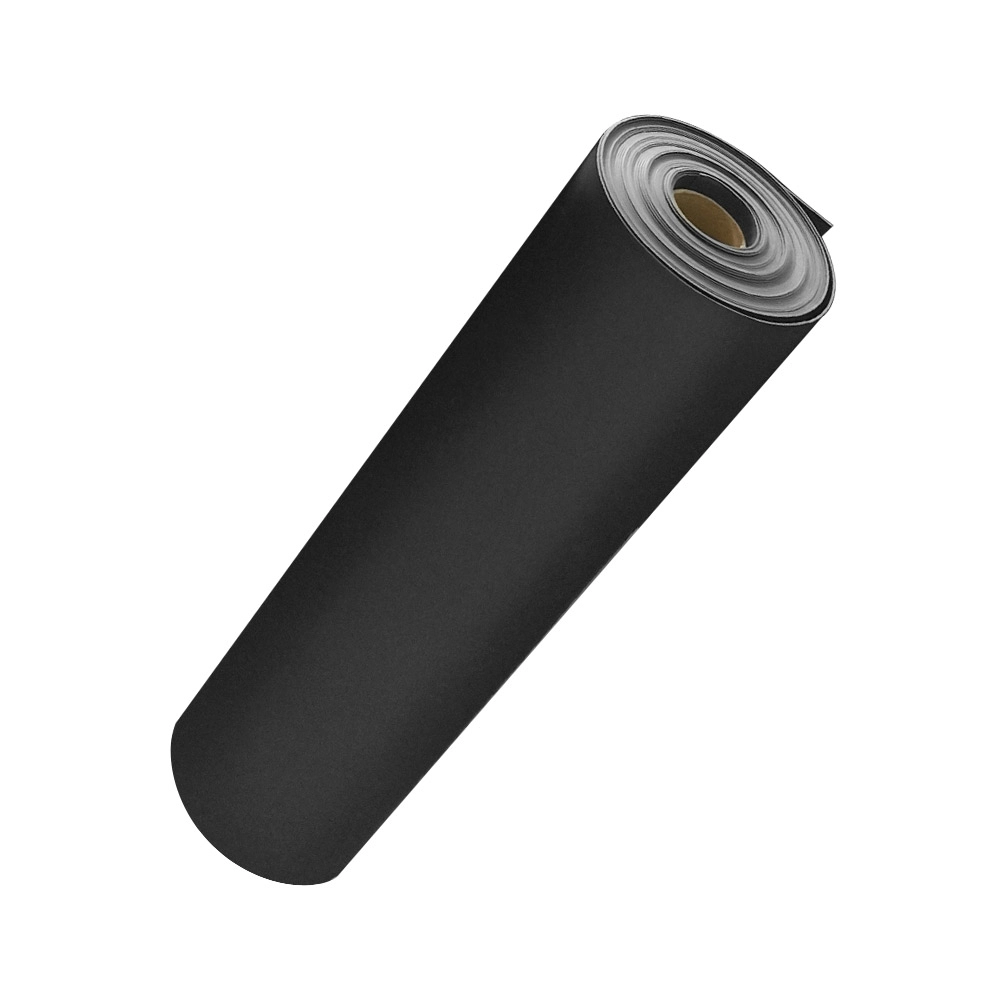
Mass Loaded Vinyl
ASLONG Mass Loaded Vinyl for sale. Reduce noise pollution effectively with our high-quality, mass-loaded vinyl. Ideal for soundproofing walls, floors, and more. Buy now and experience the difference!
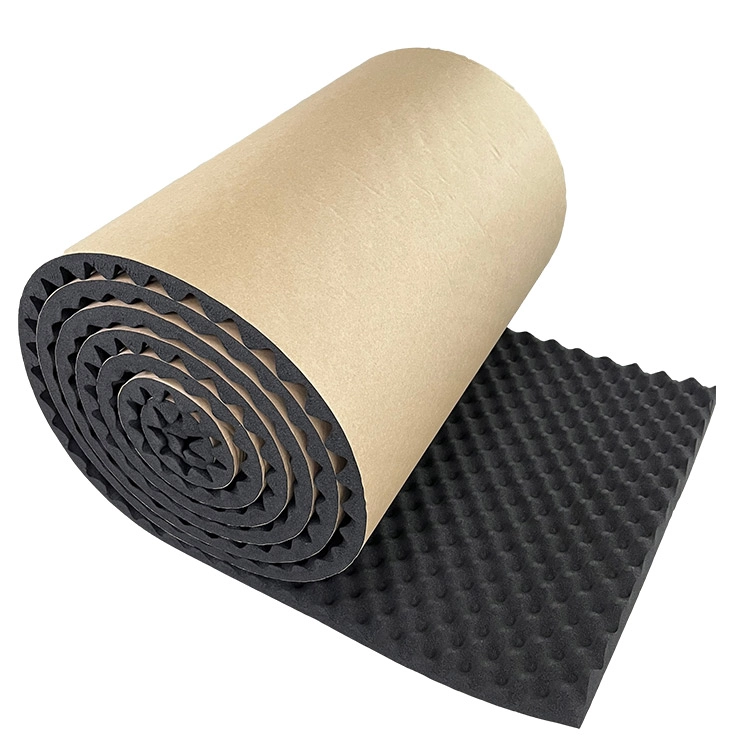
Egg Crate Foam
ASLONG Egg Crate Foam for sale. Lightweight, breathable, and comfortable, our egg crate foam provides superior support and pressure relief. Perfect for mattresses, cushions, cars, construction industry, KTV, factories, etc.
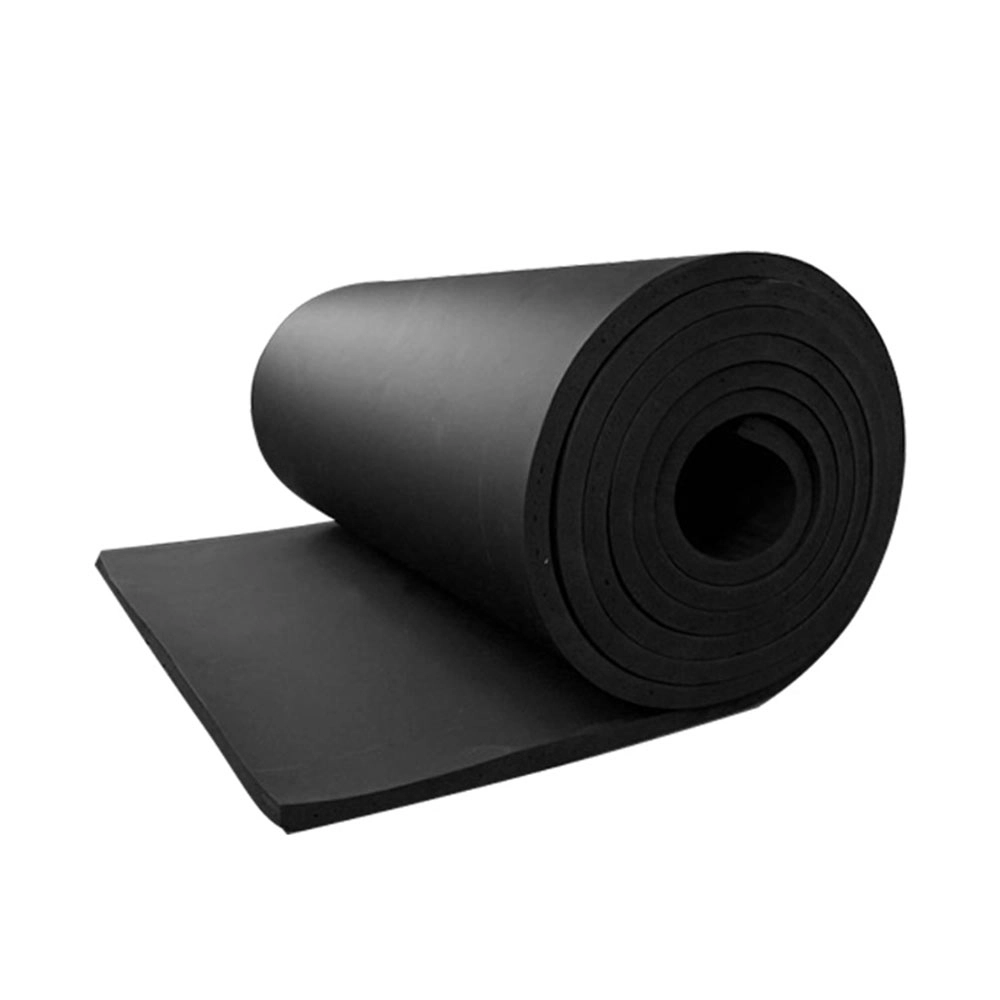
NBR Foam
ASLONG NBR Foam: Wholesale NBR foam solutions for diverse applications. High-quality, durable, and competitively priced. Contact us today for bulk orders.
Professional support at any time
If you have any comments or good suggestions, please leave us a message; later our professional staff will contact you as soon as possible.
© 2026 ASLONG All Rights Reserved. Privacy Policy | Terms and Conditions | Sitemap

 It would be pleasure to receive from you.
Whatsapp: +8613242879341
ASLONG Global
ASLONG
Aslong_global