

Installation Techniques for Nitrile Rubber Foam Soundproofing

- Installation planning for nitrile-based acoustic systems
- Site assessment and acoustic targets
- Material selection and specification criteria
- Regulatory compliance and testing plan
- Surface preparation and attachment methods for closed-cell elastomeric liners
- Cleaning, primers and substrate compatibility
- Adhesive bonding, contact tapes and seam sealing
- Mechanical fasteners and thermal movement
- Field techniques for partitions, ducts, and mechanical isolation
- Wall and ceiling assemblies: decoupling and composite layering
- HVAC and ductwork lining
- Equipment mounts and vibration control
- Quality assurance, commissioning and lifecycle considerations
- On-site acoustic verification and acceptance
- Fire performance, aging and maintenance planning
- Procurement logistics and ROI modeling
- ASLONG capability and product integration for acoustic projects
- Company profile and manufacturing strengths
- Product portfolio relevant to installations
- Global supply chain, certification and procurement support
- Frequently Asked Questions
High-performance closed-cell nitrile elastomeric insulation (commonly known in industry as NBR cellular rubber) delivers durable sound damping and vibration isolation for partitions, ducts, and mechanical equipment; this guide provides planning, surface-prep, attachment, commissioning, and maintenance techniques aligned with recognized measurement and fire standards to help project owners, specifiers, and contractors achieve predictable acoustic outcomes.
Installation planning for nitrile-based acoustic systems
Site assessment and acoustic targets
Before specifying elastomeric foam panels or gasket liners, perform a baseline acoustic survey to quantify airborne and structure-borne transmission. Use standardized metrics such as Sound Transmission Class (STC) and Noise Reduction Coefficient (NRC) to set measurable targets; refer to testing protocols in ISO acoustic standards and ASTM E90 for lab and field correlation. Accurate baseline data prevents overspecification and reduces lifecycle cost.
Material selection and specification criteria
Specify a closed-cell nitrile elastomer product with documented density, compression set, and flame performance. For airborne isolation choose a composite approach (mass barrier + elastomeric liner) when partitions require STC uplift; for vibration damping choose higher dynamic stiffness grades. Require manufacturer test certificates and batch traceability to reduce procurement risk.
Regulatory compliance and testing plan
Integrate fire and smoke ratings into the procurement document: request results to EN, ASTM, or NFPA test protocols where applicable. Include an on-site commissioning clause that mandates in-situ acoustic verification using ISO or ASTM field methods and acceptance criteria tied to measurable dB improvements.
Surface preparation and attachment methods for closed-cell elastomeric liners
Cleaning, primers and substrate compatibility
Surface prep is critical: remove oils, curing residues, and loosely adhered coatings. For metals, use solvent wipe and, if specified, a compatible primer recommended by the elastomer supplier to promote adhesive wet-out. Porous substrates such as concrete benefit from a moisture and dust-control regimen prior to bonding.
Adhesive bonding, contact tapes and seam sealing
Select adhesive systems rated for nitrile elastomers (solvent-based contact adhesives, acrylic-based construction adhesives or high-performance butyl tapes). For vertical bonding, calculate adhesive shear strength with safety factors for creep under load. For penetrations and butt joints, use closed-cell-compatible sealants or butyl tapes to maintain an airtight acoustic seal and resist vapor migration.
Mechanical fasteners and thermal movement
Where mechanical fixation is required, use low-profile washers or floating clips to avoid compressing the foam beyond its recommended compression set. Account for thermal expansion on long runs by including expansion joints or segmented panels, and follow manufacturer-recommended maximum compression percentages to prevent long-term deformation.
Field techniques for partitions, ducts, and mechanical isolation
Wall and ceiling assemblies: decoupling and composite layering
Combine a mass layer (e.g., mass-loaded vinyl) with an elastomeric damping layer to create a composite barrier that addresses both low-frequency transmission and mid-to-high frequency absorption. For retrofit partitions, resilient isolation channels or clips plus an elastomeric interface provide decoupling; specify resilient components with documented performance and follow installation rules to avoid short-circuiting the isolation layer.
HVAC and ductwork lining
Line plenum-rated duct interiors with closed-cell elastomeric liners for noise and condensation control, ensuring materials meet smoke and flame spread criteria for HVAC use. Use mechanical anchors at prescribed spacing and continuous sealant at longitudinal seams. For rectangular ducts, allow edge relief to accommodate flexing and prevent delamination.
Equipment mounts and vibration control
For rotating machinery and compressors, specify elastomeric pads or cut isolators with dynamic load capacity ratings. Combine nitrile-based pads with stainless steel saddles or anti-slip interfaces to maintain isolation under cyclical loading. Verify natural frequency targets through simple calculations to avoid resonance within operating ranges.
Quality assurance, commissioning and lifecycle considerations
On-site acoustic verification and acceptance
Mandate pre- and post-installation acoustic measurements. Use field standards to measure insertion loss across relevant octave bands and compare against contract STC/NRC targets. Document deviations and corrective actions before final acceptance to protect owner value.
Fire performance, aging and maintenance planning
Require accelerated aging and flame spread data from suppliers for materials exposed to elevated temperatures or UV. Define an inspection interval and simple diagnostics (visual adhesion check, compression recovery test) in O&M manuals to maintain performance warranties over the asset lifecycle.
Procurement logistics and ROI modeling
Evaluate total installed cost, including labor, fasteners, adhesives, testing, and downtime. For high-value projects, run a simple lifecycle cost model: compare upfront material and installation cost against expected reduction in noise mitigation retrofit, tenant claims, or machinery downtime.
| Approach / Material | Typical STC Improvement (dB) | Installation Complexity | Common Applications |
|---|---|---|---|
| Closed-cell nitrile elastomer liner | 1–3 | Low | Sealing, pipe wrap, lightweight damping |
| Mass-loaded barrier (mass-loaded vinyl) | 7–10 | Medium | Wall/ceiling partitions, retrofit barriers |
| Resilient decoupling (channels/clips) | 5–12 | High | Partition upgrades, studio walls |
| Composite (barrier + elastomeric absorber) | 8–15 | High | Recording facilities, HVAC silencers |
Notes: ranges reflect typical field outcomes reported in industry literature and manufacturer test summaries; for measurement protocols see ISO and ASTM standards, and for ambient noise guidance consult the EPA noise resources.
ASLONG capability and product integration for acoustic projects
Company profile and manufacturing strengths
ASLONG (Welllink Guangdong New Material Co., Ltd.) was founded in 2000. It is a high-tech enterprise specializing in the research and development, production, and sales of acoustic materials, sound insulation materials, shock-absorbing materials, and other products. We have a modern production base of more than 10,000 square meters and provide efficient, environmentally friendly, and high-performance sound insulation material solutions to customers around the world.
Product portfolio relevant to installations
Our product range covers a broad selection of engineered layers and accessories used in professional soundproofing: Butyl Rubber Sound Damping Mat for panel-level vibration control; Mass Loaded Vinyl for mass barriers; NBR foam (closed-cell nitrile elastomer) for gasketing and lining; Sound Absorbing White Cotton for cavity absorption; Tire Silent Foam for specialty damping; Butyl waterproof tape for seam sealing; and Electric auxiliary material for installation support. Buyers can request datasheets with density, compression set, flame ratings and test certificates to ensure specification alignment.
Global supply chain, certification and procurement support
We export to Europe, North America, Asia, Africa and other regions and can provide batch traceability, product testing reports, and compliance documentation to support tendering. For projects requiring local representation, ASLONG is recruiting agents worldwide to support logistics, training, and post-installation QA. For more information visit our site: ASLONG or contact sales at king@aslong.cc.
Design teams and procurement managers should include clear material performance clauses, sample approval stages, and on-site acceptance testing in contracts to secure acoustic outcomes and warranty coverage.
For authoritative background on nitrile elastomers and acoustic measurement practices consult the Nitrile rubber reference at Wikipedia, ISO standards at ISO, and ASTM measurement methods at ASTM.
Contact ASLONG for technical datasheets, specification support, and global procurement options; include required test reports and project schedules in RFQs to streamline delivery.
Frequently Asked Questions
What are the advantages of closed-cell nitrile elastomer liners compared with open-cell absorbers?
Closed-cell nitrile elastomer liners provide durable, moisture-resistant sealing, effective vibration damping and good compression recovery for gasketing and mechanical isolation; open-cell absorbers generally offer higher mid-high frequency absorption (higher NRC) but poorer moisture resistance and lower mechanical durability.
How should substrates be prepared before bonding nitrile-based acoustic products?
Remove oils and dust, perform solvent wiping on metals, apply manufacturer-recommended primers on reactive substrates, and control concrete moisture and dust to achieve adequate adhesive wet-out; follow supplier surface-prep guidelines to avoid bond failures.
Which adhesive and sealant types are recommended for bonding nitrile elastomer materials?
Approved systems include solvent-based contact adhesives for thin panels, high-performance acrylic construction adhesives for structural bonds, and butyl waterproof tapes or compatible elastomeric sealants for seams and penetrations; always require adhesive compatibility testing and documented shear strength.
Can nitrile-based foam be used inside HVAC ducts and what approvals are required?
Yes, but select plenum-rated or flame-certified grades and verify smoke and flame spread test results per regional codes; mechanical anchors and continuous seam sealing are required to prevent delamination and maintain airflow integrity.
What verification steps should be included in the contract to ensure installed acoustic performance?
Include pre-and post-installation acoustic surveys, specify measurement standards (ISO or ASTM field methods), set numeric acceptance criteria (dB reduction or STC targets), require manufacturer test certificates, and define remedial actions and retesting procedures for non-conformance.
How to manufacturing acoustic isolation material
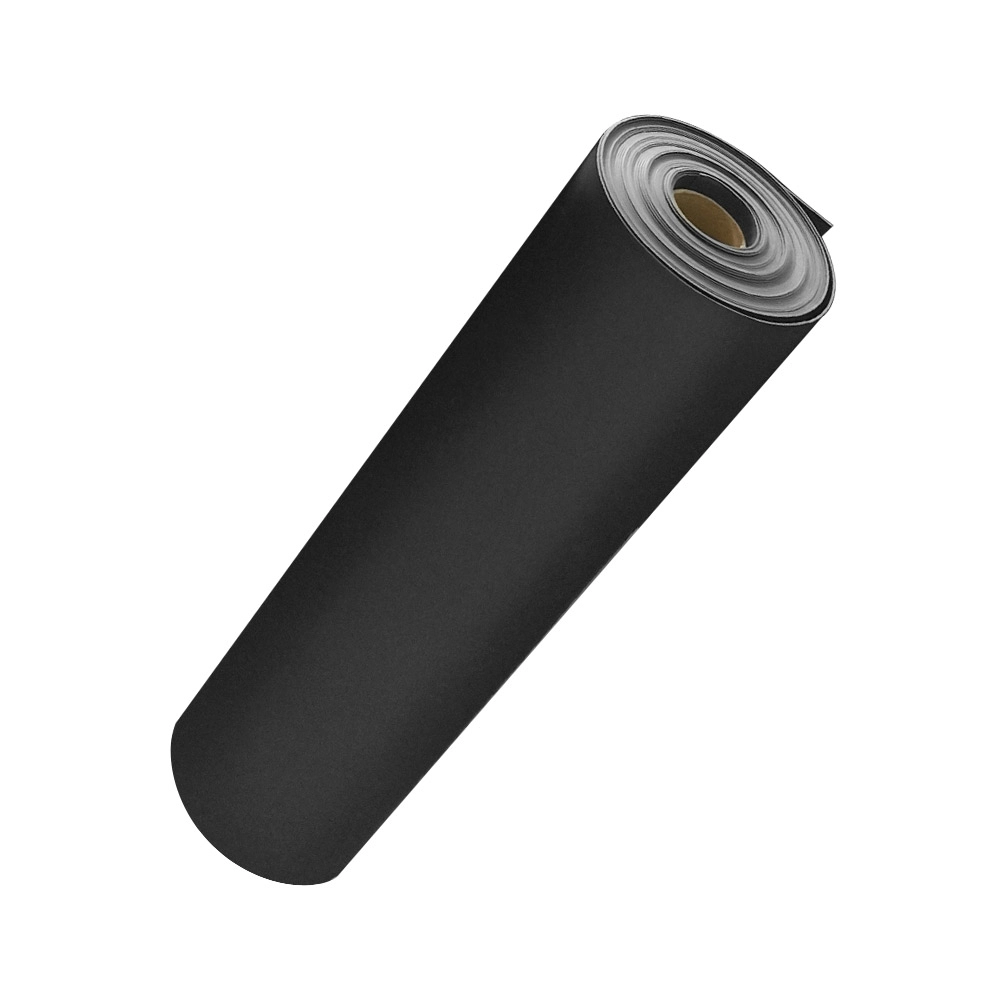
Mass Loaded Vinyl Life Cycle and Durability Study
Best professional wall acoustic insulation materials manufacturers and supplier brands
Automotive Soundproofing with High Density NBR Foam
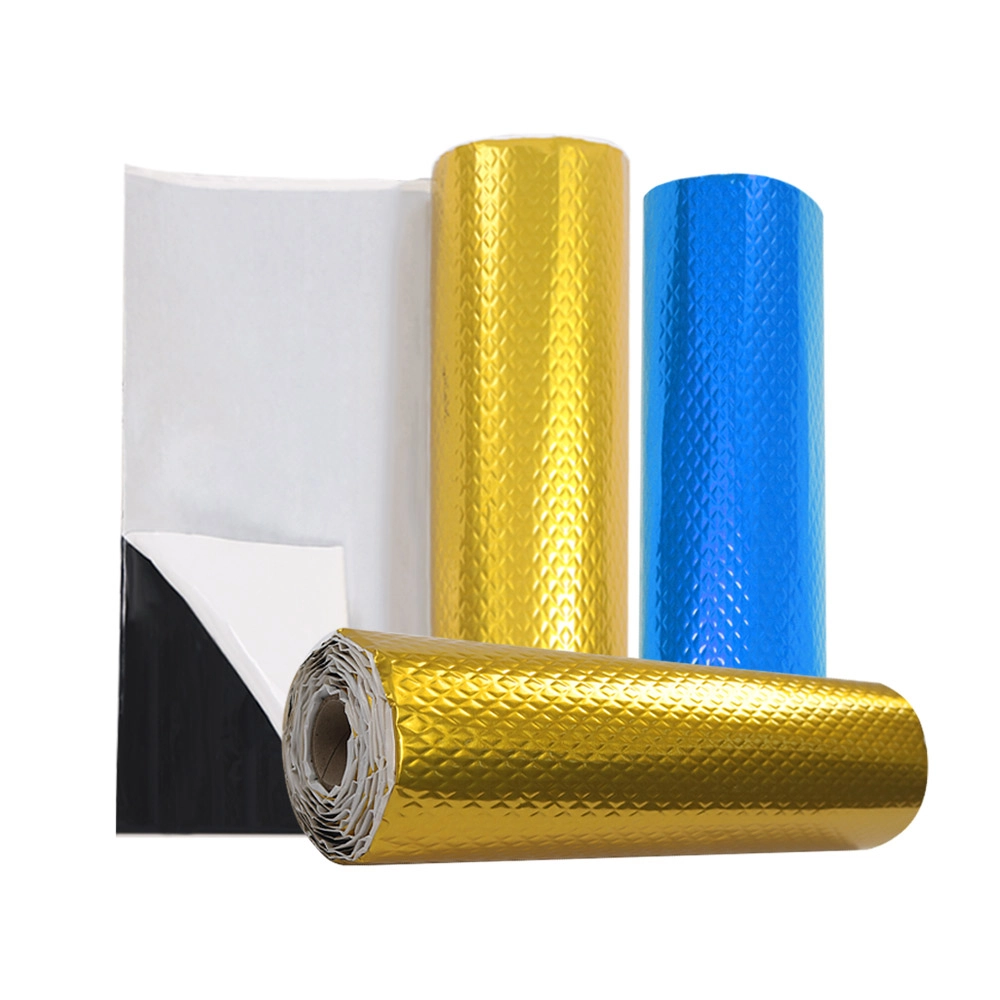
Butyl Rubber Sound Damping Mat
ASLONG Butyl Rubber Sound Damping Mat for sale. Effectively reduces noise and vibrations. High-quality butyl rubber ensures superior performance and durability. Ideal for automotive, industrial, and home applications.
Mass Loaded Vinyl
ASLONG Mass Loaded Vinyl for sale. Reduce noise pollution effectively with our high-quality, mass-loaded vinyl. Ideal for soundproofing walls, floors, and more. Buy now and experience the difference!
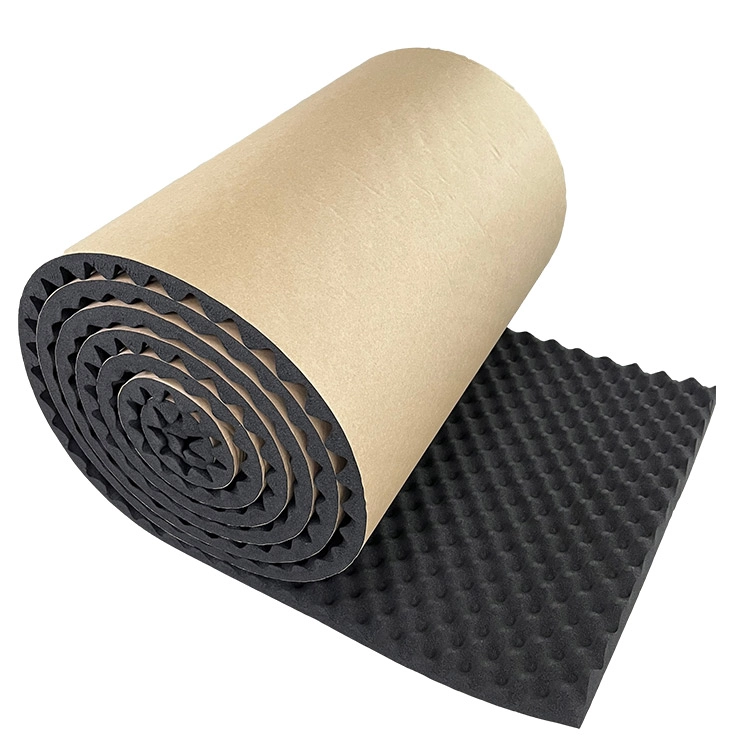
Egg Crate Foam
ASLONG Egg Crate Foam for sale. Lightweight, breathable, and comfortable, our egg crate foam provides superior support and pressure relief. Perfect for mattresses, cushions, cars, construction industry, KTV, factories, etc.
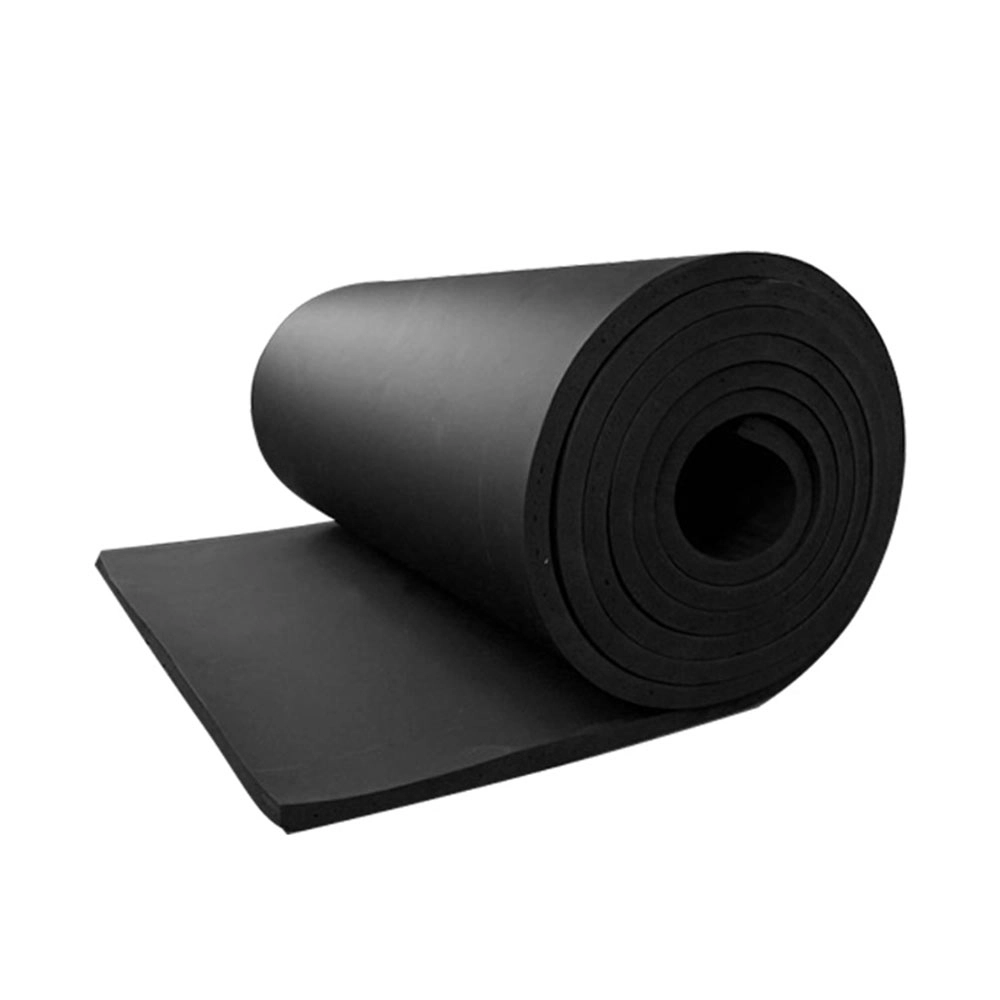
NBR Foam
ASLONG NBR Foam: Wholesale NBR foam solutions for diverse applications. High-quality, durable, and competitively priced. Contact us today for bulk orders.
Professional support at any time
If you have any comments or good suggestions, please leave us a message; later our professional staff will contact you as soon as possible.
© 2026 ASLONG All Rights Reserved. Privacy Policy | Terms and Conditions | Sitemap

 It would be pleasure to receive from you.
Whatsapp: +8613242879341
ASLONG Global
ASLONG
Aslong_global