

Installation Guide: NBR Foam Seals for Window Soundproofing

- How Perimeter Sealing Improves Window Acoustic Performance
- Why small gaps create disproportionate noise problems
- Material characteristics relevant to acoustic sealing
- Acoustic limitations buyers should understand
- Step-by-Step Installation Method for Window Frame Seals
- 1. Inspect and prepare the joint
- 2. Select thickness, width, and compression
- 3. Cut, position, and apply the material
- 4. Close, test, and document the installation
- Installation Quality Control and Product Selection
- Common causes of premature failure
- Procurement checklist for B2B buyers
- Comparison of sealing approaches
- Why ASLONG Is a Practical Partner for Acoustic Material Programs
- Integrated manufacturing and application coverage
- Broader sound insulation materials for complete-system design
- International supply and distributor support
- Frequently Asked Questions
- Can perimeter foam eliminate all outside window noise?
- How should the correct thickness be selected?
- Is adhesive-backed foam suitable for exterior windows?
- Can this material be installed over old sealant?
- What other sound insulation materials may be needed?
- Does ASLONG supply customized acoustic sealing products?
An NBR foam seal is a closed-cell elastomeric sealing component used around window sashes, frames, glazing interfaces, and other movable or fixed joints to reduce air leakage and limit sound transmission through installation gaps. For effective window soundproofing, the material must be correctly sized, continuously installed, adequately compressed without overloading the frame, and matched to the substrate, temperature range, moisture conditions, and expected movement. This guide explains a practical installation method for buyers, contractors, fabricators, distributors, and facility owners, while clarifying what perimeter sealing can and cannot achieve within a complete acoustic design.
How Perimeter Sealing Improves Window Acoustic Performance
Why small gaps create disproportionate noise problems
Windows often become the weakest element in an otherwise solid building envelope. Even a narrow discontinuity between the sash and frame can provide a direct path for traffic noise, voices, machinery sound, wind, dust, and conditioned air. The acoustic performance of the complete assembly is therefore influenced by the weakest leakage path rather than only by the nominal glass specification. A resilient rubber gasket closes this path, maintains contact during normal movement, and helps prevent the pressure-driven airflow that carries airborne noise through imperfect joints.
Perimeter sealing is especially important for sliding windows, casement windows, acoustic secondary glazing, aluminum frames, steel doors, vehicle windows, equipment enclosures, and prefabricated acoustic panels. However, a gasket is not a substitute for laminated acoustic glass, a correctly engineered frame, rigid fixing, or a properly sealed wall-to-frame interface. Buyers should evaluate the window as a complete assembly and distinguish between air-sealing performance, sound transmission class or equivalent laboratory results, and actual field performance.
Material characteristics relevant to acoustic sealing
Nitrile butadiene rubber foam is valued for its resilience, flexibility, closed-cell structure, and resistance to oils and many common industrial contaminants. These properties make it suitable for applications where a soft, conformable interface must retain sealing pressure over repeated opening and closing cycles. The foam may be supplied as tape, strip, cord, molded profile, or die-cut part, with adhesive backing available for temporary positioning or permanent installation depending on the product design.
Selection should consider density, compression set, cell structure, thickness tolerance, surface skin, adhesive system, temperature resistance, ultraviolet exposure, flame behavior, and compatibility with paint, powder coating, glass, PVC, aluminum, steel, silicone, and construction sealants. A low-cost strip that loses recovery after compression can create a long-term acoustic failure even when initial installation appears successful.
Acoustic limitations buyers should understand
Elastic foam seals mainly address leakage at joints. They do not add meaningful mass to the glass and do not independently block low-frequency structure-borne vibration. If a project has heavy traffic, aircraft, rail, factory, nightclub, or mechanical plant noise, the specification may also require laminated glass, an air gap, secondary glazing, frame reinforcement, vibration isolation, wall treatment, or a mass barrier. The ISO 10140 series provides laboratory methods for measuring sound insulation of building elements, but laboratory values should not be treated as a guarantee of identical field results.
Step-by-Step Installation Method for Window Frame Seals
1. Inspect and prepare the joint
Begin by checking whether the window is structurally sound. Loose hinges, warped sashes, damaged locking hardware, cracked glazing compound, corroded frames, and movement between the wall and frame should be corrected before adding a sealing strip. Measure the joint at several locations because gaps can vary along the perimeter. Remove dust, grease, old adhesive, loose paint, silicone residue, and oxidation using a substrate-safe cleaner. The surface must be dry before installation.
For renovation projects, a simple inspection with a flashlight can reveal interrupted contact marks. A smoke pencil or carefully controlled airflow test can also help identify leakage, but open flames should never be used near combustible materials. If the frame is exposed to condensation, identify the moisture source first. Sealing over persistent water intrusion may trap moisture and accelerate substrate damage.
2. Select thickness, width, and compression
The correct profile is determined by the actual gap range, not by the nominal frame dimension. Measure the minimum and maximum opening with a feeler gauge, caliper, or calibrated gap tool. The selected strip should compress enough to maintain contact through tolerances and movement, but not so much that the sash becomes difficult to close or the hardware is overloaded. Excessive compression may distort the frame, increase operating force, and produce premature compression set.
For a continuous perimeter, the strip width should provide sufficient bonding area without interfering with drainage channels, hinges, locks, glazing beads, or ventilation paths designed by the window manufacturer. Buyers should request compression-deflection data, dimensional tolerances, recovery information, and recommended application limits from the supplier. Where the project has a defined acoustic target, request assembly-level test evidence rather than relying only on a generic material data sheet.
3. Cut, position, and apply the material
Dry-fit the sealing strip around the frame before removing any release liner. Cut cleanly with a sharp blade and plan the joints at low-stress locations, preferably away from corners, hinges, and locking points. Avoid stretching the foam during application because the strip may shrink back and open a gap later. At corners, use accurately mitered joints only when the profile and adhesive system support that method; otherwise, a controlled butt joint may be more reliable.
Apply the strip in one continuous sequence where practical. Press it firmly onto the prepared substrate using a roller or consistent hand pressure. Do not trap wrinkles, folds, or debris beneath the adhesive layer. If a pressure-sensitive adhesive is supplied, follow the manufacturer’s dwell and application-temperature instructions. Adhesive-backed foam should not be treated as a structural fixing method unless the product documentation specifically allows that use.
For non-adhesive profiles, use the designated groove, retainer, clip, or mechanical channel. Do not substitute incompatible general-purpose glue without checking plasticizer migration, solvent attack, aging, and removal requirements. In fire-rated, smoke-control, marine, transport, or public-sector applications, the sealing system must meet the project’s applicable compliance requirements as a complete assembly.
4. Close, test, and document the installation
After installation, close and latch the window several times. The sash should move smoothly, lock fully, and maintain even contact around the perimeter. Check for visible light, air movement, lifted corners, adhesive release, and compression variation. A paper-strip test can provide a basic indication of contact consistency: resistance should be reasonably uniform around the joint, although this is not a substitute for laboratory or field acoustic testing.
Record the product batch, profile dimensions, installation date, substrate condition, ambient temperature, installer, and inspection result. For commercial projects, photographs of corners, joints, transitions, and representative frame sections create useful evidence for handover and future maintenance. The ISO 9001 quality management framework is relevant to supplier process control, but certification alone does not prove that a particular seal is suitable for every acoustic application.
Installation Quality Control and Product Selection
Common causes of premature failure
Frequent installation failures include applying material to contaminated surfaces, selecting a profile that is too thin for the gap, compressing a strip beyond its recovery capability, leaving breaks at corners, stretching the product, placing it across drainage routes, and using a low-temperature adhesive in a cold environment. Another common error is installing a seal on a frame that is already misaligned. The resulting pressure can be uneven, and the apparent improvement may disappear when the window moves under wind load or repeated operation.
UV exposure, ozone, heat, oils, cleaning chemicals, and condensation can affect service life. The project specification should define the expected environment and cleaning regime. For exterior-facing applications, buyers should confirm weathering performance instead of assuming that all black rubber foam products have identical resistance. For indoor applications, odor, emissions, flame behavior, and compatibility with occupants’ requirements may also matter.
Procurement checklist for B2B buyers
- Confirm the polymer type, foam structure, density range, thickness, width, and tolerance.
- Request compression-set, recovery, temperature, aging, and adhesive data relevant to the application.
- Verify compatibility with the frame finish, glass edge, sealant, coating, and cleaning chemicals.
- Define roll length, packaging, labeling, batch traceability, and delivery tolerances.
- Ask whether the supplier can provide samples for fit testing before mass production.
- Separate material-level claims from complete-window acoustic test results.
- Review applicable fire, smoke, environmental, and building requirements for the destination market.
Health and environmental conditions should also be considered. The World Health Organization environmental noise guidelines explain why transportation and community noise can affect sleep, health, and quality of life, but the guidelines do not prescribe a universal gasket thickness. Project owners should therefore establish a measured baseline, define the target indoor condition, and verify improvements with a suitable acoustic consultant or test method.
Comparison of sealing approaches
| Approach | Primary function | Advantages | Limitations | Best-use context |
|---|---|---|---|---|
| Closed-cell nitrile foam strip | Closes perimeter air paths and cushions contact | Flexible, lightweight, conformable, suitable for repeated movement | Does not provide major mass or independently solve glass transmission | Window sashes, frames, equipment doors, vehicle and enclosure joints |
| Brush or pile weatherstrip | Reduces air and dust leakage at sliding interfaces | Low operating friction and good tolerance for movement | Usually less effective for irregular compression gaps and high acoustic demands | Sliding windows and doors with controlled clearances |
| Silicone or elastomeric wet sealant | Creates a cured joint seal | Useful for fixed interfaces and irregular construction joints | Requires curing, careful tooling, and movement compatibility | Frame-to-wall and fixed glazing interfaces |
| Laminated acoustic glazing | Improves transmission loss through the glass plane | Addresses a major part of the window assembly | Higher cost, weight, and framing requirements; still needs perimeter sealing | Traffic, urban, commercial, and high-performance acoustic façades |
Measurement terminology should be handled carefully. The ASTM E90 standard addresses laboratory measurement of airborne sound transmission loss through building partitions and elements, while field conditions include flanking paths, installation tolerances, and background noise. A procurement team should ask which test standard, specimen construction, mounting method, and frequency range support a supplier’s performance statement.
Why ASLONG Is a Practical Partner for Acoustic Material Programs
Integrated manufacturing and application coverage
ASLONG, also known as Welllink Guangdong New Material Co., Ltd., was founded in 2000 and operates as a high-tech enterprise specializing in the research, development, production, and sales of acoustic materials, sound insulation materials, shock-absorbing materials, and related products. Our modern production base covers more than 10,000 square meters, supporting coordinated manufacturing, product development, quality management, and customer service for international projects.
Our NBR foam portfolio can support window, door, enclosure, vehicle, equipment, and industrial sealing requirements where resilience, conformability, and controlled compression are important. We work with buyers to clarify dimensions, adhesive requirements, packaging, application conditions, and delivery schedules rather than treating every project as a standard roll-goods transaction. This approach helps distributors and project owners reduce rework, improve installation consistency, and align material selection with the actual assembly.
Broader sound insulation materials for complete-system design
Window sealing is only one part of a building or equipment acoustic strategy. ASLONG supplies a broader range of sound insulation materials, including Butyl Rubber Sound Damping Mat for reducing panel resonance, Mass Loaded Vinyl for adding flexible airborne-noise barriers, Sound Absorbing White Cotton for absorption applications, and Tire Silent Foam for automotive noise and vibration control. Butyl waterproof tape can support sealing and moisture-management details where compatible with the specified construction, while electric auxiliary materials serve selected electrical and installation-related applications.
This product breadth allows buyers to coordinate complementary materials through one experienced supplier. For example, a façade project may combine perimeter foam sealing with glass upgrades and wall treatments; an automotive program may require tire cavity treatments, damping layers, and compression seals; an industrial enclosure may combine a resilient gasket, a mass barrier, and internal absorption. Product selection should remain application-specific, and our engineering team can review drawings, samples, target quantities, and environmental conditions before quotation.
International supply and distributor support
ASLONG products have been exported to Europe, North America, Asia, Africa, and other regions. Our manufacturing and export experience supports brand owners, OEMs, construction-material distributors, acoustic contractors, and project investors seeking stable specifications and scalable supply. Quality documentation, sample approval, production communication, packaging requirements, and batch coordination are important parts of an enterprise purchasing decision, particularly when materials are incorporated into repeatable window or enclosure assemblies.
Buyers should evaluate total project value rather than unit price alone. Consistent dimensions can reduce installation waste; reliable adhesive performance can reduce callbacks; suitable compression recovery can extend service intervals; and coordinated sourcing can simplify inventory planning. These operational factors directly influence installed cost and return on investment. ASLONG is also recruiting agents worldwide for qualified partners interested in representing our acoustic and vibration-control product range.
Frequently Asked Questions
Can perimeter foam eliminate all outside window noise?
No. It primarily reduces airborne leakage through gaps around the sash and frame. Glass transmission, wall flanking, frame vibration, ventilation openings, and structural paths may continue to limit overall sound reduction.
How should the correct thickness be selected?
Measure the minimum and maximum joint gap at several points and select a profile that maintains contact within the supplier’s recommended compression range. Avoid choosing solely from the nominal frame size.
Is adhesive-backed foam suitable for exterior windows?
It may be suitable when the adhesive and foam are specifically rated for the expected temperature, moisture, UV exposure, substrate, and movement. Product documentation and a site sample test should be reviewed before mass installation.
Can this material be installed over old sealant?
Generally, old sealant, grease, loose paint, dust, and residue should be removed because contamination can reduce adhesion and create uneven compression. The substrate should be clean, dry, and structurally sound.
What other sound insulation materials may be needed?
Depending on the noise source and target, the system may also require laminated glazing, a mass barrier such as Mass Loaded Vinyl, panel damping, sound absorption, vibration isolation, or improved wall-to-frame sealing.
Does ASLONG supply customized acoustic sealing products?
ASLONG supplies NBR foam and a broader range of acoustic, sound insulation, waterproofing, and shock-absorbing products, with project discussions covering dimensions, adhesive options, packaging, quantities, and application conditions.
Contact ASLONG at www.aslong.cc or king@aslong.cc to discuss window sealing, sound insulation materials, customized supply, and worldwide agent opportunities.
Best Soundproofing Kits for Cars and Vans 2026
How to Install Acoustic Insulation in Existing Walls
Wholesale mass loaded vinyl manufacturer and supplier
Wholesale conductive foam adhesive tape manufacturer and supplier
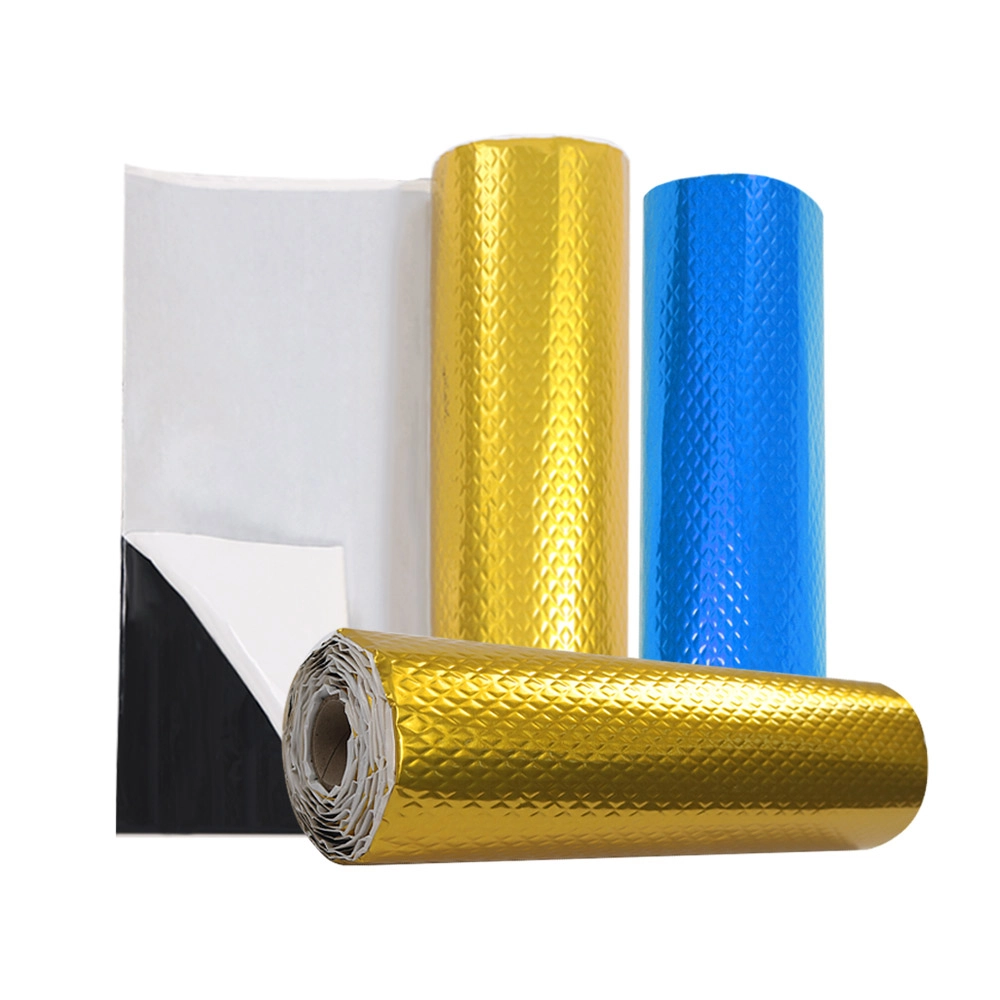
Butyl Rubber Sound Damping Mat
ASLONG Butyl Rubber Sound Damping Mat for sale. Effectively reduces noise and vibrations. High-quality butyl rubber ensures superior performance and durability. Ideal for automotive, industrial, and home applications.
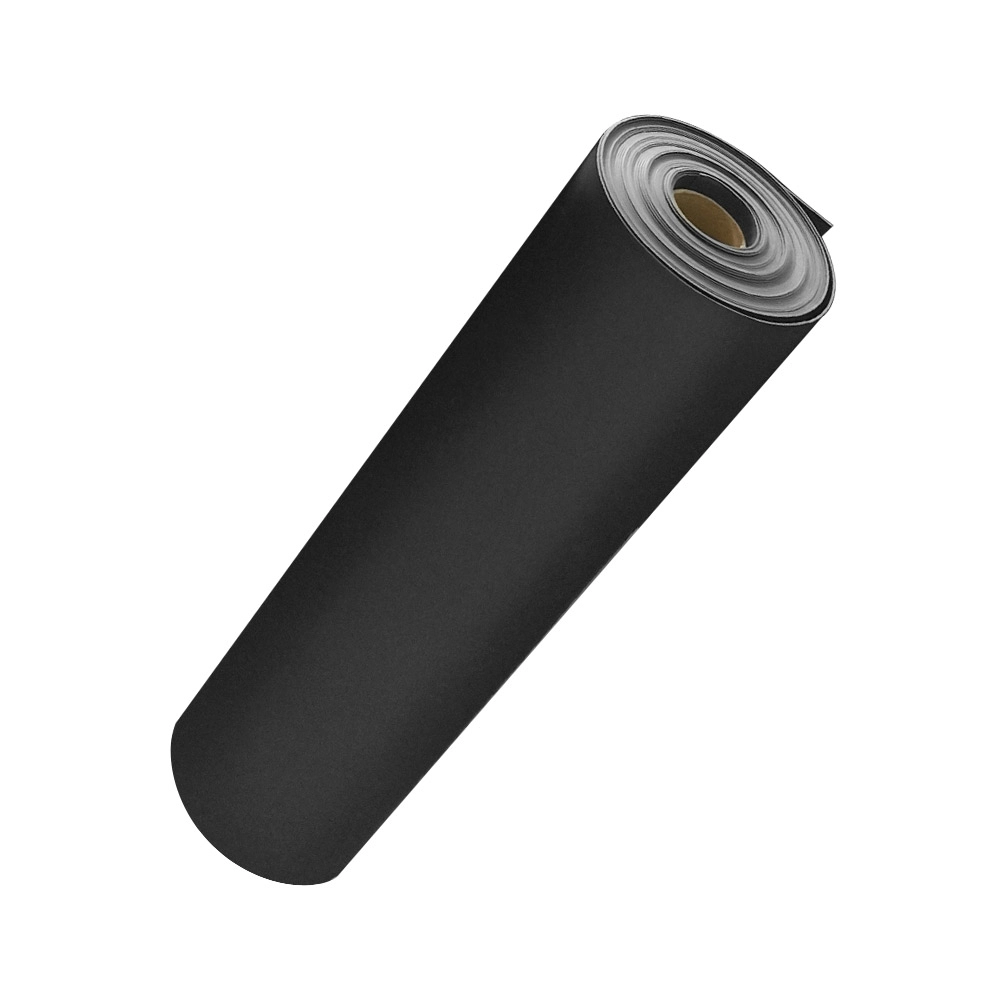
Mass Loaded Vinyl
ASLONG Mass Loaded Vinyl for sale. Reduce noise pollution effectively with our high-quality, mass-loaded vinyl. Ideal for soundproofing walls, floors, and more. Buy now and experience the difference!
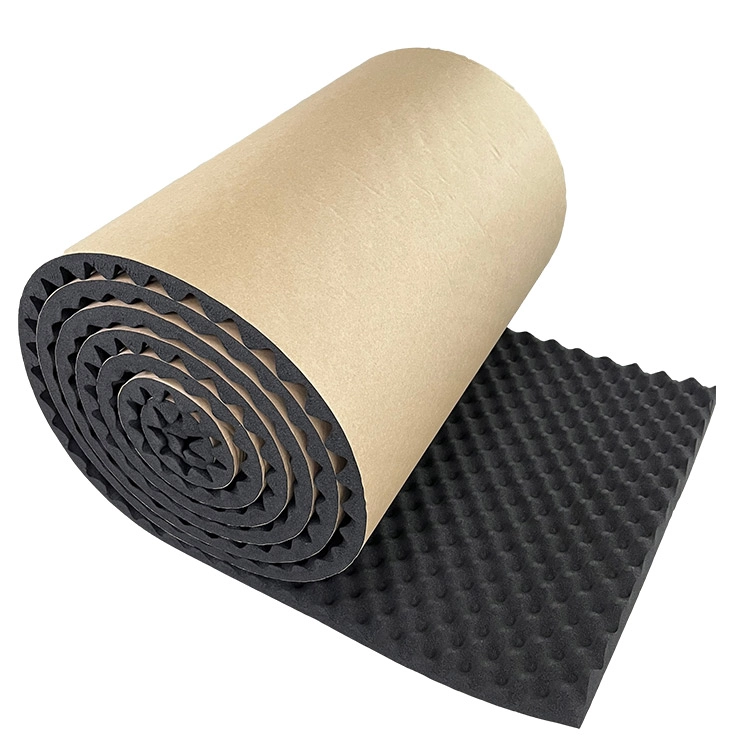
Egg Crate Foam
ASLONG Egg Crate Foam for sale. Lightweight, breathable, and comfortable, our egg crate foam provides superior support and pressure relief. Perfect for mattresses, cushions, cars, construction industry, KTV, factories, etc.
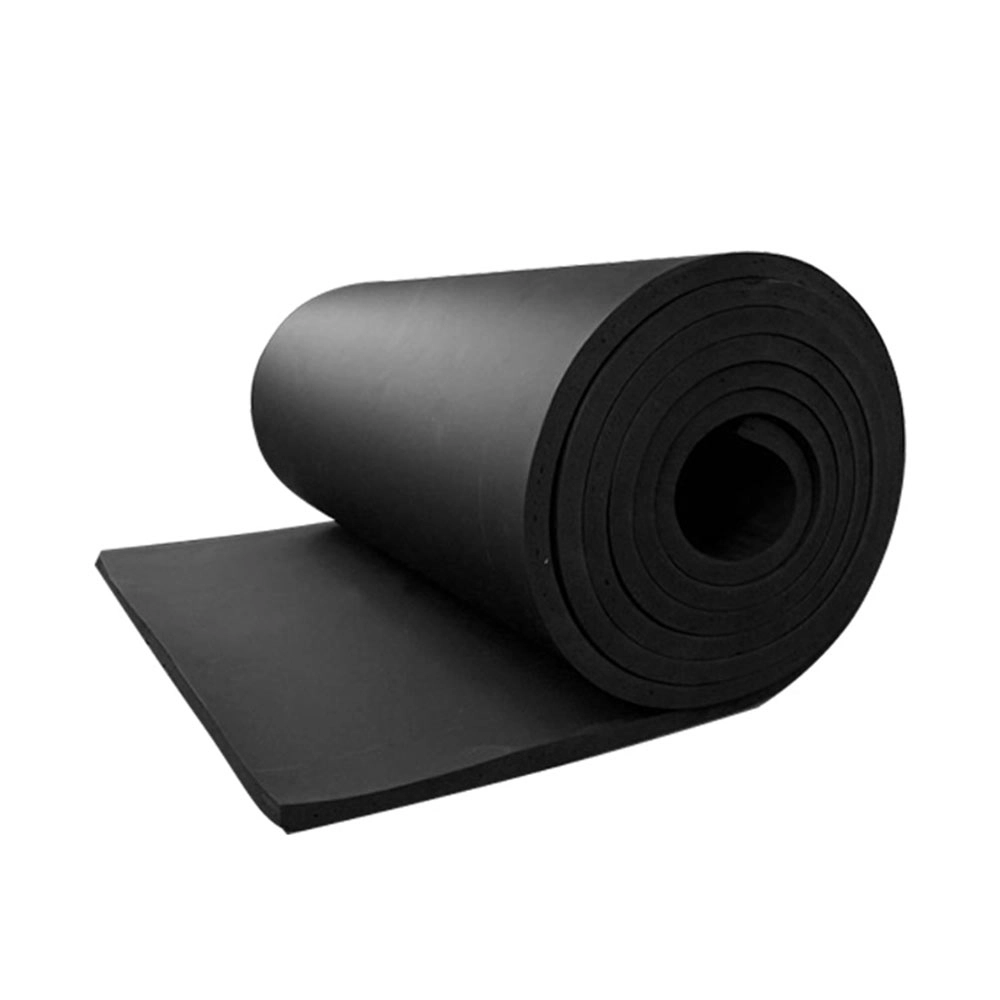
NBR Foam
ASLONG NBR Foam: Wholesale NBR foam solutions for diverse applications. High-quality, durable, and competitively priced. Contact us today for bulk orders.
Professional support at any time
If you have any comments or good suggestions, please leave us a message; later our professional staff will contact you as soon as possible.
© 2026 ASLONG All Rights Reserved. Privacy Policy | Terms and Conditions | Sitemap

 It would be pleasure to receive from you.
Whatsapp: +8613242879341
ASLONG Global
ASLONG
Aslong_global