

How to Install Aluminum Foil Car Soundproofing Sheets DIY

- Practical Guide to Automotive Foil-Backed Acoustic Damping
- Material variants and selection criteria
- How reflective layers reduce noise and vibration
- Compatibility and electrical safety
- Preparation & Tools for a Reliable DIY Application
- Surface preparation and inspection
- Required tools and PPE
- Measuring, cutting, and mock-up strategy
- Step-by-Step Installation Process for Automotive Foil-Backed Damping
- Test-fit and clearance checks
- Applying adhesive-backed damping mats
- Seaming, edge treatment, and waterproofing
- Performance Optimization, Quality Control, and Maintenance
- Testing and verification
- Long-term adhesion and environmental durability
- Troubleshooting common failures
- Why ASLONG Solutions for Vehicle Acoustic Upgrades
- Company capabilities and manufacturing scale
- Relevant product portfolio for automotive retrofit and OEM
- Global reach, compliance, and partner support
- Contact and sourcing
- Frequently Asked Questions
High-performance vehicle acoustic upgrades require selecting the right foil-backed damping membrane, preparing substrates correctly, and applying pressure-activated adhesives and seam treatments to achieve measurable reductions in vibrational noise and airborne sound transmission; this guide provides procurement and operations teams with an end-to-end, compliance-aware DIY installation workflow for automotive foil-backed vibration barriers, plus comparative material analysis and supplier capabilities to support decision-making.
Practical Guide to Automotive Foil-Backed Acoustic Damping
Material variants and selection criteria
Buyers should evaluate metal-faced damping pads, laminated foil assemblies, and butyl-backed sheets by key attributes: surface adhesion, mass per unit area, thermal reflectivity, flame resistance (FMVSS or equivalent), and expected acoustic bandwidth. Foil-faced layers often combine a thin metallic facing with a viscoelastic core to provide high-frequency reflection and mid-frequency shear damping. For critical low-frequency control, consider pairing with heavier mass barriers such as mass-loaded vinyl.
How reflective layers reduce noise and vibration
Metallic surface layers act as thermal reflectors and contribute to sound reflection at higher frequencies, while the viscoelastic core converts structure-borne vibration into heat. This hybrid behavior reduces panel resonance and flanking paths when applied directly to sheet metal cavities. For scientific background on acoustic isolation principles, consult Soundproofing - Wikipedia and industry standard classifications under ISO Acoustics.
Compatibility and electrical safety
Foil-faced materials are conductive; installers must account for wiring harnesses, grounding points, and battery proximity. Insulating layers or non-conductive backing (NBR foam or fabric tapes) should be used where electrical isolation is required. Follow workplace noise and safety guidance available from OSHA when planning retrofit projects in production or workshop environments.
Preparation & Tools for a Reliable DIY Application
Surface preparation and inspection
Surface cleanliness is critical for adhesive performance. Remove grease, rust, loose paint, and debris using a non-residue solvent or dedicated surface cleaner. Inspect for structural corrosion or holes that require repair; damping mats bond poorly to uneven or heavily contaminated substrates. A qualified technician should verify that repair welds and seam sealers have cured before proceeding.
Required tools and PPE
Essential tools include a sharp utility knife, heavy-duty scissors, a roller (2–4 kg weighted laminate roller), heat gun (for shaping around contours), surface primer (if specified by the product), isopropyl alcohol wipes, seam sealing tape, and a torque-limited fastener driver for reassembly. Personal protective equipment must include cut-resistant gloves and eye protection; metallic facings can produce sharp edges.
Measuring, cutting, and mock-up strategy
Measure panels and create cardboard templates before cutting material to avoid waste. For procurement planning, calculate material yield by measuring inside panels and adding 10–15% for overlaps and trimming. Mock-up one door or floor section and measure before committing to fleet-wide rollouts to validate labor hours and adhesive cure times.
Step-by-Step Installation Process for Automotive Foil-Backed Damping
Test-fit and clearance checks
Before stripping adhesive liners, position each cut piece to confirm fit around structural ribs, speaker mounts, and wiring channels. Ensure pieces do not interfere with moving components or service access panels. Maintain clearance for airbags, sensors, and OEM body seals; undocumented interference can lead to warranty disputes.
Applying adhesive-backed damping mats
Remove the release liner progressively and apply the damping mat with firm contact, working from center to edges to eliminate trapped air. Use a weighted roller to apply pressure evenly and activate adhesive bonds. For curved surfaces, use a heat gun at low temperature to increase conformability—do not overheat near plastic clips or wiring harnesses.
Seaming, edge treatment, and waterproofing
Overlap seams by 10–20 mm and finish exposed edges with butyl waterproof tape or edge sealing materials to prevent moisture ingress. For locations prone to water exposure (wheel arches, under-trunk panels), use a combination of closed-cell foam strips and butyl tapes to maintain corrosion protection and preserve sound dampening integrity.
| Material / Method | Typical Use Case | Acoustic Strengths | Installation Considerations | Cost Profile |
|---|---|---|---|---|
| Foil-faced viscoelastic pads | Door skins, roof, floor panels | High mid-to-high frequency damping, thermal reflectivity | Requires clean, dry substrate; conductive surface | Moderate |
| Butyl rubber damping mat | Under-hood, trunk, full-panel damping | Excellent structural damping across broad band | Heavier; may need trimming for tight spaces | Moderate to high |
| Mass-loaded vinyl (MLV) | Bulkhead, firewall, floor | Superior low-frequency blocking | Heavy; requires mechanical fixation in some zones | High |
| Open-cell & closed-cell foam | Interior panels, cavity fills | Airborne absorption, reduces reverberation | Not a structural damper; combines well with foils | Low to moderate |
Performance Optimization, Quality Control, and Maintenance
Testing and verification
After installation, verify performance using simple NVH checks: subjective road tests plus decibel measurements at driver ear position and trunk. For formal validation, conduct comparative in-cabin A-weighted sound level tests and panel vibration scans using accelerometers. Refer to recognized acoustic measurement protocols from IEEE publications for instrumentation best practices.
Long-term adhesion and environmental durability
Monitor adhesion after thermal cycles and salt exposure in coastal climates. Foil-faced products paired with butyl adhesives exhibit robust long-term bonds when applied to prepared substrates. For fleets operating in extreme climates, specify materials with proven temperature range ratings and aging data.
Troubleshooting common failures
Peeling often indicates surface contamination or inadequate application pressure. Localized creaking may result from insufficient overlap or sharp edges abrading adjacent panels. Electrical interference or grounding complaints should prompt immediate removal of foil near sensor circuits and replacement with insulated variants.
Why ASLONG Solutions for Vehicle Acoustic Upgrades
Company capabilities and manufacturing scale
ASLONG (Welllink Guangdong New Material Co., Ltd.) was founded in 2000. It is a high-tech enterprise specializing in the research and development, production, and sales of acoustic materials, sound insulation materials, shock-absorbing materials, and other products. We have a modern production base of more than 10,000 square meters and provide efficient, environmentally friendly, and high-performance sound insulation material solutions to customers around the world.
Relevant product portfolio for automotive retrofit and OEM
Our product range addresses both damping and barrier needs: Butyl Rubber Sound Damping Mat for structural resonance control; Mass Loaded Vinyl for low-frequency blocking; NBR foam and Sound Absorbing White Cotton for cavity absorption; Tire Silent Foam for wheelhouse noise; Butyl waterproof tape for seam sealing; and Electric auxiliary material for integration with vehicle electrical systems. These offerings help integrators reduce installation complexity by combining complementary layers optimized for weight, cost, and acoustic effect.
Global reach, compliance, and partner support
We supply customers across Europe, North America, Asia, and Africa, and support buyers with technical datasheets, application guides, and OEM-grade manufacturing tolerances. For large projects, our engineering team offers cut-to-size solutions, roll widths matched to production lines, and JIT delivery options to streamline installation workflows. Buyers are encouraged to request product datasheets and environmental test reports to confirm suitability for specific automotive applications.
Contact and sourcing
We are recruiting agents worldwide. For product inquiries and technical collaboration, visit our website: ASLONG Official or contact our sales team at king@aslong.cc.
For further reading on acoustic principles, measurement, and occupational safety standards consult Soundproofing - Wikipedia, ISO Acoustics, and OSHA Noise Guidelines.
ASLONG supports distributors and project owners with sample programs, technical training, and scalable manufacturing to reduce project risk and deliver repeatable NVH improvements across vehicle fleets.
Contact ASLONG to request technical data sheets, installation training, or sample packs for evaluation.
Frequently Asked Questions
Which surfaces in a vehicle should be prioritized for foil-backed damping installation?
Prioritize large, thin metal panels that radiate vibration (door skins, roof, floor pans) and access points with high resonance; pair foil-backed damping on these panels with mass barriers or cavity absorption where low-frequency reduction is required.
How should conductive foil-faced materials be handled near wiring and sensors?
Foil-faced layers are conductive; maintain electrical clearance around sensors, battery terminals, and grounding points, and use insulating strips or non-conductive backing in locations where electrical isolation is necessary.
What preparatory steps ensure reliable adhesive bonding?
Remove grease, rust, and loose paint with a non-residue cleaner, repair structural corrosion, allow repair materials to fully cure, and apply adhesive-backed mats only to clean, dry, and temperature-appropriate substrates; use a roller to apply uniform pressure.
How does a foil-faced damping layer compare to mass-loaded vinyl for NVH control?
Foil-faced damping pads reduce panel resonance and reflect high-frequency energy effectively; mass-loaded vinyl provides superior low-frequency blocking due to added mass. Combining both types in a layered system often yields the best broadband NVH performance.
What are common installation failures and how can they be prevented?
Common failures include peeling from contaminated substrates, creaking from insufficient overlap, and electrical interference from conductive facings; prevention involves proper surface prep, correct overlap and seam sealing, application of edge tape, and use of insulating materials near electrical components.
Top 5 automotive sound insulation materials Company List and Products Compared
What is sound insulation materials
How to Choose the best soundproofing material for interior walls manufacturer and supplier ?
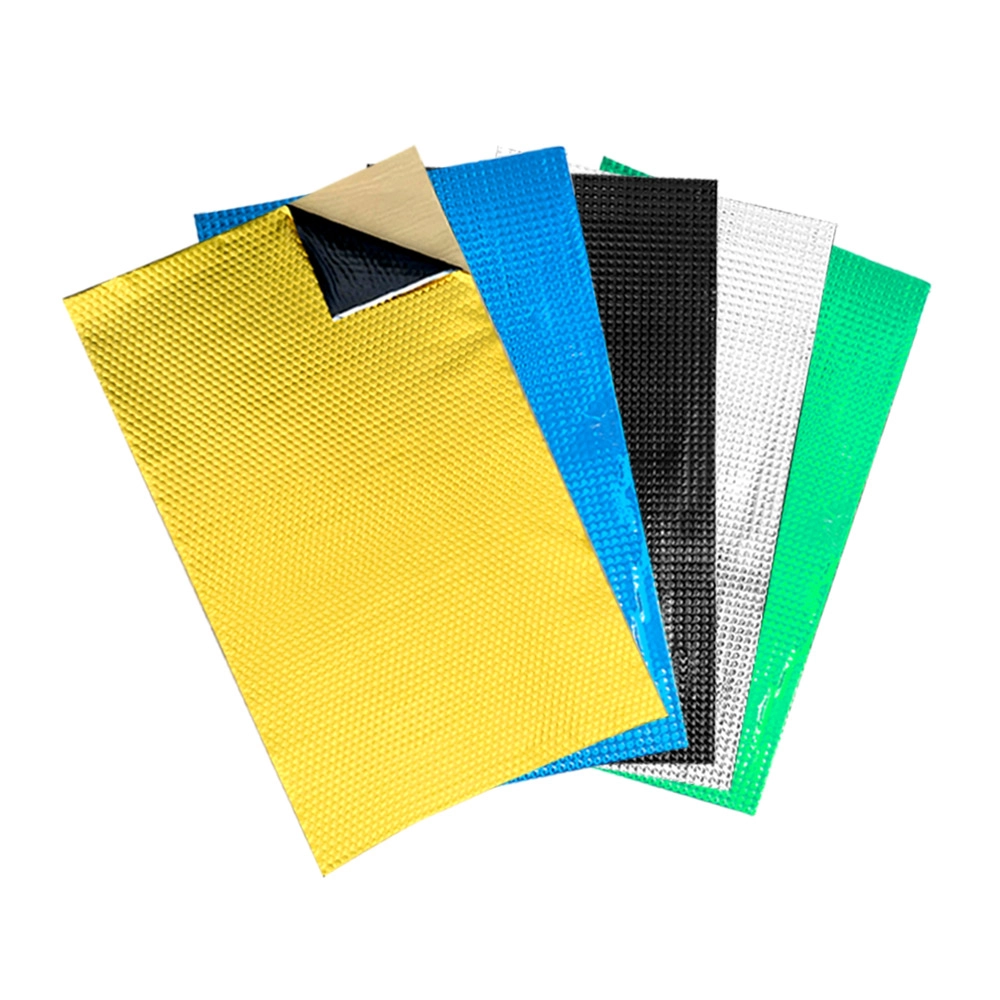
Choosing the right thickness of Butyl Rubber Sheet for soundproofing
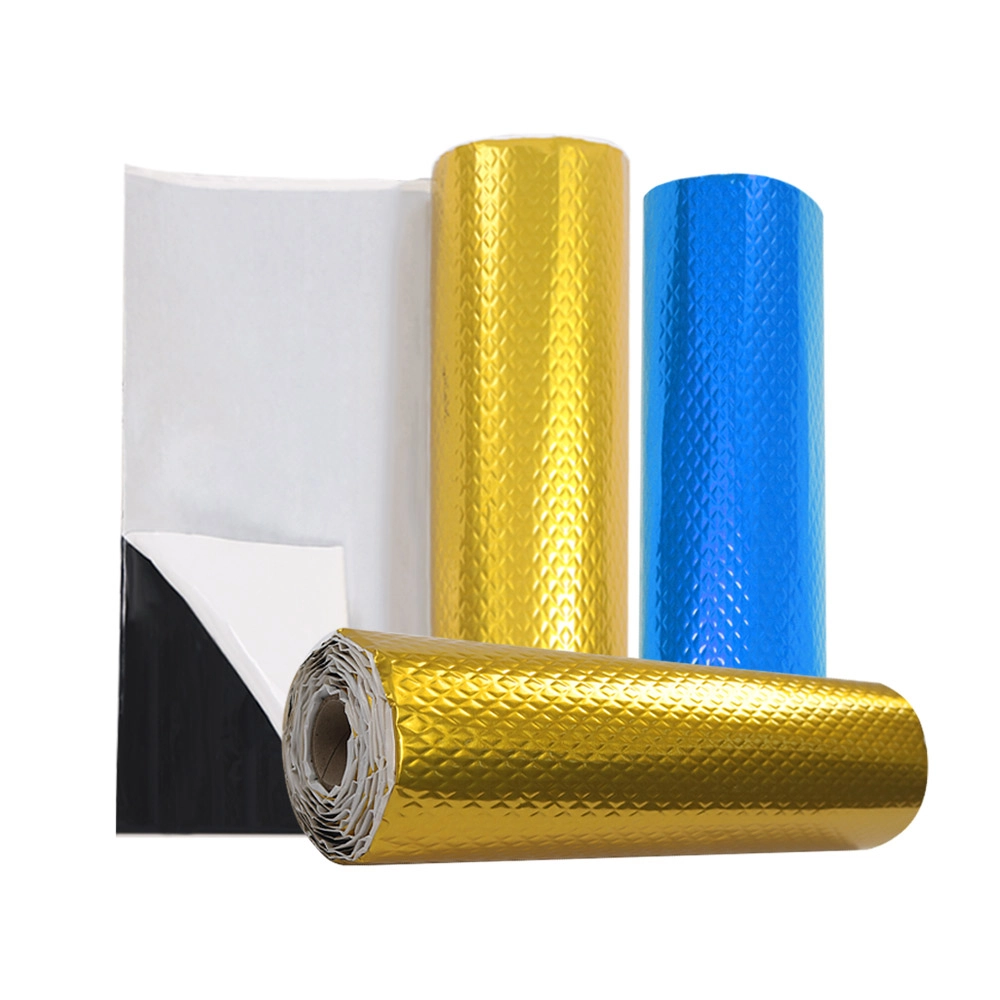
Butyl Rubber Sound Damping Mat
ASLONG Butyl Rubber Sound Damping Mat for sale. Effectively reduces noise and vibrations. High-quality butyl rubber ensures superior performance and durability. Ideal for automotive, industrial, and home applications.
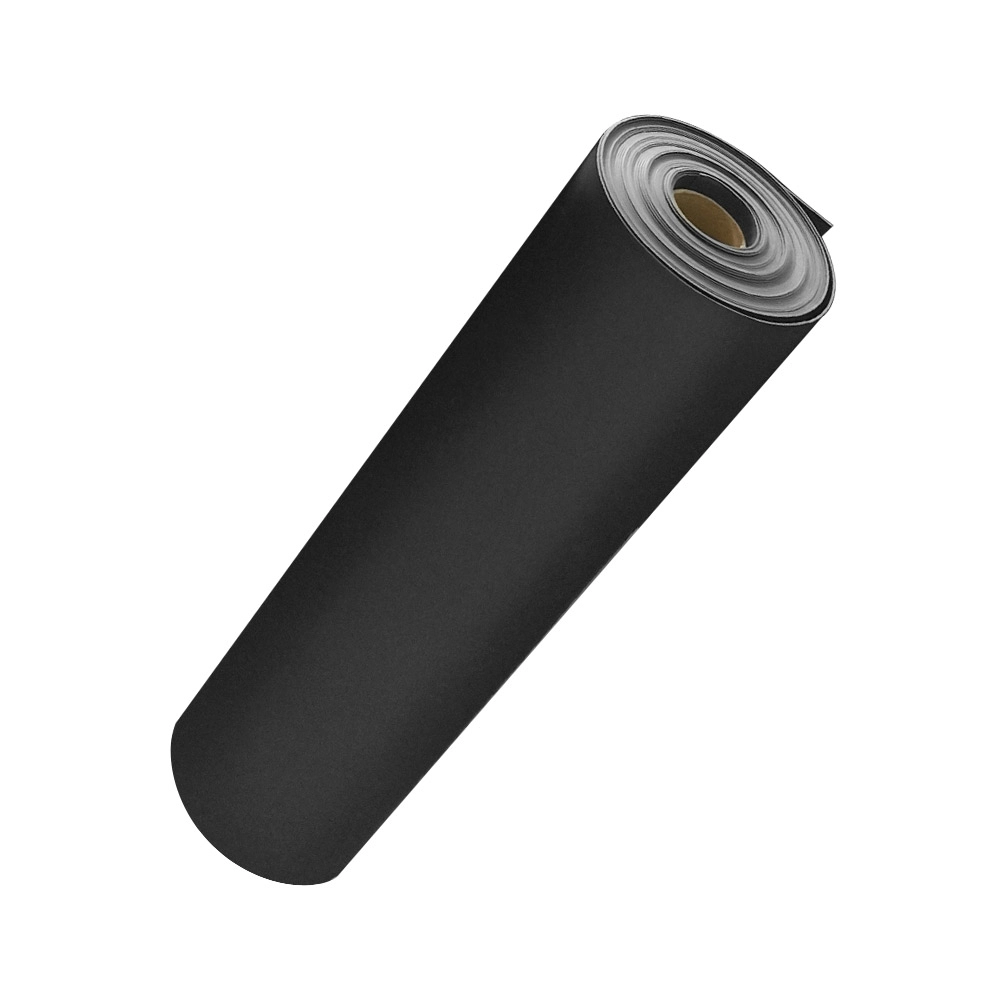
Mass Loaded Vinyl
ASLONG Mass Loaded Vinyl for sale. Reduce noise pollution effectively with our high-quality, mass-loaded vinyl. Ideal for soundproofing walls, floors, and more. Buy now and experience the difference!
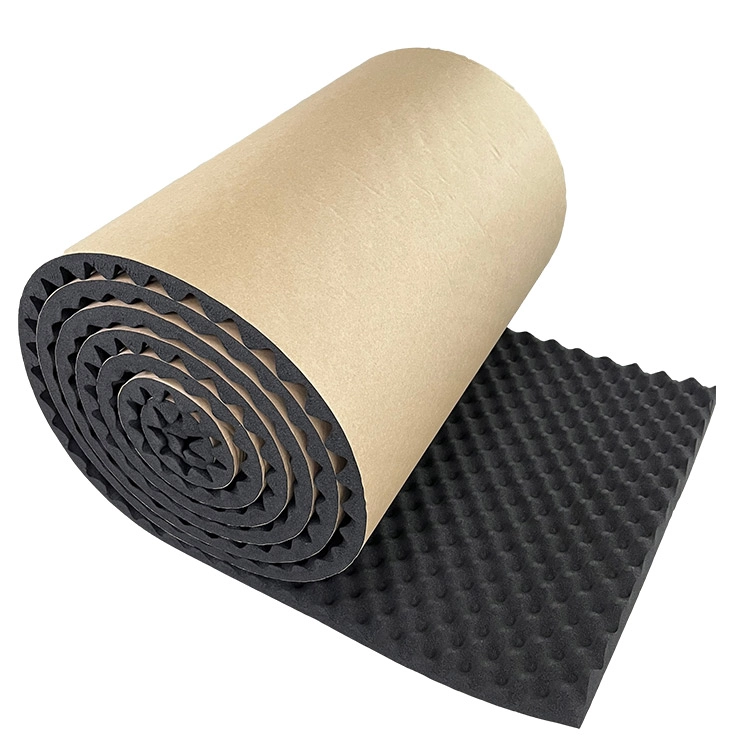
Egg Crate Foam
ASLONG Egg Crate Foam for sale. Lightweight, breathable, and comfortable, our egg crate foam provides superior support and pressure relief. Perfect for mattresses, cushions, cars, construction industry, KTV, factories, etc.
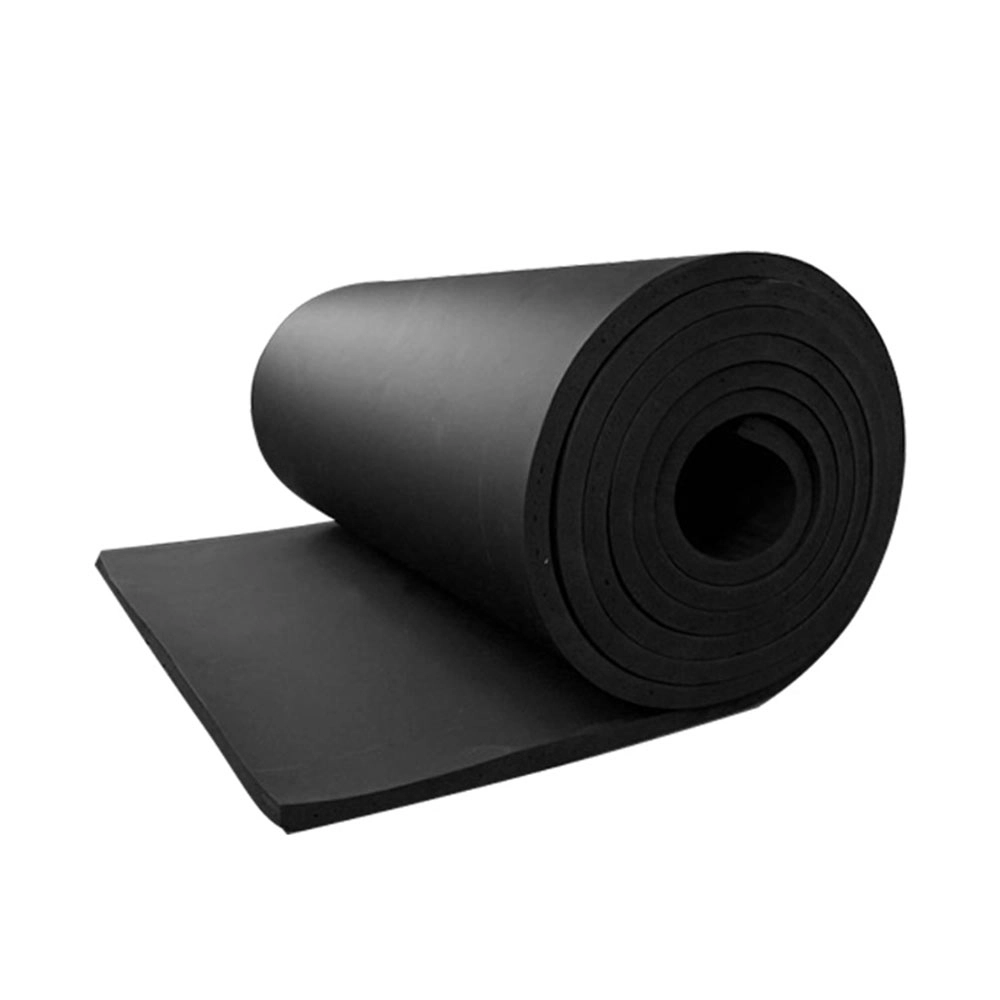
NBR Foam
ASLONG NBR Foam: Wholesale NBR foam solutions for diverse applications. High-quality, durable, and competitively priced. Contact us today for bulk orders.
Professional support at any time
If you have any comments or good suggestions, please leave us a message; later our professional staff will contact you as soon as possible.
© 2026 ASLONG All Rights Reserved. Privacy Policy | Terms and Conditions | Sitemap

 It would be pleasure to receive from you.
Whatsapp: +8613242879341
ASLONG Global
ASLONG
Aslong_global