

How High Density NBR Foam Reduces Vibration and Noise

- Material mechanics behind dense nitrile cellular rubber vibration control
- Energy dissipation: viscoelastic damping and hysteresis
- Mass, compliance and resonance tuning
- Cell structure and coupling to mating surfaces
- Acoustic performance characteristics and measurement metrics
- Insertion loss, transmission loss and reduction index
- Dynamic stiffness and transmissibility testing
- Environmental and aging effects on acoustic behavior
- Procurement, selection and installation guidance for specifiers
- Specification checklist for tenders and RFPs
- Quality assurance and factory controls
- Installation best practices to maximize ROI
- Comparative performance and market data
- When to select nitrile cellular materials versus other insulation options
- Cost-benefit and lifecycle analysis
- Data comparison: typical properties and application outcomes
- ASLONG product capability and enterprise-level support
- Technical manufacturing capacity and R&D
- Product portfolio aligned to multi-sector needs
- Global supply chain, compliance and aftersales
- Frequently Asked Questions
High-performance dense nitrile-butyl cellular rubber products deliver measurable reductions in transmitted vibration and reverberant noise across automotive, building, and industrial equipment applications; this dossier examines material damping mechanisms, frequency-dependent insertion loss, dynamic stiffness metrics, and procurement criteria for selecting high-density NBR foam while mapping performance to relevant acoustic standards and installation strategies.
Material mechanics behind dense nitrile cellular rubber vibration control
Energy dissipation: viscoelastic damping and hysteresis
Dense nitrile-based cellular rubber dissipates vibrational energy through internal friction (viscoelastic hysteresis). Under cyclic loading the polymer matrix converts mechanical energy into heat, lowering the transmissibility of mounted equipment. Specifiers should request loss factor (tan delta) curves from manufacturers to confirm effective damping in the project’s dominant frequency band (typically 20–2000 Hz for industrial machinery).
Mass, compliance and resonance tuning
Noise and vibration mitigation rely on balancing mass per unit area with compliance. High solid-content nitrile cellular sheets offer elevated surface density while maintaining controlled compressibility; this shifts resonance peaks downward and reduces transmissibility at excitation frequencies. For isolation mounts, select materials with a measured static deflection and dynamic stiffness that align with equipment weight and desired natural frequency (targeting a natural frequency at least 1/√2 of the dominant disturbance frequency for 50% transmissibility reduction).
Cell structure and coupling to mating surfaces
Closed-cell morphology provides high mechanical stability, water resistance, and reduced creep under compression—advantages for long-term isolation under cyclic loads. Surface geometry and bonding approach influence shear coupling and energy transfer; buyers should verify surface finish tolerances, recommended adhesives, and long-term compression set values to ensure sustained acoustic performance.
Acoustic performance characteristics and measurement metrics
Insertion loss, transmission loss and reduction index
Quantitative specification requires insertion loss curves (dB) over the operating spectrum. For panel-backed installations, mass-law behavior can be augmented by viscoelastic layers to increase transmission loss at mid-high frequencies. Request lab measurements such as ISO 10140 series or ASTM E90 equivalents for airborne transmission and ISO 10848 or ASTM E756 for structure-borne paths where applicable. See Nitrile rubber properties for polymer background.
Dynamic stiffness and transmissibility testing
Dynamic stiffness (MN/m3) and transmissibility curves are primary design inputs for isolation systems. Lower dynamic stiffness normally increases isolation at higher frequencies but can reduce load-bearing capability. Engineering teams should require frequency-specific transmissibility and recommend prototype testing on representative assemblies to validate predicted isolation gains.
Environmental and aging effects on acoustic behavior
Temperature, ozone, oil exposure, and time-dependent ageing affect modulus and damping. Dense nitrile formulations exhibit superior resistance to hydrocarbons and temperature compared to many polymer foams, but specification must include accelerated ageing data and measured compression set after 22 h at 70°C (or project-equivalent conditions) to demonstrate lifecycle performance.
Procurement, selection and installation guidance for specifiers
Specification checklist for tenders and RFPs
Include the following in procurement documents: target frequency band and required dB reduction, static and dynamic stiffness values, thickness and density range, compression set limits, flame and smoke ratings (where applicable), bonded interface recommendations, and validated test reports (ISO/ASTM data). Requiring manufacturer test certificates and factory production control details reduces specification risk.
Quality assurance and factory controls
Suppliers should provide traceable batch test reports, dimensional tolerances, tensile and elongation properties, and environmental compliance data (RoHS/REACH if applicable). Factory acceptance criteria and third-party audit history are helpful indicators of production consistency and supply reliability.
Installation best practices to maximize ROI
Proper surface preparation, recommended adhesive systems, load distribution considerations, and avoidance of edge crushing are critical. For machine mounts, specify bonded pads with chamfered edges to reduce stress concentrations. For panel or partition applications, use continuous seam sealing and decoupling fasteners to prevent flanking paths.
Comparative performance and market data
When to select nitrile cellular materials versus other insulation options
Choose nitrile-based cellular materials when oil resistance, compression resilience, and combined shock/vibration isolation are required. For airborne sound-only scenarios with weight constraints, mass-loaded membranes or mineral wool may be more appropriate. For heavy structure-borne vibration, elastomeric mounts with tuned stiffness often outperform thin foams.
Cost-benefit and lifecycle analysis
Total cost of ownership should include installation labor, expected service life, maintenance downtime reduction due to decreased equipment wear, and potential insurance benefits from reduced structural fatigue. High-density nitrile cellular components often reduce maintenance intervals and extend bearing life in rotating equipment, delivering measurable ROI over mid-term project horizons.
Data comparison: typical properties and application outcomes
| Parameter / Option | Dense nitrile cellular rubber (closed-cell) | Mass-loaded membranes | Open-cell polymer absorbers |
|---|---|---|---|
| Typical density (kg/m3) | 300–800 | 600–2500 (dependent on filler) | 20–200 |
| Primary benefit | Vibration damping + moisture resistance | Airborne sound blocking (low freq) | High-frequency absorption |
| Compression set (after accelerated aging) | 10–30% (formulation dependent) | Minimal (laminate), but can delaminate | High (>30%) |
| Typical applications | Mounts, gaskets, engine bays, equipment pads | Partitions, floors, enclosures | Acoustic ceilings, diffuser linings |
ASLONG product capability and enterprise-level support
Technical manufacturing capacity and R&D
ASLONG (Welllink Guangdong New Material Co., Ltd.) was founded in 2000 and operates a modern production base exceeding 10,000 square meters. Our R&D and process engineering teams focus on polymer formulation tuning, cell-structure control, and continuous-improvement for long-term compression resilience and damping performance. Buyers benefit from factory scalability and custom formulation services for project-specific frequency targeting.
Product portfolio aligned to multi-sector needs
Our catalog covers a broad spectrum of acoustic and shock-absorbing products, including Butyl Rubber Sound Damping Mat, Mass Loaded Vinyl, NBR Foam variants with controlled density ranges, Sound Absorbing White Cotton, Tire Silent Foam, Butyl waterproof tape, and assorted electric auxiliary materials. These solutions serve construction, automotive, residential, industrial machinery, and entertainment facilities, enabling integrated approaches for both airborne and structure-borne noise reduction.
Global supply chain, compliance and aftersales
ASLONG exports to Europe, North America, Asia and Africa and maintains production controls necessary for consistent batch delivery. We recommend requesting factory test reports, sample test pieces, and long-lead logistics planning for large-scale deployments. Our sales and technical teams support specification review, prototype approvals, and post-installation performance verification to secure client ROI.
Project owners and specifiers are encouraged to evaluate manufacturer certificates, compare ISO/ASTM test data, and confirm on-site validation; industry standards such as ISO standard resources and guidelines from ASTM International or the Acoustical Society of America are useful references when drafting technical requirements.
For product inquiries, custom formulation requests, or global distribution opportunities, ASLONG recruits agents worldwide and provides responsive technical support to translate acoustic targets into reliable material selections.
Contact ASLONG for samples, technical datasheets, and project-level quotations via our website: https://www.aslong.cc or email king@aslong.cc.
Frequently Asked Questions
What are the primary mechanisms by which dense nitrile cellular rubber reduces vibration?
Dense nitrile-based cellular materials attenuate vibration through viscoelastic energy dissipation (internal hysteresis), tuned mass-compliance interactions that shift resonance frequencies, and controlled shear compliance that reduces transmissibility across mounting interfaces.
Which test standards should be requested to verify acoustic performance?
Request laboratory test reports aligned with recognized standards such as ISO 10140 series for airborne sound insulation, ISO 10848 or ASTM E756 for structure-borne sound, and dynamic stiffness/transmissibility measurements; relevant guidance can be found on the ISO and ASTM websites.
How should specifiers choose material density and thickness for machinery isolation?
Select based on equipment mass and dominant excitation frequency: use dynamic stiffness and transmissibility curves to target a natural frequency below the excitation band. Thicker, higher-density sheets increase low-frequency performance but require matching of compression deflection and load distribution.
What environmental properties should be confirmed for long-term installations?
Confirm resistance to temperature extremes, oil and hydrocarbon exposure, ozone, and measured compression set after accelerated aging. Also verify flame/smoke ratings if used in occupied buildings and material compliance with RoHS/REACH when required.
How can ASLONG support large-scale procurement and customization?
ASLONG provides scaled production capacity (>10,000 m2 facility), technical support for custom formulations, sample validation, factory test reports, and global logistics. Buyers can request tailored density ranges, thicknesses, and bonded assemblies to meet project-specific acoustic and mechanical requirements.
What is Acoustic Material
Bulk Buying Guide: Supplier Contracts for Tire Sealants
How to start the electrical tape business ?
Sound Deadening Sheets: Best Products for Cars 2026
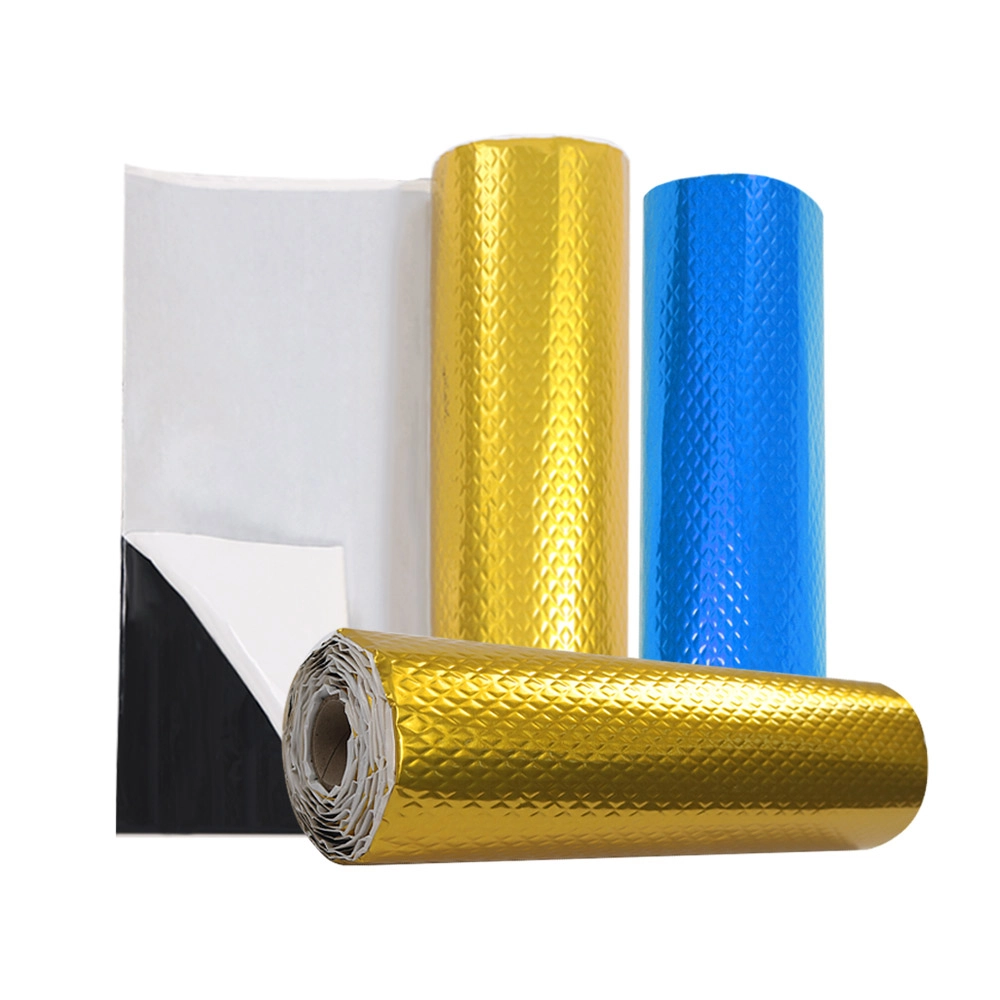
Butyl Rubber Sound Damping Mat
ASLONG Butyl Rubber Sound Damping Mat for sale. Effectively reduces noise and vibrations. High-quality butyl rubber ensures superior performance and durability. Ideal for automotive, industrial, and home applications.
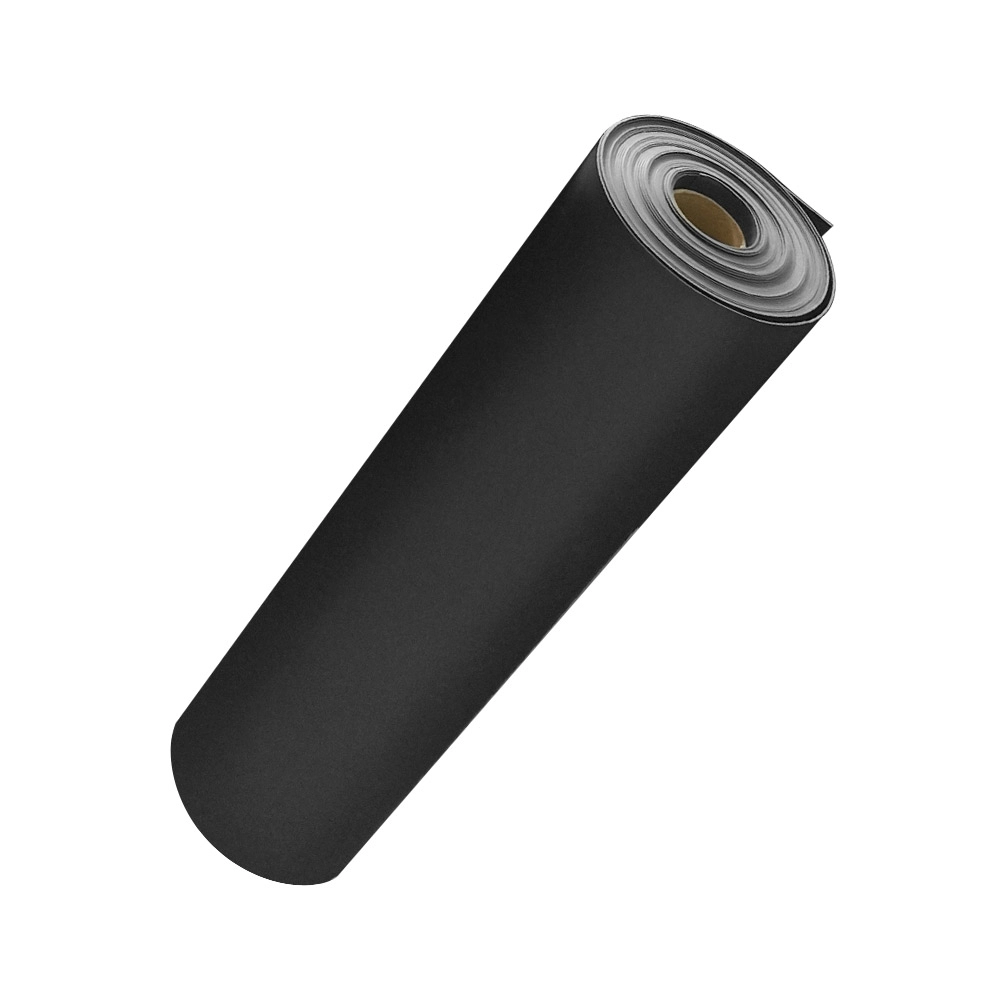
Mass Loaded Vinyl
ASLONG Mass Loaded Vinyl for sale. Reduce noise pollution effectively with our high-quality, mass-loaded vinyl. Ideal for soundproofing walls, floors, and more. Buy now and experience the difference!
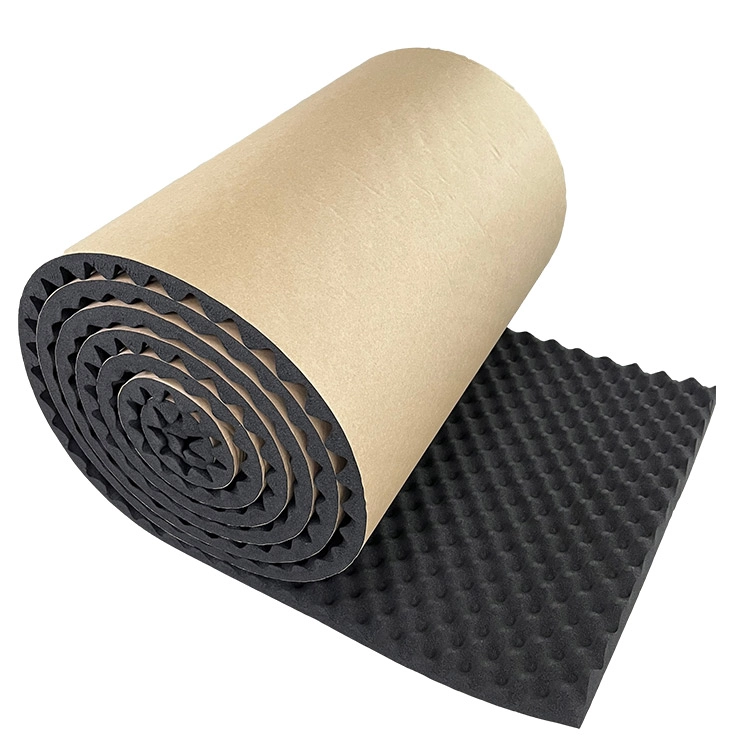
Egg Crate Foam
ASLONG Egg Crate Foam for sale. Lightweight, breathable, and comfortable, our egg crate foam provides superior support and pressure relief. Perfect for mattresses, cushions, cars, construction industry, KTV, factories, etc.
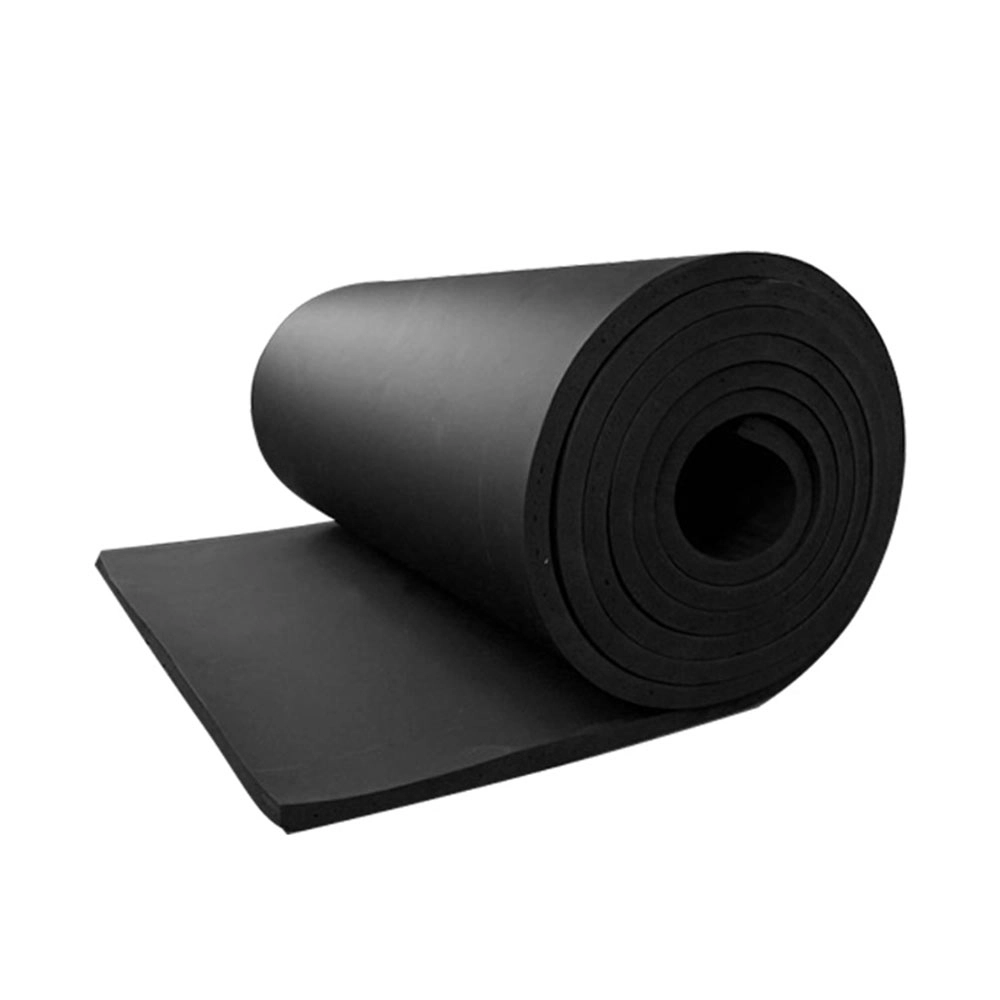
NBR Foam
ASLONG NBR Foam: Wholesale NBR foam solutions for diverse applications. High-quality, durable, and competitively priced. Contact us today for bulk orders.
Professional support at any time
If you have any comments or good suggestions, please leave us a message; later our professional staff will contact you as soon as possible.
© 2026 ASLONG All Rights Reserved. Privacy Policy | Terms and Conditions | Sitemap

 It would be pleasure to receive from you.
Whatsapp: +8613242879341
ASLONG Global
ASLONG
Aslong_global