

Custom car noise reduction mat Manufacturers and Suppliers

- Why Bespoke Automotive Acoustic Materials Are Increasingly Important
- Vehicle platforms require more than one standard sheet
- Material architecture should follow the acoustic mechanism
- Custom Manufacturing Workflow: From Engineering Brief to Production
- Step one: convert the vehicle requirement into a technical specification
- Step two: prototype, test, and approve the design
- Step three: lock the bill of materials and production controls
- How to Evaluate a Custom Car Noise Reduction Mat Supplier
- Engineering and production capability checklist
- Quality assurance and traceability
- Regional Sourcing, Logistics, and Commercial Risk Management
- Plan international delivery around product format and volume
- Reduce supply chain risk through staged purchasing
- What a strong supplier quotation should contain
- Frequently Asked Questions
For automotive brands, component distributors, vehicle converters, and aftermarket product developers, selecting a verified custom car noise reduction mat manufacturer is essential when standard sheets cannot satisfy vehicle geometry, acoustic targets, weight limits, fire performance, or installation requirements. A qualified supplier should provide material engineering, CAD-based cutting, prototype development, repeatable production, export documentation, and transparent quality controls. ASLONG, also known as Welllink Guangdong New Material Co., Ltd., has operated since 2000 and specializes in acoustic materials, sound insulation materials, shock-absorbing materials, and related products. From its modern production base of more than 10,000 square meters, ASLONG supplies customized solutions for automotive, construction, residential, industrial, and entertainment applications to customers across Europe, North America, Asia, Africa, and other international markets.
Why Bespoke Automotive Acoustic Materials Are Increasingly Important
Vehicle platforms require more than one standard sheet
Noise entering a vehicle can originate from the engine compartment, tires, suspension, exhaust system, road surface, doors, roof, floor, wheel arches, and vibration-prone body panels. Each area presents a different combination of airborne noise, structure-borne vibration, heat exposure, moisture, compression, and available installation space. A universal car noise reduction mat may be suitable for a basic retrofit, but an original equipment or professional aftermarket program often requires die-cut contours, holes, multilayer construction, adhesive customization, or specific thickness and density.
Custom manufacturing allows buyers to define the product around the vehicle rather than forcing the vehicle application to fit a catalog item. A supplier can evaluate whether a butyl rubber sound damping mat, mass loaded vinyl barrier, NBR foam absorber, sound cotton, tire silent foam, or a hybrid construction is appropriate. The objective is not simply to add mass. It is to control vibration at the panel, block airborne transmission, absorb reflected sound, and maintain durability under actual vehicle conditions.
Material architecture should follow the acoustic mechanism
Butyl rubber damping sheets are commonly considered for metal panels because their viscoelastic behavior can reduce panel resonance when properly bonded. Mass loaded vinyl is used where a flexible, high-density barrier is needed to limit airborne sound transmission. NBR foam can provide cushioning, thermal resistance, and sound absorption in selected locations, while fiber-based sound insulation products may be useful for cavities and trim areas. Tire silent foam is designed for tire-related noise applications, where bonding, balance, temperature, and long-term adhesion require careful evaluation.
Buyers should ask the manufacturer to distinguish between laboratory acoustic performance and installed vehicle performance. A material with strong test results in one configuration may not deliver the same outcome if gaps, poor adhesion, water exposure, compression, or incorrect placement occur. A reliable custom car noise reduction mat program therefore begins with application mapping and measurable performance objectives.
Custom Manufacturing Workflow: From Engineering Brief to Production
Step one: convert the vehicle requirement into a technical specification
The initial brief should identify the installation location, target noise source, available cavity depth, substrate type, operating temperature, moisture exposure, expected service life, attachment method, and target annual volume. It should also specify the required dimensions, thickness tolerance, surface finish, liner type, color, branding, packaging, and regulatory documentation. If the part is intended for a vehicle platform, buyers should provide drawings, sample panels, 3D files, or physical reference parts under an appropriate confidentiality agreement.
Engineering discussions should cover whether the car noise reduction mat will be supplied as a roll, flat sheet, CNC-cut part, die-cut component, laminated assembly, or kit. Custom cutting can improve installation speed and reduce on-site trimming, but it requires accurate data and appropriate tooling. A supplier with both material knowledge and converting capability can recommend a practical balance between acoustic performance, yield, tooling cost, and production speed.
Step two: prototype, test, and approve the design
Prototype samples should represent the intended production construction, not merely a visually similar material. During this stage, the buyer should review fit, edge quality, adhesive tack, liner removal, compression recovery, odor, surface compatibility, and installation time. For a car noise reduction mat, prototypes may be evaluated through vehicle road testing, panel vibration measurements, sound pressure measurements, or controlled laboratory testing depending on the project budget and engineering goal.
Testing plans should be agreed before samples are made. Relevant considerations may include temperature cycling, humidity, water resistance, peel adhesion, dimensional stability, aging, flammability, and resistance to automotive fluids. Where applicable, buyers can reference internationally recognized management and testing frameworks, including the ISO 9001 quality management standard and relevant vehicle regulations maintained through the United Nations Economic Commission for Europe vehicle regulations program. The exact requirement depends on the vehicle market and intended application.
Step three: lock the bill of materials and production controls
After approval, the supplier should issue a controlled specification covering material layers, thickness, density, dimensions, tolerances, adhesive, release liner, packaging, labeling, and inspection criteria. Any change to the formulation, raw material source, tooling, or process should be documented and approved through a change-control procedure. This matters because a small change in density or adhesive can affect installation, acoustic behavior, and long-term reliability.
Tooling ownership and intellectual property should also be clarified. The contract should identify who owns cutting dies, digital files, samples, and custom formulations, as well as how unused tooling is stored or transferred. Buyers developing proprietary vehicle kits should use confidentiality agreements and restrict technical drawings to authorized personnel.
How to Evaluate a Custom Car Noise Reduction Mat Supplier
Engineering and production capability checklist
A credible supplier should be able to explain its material portfolio, converting methods, sample lead time, tooling process, production capacity, and inspection equipment without relying on vague claims. Ask for technical data sheets, representative samples, photos or descriptions of relevant production processes, and a clear explanation of which operations are performed in-house. A supplier may be strong in raw material production but weak in precision cutting, or strong in converting but unable to support material selection. The right partner must match the complete project requirement.
| Evaluation area | Standard catalog purchase | Custom manufacturing program |
|---|---|---|
| Shape and fit | Buyer trims material during installation | Supplier produces application-specific profiles or die-cut parts |
| Material construction | Fixed thickness, density, and adhesive | Engineered layers and specifications based on acoustic and installation needs |
| Prototype support | Usually limited to stock samples | Controlled prototypes, fit reviews, and design revisions |
| Quality consistency | Depends on catalog batch controls | Defined tolerances, inspection plans, and change control |
| Commercial model | Lower initial commitment but possible installation waste | Tooling and development investment with better repeatability at volume |
| Documentation | Basic product information | Specifications, packaging records, test reports, and shipment documents |
Quality assurance and traceability
Quality assurance should cover incoming raw materials, in-process dimensions, finished-part appearance, adhesive performance, packaging, and final release. Buyers should request batch or lot identification so that a problem can be traced back to a production date and material input. For high-volume programs, an approved sample, golden reference, or first-article inspection can help both parties identify unacceptable variation before mass production.
Useful inspection items for a car noise reduction mat include thickness, length and width, weight per area, density where relevant, die-cut accuracy, adhesive coverage, liner integrity, surface contamination, odor, and visible defects. For products used near heat sources or enclosed passenger compartments, the technical review should also address temperature range, emissions, fire behavior, and compatibility with local vehicle requirements. The ISO standards catalogue can help buyers identify applicable management and testing standards, but compliance should never be claimed unless the specific product and test report support it.
Regional Sourcing, Logistics, and Commercial Risk Management
Plan international delivery around product format and volume
Shipping a custom car noise reduction mat requires more than comparing unit prices. Rolls, flat sheets, and pre-cut kits occupy different volumes and have different risks of compression, edge damage, contamination, or liner separation. The supplier should recommend packaging based on container loading, pallet stability, moisture protection, and unloading conditions. Buyers should compare EXW, FOB, CIF, or DDP quotations only after confirming that the quotation uses the same specification, packaging, tooling allocation, and destination assumptions.
For international programs, request the product dimensions, carton configuration, gross and net weights, pallet count, lead time, production calendar, and preferred port or courier method. Consolidated sea freight may suit regular bulk orders, while air freight can support prototypes or urgent replenishment. Customs classification, import duties, product labeling, and documentation vary by destination, so the buyer should confirm requirements with a customs broker or relevant trade authority. The World Customs Organization Harmonized System information is a useful starting point for classification discussions.
Reduce supply chain risk through staged purchasing
A practical sourcing plan usually separates development, pilot production, and recurring supply. The development purchase confirms fit and performance. A pilot order validates packaging, inspection, production yield, and shipping. Recurring orders can then be scheduled against a forecast with agreed minimum order quantities and safety stock. Buyers should also define what happens if a material is discontinued, a raw material changes, a shipment is delayed, or demand exceeds the original forecast.
ASLONG supports international customers with a portfolio that includes Butyl Rubber Sound Damping Mat, Mass Loaded Vinyl, NBR foam, Sound White Cotton, Tire silent foam, Butyl waterproof tape, and electric auxiliary materials. Its products serve automotive and other industries, allowing buyers to discuss related acoustic, sound insulation, sealing, and shock-absorption requirements with one experienced supplier. ASLONG does not replace the buyer’s obligation to validate the final product for its specific vehicle and market; instead, it provides a foundation for structured engineering and supply discussions.
What a strong supplier quotation should contain
A professional quotation should identify the exact material construction, part dimensions, unit of measure, sample cost, tooling cost, minimum order quantity, production lead time, payment terms, packaging, delivery term, validity period, and test documentation. It should distinguish one-time engineering charges from recurring product pricing. Buyers should be cautious of quotations that offer a low unit price but omit tooling, inspection, packaging, or freight assumptions.
Before signing, confirm the approved drawing revision, acceptance criteria, warranty or claims process, delivery responsibilities, confidentiality terms, and procedure for approving future changes. Supplier references, factory communication quality, sample responsiveness, and willingness to document limitations are practical indicators of long-term reliability. A manufacturer that asks detailed questions early is generally better positioned to prevent costly misunderstandings later.
Contact ASLONG at https://www.aslong.cc or king@aslong.cc to discuss your custom car noise reduction mat requirements, engineering samples, regional distribution opportunities, and international supply plan.
Frequently Asked Questions
What information should I provide when requesting a custom car noise reduction mat?
Provide the installation location, target noise source, available cavity depth, substrate type, operating temperature, moisture exposure, service-life expectation, attachment method, annual volume, drawings or 3D files, and desired dimensions, thickness, finish, packaging, and documentation.
Can a custom supplier make die-cut automotive sound insulation parts?
Yes, a suitable supplier can produce rolls, flat sheets, CNC-cut parts, die-cut components, laminated assemblies, or kits, depending on the design data, tooling, material construction, and production requirements.
How should prototypes for a car noise reduction mat be tested?
Prototype testing may include fit checks, adhesive and liner reviews, installation-time assessment, vehicle road testing, panel vibration measurements, sound pressure measurements, temperature cycling, humidity, water resistance, peel adhesion, aging, flammability, and resistance to automotive fluids.
What quality documents should I request from a manufacturer?
Request controlled specifications, technical data sheets, material and batch identification, inspection criteria, first-article or approved-sample records, relevant test reports, packaging details, and documented change-control procedures.
How can I reduce logistics risk when importing custom acoustic materials?
Confirm the product format, carton and pallet configuration, gross and net weights, lead time, shipping term, destination requirements, customs classification, labeling, moisture protection, and responsibilities for freight and import clearance before placing the order.
Does ASLONG supply products beyond a car noise reduction mat?
Yes. ASLONG supplies Butyl Rubber Sound Damping Mat, Mass Loaded Vinyl, NBR foam, Sound White Cotton, Tire silent foam, Butyl waterproof tape, electric auxiliary materials, and other acoustic, sound insulation, shock-absorbing, and related products for international customers.
Anti-Puncture Tire Sealant Buyer's Guide for Fleet Operators
Where to Buy mass loaded vinyl sheet in USA
Wholesale silent foam manufacturer and supplier
Top automotive sound insulation materials for buses
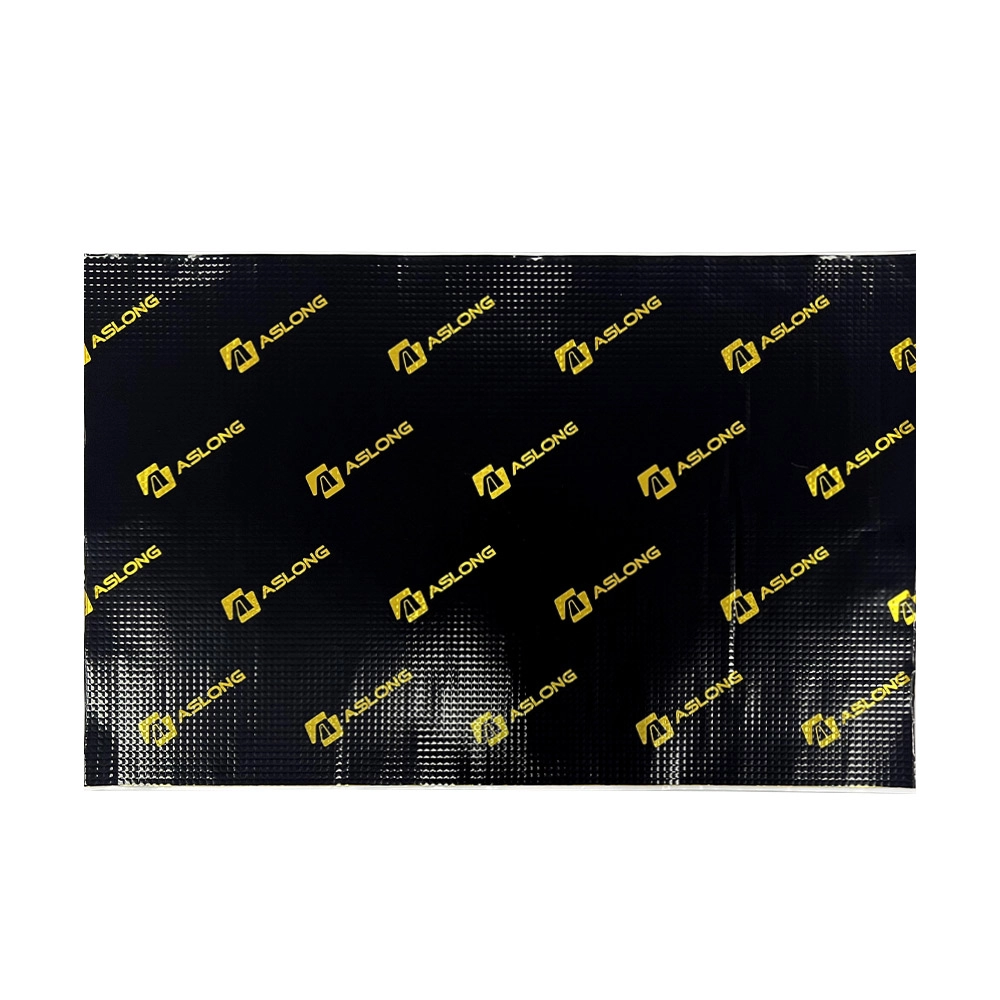
High Performance Butyl Rubber Sound Deadening Mat | Aluminum Foil Car Soundproofing Vibration Damping Sheet
Premium butyl rubber sound deadening mat with aluminum foil layer. Designed for car vibration damping and noise reduction. OEM manufacturer with custom thickness and private label service.
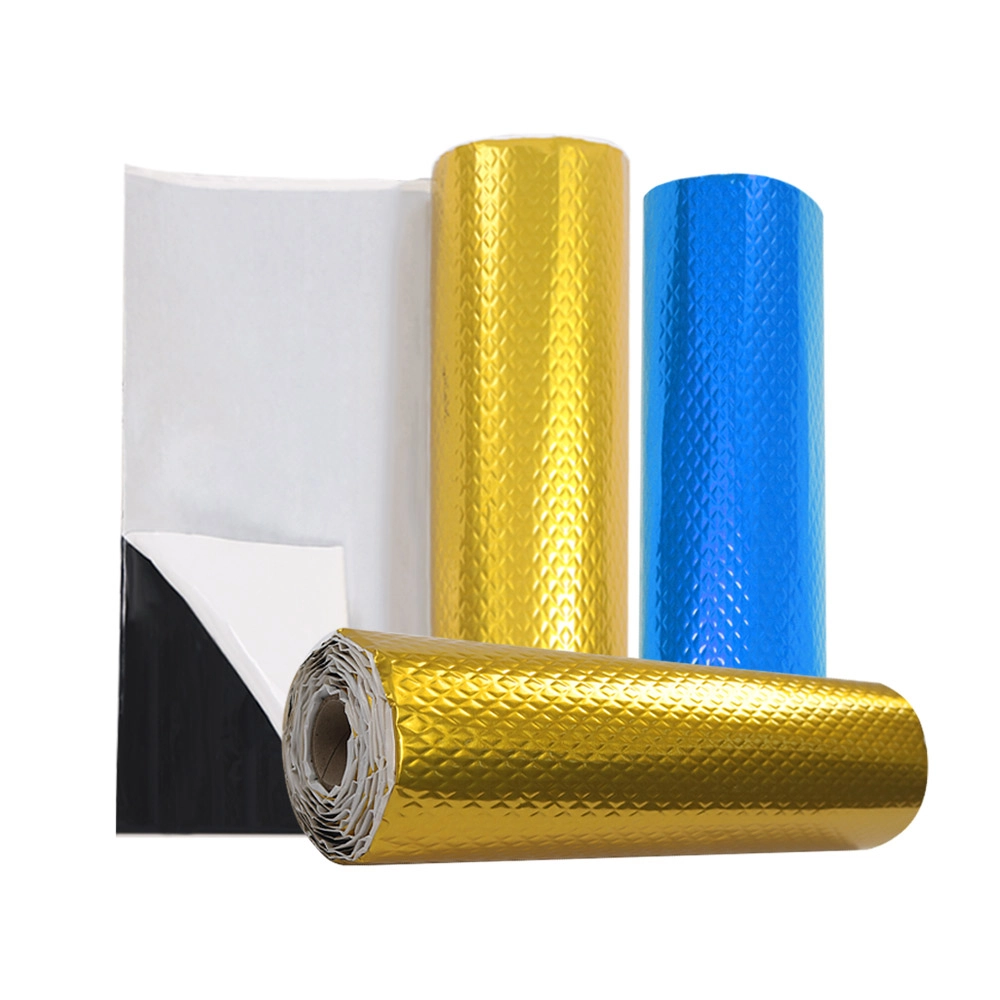
Butyl Rubber Sound Damping Mat
ASLONG Butyl Rubber Sound Damping Mat for sale. Effectively reduces noise and vibrations. High-quality butyl rubber ensures superior performance and durability. Ideal for automotive, industrial, and home applications.
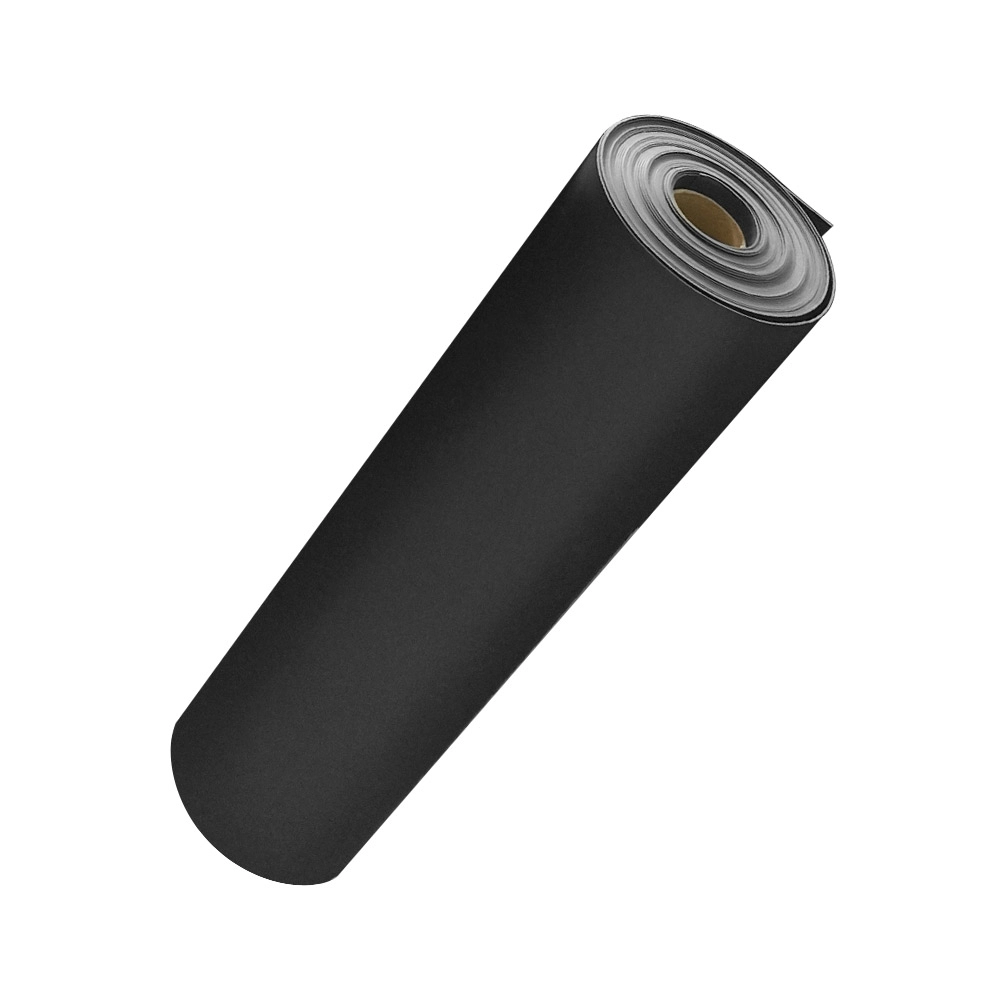
Mass Loaded Vinyl
ASLONG Mass Loaded Vinyl for sale. Reduce noise pollution effectively with our high-quality, mass-loaded vinyl. Ideal for soundproofing walls, floors, and more. Buy now and experience the difference!
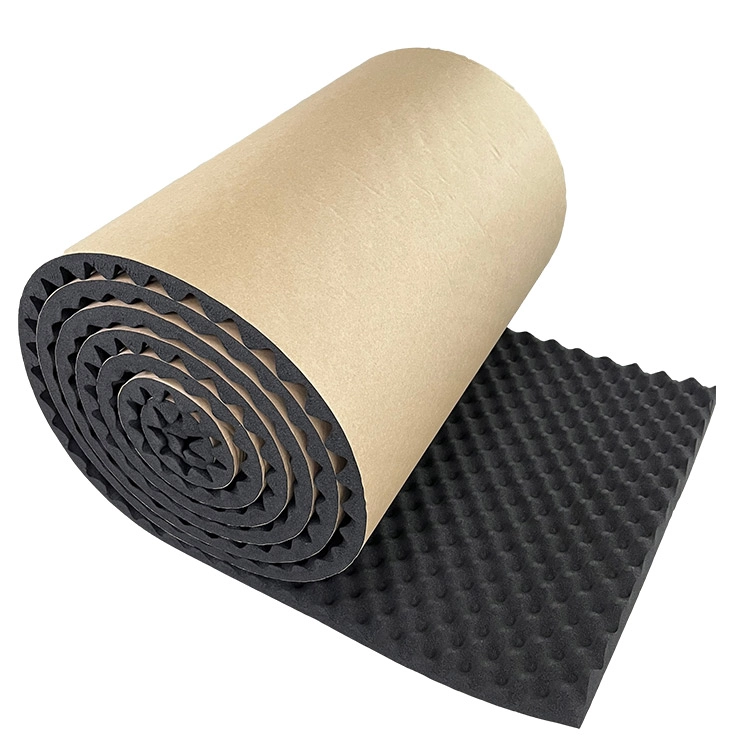
Egg Crate Foam
ASLONG Egg Crate Foam for sale. Lightweight, breathable, and comfortable, our egg crate foam provides superior support and pressure relief. Perfect for mattresses, cushions, cars, construction industry, KTV, factories, etc.
Professional support at any time
If you have any comments or good suggestions, please leave us a message; later our professional staff will contact you as soon as possible.
© 2026 ASLONG All Rights Reserved. Privacy Policy | Terms and Conditions | Sitemap

 It would be pleasure to receive from you.
Whatsapp: +8613242879341
ASLONG Global
ASLONG
Aslong_global