

Choosing the Right NBR Foam Seal: Density, Thickness, Hardness

- How to Translate Application Conditions into a Sealing Specification
- Start with the joint, not the material catalogue
- Separate sealing, damping, and absorption objectives
- Use standards and test methods correctly
- Density, Thickness, and Hardness: The Core Selection Variables
- Density influences structure and handling
- Thickness determines gap-filling capacity
- Hardness affects conformability and contact pressure
- Application Engineering, Quality Control, and Total Cost
- Match the formulation to the environment
- Review adhesive, converting, and installation details
- Calculate total cost rather than unit price
- Why ASLONG Supports Integrated Acoustic and Sealing Programs
- Manufacturing capability and application coverage
- A broader portfolio reduces sourcing complexity
- Global supply and partnership support
- Frequently Asked Questions
Choosing the right NBR foam seal depends on the interaction between density, thickness, hardness, compression behavior, environmental exposure, and installation design. Nitrile butadiene rubber foam is valued for its resistance to many oils, fuels, greases, vibration loads, and air leakage, making it suitable for automotive components, HVAC systems, machinery enclosures, electrical cabinets, industrial equipment, doors, panels, and selected acoustic assemblies. However, a thicker or softer grade is not automatically better. The correct specification must maintain contact pressure, accommodate surface irregularities, resist permanent deformation, and remain stable throughout the expected service life. Buyers should therefore assess the complete sealing system rather than selecting material by appearance or a single hardness figure.
How to Translate Application Conditions into a Sealing Specification
Start with the joint, not the material catalogue
The first design question is how the gasket or strip will be installed. A static compression seal, removable panel gasket, access-door seal, vibration isolation layer, and weather-exposed joint impose different requirements. Measure the actual gap at the minimum, nominal, and maximum positions. Identify whether the material will be compressed between rigid surfaces, wrapped around an edge, placed under a flange, or bonded to a substrate.
For a static joint, the foam must generate enough continuous contact pressure to block air, dust, water splash, and sound transmission without creating excessive assembly force. For a removable cover, moderate compression and good recovery are usually more important than maximum density. A seal installed on a vibrating machine may require a balance between resilience and damping. If the joint experiences movement, shear, or repeated opening and closing, the adhesive system and fatigue resistance become as important as the foam formulation.
Separate sealing, damping, and absorption objectives
Elastomeric foam can reduce leakage paths and interrupt structure-borne vibration, but it should not be treated as a universal acoustic absorber. In sound insulation materials design, a foam perimeter seal commonly improves the airtightness of an enclosure or partition. Airtight construction is essential because small gaps can bypass a high-performance barrier. A dense barrier layer such as Mass Loaded Vinyl or a Butyl Rubber Sound Damping Mat serves a different purpose by adding mass or reducing panel resonance. Fibrous products such as Sound Absorbing White Cotton are generally selected for sound absorption inside cavities, not for compressive sealing.
Project owners should define the primary function in measurable terms: leakage control, vibration isolation, acoustic flanking reduction, thermal separation, oil resistance, moisture protection, or mechanical cushioning. This prevents the common procurement error of asking for a generic rubber strip when the project actually needs a tested gasket assembly with a defined compression range and adhesive backing.
Use standards and test methods correctly
Material data should be compared using the same test method, specimen condition, and reporting units. Density is commonly measured using procedures associated with ISO 845, while indentation hardness for rubber and plastics may be evaluated using methods such as ISO 868. Cellular rubber classification and performance requirements may also involve ASTM D1056. These standards do not make every product interchangeable; they create a more consistent basis for comparison.
Buyers should request technical data sheets, batch traceability, compression-deflection curves, temperature information, dimensional tolerances, aging results, and representative samples. If the seal will contact fuel, hydraulic oil, refrigerant, cleaning chemicals, or plasticized materials, compatibility testing should be requested for the actual fluid and operating temperature. A general statement such as oil resistant is not sufficient for a critical application.
Density, Thickness, and Hardness: The Core Selection Variables
Density influences structure and handling
Density describes the mass per unit volume of the foam and provides an indication of cellular structure, but it does not independently determine sealing performance. A higher-density grade may offer improved dimensional stability, tear resistance, surface durability, and load-bearing capacity. It can be useful beneath a flange, around a machine cover, or where installation pressure is concentrated. A lower-density grade may conform more easily to uneven surfaces and reduce assembly force, but it can be more vulnerable to compression set, tearing, or collapse under sustained load.
Density should therefore be interpreted alongside cell size, skin formation, compression deflection, tensile strength, elongation, and recovery. Two products with similar density can behave differently because of formulation, foaming process, cell uniformity, and post-curing conditions. For procurement, density is best treated as a control parameter and a screening value rather than the sole indicator of quality.
Thickness determines gap-filling capacity
Thickness must match the joint geometry and the intended compression percentage. If the strip is too thin, it may not bridge manufacturing tolerances or maintain contact after vibration and thermal cycling. If it is too thick, the installation force may exceed the design limit, the cover may distort, or the foam may be over-compressed and develop premature permanent deformation.
For many static gasket designs, engineers establish a controlled compression window rather than compressing the material as far as possible. The exact range depends on the grade, surface condition, fastening system, and environmental exposure. Compression should be calculated from the free thickness and the installed thickness, then verified with a trial assembly. Allowance may also be needed for tolerance stack-up, corner joints, adhesive thickness, and local fastener spacing.
Hardness affects conformability and contact pressure
Hardness indicates resistance to indentation, but a hardness number alone cannot predict whether a sealing strip will perform. A softer foam generally conforms well to irregular surfaces and requires less closure force. A harder grade can provide better support, edge stability, and resistance to extrusion in a narrow gap. Excessive hardness, however, may prevent the material from filling microscopic surface defects and can transmit more vibration into the adjoining structure.
For acoustic enclosures and equipment housings, a compliant perimeter profile often improves airtightness, while a resilient formulation can help decouple panels. For automotive or industrial applications exposed to compression and vibration, hardness must be reviewed with compression set, recovery rate, fatigue behavior, and temperature cycling. Buyers should ask for compression-deflection data at the actual design thickness instead of relying only on Shore hardness.
| Selection factor | Lower or softer direction | Higher or firmer direction | Procurement implication |
|---|---|---|---|
| Density | Improved conformability and lower material weight | Greater structural support and surface durability | Compare with compression set, tear strength, and cell uniformity |
| Thickness | Lower closure force and compact installation | Greater ability to fill a wide joint | Confirm minimum and maximum gap plus compression tolerance |
| Hardness | Better adaptation to uneven surfaces | Higher resistance to collapse or extrusion | Request compression-deflection curves, not only Shore values |
| Compression set | Higher risk of losing contact pressure | Better long-term recovery when properly formulated | Evaluate after heat, humidity, and fluid exposure |
| Cell structure | More open structure may absorb fluids | Closed-cell structure generally supports barrier sealing | Verify water absorption and permeability for the application |
Application Engineering, Quality Control, and Total Cost
Match the formulation to the environment
NBR foam is often selected where resistance to petroleum-based fluids is important, but service conditions still require careful review. Temperature extremes can change flexibility and compression recovery. Ultraviolet radiation, ozone, humidity, salt spray, cleaning agents, and contact with incompatible plastics can accelerate aging. For outdoor exposure, a protective facing, coating, or alternative elastomer may be necessary. For electrical cabinets, the specification may also include flame behavior, insulation performance, low smoke requirements, or compliance with a sector-specific standard.
In vehicle and machinery projects, the seal may encounter engine oils, lubricants, vibration, dust, and repeated thermal cycles. In buildings, the principal risks may be moisture, installation damage, air leakage, and irregular substrates. In entertainment facilities and recording spaces, the product may be one component of a broader acoustic system that includes resilient channels, barriers, absorbers, and decoupled structures. The selected material should be validated in the assembled system, not just as a loose sample.
Review adhesive, converting, and installation details
Pressure-sensitive adhesive backing can accelerate installation, but it does not compensate for contaminated substrates, excessive surface roughness, or inadequate compression. The buyer should specify liner type, peel adhesion, shear resistance, operating temperature, storage life, and compatibility with painted metal, plastics, concrete, wood, or composite panels. Die-cut corners, spliced lengths, skived edges, holes, and laminated facings should be reviewed because converting defects can create acoustic or environmental leakage paths.
Quality control should include incoming raw-material checks, foam density verification, thickness and width measurement, hardness testing, visual inspection, adhesive peel testing where applicable, and batch identification. Production samples should be retained for traceability. A reliable supplier should also explain how process conditions control cell consistency, surface skin, dimensional tolerance, and roll or sheet flatness.
Calculate total cost rather than unit price
A low-cost strip can become expensive if it requires excessive labor, fails during installation, or loses compression after a short service period. Total cost includes material consumption, die-cutting, adhesive application, packaging, shipping volume, rework, warranty exposure, and replacement access. A correctly engineered grade may reduce fastener spacing, shorten assembly time, prevent air leakage, and improve the performance of the complete sound insulation materials system.
Before approving a supplier, buyers should conduct a sample installation and record closure force, corner behavior, surface adhesion, gap coverage, and recovery after a defined compression period. For larger projects, a pilot batch should be tested under realistic temperature, humidity, vibration, and chemical conditions. This approach converts a catalogue decision into a controlled engineering decision.
Why ASLONG Supports Integrated Acoustic and Sealing Programs
Manufacturing capability and application coverage
ASLONG, also known as Welllink Guangdong New Material Co., Ltd., was founded in 2000 and is a high-tech enterprise specializing in the research and development, production, and sales of acoustic materials, sound insulation materials, shock-absorbing materials, and related products. Our modern production base covers more than 10,000 square meters, supporting efficient manufacturing and coordinated project service for customers in multiple regions.
Our NBR Foam solutions can be evaluated according to the required thickness, density, hardness, format, backing, and application environment. This enables buyers to move beyond a generic specification and develop a material configuration suited to construction, automotive, residential, industrial, HVAC, electrical, and entertainment applications. Where the project requires more than a perimeter seal, our engineering team can help buyers consider the relationship between flexible gaskets, panel damping, barrier layers, and internal absorption.
A broader portfolio reduces sourcing complexity
ASLONG supplies a broad range of products covering acoustics, sound insulation, vibration control, and auxiliary applications. The portfolio includes Butyl Rubber Sound Damping Mat for reducing panel resonance, Mass Loaded Vinyl for adding flexible acoustic mass, NBR Foam for sealing and cushioning, Sound Absorbing White Cotton for cavity absorption, Tire Silent Foam for vehicle noise-control applications, Butyl waterproof tape for sealing and moisture protection, and Electric auxiliary material for related installation needs.
This portfolio gives distributors, brand owners, contractors, and project investors an opportunity to consolidate compatible sound insulation materials through one experienced manufacturing partner. Product selection remains application-specific: a barrier is not a gasket, an absorber is not a damping mat, and a waterproof tape should not be substituted for a mechanically loaded seal without validation. The advantage of an integrated supplier is the ability to coordinate these components around the project’s performance, logistics, and installation requirements.
Global supply and partnership support
Our products have been exported to Europe, North America, Asia, Africa, and other regions. We support international buyers with product communication, specification review, packaging coordination, and export-oriented supply. Distributors and regional partners seeking long-term growth can discuss agency opportunities because ASLONG is recruiting agents worldwide.
For a responsible procurement decision, buyers should provide the target application, joint dimensions, compression range, operating temperature, chemical exposure, acoustic objective, annual volume, required certifications, and delivery destination. Our team can then recommend a suitable product direction, arrange samples, and support comparative evaluation before volume production. More information is available at ASLONG’s official website, and project inquiries can be sent to king@aslong.cc.
Contact ASLONG to review your sealing and acoustic requirements, request suitable samples, or explore our sound insulation materials and global distribution opportunities.
Frequently Asked Questions
How should buyers choose the density of an NBR foam sealing strip?
Density should be evaluated with compression set, tear strength, cell uniformity, and compression-deflection data. Lower-density grades generally conform more easily, while higher-density grades can provide greater support and durability.
What thickness is suitable for a foam gasket?
Thickness should match the minimum and maximum joint gaps and the designed compression window. A strip that is too thin may lose contact, while one that is too thick can create excessive closure force or premature deformation.
Is Shore hardness enough to specify NBR foam?
No. Shore hardness indicates indentation resistance but does not independently predict sealing performance. Buyers should also review compression-deflection behavior, compression set, recovery, temperature resistance, and chemical compatibility.
Can NBR foam be used for sound insulation?
NBR foam can improve airtightness, reduce leakage paths, and provide limited vibration decoupling in an acoustic assembly. It should be combined with suitable barriers, damping layers, or absorbers when the project requires broader sound insulation performance.
What documents should be requested from an NBR foam supplier?
Buyers should request a technical data sheet, test methods, density, thickness and hardness tolerances, compression-deflection data, compression-set results, temperature range, chemical compatibility information, adhesive details, batch traceability, and relevant compliance documents.
Does ASLONG supply products besides NBR Foam?
Yes. ASLONG supplies Butyl Rubber Sound Damping Mat, Mass Loaded Vinyl, NBR Foam, Sound Absorbing White Cotton, Tire Silent Foam, Butyl waterproof tape, Electric auxiliary material, and other acoustic, sound insulation, and shock-absorbing products.
What is Car Sound Insulation
Where to Buy best car sound deadener in USA
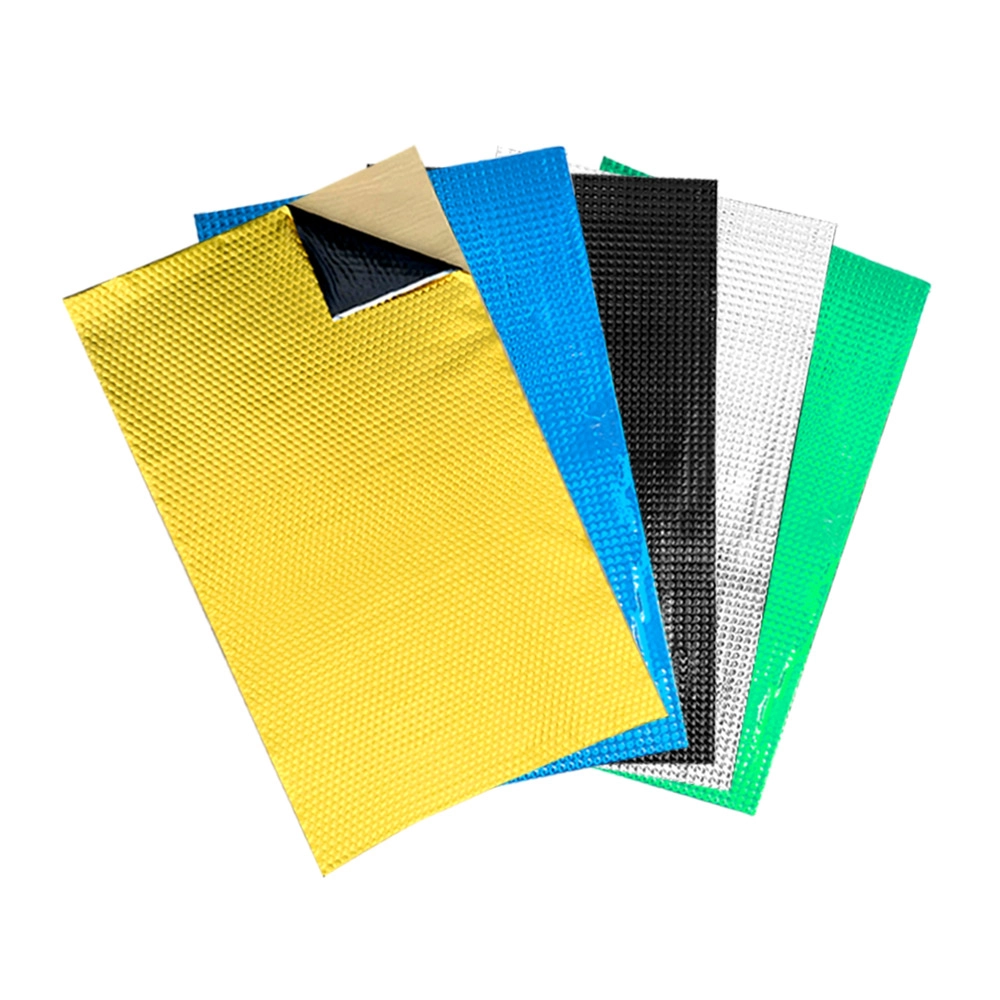
Environmental and Safety Standards for Rubber Sound Damping Mats
Top 10 Automotive Sound Insulation Materials to Try in 2026
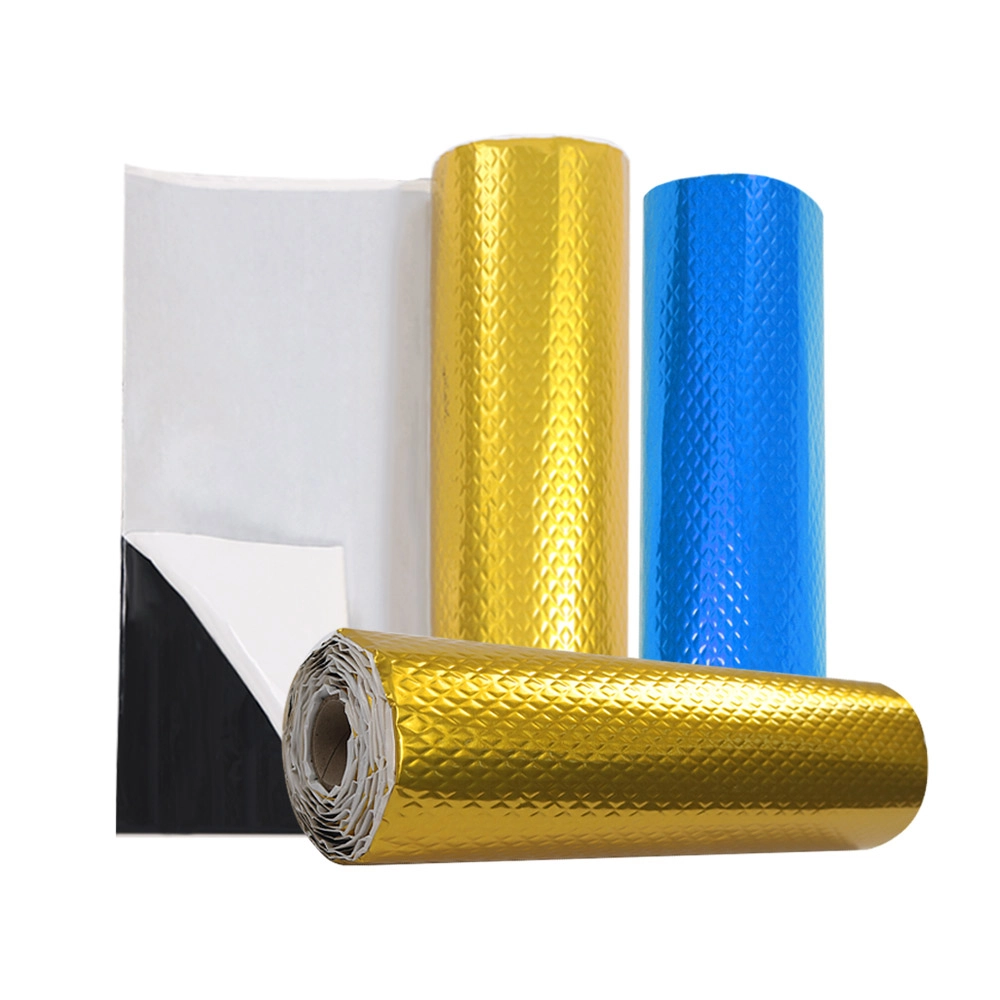
Butyl Rubber Sound Damping Mat
ASLONG Butyl Rubber Sound Damping Mat for sale. Effectively reduces noise and vibrations. High-quality butyl rubber ensures superior performance and durability. Ideal for automotive, industrial, and home applications.
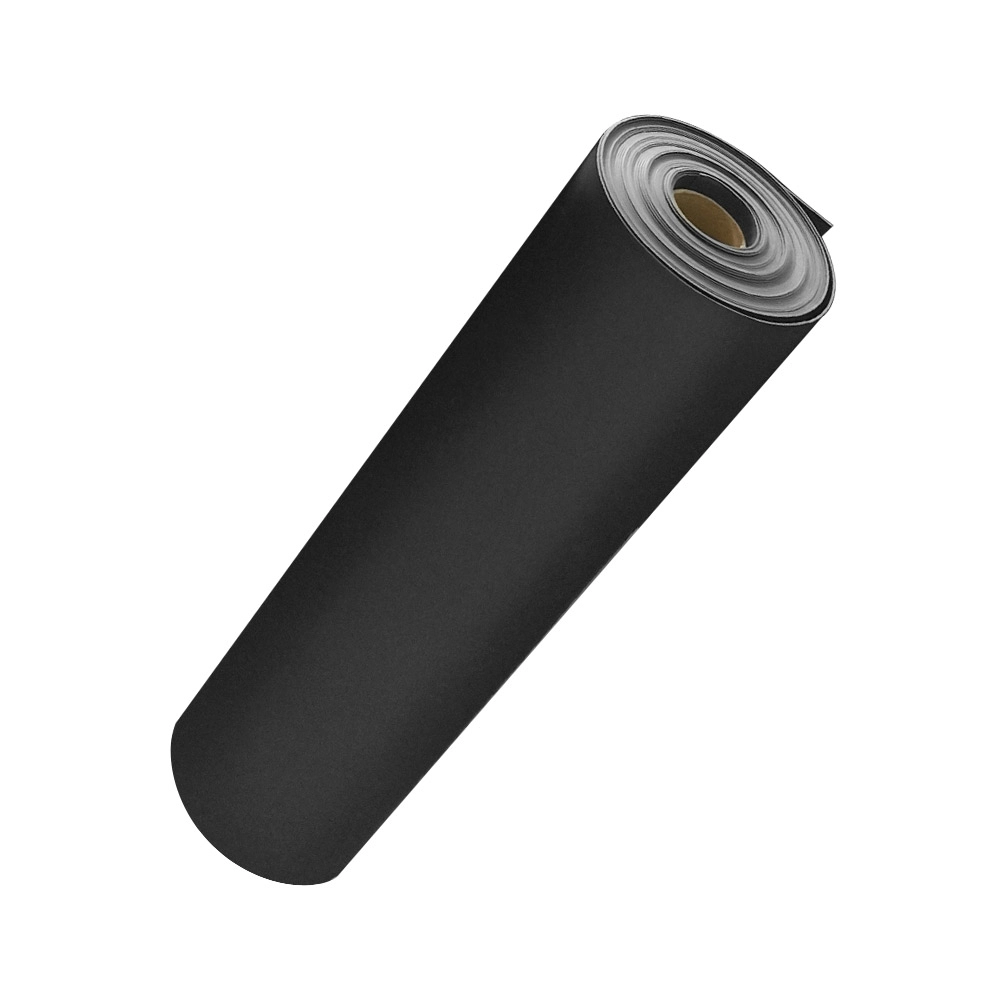
Mass Loaded Vinyl
ASLONG Mass Loaded Vinyl for sale. Reduce noise pollution effectively with our high-quality, mass-loaded vinyl. Ideal for soundproofing walls, floors, and more. Buy now and experience the difference!
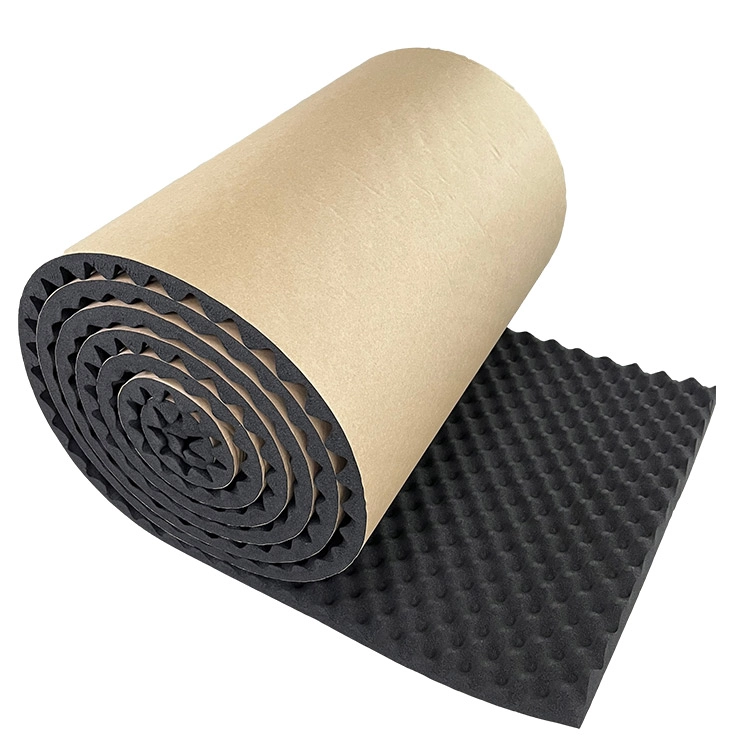
Egg Crate Foam
ASLONG Egg Crate Foam for sale. Lightweight, breathable, and comfortable, our egg crate foam provides superior support and pressure relief. Perfect for mattresses, cushions, cars, construction industry, KTV, factories, etc.
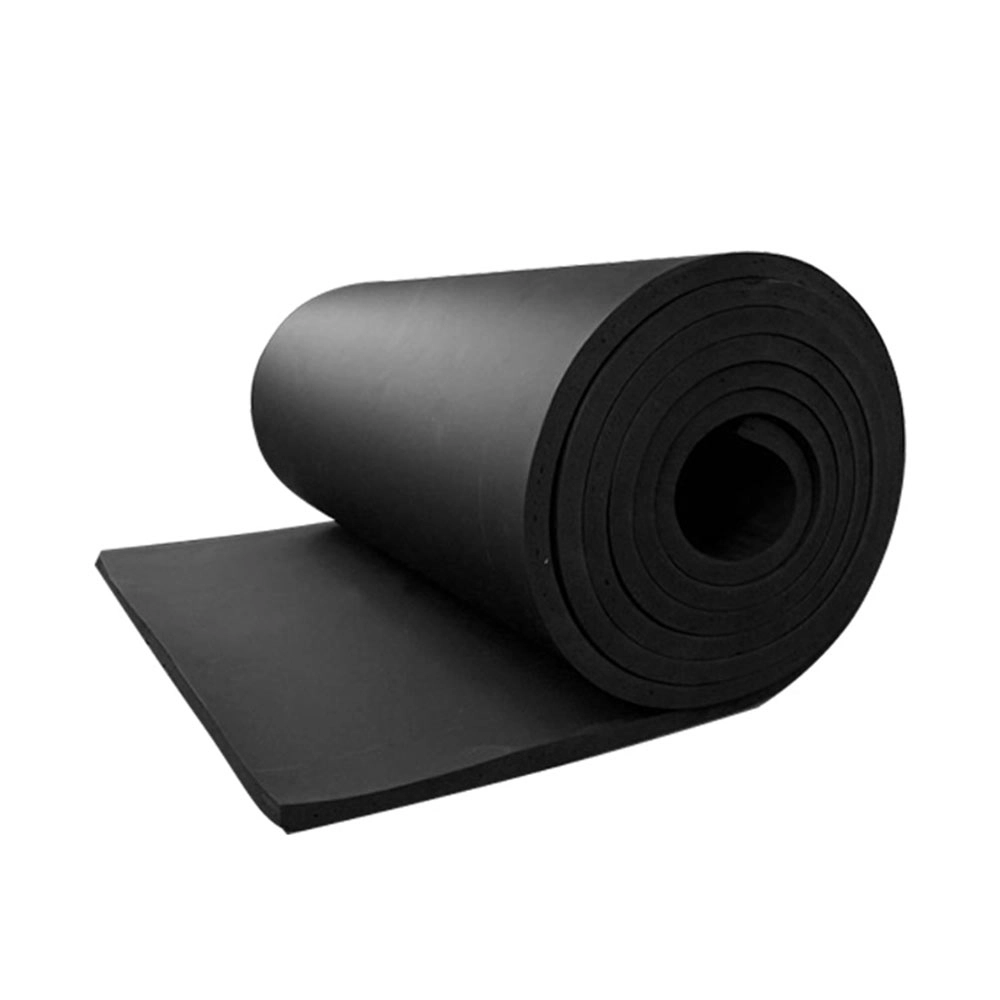
NBR Foam
ASLONG NBR Foam: Wholesale NBR foam solutions for diverse applications. High-quality, durable, and competitively priced. Contact us today for bulk orders.
Professional support at any time
If you have any comments or good suggestions, please leave us a message; later our professional staff will contact you as soon as possible.
© 2026 ASLONG All Rights Reserved. Privacy Policy | Terms and Conditions | Sitemap

 It would be pleasure to receive from you.
Whatsapp: +8613242879341
ASLONG Global
ASLONG
Aslong_global