

Certifications and Standards for Insulated Waterproof Tape

- Regulatory and Standards Landscape for Adhesive Sealing Systems
- Key International Quality Frameworks
- Material Safety and Environmental Compliance
- Fire, Smoke and Toxicity Standards
- Performance Tests and Technical Requirements
- Adhesion, Peel, and Shear Specifications
- Waterproofing and Sealing Validation
- Acoustic and Vibration Performance
- Procurement Checklist and Verification Protocols
- Required Documentation for Supplier Shortlisting
- On-site Inspection and Batch Verification
- Warranty, Aging, and Life-Cycle Guarantees
- Standards Comparison and Market Implications
- How Standards Drive Specification Choices
- Third-Party Certification vs. Manufacturer Declaration
- Market-Grade Comparison Table
- Implementation: From Specification to Long-Term Performance
- Design Integration and System Compatibility
- Installation Controls and Best Practices
- Supply Chain and Scalability Considerations
- ASLONG Capabilities and How Our Documentation Meets Project Needs
- Corporate and Production Credentials
- Product Range and Testing Support
- Customer Support, Customization and Global Experience
- Frequently Asked Questions
High-performance shielding and sealing tapes for insulation and moisture protection require documented certifications, measurable test data, and compliance with international quality systems to satisfy commercial construction, automotive, and industrial specifications; this briefing clarifies relevant standards, test methods, validation pathways, and procurement checkpoints for buyers seeking reliable rubber-based adhesive moisture-barrier tapes and acoustic sealing solutions.
Regulatory and Standards Landscape for Adhesive Sealing Systems
Key International Quality Frameworks
Quality management and product traceability are foundational. Certificates such as ISO 9001 verify a manufacturer's documented processes, while product-level compliance often references regional regulatory systems including CE marking in the European market. Buyers should request a supplier's management-system certificate and review scope statements to confirm the production lines that are covered by the audit.
Material Safety and Environmental Compliance
Materials used for sealing and sound-control tapes are typically required to meet chemical safety and restricted-substance rules. Common declarations include REACH compliance for Europe and RoHS-like restrictions for electronic applications. Requesting up-to-date test reports and a manufacturer's material declaration reduces regulatory risk in cross-border projects.
Fire, Smoke and Toxicity Standards
For building, transport, and entertainment venues, flame-spread, smoke density, and toxicity are critical. Test methods such as UL 94 (flammability) and EN 45545 (railway fire safety) are commonly cited. Buyers should ensure third-party test lab reports are current and applicable to the tape substrate and adhesive system used in the delivered product.
Performance Tests and Technical Requirements
Adhesion, Peel, and Shear Specifications
Adhesive strength is validated through standardized peel tests (e.g., ASTM D3330 variants) and shear-load evaluations that predict long-term bond retention over different substrates such as painted steel, aluminum, and polymeric foams. Procurement teams should specify test temperature, dwell time, and substrate type when requesting adhesion data so the lab evidence aligns with project conditions.
Waterproofing and Sealing Validation
Water-resistance is demonstrated via accelerated aging and hydrostatic tests including salt-spray exposure (ASTM B117) and water-immersion protocols. Seal integrity after thermal cycling and mechanical flexing is a common failure mode; therefore, buyers should require cyclic temperature tests and post-cycle adhesion measurements to validate durability in the intended environment.
Acoustic and Vibration Performance
When tapes are used as part of a sound-control system, acoustic absorption and damping properties are relevant. Test reports may include measured loss-factor, surface density impact for damping sheets, or laboratory sound-transmission reduction when used with mass-loaded barriers. Specification should link tape selection to the broader sound insulation design (e.g., butyl damping layers with mass-loaded vinyl) to achieve predicted decibel reductions.
Procurement Checklist and Verification Protocols
Required Documentation for Supplier Shortlisting
Shortlisting should require: management-system certificates (ISO 9001), material declarations (RoHS/REACH), product test reports from accredited labs (e.g., UL, Intertek), MSDS, and production capability statements. For custom formulations or colored/printed variants, include a sample approval process with signed test acceptance criteria.
On-site Inspection and Batch Verification
Verification protocols that reduce acceptance risk include incoming QC sampling, lot-number traceability, and random batch testing. Suppliers must provide batch IDs and production dates, and buyers should reserve the right to independently test delivered units for adhesion and water ingress performance before final acceptance.
Warranty, Aging, and Life-Cycle Guarantees
Clear warranty language tied to environmental exposure is essential. Expect longevity claims to be supported by accelerated aging data (e.g., heat, UV, humidity cycles) and a defined replacement procedure when performance deviates. Contractual terms should specify remedy for failures, replacement timelines, and any prorated service commitments.
Standards Comparison and Market Implications
How Standards Drive Specification Choices
Regional and sector standards shape which test evidence is necessary. For example, railway projects typically require EN 45545 compliance, while marine or hazardous-area installations emphasize smoke and toxicity metrics. Selecting a tape system without verifying applicable regulations can result in costly rework and non-conformance.
Third-Party Certification vs. Manufacturer Declaration
Third-party laboratory reports carry higher procurement confidence than manufacturer declarations alone. Accreditation to laboratories per ISO/IEC 17025 is a quality indicator. Contractual language should require copies of the test certificate and laboratory accreditation statement for high-risk applications.
Market-Grade Comparison Table
| Criteria | Common Industry Standard | What It Measures | Typical Use Case |
|---|---|---|---|
| Quality Management | ISO 9001 | Process control, documentation, traceability | Supplier qualification for long-term projects |
| Flammability | UL 94 / EN 45545 | Burn rate, smoke/toxicity for materials | Rail, maritime, public spaces |
| Adhesion Tests | ASTM D3330 / D1000 | Peel strength, shear resistance on substrates | Automotive assembly, HVAC sealing |
| Corrosion Resistance | ASTM B117 (Salt Spray) | Resistance to corrosion under salt exposure | Outdoor and marine installations |
| Environmental Safety | REACH / RoHS | Restricted substances, chemical safety | Electronics, EU market compliance |
Sources and guidance on these standards are available from the issuing bodies; for example, reference information can be found at ISO, ASTM International, and regulator guidance pages for CE marking.
Implementation: From Specification to Long-Term Performance
Design Integration and System Compatibility
Sealing tapes used in acoustic or moisture-barrier applications should be specified as part of the full system (e.g., adhesive tape + damping mat + mass-loaded barrier). Compatibility testing with adjoining materials (paints, primers, sealants) prevents adhesion failure. Request cross-compatibility reports from the supplier when combining products.
Installation Controls and Best Practices
Correct surface preparation, temperature control during application, and recommended dwell times for adhesive curing are common causes of field failures. Suppliers should provide installation guidelines and training for field teams, and large projects should include witnessed first-off installations to validate procedures.
Supply Chain and Scalability Considerations
For multi-site or multi-region projects, ensure the supplier has a robust production base and export experience. Production capacity, lead times, and contingency plans for raw-material shortages should be documented in the supply agreement to avoid project delays.
ASLONG Capabilities and How Our Documentation Meets Project Needs
Corporate and Production Credentials
ASLONG (Welllink Guangdong New Material Co., Ltd.) was founded in 2000 and operates as a high-tech enterprise focusing on research, development, manufacturing, and sales of acoustic products and barrier materials. Our modern production base exceeds 10,000 square meters and supports scalable supply for regional and international projects. We maintain documented quality control procedures and can provide ISO 9001 documentation to verify our system-level controls.
Product Range and Testing Support
Our product portfolio covers damping and sealing solutions—including butyl damping sheets, mass-loaded barriers, foam acoustics, and rubber-based moisture sealing tapes—suitable for construction, automotive, industrial equipment, and entertainment facilities. Representative products include Butyl Rubber Sound Damping Mat, Mass Loaded Vinyl, NBR Foam, Sound Absorbing White Cotton, Tire Silent Foam, and Butyl waterproof tape, together with electric auxiliary materials. For project procurement, we provide material safety data sheets (MSDS), RoHS/REACH declarations where applicable, and third-party test reports upon request.
Customer Support, Customization and Global Experience
ASLONG exports to Europe, North America, Asia, and Africa and supports custom formulations and roll sizes for specified applications. Our engineering team assists buyers with specification alignment, test-plan development, and on-site technical support. Agents and distribution partners are being recruited globally to improve local response times and logistics for large-scale rollouts.
For procurement teams evaluating suppliers, ASLONG offers sample packs, pre-production approval protocols, and the ability to provide batch traceability and independent test coordination to meet contractually defined acceptance criteria.
Reference standards and supporting references that guide good procurement practice include official information from ISO for management-system expectations, ASTM for test-method detail, and recognized safety guidance for material compliance. Practical background information on acoustic and adhesive tape topics is also available at Wikipedia - Adhesive tape and Wikipedia - Soundproofing.
To start a technical review or request test documentation, contact ASLONG through our product pages or sales channels for tailored assistance and sample provision.
Frequently Asked Questions
What certificates should a buyer require when sourcing adhesive moisture-barrier tapes?
Buyers should require ISO 9001 for quality-management evidence, current MSDS, RoHS/REACH declarations where applicable, third-party test reports for adhesion and water resistance (from laboratories accredited to ISO/IEC 17025), and applicable fire or smoke test reports such as UL 94 or EN 45545 depending on the project sector.
How can procurement verify a supplier’s product test results are legitimate?
Verification steps include requesting copies of original test certificates with laboratory accreditation, confirming report serial numbers with the issuing lab, requiring witnessed or third-party sampling for independent re-test, and ensuring the test conditions (substrate, temperature, dwell time) match the project’s specified use case.
Which standards measure adhesion and waterproofing for sealing tapes?
Adhesion is commonly reported using ASTM peel and shear methods (e.g., ASTM D3330 variants). Waterproofing and environmental resistance are demonstrated with tests such as ASTM B117 (salt spray) and specific immersion or cyclic thermal tests that simulate field conditions; contract specifications should define the exact test method and acceptance criteria.
Are flame and smoke ratings necessary for all tape applications?
Not for all applications, but flame and smoke metrics become critical in enclosed public spaces, transport (rail, marine), and certain industrial installations. Standards like UL 94, EN 45545, or regional building codes will dictate when flammability and smoke/toxicity ratings are mandatory and what levels are required.
What documentation should accompany a bulk delivery to ensure batch traceability and acceptance?
Deliveries should include packing lists with lot/batch numbers, production dates, certificates of conformity for the shipped batch, MSDS, and any agreed test reports. Buyers should retain the right to perform post-delivery sampling and independent testing as specified in the purchase agreement.
Wholesale tire noise reduction foam manufacturer and supplier
Wholesale acoustic isolation material manufacturer and supplier in China
Top Applications of Insulated Waterproof Self-Adhesive Tape
Sound Insulation Testing: dB Reduction Standards for Cars
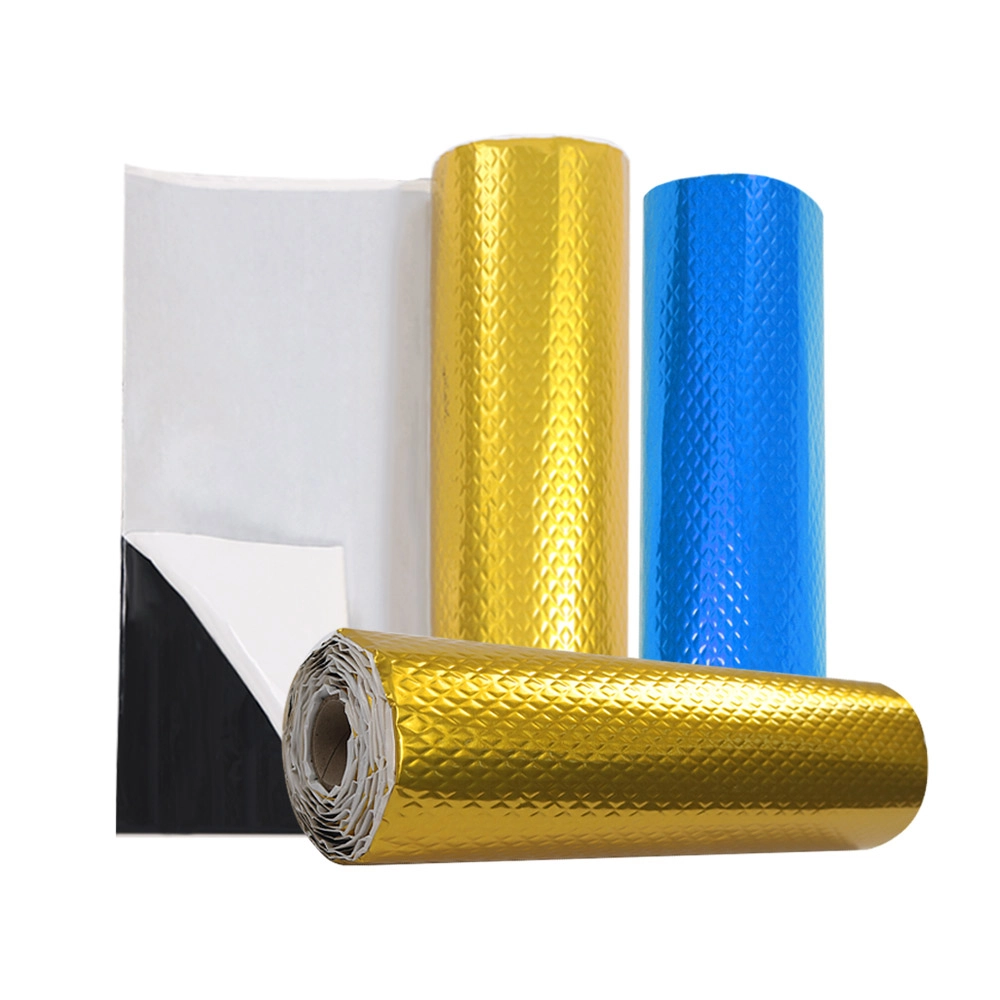
Butyl Rubber Sound Damping Mat
ASLONG Butyl Rubber Sound Damping Mat for sale. Effectively reduces noise and vibrations. High-quality butyl rubber ensures superior performance and durability. Ideal for automotive, industrial, and home applications.
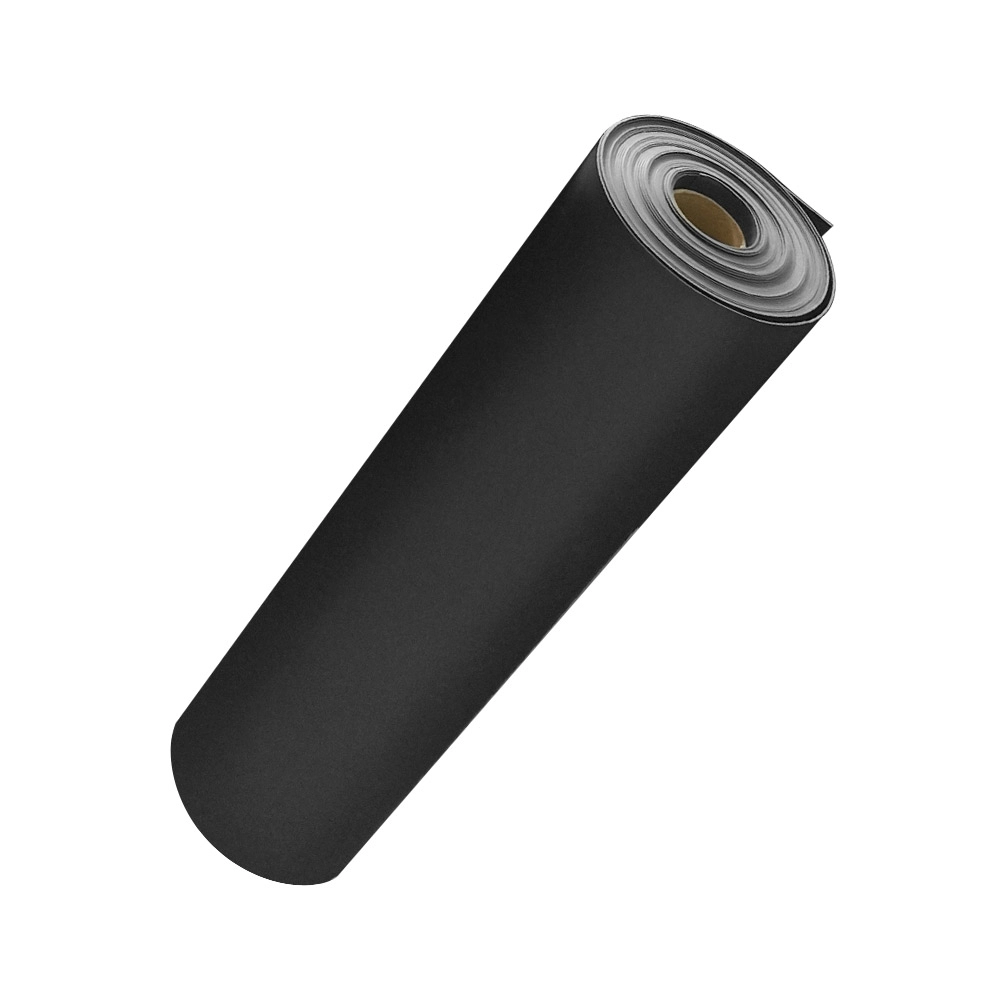
Mass Loaded Vinyl
ASLONG Mass Loaded Vinyl for sale. Reduce noise pollution effectively with our high-quality, mass-loaded vinyl. Ideal for soundproofing walls, floors, and more. Buy now and experience the difference!
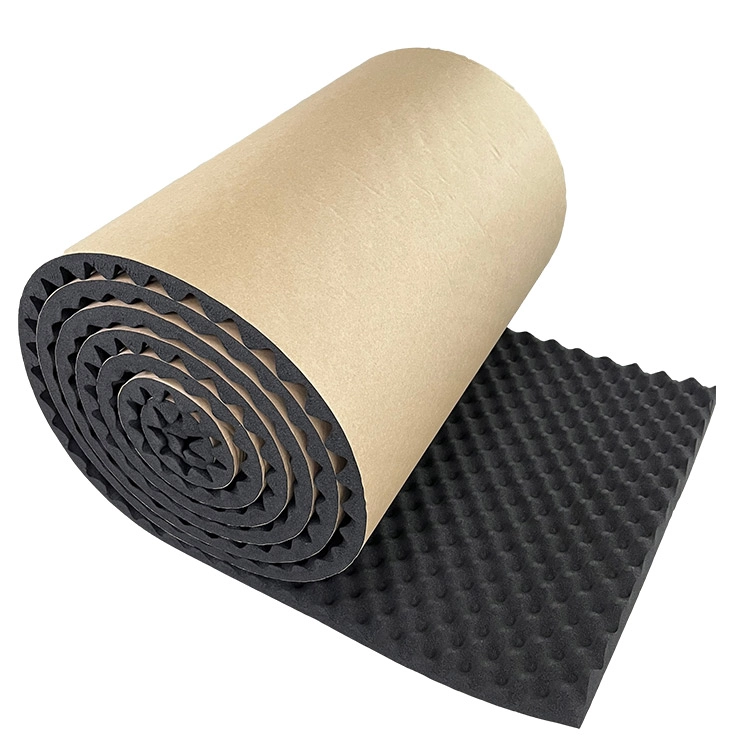
Egg Crate Foam
ASLONG Egg Crate Foam for sale. Lightweight, breathable, and comfortable, our egg crate foam provides superior support and pressure relief. Perfect for mattresses, cushions, cars, construction industry, KTV, factories, etc.
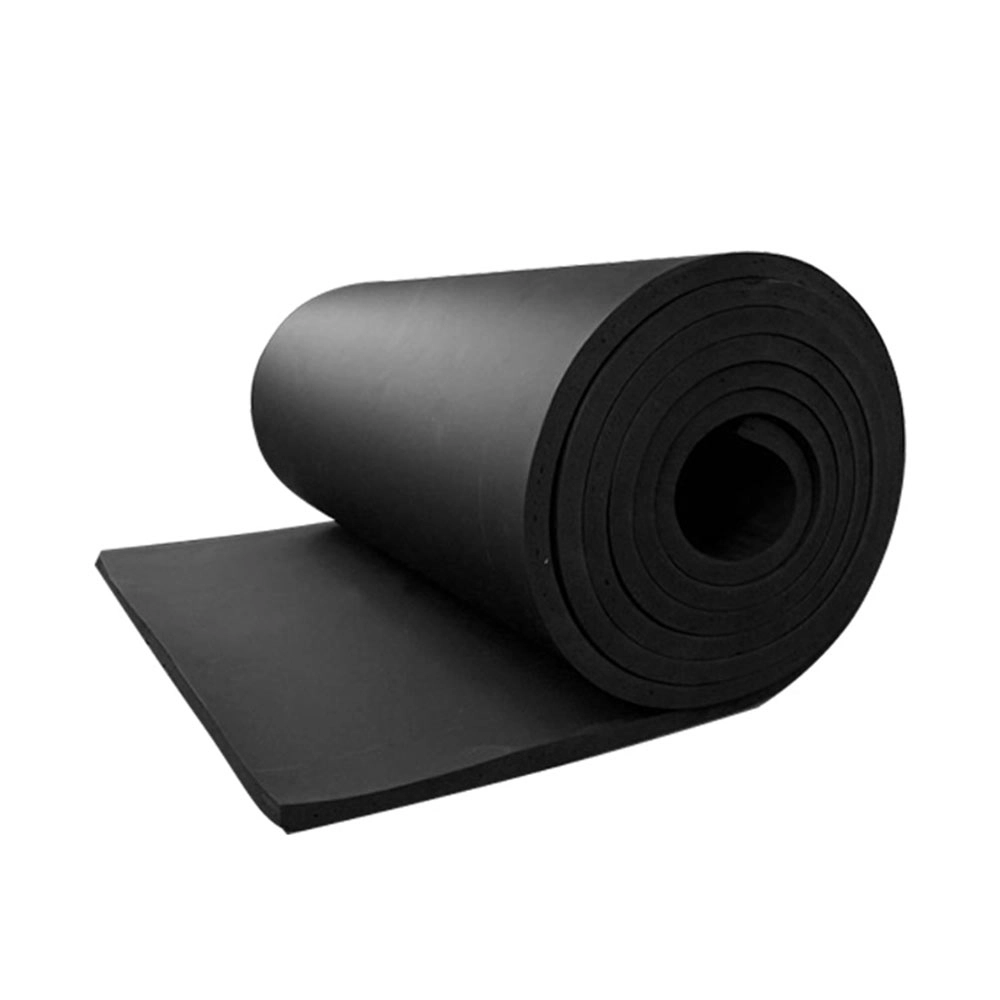
NBR Foam
ASLONG NBR Foam: Wholesale NBR foam solutions for diverse applications. High-quality, durable, and competitively priced. Contact us today for bulk orders.
Professional support at any time
If you have any comments or good suggestions, please leave us a message; later our professional staff will contact you as soon as possible.
© 2026 ASLONG All Rights Reserved. Privacy Policy | Terms and Conditions | Sitemap

 It would be pleasure to receive from you.
Whatsapp: +8613242879341
ASLONG Global
ASLONG
Aslong_global