

Case Study: Reducing Cabin Noise with Butyl Deadener

- How Butyl Panel Damping Changes Cabin Acoustics
- Separating airborne noise from structure-borne vibration
- Why application location matters more than blanket coverage
- Material properties buyers should specify
- Representative Cabin Noise Reduction Case Study
- Project brief and diagnostic sequence
- Material placement and installation method
- Validation and production controls
- Why ASLONG Is a Practical Sound Insulation Materials Partner
- Manufacturing capability and product breadth
- Quality, customization, and project support
- Commercial value for manufacturers and distributors
- Frequently Asked Questions
Reducing cabin noise is not simply a matter of adding more material. In automotive applications, unwanted sound enters the passenger compartment through airborne transmission, structure-borne vibration, tire excitation, powertrain harmonics, door leakage, and gaps around trim or body closures. A successful program therefore requires a layered acoustic strategy: identify the dominant source, control panel resonance with a viscoelastic damping layer, block transmission with mass or decoupling, and absorb reflected energy inside cavities. This case study presents a practical engineering model for using butyl-based damping sheets in a vehicle cabin, including material selection, installation, quality control, validation, and procurement considerations. The central lesson is that a properly specified butyl rubber sound damping mat can deliver greater value than indiscriminate material thickness when it is placed on the panels that contribute most to cabin noise.
How Butyl Panel Damping Changes Cabin Acoustics
Separating airborne noise from structure-borne vibration
Cabin noise is often treated as one problem, although it contains several different transmission mechanisms. Airborne noise travels through openings, door seals, ventilation paths, and relatively lightweight barriers. Structure-borne noise begins as vibration in the engine compartment, suspension, floor, roof, doors, wheel arches, or instrument panel and is then radiated as sound by sheet metal. A damping sheet is primarily effective against panel vibration. It does not replace a mass barrier, acoustic foam, seal, or absorber when the dominant path is airborne transmission.
Butyl compounds are widely used in automotive damping because they remain flexible, conform to stamped metal, and provide viscoelastic loss when a panel bends. The adhesive layer bonds the treatment to the substrate, while the butyl formulation converts part of the vibrational energy into a small amount of heat. The practical result is reduced panel ringing and lower sound radiation from treated surfaces. Material performance depends on thickness, temperature, bonding quality, coverage, and the dynamic behavior of the complete panel assembly rather than on nominal weight alone.
Why application location matters more than blanket coverage
Vehicle body panels do not contribute equally to cabin noise. Large unsupported floor sections, wheel wells, tunnel panels, door skins, roof panels, trunk floors, and rear quarter panels may show strong resonance under road or powertrain excitation. Applying a damping layer to these high-response zones generally provides better acoustic return than covering every available surface. A competent engineering team should begin with operational measurements, trim removal where appropriate, and vibration mapping using accelerometers, impact testing, or an equivalent diagnostic method.
Coverage should also account for structural geometry. A smaller patch positioned near a high-deflection region can outperform a poorly bonded full sheet placed over stiff or inactive metal. However, partial treatment must be validated carefully because untreated areas can continue to radiate noise or create a new dominant path. For fleet programs and production vehicles, the final design should balance acoustic benefit with assembly time, material utilization, service access, corrosion protection, and vehicle mass.
Material properties buyers should specify
Procurement teams should request more than a product name. Relevant specifications include nominal thickness, areal mass, temperature range, storage conditions, adhesive tack, peel behavior, loss factor or damping performance, dimensional tolerance, odor and emissions requirements, flame behavior where applicable, and compatibility with painted or coated substrates. The buyer should also confirm whether the material is supplied with a release liner, die-cut geometry, perforations, or protective facing.
For vehicle interiors, low odor and low volatile emissions are important because the material is used in an enclosed environment exposed to heat. The product should remain bonded during thermal cycling and should not migrate, shrink excessively, or lose adhesion after contact with adjacent trim. Where installation occurs in a humid or contaminated environment, surface preparation requirements should be documented, including cleaning agents, allowable substrate temperature, and minimum rolling pressure.
Representative Cabin Noise Reduction Case Study
Project brief and diagnostic sequence
The modeled project involved a light commercial vehicle with excessive low-frequency road noise and noticeable resonance from the front floor, transmission tunnel, front doors, and rear wheel housings. Occupants described the sound as droning rather than as a sharp squeal, indicating that panel excitation and tire-road energy were likely contributing factors. The project objective was not to make a universal numerical claim, but to establish a repeatable treatment method that could be verified on the specific vehicle platform.
The engineering sequence began with a baseline recording under controlled operating conditions. Measurements were taken at the driver and second-row seating positions during idle, acceleration, steady-speed cruising, and representative road surfaces. Panel vibration was then compared with interior sound pressure. This distinction is important: a high sound level without corresponding panel response may indicate leakage or an airborne path, while strong panel acceleration with matching frequency peaks suggests that constrained-layer damping is appropriate.
Material placement and installation method
After removing selected trim components, technicians cleaned the metal substrate and marked the highest-response zones. Butyl damping sheets were cut to follow the floor contours, tunnel shape, door inner skins, and wheel-arch geometry. Edges were kept clear of drain holes, fasteners, wiring channels, seat mounts, and service openings. Each piece was pressed from the center outward with a suitable roller to eliminate air pockets and establish consistent contact.
The treatment was then combined with complementary layers where the transmission mechanism required them. A mass-loaded vinyl barrier can block airborne sound when installed as a continuous, decoupled layer. NBR foam can provide thermal and acoustic decoupling around selected trim interfaces, while sound-absorbing white cotton can reduce reflected energy in cavities and interior panels. This combination illustrates why sound insulation materials should be selected as a system rather than as isolated commodities.
Validation and production controls
Post-treatment testing repeated the baseline routes, seating positions, vehicle load, tire pressure, and operating conditions. A valid comparison should use the same microphone calibration, sampling settings, speed range, and road surface wherever practical. In addition to overall sound pressure level, engineers should review one-third-octave or narrowband spectra to determine whether tonal peaks, broadband road noise, or specific resonances have changed.
Production validation should include visual inspection, adhesion checks, dimensional checks, and a review of installation time. The quality record should identify the batch number, substrate preparation method, roller pressure or installation instruction, and any areas where the material cannot be applied. A treatment that performs well in a laboratory but fails because of poor field bonding will not deliver a reliable return on investment.
| Acoustic approach | Primary mechanism addressed | Typical vehicle locations | Procurement and validation focus |
|---|---|---|---|
| Butyl viscoelastic damping sheet | Panel resonance and structure-borne vibration | Floor, doors, roof, tunnel, wheel housings | Adhesion, temperature stability, coverage, damping data, installation repeatability |
| Mass-loaded vinyl barrier | Airborne sound transmission | Floor assemblies, firewalls, doors, partitions | Surface density, continuity, decoupling, edge sealing, fit and mass |
| NBR foam or other decoupler | Flanking paths, trim contact, thermal-acoustic separation | Door cards, dashboards, floor interfaces | Compression set, density, temperature range, compatibility, thickness tolerance |
| Sound-absorbing fiber or cotton | Interior reverberation and cavity reflections | Door cavities, roof liners, trunk and side panels | Fiber stability, odor, moisture behavior, fire requirements, retention method |
The terminology used in testing should also be controlled. Laboratory building-acoustics methods such as ISO 10140 are not automatically equivalent to vehicle cabin testing, so buyers should avoid comparing unrelated rating systems. Automotive programs need a test plan appropriate to the vehicle, component, frequency range, and operating condition. General definitions of sound pressure and acoustic behavior can be reviewed through sound science references, while health-related context on environmental noise is available from the World Health Organization noise guidelines.
Why ASLONG Is a Practical Sound Insulation Materials Partner
Manufacturing capability and product breadth
ASLONG, also known as Welllink Guangdong New Material Co., Ltd., was founded in 2000 and operates as a high-tech enterprise specializing in the research, development, production, and sales of acoustic materials, sound insulation materials, shock-absorbing materials, and related products. Our modern production base covers more than 10,000 square meters and supports efficient, environmentally responsible, and high-performance material solutions for customers in automotive, construction, residential, industrial, and entertainment applications.
For cabin noise programs, our Butyl Rubber Sound Damping Mat is designed for panel vibration control, while Mass Loaded Vinyl can address airborne transmission where a heavier barrier is technically justified. NBR Foam supports decoupling and interface control, and Sound Absorbing White Cotton helps manage reflected sound within cavities and trim assemblies. Tire Silent Foam is relevant to tire and wheel-area noise strategies, while Butyl waterproof tape can support sealing and moisture-control details when specified for the application. Our electric auxiliary materials extend the portfolio into adjacent electrical and protective applications.
Quality, customization, and project support
Our team recognizes that OEM, aftermarket, distributor, and fleet requirements differ. A buyer may need rolls for prototyping, die-cut parts for repeatable assembly, custom thicknesses, adhesive configurations, packaging, labeling, or a mixed product program. ASLONG can support technical discussions around application location, substrate, temperature exposure, installation process, and required documentation before a purchase order is released.
Supplier evaluation should include more than a sample approval. Buyers should review production consistency, traceability, export packaging, lead time, communication responsiveness, and the supplier's ability to maintain specification across repeat orders. ASLONG products have been exported to Europe, North America, Asia, Africa, and other regions, giving international buyers a basis for discussing documentation, logistics, and market-specific requirements with our team.
Commercial value for manufacturers and distributors
A well-designed damping program can reduce warranty risk associated with loose or poorly retained materials, shorten installation variability, and make acoustic performance easier to reproduce across vehicle batches. For distributors, a broad range of complementary products creates opportunities to supply a complete treatment package rather than a single sheet material. For vehicle brand owners, the benefit is a more controlled balance between noise reduction, mass, assembly effort, and customer-perceived refinement.
ASLONG is recruiting agents worldwide and welcomes cooperation with importers, automotive accessory distributors, engineering contractors, and project owners seeking dependable acoustic supply. Product selection should be based on measured noise paths and application requirements, not on marketing labels alone. A technical discussion before sampling can help define the correct combination of damping, barrier, absorption, sealing, and shock-absorption products.
For additional guidance on material standards and conformity planning, buyers can consult the ISO standards catalogue and align the supplier's technical file with the applicable vehicle, chemical, fire, environmental, and customer-specific requirements. Contact ASLONG at king@aslong.cc or visit the ASLONG website to discuss cabin noise control, sampling, custom conversion, and global distribution.
Frequently Asked Questions
What type of vehicle noise can a butyl damping sheet reduce?
A butyl damping sheet primarily reduces panel resonance and structure-borne vibration from floors, doors, roofs, tunnels, wheel housings, and other metal panels. It is less effective as a standalone solution when noise enters mainly through air gaps or requires a continuous mass barrier.
Where should automotive damping material be installed first?
Installation should begin at panels identified through vibration and cabin sound measurements as high-response zones. Common locations include large floor sections, transmission tunnels, door inner skins, wheel arches, roofs, rear quarter panels, and trunk floors, subject to the specific vehicle platform.
How should buyers validate automotive sound insulation materials?
Buyers should compare baseline and post-treatment measurements under the same vehicle load, tire pressure, speed, road surface, microphone positions, and calibration conditions. The evaluation should include overall sound pressure and frequency spectra, plus inspection of adhesion, fit, installation time, and production consistency.
Can butyl damping replace Mass Loaded Vinyl or acoustic foam?
No. Butyl damping controls panel vibration, while Mass Loaded Vinyl primarily blocks airborne transmission and foam or sound-absorbing fiber helps decouple interfaces or reduce reflected energy. A layered system is normally more effective when the cabin has multiple noise paths.
What product documents should a B2B buyer request from a supplier?
The buyer should request specifications for thickness, areal mass, temperature range, adhesive performance, damping behavior, odor or emissions, storage, dimensional tolerance, and application compatibility. Depending on the project, the technical file may also need fire, environmental, chemical, and customer-specific compliance information.
Does ASLONG supply products for international automotive distribution?
Yes. ASLONG has exported products to Europe, North America, Asia, Africa, and other regions and supports international customers with acoustic, sound insulation, shock-absorbing, sealing, and related material solutions. The company is also recruiting agents worldwide.
Buyer's Guide: Choosing Sound Absorbing Cotton for Home Theaters
Choosing the Right NBR Foam Seal: Density, Thickness, Hardness
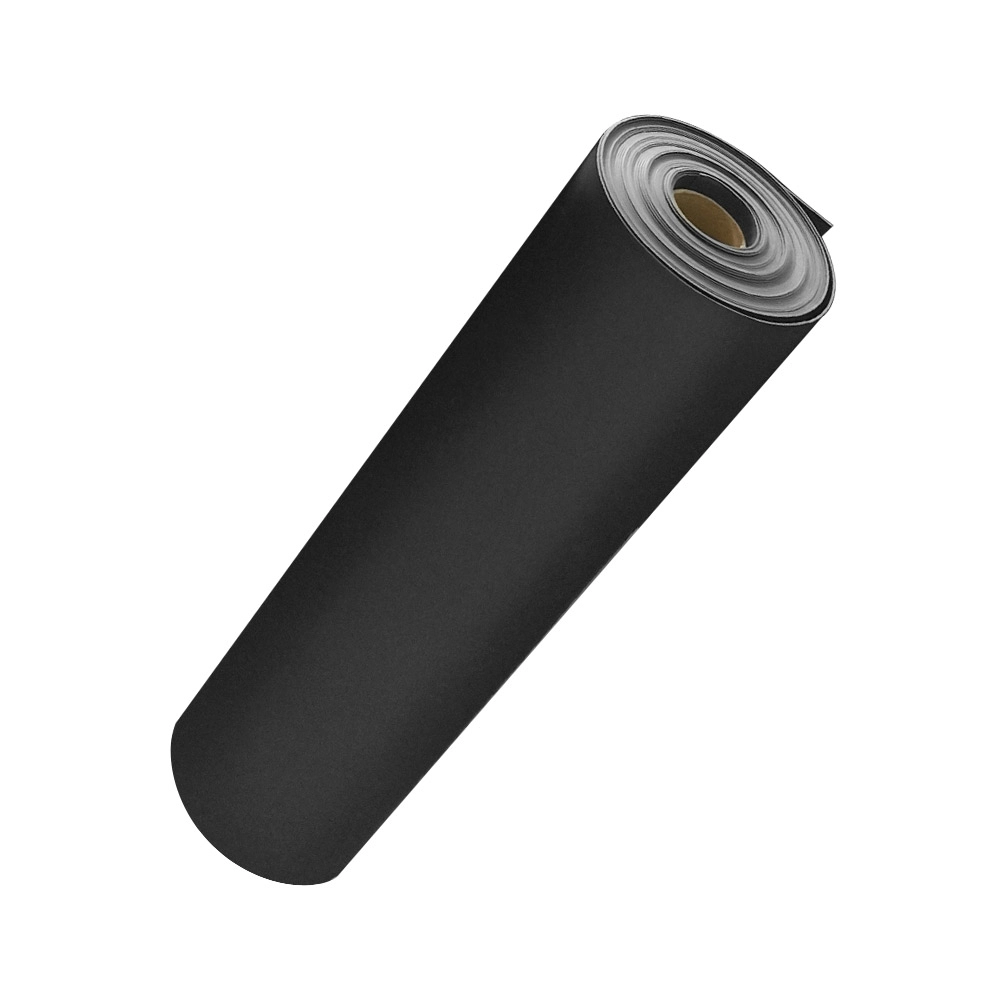
How Mass Loaded Vinyl Improves Room Acoustics
Top sound speaker foam rings Manufacturers and Suppliers
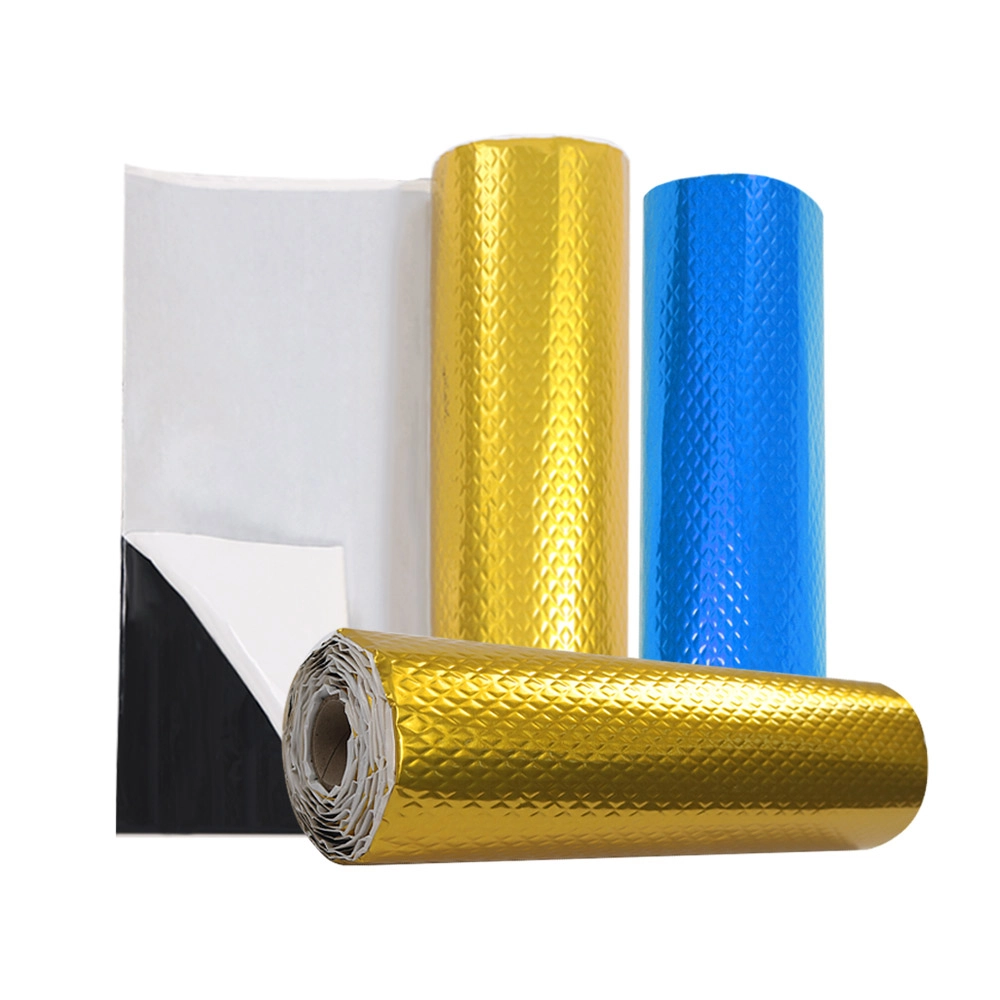
Butyl Rubber Sound Damping Mat
ASLONG Butyl Rubber Sound Damping Mat for sale. Effectively reduces noise and vibrations. High-quality butyl rubber ensures superior performance and durability. Ideal for automotive, industrial, and home applications.
Mass Loaded Vinyl
ASLONG Mass Loaded Vinyl for sale. Reduce noise pollution effectively with our high-quality, mass-loaded vinyl. Ideal for soundproofing walls, floors, and more. Buy now and experience the difference!
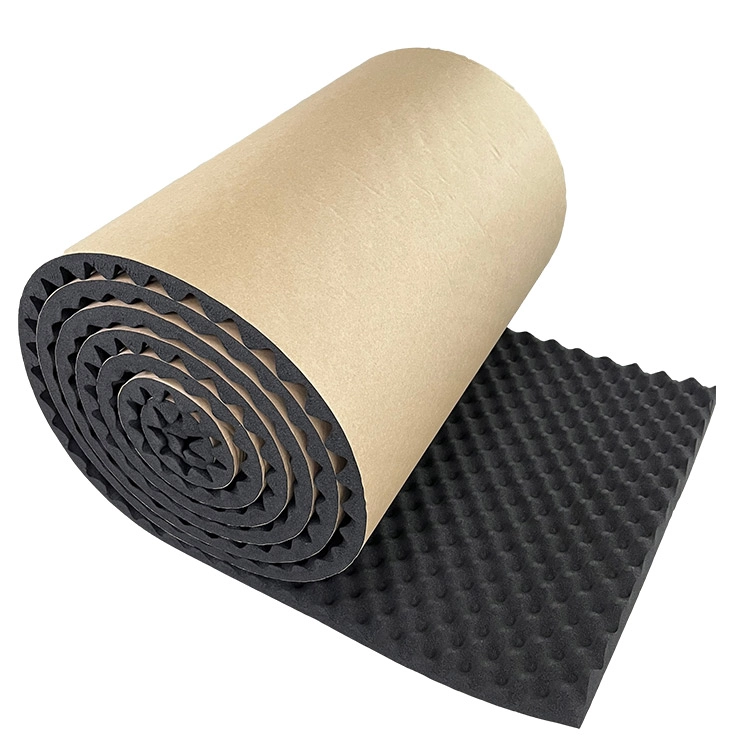
Egg Crate Foam
ASLONG Egg Crate Foam for sale. Lightweight, breathable, and comfortable, our egg crate foam provides superior support and pressure relief. Perfect for mattresses, cushions, cars, construction industry, KTV, factories, etc.
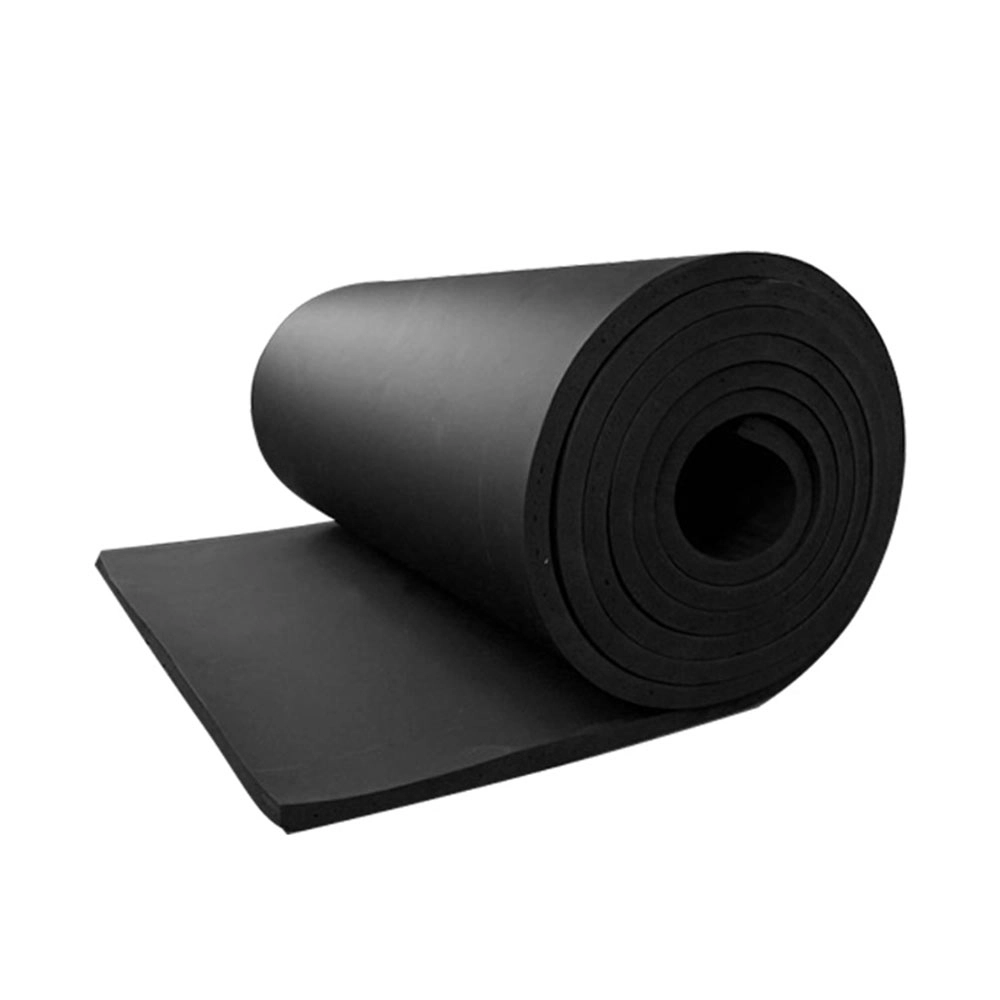
NBR Foam
ASLONG NBR Foam: Wholesale NBR foam solutions for diverse applications. High-quality, durable, and competitively priced. Contact us today for bulk orders.
Professional support at any time
If you have any comments or good suggestions, please leave us a message; later our professional staff will contact you as soon as possible.
© 2026 ASLONG All Rights Reserved. Privacy Policy | Terms and Conditions | Sitemap

 It would be pleasure to receive from you.
Whatsapp: +8613242879341
ASLONG Global
ASLONG
Aslong_global