

Case Studies: Nitrile Rubber Foam in Automotive Noise Reduction

- Material Fundamentals: Elastomeric Cellular Media for Vehicle Noise Control
- Acoustic mechanisms and material attributes
- Compatibility: chemical resistance and environmental durability
- Standards, testing and certification checkpoints
- Application Case Studies: Implementation Patterns and Procurement Lessons
- Wheelhouse liners and splash-guard insulation
- EV powertrain covers and inverter enclosures — balancing acoustic and thermal constraints
- Trim panel damping combined with barrier layers
- Comparative Performance Matrix: Material Roles and Procurement Metrics
- Interpreting the table for procurement
- Cost-to-performance and total cost of ownership
- ASLONG’s Capabilities: Manufacturing, Quality, and Product Suite for Automotive NVH
- Corporate and manufacturing profile
- Relevant product offerings for vehicle programs
- Technical support, compliance and global supply
- Quality controls and buyer checkpoints
- Frequently Asked Questions
This enterprise guide examines nitrile-based cellular elastomers used for automotive acoustic mitigation, presenting material performance drivers, application-specific implementation patterns, empirical case descriptions, and procurement criteria for buyers and engineers. It contrasts foam-based absorption and isolation strategies with mass-loaded barriers and viscoelastic damping, maps common acoustic targets across vehicle subsystems (wheelhouses, trunk lids, dash, battery enclosures), and identifies testing and compliance touchpoints. The second half summarizes ASLONG’s manufacturing scale, R&D credentials, product range and global supply capabilities for high-performance sound insulation materials, with deployment examples and recommended specification checks for large-volume projects.
Material Fundamentals: Elastomeric Cellular Media for Vehicle Noise Control
Acoustic mechanisms and material attributes
Closed-cell nitrile elastomer foams serve three primary functions in vehicular sound engineering: airborne energy absorption in cavities, vibration isolation between structural panels, and minor thermal-insulative benefit for under-hood and battery enclosures. Key attributes that drive selection include dynamic stiffness, porosity and cell structure, compression set and long-term resilience, oil and fuel resistance, and temperature stability for underbody or engine-bay environments. For guidance on acoustic measurement and ranking methods, see Wikipedia - Soundproofing and industry test standards referenced below.
Compatibility: chemical resistance and environmental durability
Elastomeric cellular compounds based on nitrile-butadiene chemistry offer improved hydrocarbon resistance compared with generic EPDM or polyurethane foams, making them suitable for zones exposed to grease, fuel vapor, and automotive fluids. Buyers evaluating supply should request accelerated aging data (heat aging, solvent exposure) and compression retention curves to ensure predictable NVH performance over vehicle lifetime.
Standards, testing and certification checkpoints
Acceptance criteria for acoustic modules normally reference standardized measurement procedures (laboratory insertion loss, reverberation room absorption coefficients, and vehicle pass-by or interior sound pressure level tests). Refer to recognized standards for acoustic performance measurement such as ISO 717 - Acoustics and OEM test protocols published by industry bodies like SAE International. For peer-reviewed technical studies and measurement methods consult IEEE Xplore.
Application Case Studies: Implementation Patterns and Procurement Lessons
Wheelhouse liners and splash-guard insulation
Problem statement: Road and tire noise transmitted into the cabin through wheelhouse cavities and fender liners is one of the most pervasive NVH complaints, especially in compact and midsize segments. Solution pattern: thin-profile closed-cell nitrile sponge layers laminated to nonwoven facing or attached as contoured pads create a hybrid absorption-barrier assembly that reduces mid-high frequency tire roar while resisting water ingress and contact with road salts. Procurement tip: specify adhesive type, surface treatment, and salt-spray resistance to avoid adhesion loss during service life.
EV powertrain covers and inverter enclosures — balancing acoustic and thermal constraints
Problem statement: Electric drivetrains shift noise spectra, introducing high-frequency tonal components from inverters and motor bearings. Foamed nitrile liners can attenuate these spectra while providing dielectric isolation; however, thermal management requires selecting formulations with controlled thermal conductivity and flame performance. Implementation guidance: require supplier-provided thermal conductivity data, UL/FM flammability or OEM-equivalent fire performance test results, and motor-inverter package-level acoustic sweep tests to validate insertion loss without compromising cooling pathways.
Trim panel damping combined with barrier layers
Problem statement: Thin stampings and interior trim panels act as radiating surfaces. Solution pattern: a two-stage approach—viscoelastic mass damping sheets to reduce panel ringing paired with cellular elastomer liners for cavity absorption—achieves broad-band reduction. For high-volume programs, specify lay-up stack drawings, tack adhesion force (N/cm), and die-cut tolerances to ensure assembly compatibility on trim lines.
Comparative Performance Matrix: Material Roles and Procurement Metrics
| Material | Primary Acoustic Mechanism | Typical Automotive Uses | Key Advantages | Limitations |
|---|---|---|---|---|
| NBR-based closed-cell foam (NBR sponge) | Absorption, isolation, minor barrier | Wheelhouse liners, trunk liners, battery enclosures, dash void fillers | Hydrocarbon resistance, low water uptake, robust compression set | Limited low-frequency blocking compared with heavy barriers |
| Butyl rubber sound damping sheet | Viscoelastic damping of panel vibration | Underfloor panels, door skins, wheel arches | Effective at reducing panel resonance, thin application | Less effective at absorbing cavity sound alone |
| Mass-Loaded Vinyl (MLV) | Mass barrier for low-frequency transmission loss | Bulkhead barriers, firewall liners, undercarriage shields | High low-frequency blocking per unit thickness | Heavier, may require mechanical fixing; thermal drawbacks |
| Open-cell polyester/mineral wool (sound absorbing cotton) | High absorption across mid-high bands | Headliners, trunk spaces, acoustic packs | Excellent broadband absorption, low cost | Susceptible to moisture and particulate migration unless encapsulated |
Interpreting the table for procurement
Specification teams should define primary acoustic targets (frequency bands, permitted in-cabin dB(A), structural resonance amplitudes) and select material stacks rather than single components. For example, a typical door assembly may combine a damping membrane on the metal skin, an NBR-cell pad at the inner cavity to reduce transmitted energy, and an absorptive nonwoven to limit reverberation.
Cost-to-performance and total cost of ownership
Total program value depends on raw material cost, part complexity, die-cutting and lamination needs, and warranty life. Buyers should quantify lifecycle factors such as weight impact on fuel/energy consumption, corrosion mitigation savings, and warranty claims reduction attributable to stable acoustic performance.
ASLONG’s Capabilities: Manufacturing, Quality, and Product Suite for Automotive NVH
Corporate and manufacturing profile
ASLONG (Welllink Guangdong New Material Co., Ltd.) was founded in 2000. It is a high-tech enterprise specializing in the research and development, production, and sales of acoustic materials, sound insulation materials, shock-absorbing materials, and other products. We have a modern production base of more than 10,000 square meters and provide efficient, environmentally friendly, and high-performance sound insulation material solutions to customers around the world. Buyers and OEM programs benefit from a vertically coordinated supply chain that supports custom compound development, lamination, die-cutting, and just-in-time logistics.
Relevant product offerings for vehicle programs
Our portfolio addresses multiple NVH functions and includes: Butyl Rubber Sound Damping Mat for panel damping; Mass Loaded Vinyl for low-frequency barriers; NBR Foam varieties (closed-cell nitrile sponge, laminated acoustic pads) for cavity absorption and isolation; Sound Absorbing White Cotton for headliners and trunk packs; Tire Silent Foam for wheel and arch noise mitigation; Butyl waterproof tape for seam sealing; and Electric auxiliary materials tailored to EV enclosures. These elements can be supplied as raw rolls, die-cut components, or pre-assembled laminated modules to fit assembly line integration.
Technical support, compliance and global supply
Our engineering team supports specification development, CAE-based NVH simulation correlation, and prototype validation. ASLONG maintains material traceability, provides test reports consistent with recognized standards, and ships to Europe, North America, Asia and Africa. For standardized acoustic measurement references and OEM test alignment consult resources such as ISO 717 - Acoustics and method catalogs from SAE International and IEEE Xplore for academic studies on broadband insertion loss.
Quality controls and buyer checkpoints
Procurement teams should require: material certificates of analysis, incoming raw material verification, VOC and RoHS compliance documentation as applicable, bonded sample runs for fit verification, and sample aging test results. For high-volume award, request production capability metrics (daily square meters, die-cut tolerances, defect rate targets) and lead-time guarantees tied to supply continuity plans.
Contact ASLONG’s commercial team to discuss technical datasheets, supply agreements and sample delivery: ASLONG website.
Frequently Asked Questions
How does nitrile-based cellular elastomer compare to mass-loaded barriers for low-frequency noise?
Closed-cell nitrile elastomer pads primarily act as absorbers and isolation layers, effective across mid to high frequency bands and offering chemical resistance; mass-loaded vinyl provides higher low-frequency transmission loss as a dense barrier. For best results in low-frequency mitigation, combine heavy barriers with damping layers and cavity absorption as a system solution.
What environmental and chemical resistances are important when specifying nitrile-elastomer acoustic parts?
Specify hydrocarbon and oil resistance, UV and salt-spray durability for underbody applications, compression set behavior after thermal aging, and VOC content. Request accelerated aging reports and solvent-exposure test data to validate long-term performance.
What information should buyers require from suppliers before awarding large NVH programs?
Buyers should require material datasheets, aging and compression set data, dimensional tolerances for die-cut parts, sample production runs, VOC/RoHS documentation, production capacity (sqm/day), lead times, and warranty terms tied to acoustic performance metrics.
Can nitrile-based acoustic foams be used in electric vehicle battery enclosures?
Yes—nitrile-based closed-cell formulations can provide acoustic absorption and secondary thermal insulation while resisting oil and electrolyte exposure. For battery and inverter enclosures, specify thermal conductivity limits, dielectric properties, and flammability performance in accordance with OEM fire-safety protocols.
What manufacturing services should an acoustic materials supplier provide to support OEM assembly lines?
Suppliers should offer laminated assemblies, precision die-cutting, adhesive systems compatible with assembly processes, JIT/kitting services, and pre-validated installation fixtures or guides. Engineering support for CAE correlation and prototype testing is also valuable.
Best professional car insulation material manufacturers and supplier brands
Top custom cut acoustic foam panels Manufacturers and Suppliers
Top acoustic mat materials for automotive noise reduction
Installation Techniques for Nitrile Rubber Foam Soundproofing
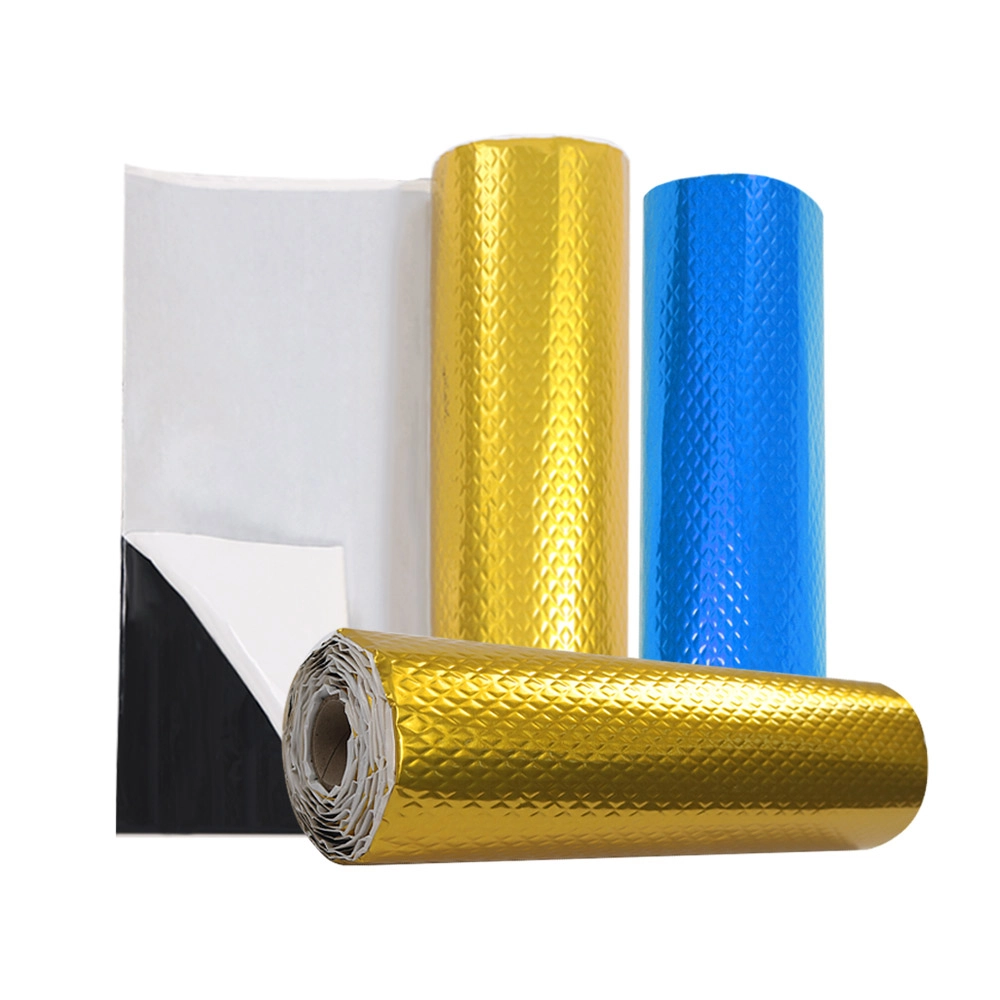
Butyl Rubber Sound Damping Mat
ASLONG Butyl Rubber Sound Damping Mat for sale. Effectively reduces noise and vibrations. High-quality butyl rubber ensures superior performance and durability. Ideal for automotive, industrial, and home applications.
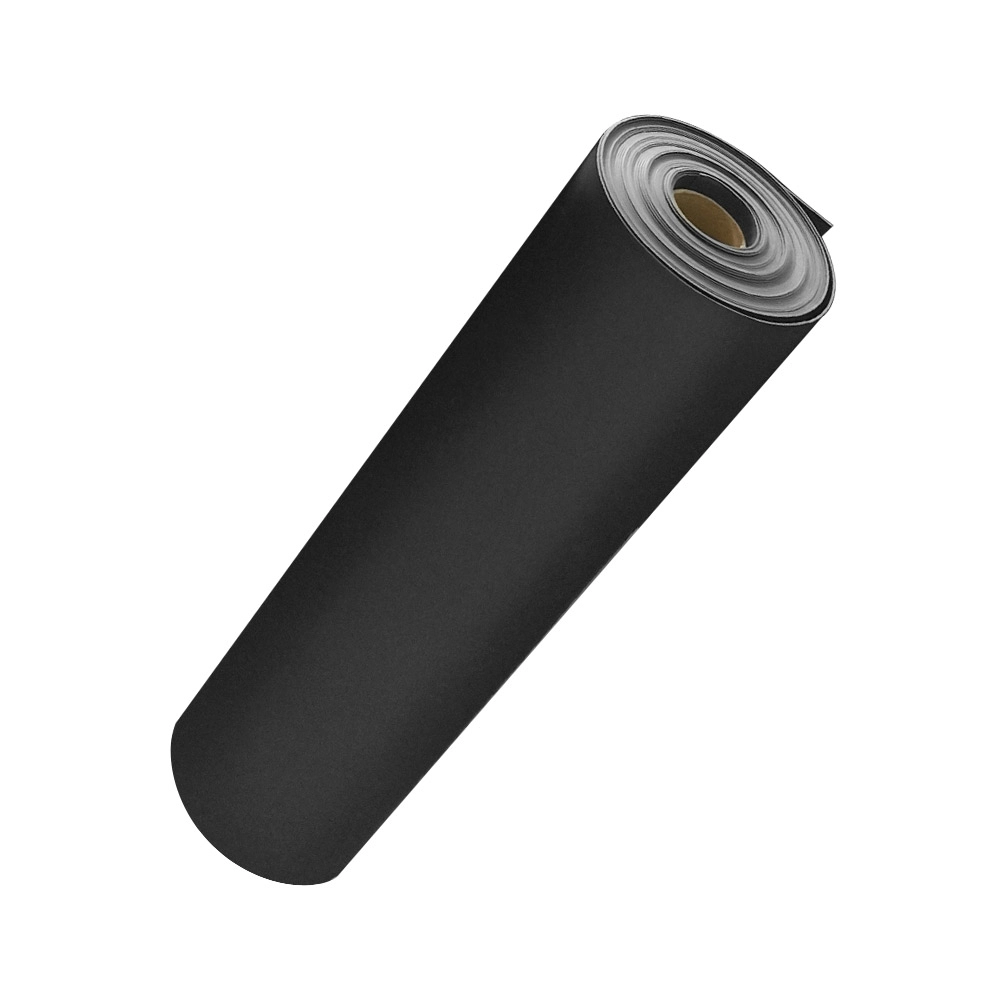
Mass Loaded Vinyl
ASLONG Mass Loaded Vinyl for sale. Reduce noise pollution effectively with our high-quality, mass-loaded vinyl. Ideal for soundproofing walls, floors, and more. Buy now and experience the difference!
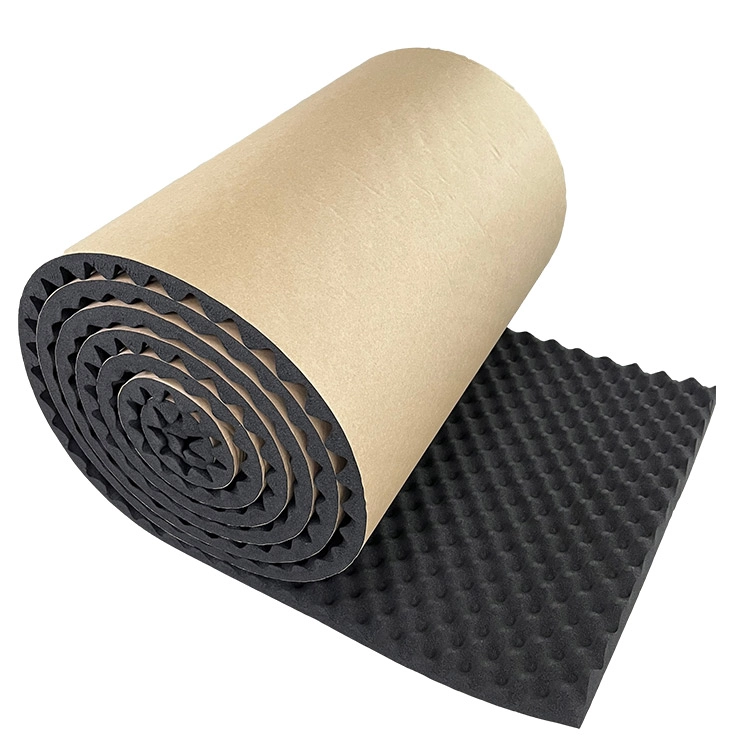
Egg Crate Foam
ASLONG Egg Crate Foam for sale. Lightweight, breathable, and comfortable, our egg crate foam provides superior support and pressure relief. Perfect for mattresses, cushions, cars, construction industry, KTV, factories, etc.
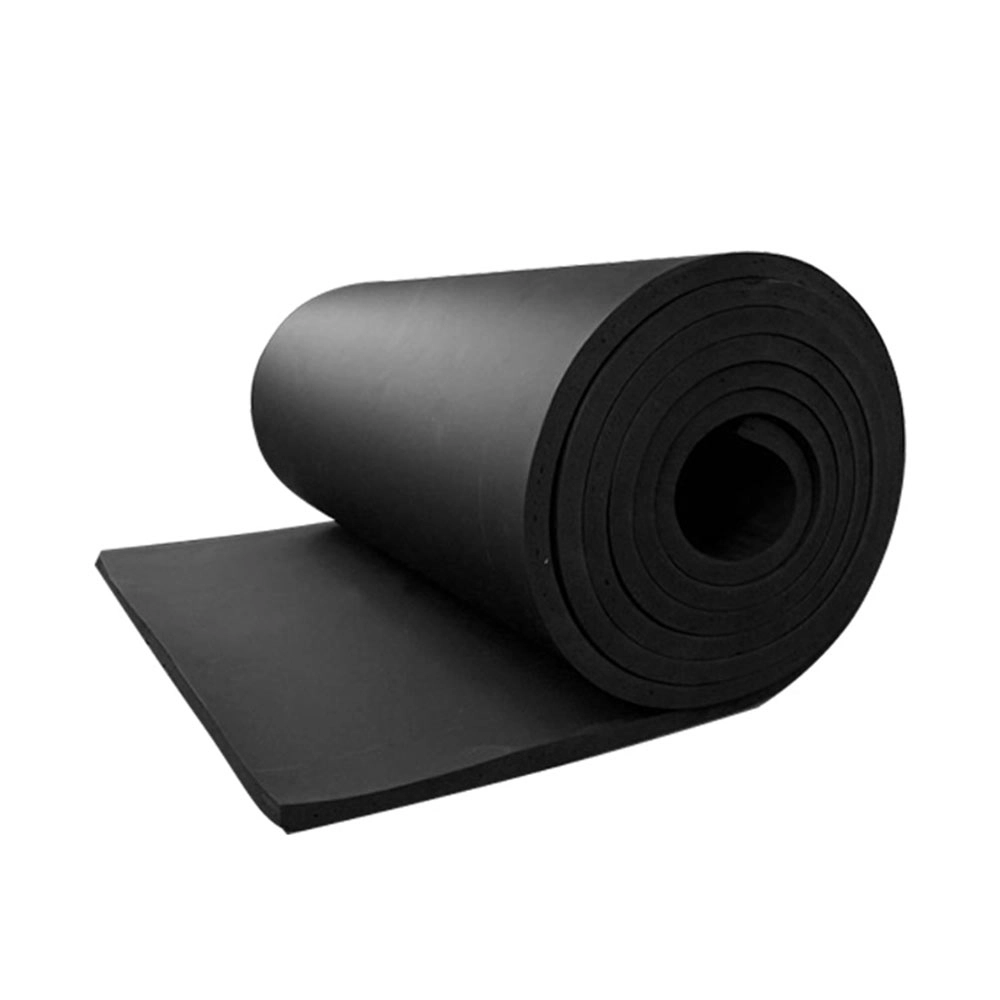
NBR Foam
ASLONG NBR Foam: Wholesale NBR foam solutions for diverse applications. High-quality, durable, and competitively priced. Contact us today for bulk orders.
Professional support at any time
If you have any comments or good suggestions, please leave us a message; later our professional staff will contact you as soon as possible.
© 2026 ASLONG All Rights Reserved. Privacy Policy | Terms and Conditions | Sitemap

 It would be pleasure to receive from you.
Whatsapp: +8613242879341
ASLONG Global
ASLONG
Aslong_global