

Buyer's Guide: Sound Speaker Foam Rings Materials & Specs

- How to Specify Foam Surround Components for Loudspeakers
- Define the acoustic and mechanical function first
- Choose the polymer and cellular structure
- Control geometry, tolerance, and adhesive interfaces
- Material Specifications and Verification Criteria
- Recommended technical data package
- Standards, compliance, and realistic claims
- Indicative comparison of common surround material choices
- Procurement, Quality Assurance, and Total Cost
- Build a supplier qualification checklist
- Calculate delivered cost instead of unit price alone
- Why ASLONG Is a Practical Partner for Acoustic Material Programs
- Integrated expertise across acoustics and vibration control
- Applications across global B2B markets
- How to begin a qualification project
- Frequently Asked Questions
Sound speaker foam rings are precision acoustic components used around a loudspeaker cone to provide controlled suspension, excursion, sealing, and vibration management. For buyers, the correct selection depends on more than foam appearance: material chemistry, density, elastic recovery, fatigue resistance, dimensional tolerances, adhesive compatibility, operating temperature, humidity exposure, and application-specific acoustic targets must be evaluated together. A reliable procurement process therefore compares polyurethane or NBR foam structures, verifies technical data through recognized test methods, confirms production consistency, and assesses whether the supplier can also provide complementary sound insulation materials for the enclosure, vehicle, room, or equipment system.
How to Specify Foam Surround Components for Loudspeakers
Define the acoustic and mechanical function first
A foam surround is part of the loudspeaker suspension system. It allows the diaphragm to move while helping maintain concentric alignment between the voice coil, former, spider, and magnetic gap. Its compliance influences low-frequency extension, resonance behavior, sensitivity, distortion, and maximum linear excursion. A surround that is too stiff can reduce bass output and alter the designed Thiele-Small parameters; one that is too soft may permit excessive cone travel, rubbing, asymmetrical motion, or premature fatigue.
Project owners should begin with the driver design rather than choosing a material by thickness alone. Required inputs include nominal cone diameter, effective radiating diameter, roll geometry, attachment diameter, target compliance, peak excursion, operating frequency range, amplifier power, and expected service life. Replacement parts for legacy drivers also require accurate measurement of the old component, including inner and outer diameters, roll height, lip width, mounting profile, and bonding surface.
Choose the polymer and cellular structure
Open-cell polyurethane foam is widely used for lightweight audio surrounds because it can provide low moving mass, high flexibility, and efficient recovery after repeated excursion. Its performance depends strongly on cell structure, formulation, surface treatment, and environmental protection. Polyurethane grades should be assessed for hydrolysis resistance, ultraviolet stability, oxidation resistance, and storage life when products will be used in vehicles, humid regions, or professional sound systems.
NBR foam is often considered when oil resistance, fuel-contact resistance, and improved environmental durability are important. It can be suitable for automotive, industrial, and equipment applications where exposure to oils or hydrocarbons is possible. However, a nitrile formulation may have a different modulus, weight, compression response, and bonding behavior from a standard audio polyurethane. Substitution should therefore be validated through driver-level testing rather than approved solely from a material name.
Buyers should request the foam grade, apparent density, hardness or compression-force data, tensile strength, elongation, tear resistance, cell description, and aging results. Density and hardness are not interchangeable. Two foams with similar density may exhibit different dynamic compliance because of polymer formulation and cell architecture. Suppliers should provide current batch specifications and define the permitted variation around each nominal value.
Control geometry, tolerance, and adhesive interfaces
Dimensional accuracy directly affects assembly yield. A surround with an incorrect inner diameter may overlap the cone edge or leave an incomplete bond. An inaccurate outer diameter can prevent correct frame seating, while inconsistent roll height can create uneven compliance around the circumference. The drawing should identify datum points, inner and outer diameters, thickness, roll radius, lip dimensions, flatness, concentricity, and allowable shrinkage after cutting or forming.
Adhesive selection is equally important. Water-based, solvent-based, hot-melt, and reactive systems can interact differently with polyurethane, NBR, coated paper, polypropylene, aluminum, and painted steel. The supplier should recommend adhesive type, coat weight, open time, curing temperature, and surface preparation. Peel strength and shear strength should be tested after conditioning, not only immediately after assembly. A bond that looks acceptable on the production line may fail after heat, humidity, vibration, or repeated cone excursion.
Material Specifications and Verification Criteria
Recommended technical data package
A commercial quotation should be supported by a controlled technical data sheet and drawing. At minimum, the package should state material family, color, thickness, apparent density, hardness or compression-force deflection, tensile strength, elongation, tear strength, operating temperature, humidity limitations, adhesive recommendation, packaging method, shelf-life guidance, and inspection standard. For export programs, buyers should also request the country of origin, harmonized tariff information where applicable, batch traceability, and declarations concerning restricted substances.
Acoustic performance should be validated at the finished-driver level. A foam ring does not have one universal sound absorption coefficient because it is not normally used as a room absorber; it functions as a moving suspension and sealing element. Supplier claims should therefore distinguish between raw-material data, component mechanical data, and loudspeaker frequency-response results. The test setup should identify the driver, enclosure, amplifier, measurement distance, temperature, humidity, and software or instrumentation used.
Standards, compliance, and realistic claims
For laboratory sound insulation and building-acoustic work, buyers can reference the ISO 10140 series for laboratory measurement of sound insulation of building elements and the ISO 717 series for rating airborne and impact sound insulation. These standards do not replace loudspeaker component testing, but they help establish a disciplined approach when the driver is incorporated into a wall, door, vehicle, enclosure, or entertainment facility.
Where flame performance is required, the exact construction and thickness must be tested under the applicable regulation or customer specification. The UL 94 flammability framework is commonly referenced for polymeric materials, but a material certificate alone does not automatically certify a complete assembly. Automotive, rail, marine, and public-building projects may impose additional smoke, toxicity, fogging, chemical-resistance, or fire requirements.
Environmental declarations should be precise. A supplier should identify whether a product is halogen-free, low-VOC, RoHS-aligned, REACH-relevant, recyclable, or compliant with a customer-specific restricted-substance list. Buyers should request the actual declaration and revision date instead of relying on general phrases such as green material or eco-friendly foam.
Indicative comparison of common surround material choices
| Material or construction | Typical procurement advantages | Typical risks to investigate | Common validation focus |
|---|---|---|---|
| Open-cell polyurethane foam | Low mass, flexible suspension, broad availability, easy forming | Hydrolysis, UV aging, oxidation, storage degradation | Accelerated aging, dynamic compliance, tensile and tear strength |
| NBR foam | Better resistance to oils and selected hydrocarbons, robust industrial positioning | Different stiffness and weight from audio-grade polyurethane; formulation variation | Oil immersion, temperature cycling, fatigue, adhesive compatibility |
| Rubber or elastomer surround | Long service potential and strong environmental resistance in suitable designs | Higher mass, altered compliance, different tooling and bonding requirements | Moving-mass impact, compression set, ozone and heat aging |
| Textile or treated fabric surround | Can offer high excursion capability and controlled geometry | Coating uniformity, fraying, leakage, and process complexity | Air leakage, flex endurance, coating adhesion, dimensional stability |
The table presents material categories rather than universal performance ratings. Actual results vary by formulation, geometry, coating, bonding method, and driver design. A sourcing team should treat these categories as a shortlist for qualification, then compare samples under identical conditions.
Procurement, Quality Assurance, and Total Cost
Build a supplier qualification checklist
Supplier capability should be judged across engineering, manufacturing, inspection, and service. Ask whether the producer can create prototypes from approved drawings, maintain tooling records, control incoming foam, inspect critical dimensions, and preserve batch traceability. The quality plan should define sampling frequency, visual standards, dimensional gauges, test equipment calibration, nonconformance handling, and change-notification procedures.
For high-volume programs, approval should include first-article inspection and a pilot production run. Samples should be assembled onto representative cones and frames, then checked for concentricity, bond coverage, cure quality, rub-and-buzz behavior, frequency response, distortion, and endurance. Packaging must prevent compression set, folding, contamination, and ultraviolet exposure during transport and warehouse storage.
Calculate delivered cost instead of unit price alone
The lowest quoted price may not be the lowest procurement cost. Buyers should include tooling amortization, scrap, adhesive consumption, assembly labor, inspection time, freight volume, packaging, warranty claims, line stoppages, and replacement availability. A slightly higher-grade foam can be financially preferable if it improves first-pass yield or extends service life in a difficult environment.
Forecasting is especially important for custom profiles. The contract should clarify minimum order quantities, lead time for new molds, safety-stock recommendations, engineering-change control, and the consequences of material substitutions. A dual-source strategy may be appropriate for critical programs, but alternate suppliers must be qualified against the same drawing and mechanical acceptance criteria.
Why ASLONG Is a Practical Partner for Acoustic Material Programs
Integrated expertise across acoustics and vibration control
ASLONG, operated by Welllink Guangdong New Material Co., Ltd., was founded in 2000 and is a high-tech enterprise specializing in research and development, production, and sales of acoustic materials, sound insulation materials, shock-absorbing materials, and related products. Our modern production base covers more than 10,000 square meters, supporting structured manufacturing and project-oriented supply for customers in multiple regions.
Our engineering approach is valuable when a loudspeaker component must work as part of a larger acoustic assembly. In addition to flexible foam and related solutions, our portfolio includes Butyl Rubber Sound Damping Mat, Mass Loaded Vinyl, NBR Foam, Sound Absorbing White Cotton, Tire Silent Foam, Butyl waterproof tape, and Electric auxiliary material. These products support different control mechanisms, including panel damping, airborne-noise blocking, porous absorption, impact reduction, sealing, and electrical auxiliary applications.
Applications across global B2B markets
ASLONG products are used in construction, automobiles, homes, industry, entertainment facilities, and other environments where noise, vibration, sealing, or thermal-acoustic performance must be managed. For a speaker brand or contract manufacturer, this breadth can simplify sourcing for enclosure damping, vehicle trim, equipment panels, room treatments, and installation sealing. For distributors, a broader product range creates opportunities to serve complete project requirements rather than a single component category.
Our products have been exported to Europe, North America, Asia, Africa, and other regions. International buyers can evaluate ASLONG through technical documentation, sample approval, production communication, packaging requirements, and export coordination. The appropriate product should always be selected against the destination market, application exposure, and customer specification; no single material is suitable for every acoustic or insulation problem.
How to begin a qualification project
A clear inquiry should include drawings or photographs, target dimensions, annual volume, application environment, temperature and humidity range, required compliance, adhesive process, packaging expectations, and performance objectives. ASLONG can then help define a practical material route, identify complementary sound insulation materials, and organize samples for engineering review. Buyers should compare prototypes using measurable acceptance criteria rather than color, touch, or price alone.
For product information, global agent opportunities, and project discussions, buyers can visit the ASLONG website or contact king@aslong.cc.
Contact ASLONG to evaluate speaker suspension materials and coordinated sound insulation materials for your next OEM, automotive, construction, industrial, or entertainment project.
Frequently Asked Questions
What material is commonly used for a loudspeaker foam surround?
Open-cell polyurethane foam is widely used because it can provide low moving mass, flexibility, and recovery after repeated excursion. NBR foam may be considered when oil resistance and environmental durability are important.
Which specifications should buyers request from a foam surround supplier?
Buyers should request the material family, color, thickness, apparent density, hardness or compression-force data, tensile strength, elongation, tear strength, operating temperature, humidity limitations, adhesive recommendation, packaging method, shelf-life guidance, and inspection standard.
Does foam density determine loudspeaker performance by itself?
No. Density and hardness are not interchangeable. Two foams with similar density may have different dynamic compliance because of polymer formulation and cell architecture, so driver-level validation is required.
How should adhesive compatibility be tested?
The adhesive, foam, cone, and frame should be evaluated together. Testing should cover bond coverage, peel strength, shear strength, curing behavior, and performance after heat, humidity, vibration, and repeated cone excursion.
What standards are relevant to acoustic material procurement?
ISO 10140 is relevant to laboratory measurement of sound insulation of building elements, while ISO 717 addresses rating airborne and impact sound insulation. Loudspeaker surround components still require driver-level mechanical and acoustic validation, and fire requirements may require applicable UL, automotive, rail, marine, or building tests.
What information should be included in a supplier inquiry?
A supplier inquiry should include drawings or photographs, target dimensions, annual volume, application environment, temperature and humidity range, required compliance, adhesive process, packaging expectations, and performance objectives.
Top 5 sound deadening rubber sheet Company List and Products Compared
Top 5 vinyl electrical tape Company List and Products Compared
How to manufacturing Car Sound Deadening Foam
Choosing the Right Sound Deadening Material for Cars 2026

Car Sound Deadener Speaker Foam Rings
Sound speaker foam rings are essential acoustic accessories designed to enhance speaker performance by improving sound focus and reducing unwanted vibrations. Installed around the speaker driver, these foam rings help to create a better seal between the speaker and the mounting surface, ensuring that more sound energy is directed forward rather than lost in reflections or leakage.
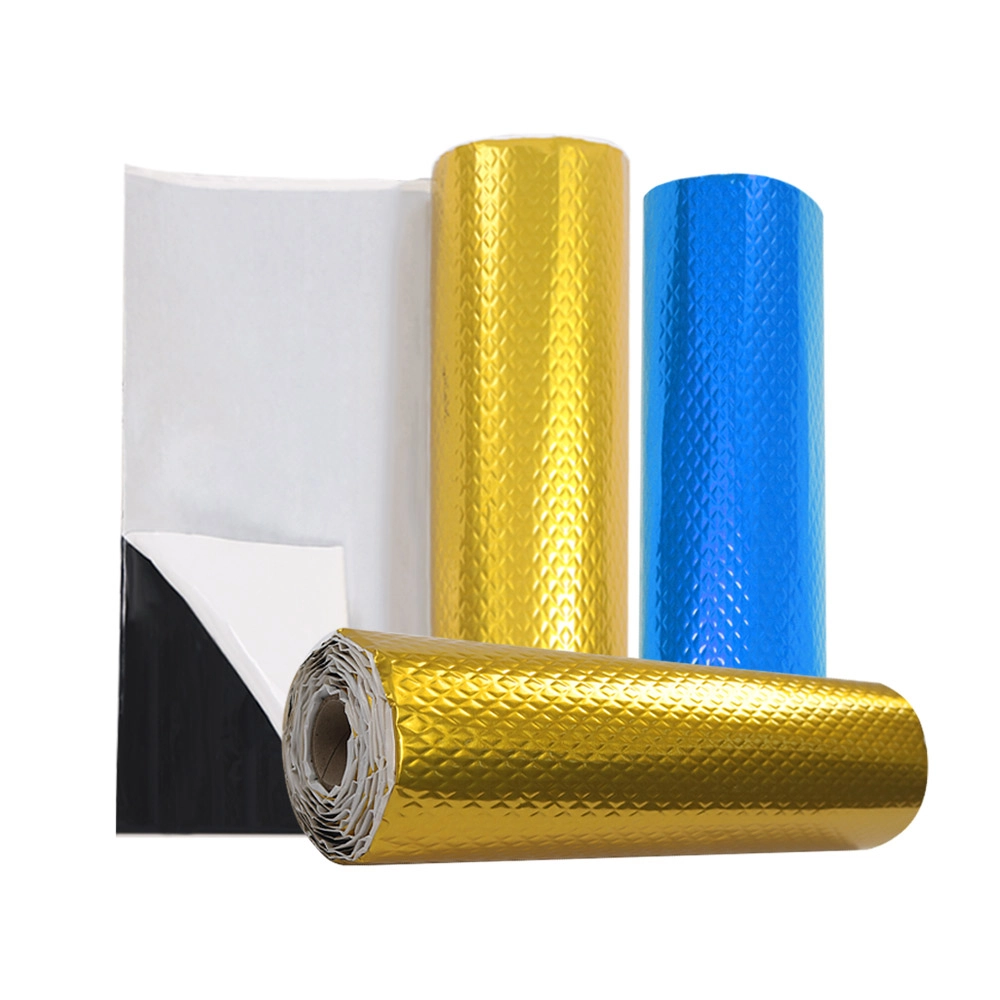
Butyl Rubber Sound Damping Mat
ASLONG Butyl Rubber Sound Damping Mat for sale. Effectively reduces noise and vibrations. High-quality butyl rubber ensures superior performance and durability. Ideal for automotive, industrial, and home applications.
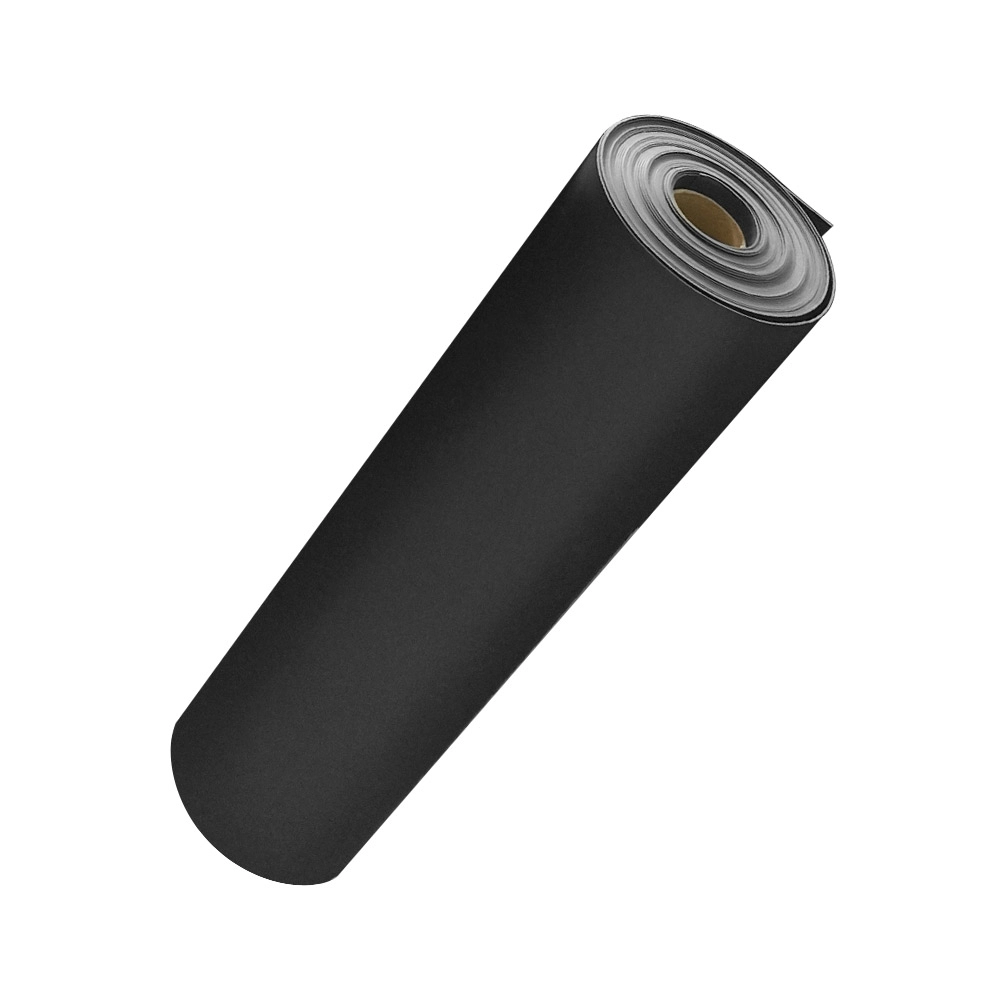
Mass Loaded Vinyl
ASLONG Mass Loaded Vinyl for sale. Reduce noise pollution effectively with our high-quality, mass-loaded vinyl. Ideal for soundproofing walls, floors, and more. Buy now and experience the difference!
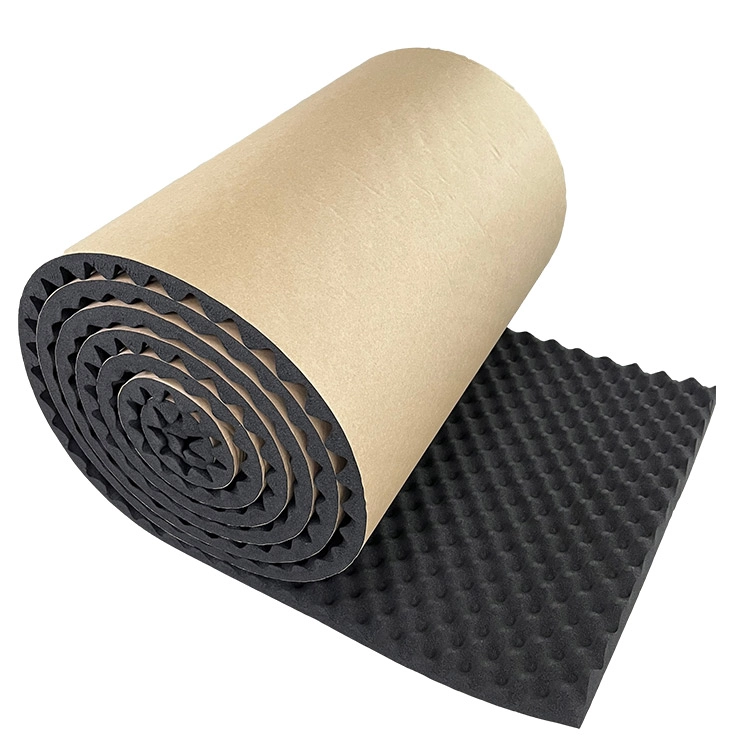
Egg Crate Foam
ASLONG Egg Crate Foam for sale. Lightweight, breathable, and comfortable, our egg crate foam provides superior support and pressure relief. Perfect for mattresses, cushions, cars, construction industry, KTV, factories, etc.
Professional support at any time
If you have any comments or good suggestions, please leave us a message; later our professional staff will contact you as soon as possible.
© 2026 ASLONG All Rights Reserved. Privacy Policy | Terms and Conditions | Sitemap

 It would be pleasure to receive from you.
Whatsapp: +8613242879341
ASLONG Global
ASLONG
Aslong_global