

Buyer's Guide: Choosing Sound Absorbing Cotton for Home Theaters

- How Acoustic Fiber Materials Control Home Cinema Sound
- Absorption is different from sound isolation
- Match the absorber to the frequency problem
- Review recognized acoustic measurement methods
- Buyer Criteria for Selecting Acoustic Cotton and Fiber Batting
- Density, thickness, and airflow resistance
- Fire, emissions, moisture, and occupant safety
- Installation, maintenance, and lifecycle value
- Designing a Complete Home Theater Acoustic Package
- Use layered treatment instead of a single-material solution
- Coordinate acoustics with ventilation and equipment
- Validate performance through inspection and measurement
- Why ASLONG Is a Practical Supply Partner for Acoustic Projects
- Integrated manufacturing across acoustic and isolation categories
- Solutions for residential, commercial, automotive, and entertainment applications
- Global availability and procurement support
- Frequently Asked Questions
Choosing sound absorbing cotton for home theaters is a specification decision that affects speech intelligibility, bass management, listener comfort, equipment performance, and the perceived quality of the entire room. The most suitable material is not automatically the thickest, densest, or least expensive option. Buyers must match the absorber’s acoustic behavior with the room volume, target frequency range, wall and ceiling construction, decorative finish, ventilation requirements, fire-safety obligations, and installation method. A reliable procurement process therefore evaluates the complete acoustic assembly rather than treating cotton, fiber panels, or polyester batting as interchangeable commodities.
How Acoustic Fiber Materials Control Home Cinema Sound
Absorption is different from sound isolation
Porous acoustic products reduce reflected energy inside a room by allowing sound waves to enter a fibrous structure, where friction and viscous losses convert part of that energy into small amounts of heat. This process helps control reverberation, flutter echo, harsh high-frequency reflection, and excessive speech or dialogue persistence. It improves the internal listening environment, but it does not by itself prevent sound from passing through a wall into a bedroom, hallway, or neighboring property.
Sound isolation depends primarily on mass, airtightness, decoupling, damping, and structural design. A home theater may therefore require both absorptive lining and barrier-based sound insulation materials. Mass Loaded Vinyl, resilient systems, sealed gypsum-board assemblies, acoustic sealants, and vibration-control components address transmission loss, while acoustic cotton, fabric-wrapped panels, and ceiling absorbers address room reflections. Confusing these two functions is a common cause of disappointing project results.
Match the absorber to the frequency problem
Thin porous treatments are generally more effective at reducing mid- and high-frequency reflections than deep low-frequency energy. Bass wavelengths are long, so a small wall panel may have limited influence on room modes below the speech range. Low-frequency control normally requires greater absorber depth, an air gap behind the panel, large corner traps, diaphragmatic devices, or a combination of treatments designed through room measurement.
For dialogue-heavy rooms, a balanced system should manage early reflections from the front wall, side walls, ceiling, and rear wall without making the room acoustically dull. For music and immersive cinema, the design should preserve controlled liveliness while preventing strong modal buildup. Product selection should therefore be based on acoustic test data across frequency bands rather than one headline absorption value.
Review recognized acoustic measurement methods
Buyers should request laboratory reports identifying the test method, specimen construction, mounting condition, frequency range, and reported rating. ISO 354 describes measurement of sound absorption in a reverberation room, while ISO 11654 addresses sound absorbers for use in buildings and the evaluation of sound absorption. Results depend on how a product is installed, so a bare-material value should not be presented as the guaranteed performance of a finished wall or ceiling assembly.
Buyer Criteria for Selecting Acoustic Cotton and Fiber Batting
Density, thickness, and airflow resistance
Density is useful for comparing product construction, but it is not a standalone measure of acoustic quality. Two products with similar density can perform differently because of fiber diameter, bonding method, porosity, thickness, and facing. Thickness and the distance from the rigid backing often influence absorption at lower frequencies, whereas airflow resistance affects how sound energy interacts with the porous network.
Procurement specifications should state the nominal thickness, permissible tolerance, density range, dimensions, facing type, and installation orientation. A supplier should also explain whether the material is intended to remain exposed, be placed behind acoustically transparent fabric, or be enclosed inside a wall or ceiling cavity. Compression during shipping or installation can reduce effective thickness and should be addressed in packaging and site instructions.
Fire, emissions, moisture, and occupant safety
Home theaters contain electrical equipment, amplifiers, projectors, cables, fabrics, and sometimes concealed lighting. Fire behavior must therefore be assessed for the complete finish system, not inferred from the word “cotton” or “fiber.” Buyers should request applicable reaction-to-fire classifications, test reports, and documentation for the facing, adhesive, mounting clips, and decorative fabric. Requirements vary by country, building type, and local authority.
Indoor-air-quality considerations include odor, volatile emissions, fiber shedding, formaldehyde-related concerns, and chemical additives. A product suitable for an industrial enclosure may not be appropriate for an occupied residential room. Project owners should ask for safety data, emissions declarations where available, and clear handling guidance. The World Health Organization guidance on indoor air quality reinforces the importance of controlling indoor pollutants through material selection and ventilation.
Moisture resistance is especially relevant in basements, media rooms adjacent to wet areas, and buildings with seasonal humidity changes. Moisture-tolerant construction can reduce the risk of odor, microbial growth, sagging, and loss of dimensional stability, but it does not replace waterproofing or humidity control. Materials should be stored dry, protected from condensation, and installed only after the substrate has reached acceptable moisture conditions.
Installation, maintenance, and lifecycle value
A high-performing absorber can underdeliver if gaps, excessive compression, exposed edges, poor corner detailing, or acoustically reflective coverings are introduced during installation. The bill of materials should include mounting hardware, compatible adhesive or mechanical fasteners, edge treatment, fabric, access panels, and replacement allowances. Removable modules are often preferable where projectors, speakers, wiring, and ventilation equipment require future service.
Buyers should compare total installed cost rather than unit price. Relevant cost factors include cutting waste, freight volume, labor time, protective packaging, replacement frequency, fire documentation, and compatibility with local installers. A stable product that arrives in consistent dimensions may deliver better project economics than a lower-cost material requiring extensive trimming or rework.
| Evaluation area | What buyers should verify | Why it matters in a cinema room |
|---|---|---|
| Acoustic performance | Frequency-band absorption data, test method, mounting condition, and specimen thickness | Confirms whether the material addresses reflections and the intended frequency range |
| Construction | Fiber type, density range, thickness tolerance, facing, and dimensional stability | Supports consistent installation and predictable room treatment |
| Fire behavior | Applicable classification and test documentation for the complete exposed assembly | Helps satisfy building, insurance, and occupancy requirements |
| Health and environment | Odor, emissions, handling, recycled content, and end-of-life information where available | Reduces indoor-air and compliance risks for occupied spaces |
| Isolation compatibility | Whether the absorber works with barriers, resilient channels, sealed cavities, and damping layers | Prevents the mistaken expectation that absorption alone will block sound transmission |
| Supply capability | MOQ, lead time, packaging, batch consistency, technical support, and export documentation | Protects schedule, quality, and repeat purchasing performance |
Designing a Complete Home Theater Acoustic Package
Use layered treatment instead of a single-material solution
A practical cinema specification often combines porous absorption, mass barriers, structural damping, and vibration isolation. Acoustic fiber can occupy wall cavities or form fabric-wrapped panels. A dense barrier can reduce airborne transmission through partitions, while a butyl damping layer can reduce panel resonance in metal or board assemblies. NBR foam may support decoupling, sealing, or equipment-contact applications when its technical properties match the design.
The correct sequence depends on the assembly. A barrier installed without airtight joints can lose much of its expected isolation benefit. Likewise, an absorber hidden behind an acoustically opaque decorative layer may contribute little to room treatment. Drawings should identify the acoustic function of every layer, the location of penetrations, the treatment of doors and service openings, and the relationship between loudspeaker placement and reflection control.
Coordinate acoustics with ventilation and equipment
Projectors, amplifiers, subwoofers, HVAC ducts, lighting, and access doors introduce both noise and vibration paths. Ventilation openings can become weak points in an otherwise heavy partition, while equipment racks can transmit structure-borne vibration into floors or walls. Acoustic treatment should be coordinated with mechanical and electrical drawings before materials are ordered.
Buyers should require installation details for duct silencers, door seals, cable penetrations, speaker back-boxes, and equipment isolation. The ISO 16283 series provides field measurement methods for airborne and impact sound insulation, making post-installation verification more objective when project risk or contract requirements justify testing.
Validate performance through inspection and measurement
Quality control should begin at receiving inspection. Check lot numbers, package integrity, dimensions, visible contamination, moisture exposure, and conformity with the approved sample. During installation, verify that cavity batts are not excessively compressed, panels are continuous where specified, joints are treated, and fabric remains sufficiently transparent to sound.
For larger or high-value rooms, commissioning can include reverberation-time measurement, frequency-response checks, background-noise assessment, and listening tests conducted after the room is furnished. The ASHRAE ventilation standards are also relevant when acoustic enclosures and low-noise HVAC strategies must coexist with indoor-air requirements. Measurement cannot correct a poorly designed assembly, but it can identify installation defects before handover.
Why ASLONG Is a Practical Supply Partner for Acoustic Projects
Integrated manufacturing across acoustic and isolation categories
ASLONG, also known as Welllink Guangdong New Material Co., Ltd., was founded in 2000 and operates as a high-tech enterprise specializing in the research and development, production, and sales of acoustic materials, sound insulation materials, shock-absorbing materials, and related products. Our modern production base covers more than 10,000 square meters, supporting structured manufacturing, quality control, and project-oriented supply for customers in multiple markets.
Our product range enables buyers to coordinate several acoustic functions through one experienced supplier. Sound Absorbing White Cotton can support internal reflection control, while Mass Loaded Vinyl provides a dense barrier option for airborne sound isolation. Butyl Rubber Sound Damping Mat is suited to resonance-control strategies in compatible assemblies, and NBR Foam can support sealing, cushioning, or vibration-related applications subject to the project specification.
Solutions for residential, commercial, automotive, and entertainment applications
ASLONG develops and supplies products used across construction, homes, automobiles, industry, and entertainment facilities. In addition to acoustic cotton and barrier products, the portfolio includes Tire Silent Foam, Butyl waterproof tape, and Electric auxiliary material. This breadth helps distributors, contractors, OEM customers, and project owners consolidate purchasing while selecting different material functions for walls, floors, ceilings, equipment, vehicles, and service areas.
Our engineering and manufacturing process is oriented toward efficient, environmentally responsible, and high-performance material solutions. Buyers can evaluate product dimensions, technical requirements, packaging, application conditions, and documentation before final approval. For private-label, distribution, or recurring project programs, early communication about forecast volume, target markets, compliance needs, and installation conditions improves supply planning and reduces specification changes.
Global availability and procurement support
ASLONG products have been exported to Europe, North America, Asia, Africa, and other regions. International buyers should provide the intended application, required thickness and dimensions, performance targets, destination standards, annual demand, and preferred packaging format so that the appropriate material and documentation pathway can be reviewed. Our team also welcomes distributors and agents seeking long-term cooperation in acoustic and sound insulation markets.
For a home theater project, the strongest procurement decision combines measured acoustic objectives, safe and stable materials, a documented installation method, and dependable after-sales coordination. ASLONG’s broad portfolio allows buyers to build that package around absorption, isolation, damping, sealing, and vibration-control requirements rather than relying on a single generic product.
Contact ASLONG at king@aslong.cc or visit www.aslong.cc to discuss project specifications, product selection, and worldwide agency opportunities.
Frequently Asked Questions
Does acoustic cotton block sound from leaving a home theater?
No. Porous acoustic cotton primarily reduces reflections and reverberation inside the room. Preventing sound transmission requires mass, airtightness, damping, decoupling, and suitable barrier materials such as Mass Loaded Vinyl within a correctly designed assembly.
Is thicker acoustic fiber always better for a home theater?
No. Thickness should be matched to the target frequency range, available wall or ceiling depth, air gap, room dimensions, and overall acoustic design. Thicker treatment can improve lower-frequency absorption, but placement and assembly construction are equally important.
What documents should a buyer request from the supplier?
Buyers should request acoustic test reports identifying the method, frequency range, specimen thickness, and mounting condition; fire-behavior documentation; product specifications; safety or emissions information where available; installation guidance; packaging details; and batch or quality-control records.
Can exposed acoustic cotton be used without a fabric covering?
That depends on the product’s construction, fire requirements, appearance, fiber-shedding behavior, and room-use conditions. Many projects use an acoustically transparent fabric or a dedicated facing, but the complete exposed assembly should be reviewed and tested for the intended application.
What is the difference between acoustic absorption and sound insulation?
Absorption reduces reflected sound energy within a room and helps control reverberation. Sound insulation reduces sound transmission between spaces through barriers, airtight construction, damping, and decoupling. A high-quality home theater commonly requires both functions.
Can ASLONG supply materials for more than one acoustic function?
Yes. ASLONG supplies Sound Absorbing White Cotton, Mass Loaded Vinyl, Butyl Rubber Sound Damping Mat, NBR Foam, Tire Silent Foam, Butyl waterproof tape, Electric auxiliary material, and other related products for acoustic, sound insulation, shock-absorbing, sealing, and supporting applications.
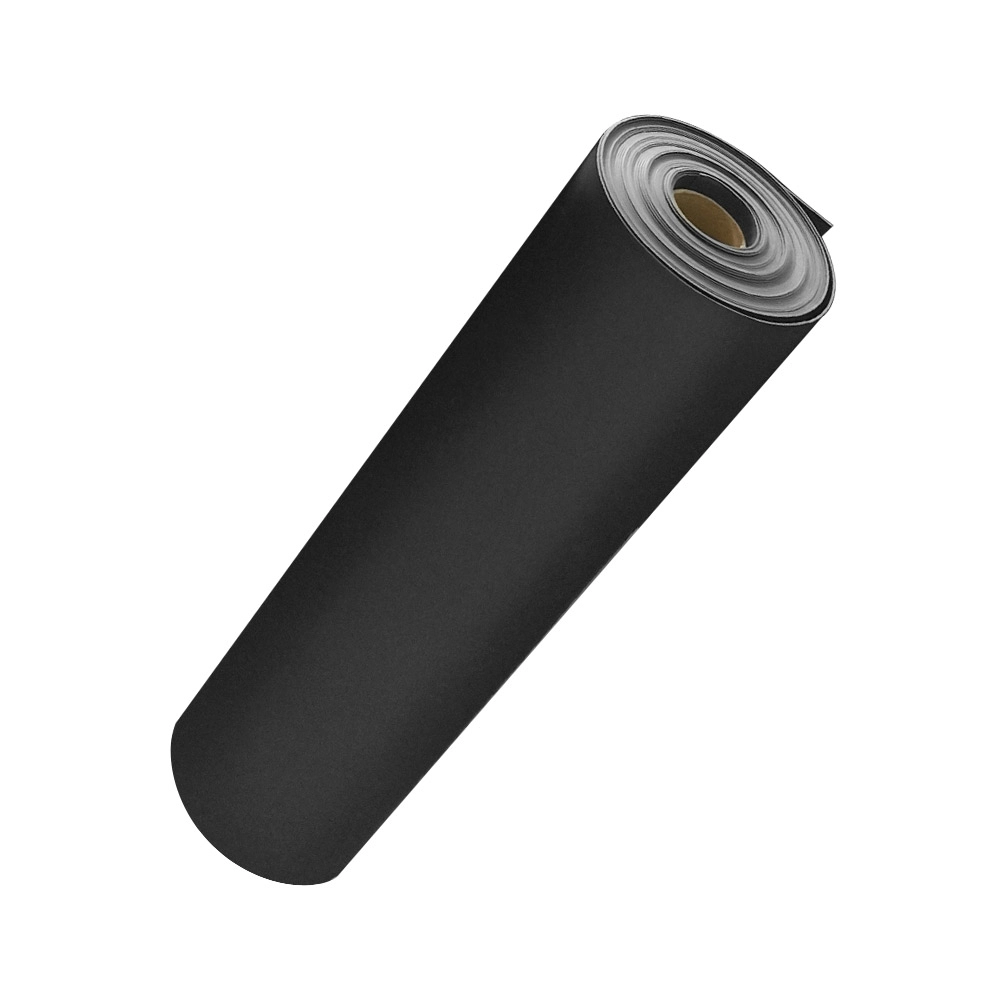
Installation Guide for Mass Loaded Vinyl in Commercial Buildings
Mass Loaded Vinyl Sheet: Acoustic Performance and STC Ratings
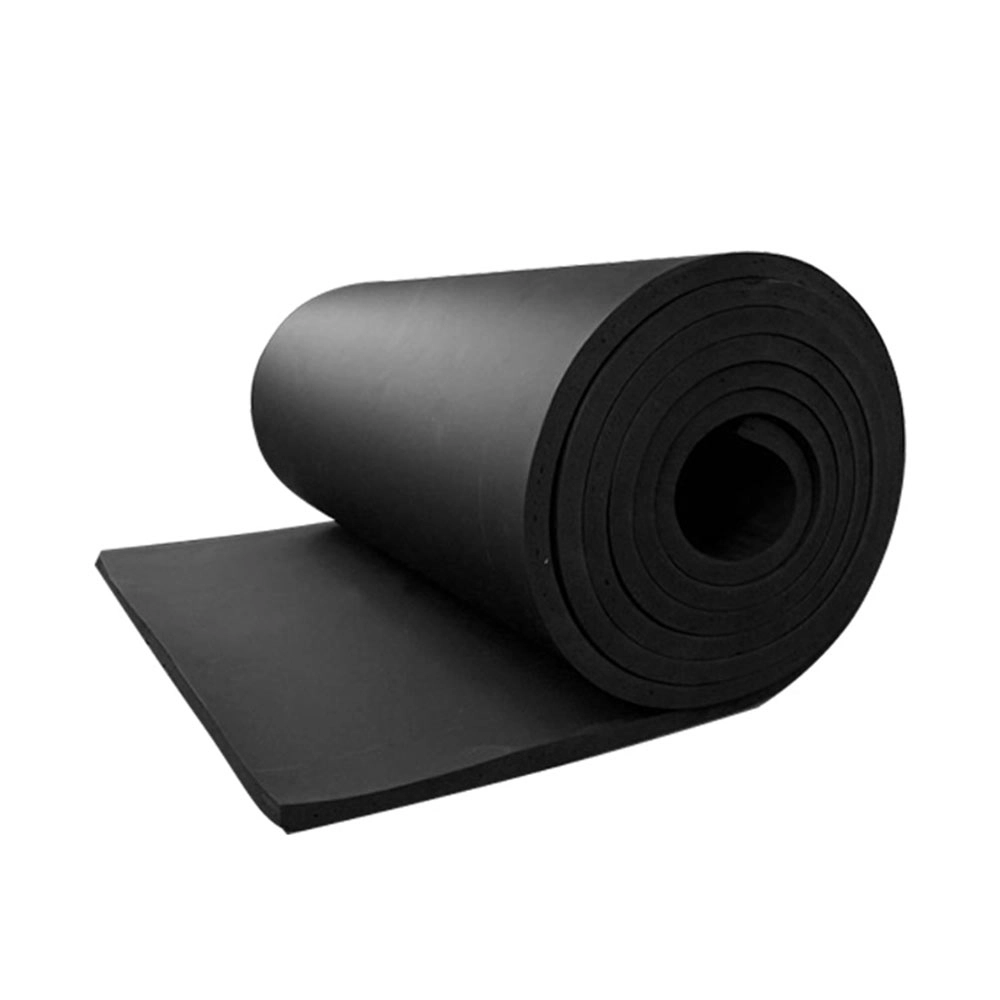
Benefits of NBR Foam in Industrial and Commercial Settings
Case Studies: Nitrile Rubber Foam in Automotive Noise Reduction
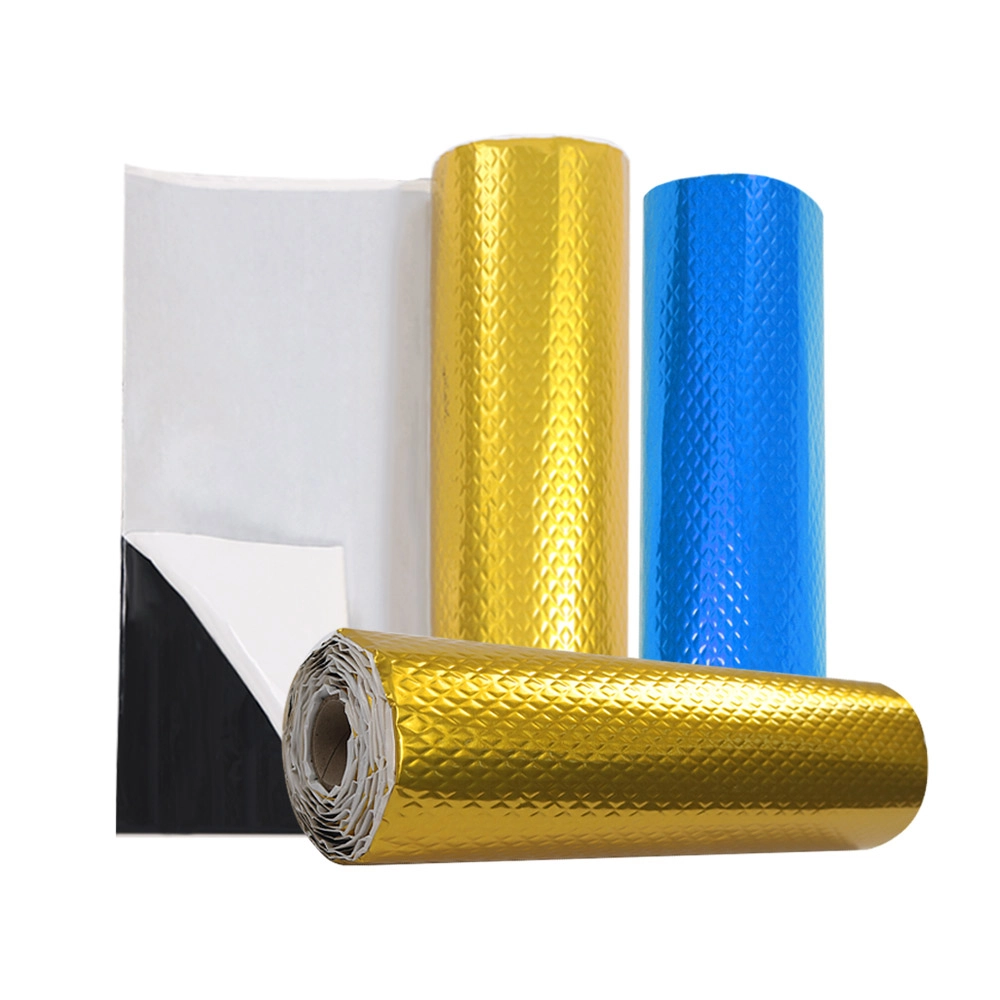
Butyl Rubber Sound Damping Mat
ASLONG Butyl Rubber Sound Damping Mat for sale. Effectively reduces noise and vibrations. High-quality butyl rubber ensures superior performance and durability. Ideal for automotive, industrial, and home applications.
Mass Loaded Vinyl
ASLONG Mass Loaded Vinyl for sale. Reduce noise pollution effectively with our high-quality, mass-loaded vinyl. Ideal for soundproofing walls, floors, and more. Buy now and experience the difference!
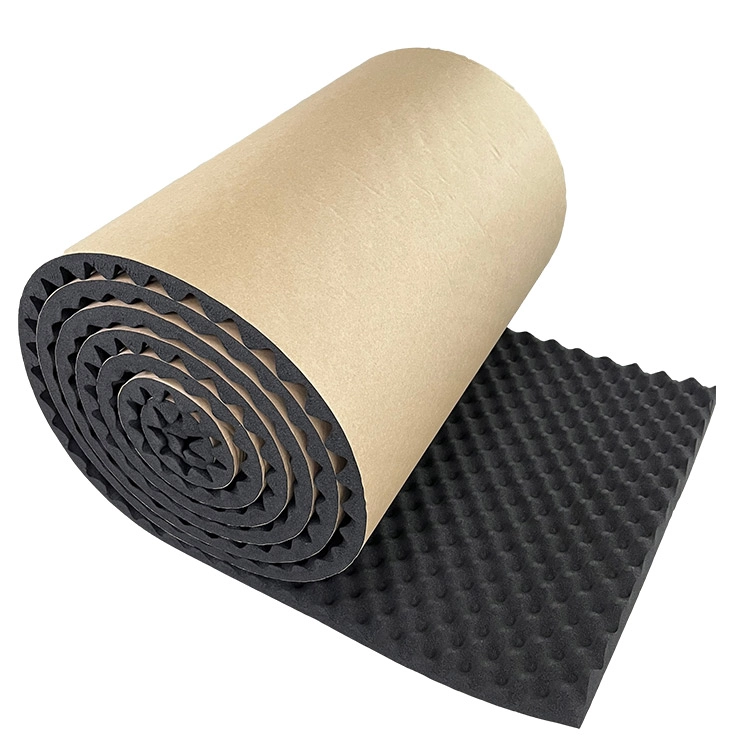
Egg Crate Foam
ASLONG Egg Crate Foam for sale. Lightweight, breathable, and comfortable, our egg crate foam provides superior support and pressure relief. Perfect for mattresses, cushions, cars, construction industry, KTV, factories, etc.
NBR Foam
ASLONG NBR Foam: Wholesale NBR foam solutions for diverse applications. High-quality, durable, and competitively priced. Contact us today for bulk orders.
Professional support at any time
If you have any comments or good suggestions, please leave us a message; later our professional staff will contact you as soon as possible.
© 2026 ASLONG All Rights Reserved. Privacy Policy | Terms and Conditions | Sitemap

 It would be pleasure to receive from you.
Whatsapp: +8613242879341
ASLONG Global
ASLONG
Aslong_global