

Butyl Rubber Sound Damping Mat for Car Noise Reduction

- Understand Which Car Noises a Damping Mat Can Address
- Reduce vibration and panel resonance at the source
- Set realistic expectations for a quieter cabin
- Choose and Install a Butyl Rubber Sound Damping Mat Correctly
- Choose treatment by noise source and installation location
- Prepare the surface and apply with care
- Compare Materials and See Where ASLONG 3-in-1 Fits
- Match the material to the job
- Use ASLONG for combined damping, sound absorption, and insulation
- Frequently Asked Questions
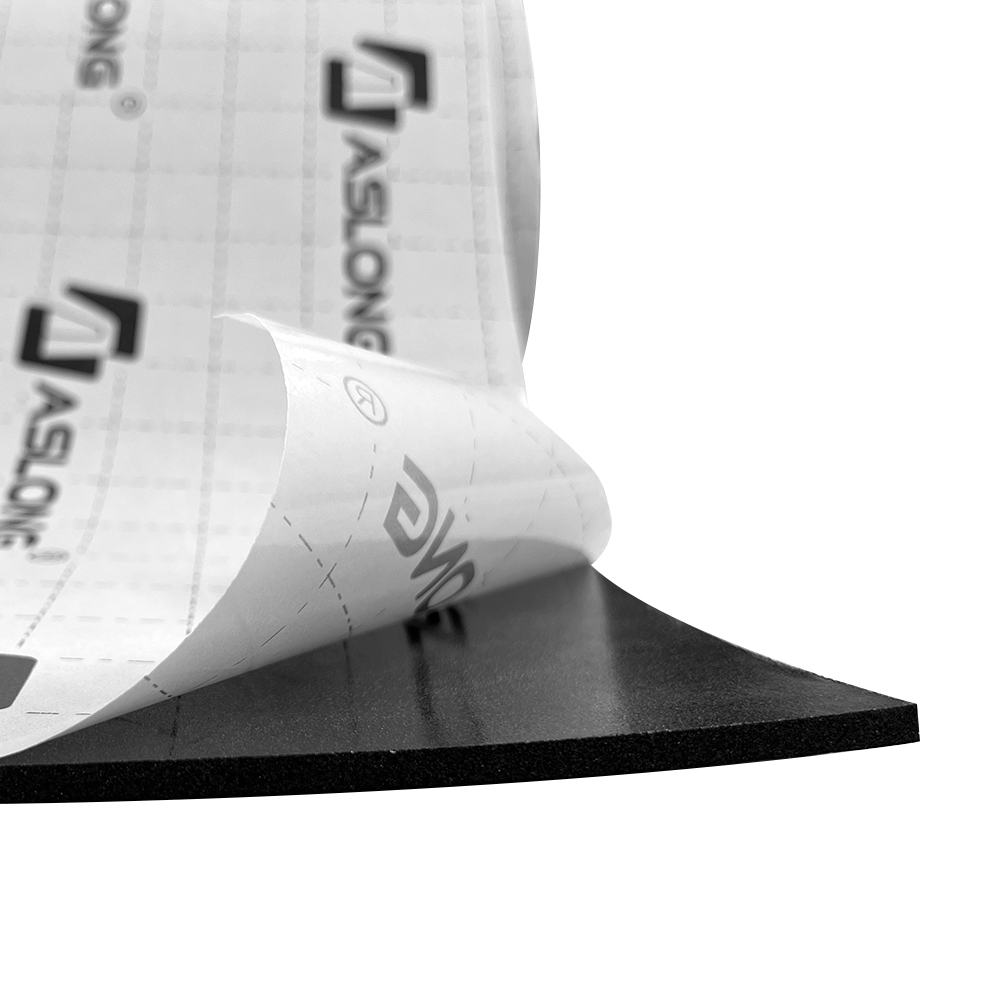
A butyl rubber sound damping mat helps reduce car noise by limiting vibration in body panels that can amplify road, engine, and audio-system sounds. For the best outcome, identify whether the main issue is panel resonance, airborne noise, or heat; apply material to clean, dry metal in targeted areas; and keep drainage, wiring, and safety systems unobstructed. ASLONG 3-in-1 combines a butyl rubber damping layer, reflective aluminum foil, and high-density sound-absorbing foam in a flexible, self-adhesive sheet for cars, camper vans, RVs, boats, and equipment cabinets.
Understand Which Car Noises a Damping Mat Can Address
Reduce vibration and panel resonance at the source
Car noise is not one single problem. A low rumble over rough pavement, a tinny door buzz when music plays, wind noise around a window, and engine noise entering the cabin have different causes. A butyl rubber sound damping mat is most directly useful when a thin metal panel vibrates or resonates. Doors, floors, wheel arches, trunks, and roof panels can behave like large vibrating surfaces; when excited by road impacts, engine movement, or a speaker, they may add unwanted sound to the cabin.
Butyl rubber is viscoelastic: it deforms as the panel moves and dissipates some vibrational energy. That can reduce ringing and rattling, and can make treated panels feel less lively when tapped. The general principle is vibration damping, not total sound blocking; see the overview of damping. A butyl rubber sound damping mat is therefore a targeted treatment for panel vibration, not a guarantee that every sound in the vehicle will disappear.
It is helpful to distinguish this from “soundproofing.” A damping sheet can limit panel vibration, but it does not automatically seal gaps or stop all airborne sound. Tire roar may also travel through the floor and wheel wells, while wind hiss may come from worn seals or poorly aligned trim. Fixing the cause first—such as a loose heat shield, damaged door seal, or unsecured trim clip—often matters more than adding material over the symptom.
Set realistic expectations for a quieter cabin
Think of a butyl rubber sound damping mat as one part of a noise-control plan. It can reduce resonance where applied, while a separate acoustic barrier or properly selected absorber may be needed to address sound traveling through the cabin. The principles of soundproofing include controlling transmission paths, sealing openings, and using appropriate materials; a single thin layer cannot perform all of those jobs equally well.
Noise measurements also depend on the vehicle, speed, road surface, tires, and measurement position. The U.S. National Institute on Deafness and Other Communication Disorders explains that sound exposure is evaluated by both intensity and duration, a useful reminder that perceived comfort and measured sound level are not the same thing: NIDCD information on noise and sound exposure. For a practical upgrade, compare the same route and driving conditions before and after treatment instead of expecting a universal decibel reduction.
Choose and Install a Butyl Rubber Sound Damping Mat Correctly
Choose treatment by noise source and installation location
Before buying a butyl rubber sound damping mat, decide what you want to improve. For a door that buzzes with bass, treatment on the inner metal skin can reduce panel vibration. For road noise, floor and wheel-arch areas may be more relevant, subject to vehicle construction and safe access. For engine or exhaust heat, select a product intended for the location and temperature conditions; do not assume that every adhesive mat is suitable near an exhaust component or other high-heat source.
Material construction affects what a sheet is designed to do. A damping layer primarily controls vibration; a porous foam layer can absorb some sound energy within the cabin-side assembly; and a reflective foil layer can help manage radiant heat when used in a suitable installation. The U.S. Department of Energy describes how insulation works by slowing heat flow through different mechanisms, including conduction, convection, and radiation: DOE guidance on insulation. In practice, foil’s radiant-heat performance depends on the assembly and whether an air space is present, so it should not be treated as a standalone guarantee of temperature reduction.
Check product dimensions, thickness, adhesive backing, and the manufacturer’s installation guidance before ordering. A butyl rubber sound damping mat should be compatible with the intended surface and environment. For doors and enclosed cavities, confirm that the added material will not block drainage holes, window mechanisms, locks, wiring, sensors, or access to service points.
Prepare the surface and apply with care
Good adhesion starts with preparation. Remove trim carefully, inspect the panel, and clean away dust, grease, loose coatings, and moisture. Allow the surface to dry fully. Cut the sheet to fit the chosen section, avoiding holes, moving parts, fasteners that require future access, and sharp edges. Apply it gradually and press it firmly onto the metal so it makes consistent contact; follow the product’s instructions for any required roller or temperature range.
There is no need to cover every square inch automatically. Prioritize larger unsupported sections that visibly flex or sound hollow, while keeping the vehicle’s original drainage and safety features clear. Do not cover airbag deployment zones, seat-belt anchors, high-voltage components, or manufacturer labels that need to remain visible. If a panel is difficult to access or the job involves safety-critical equipment, consult a qualified installer.
After installation, refit trim without forcing clips or trapping wires, then test windows, locks, speakers, and other affected equipment. A butyl rubber sound damping mat should be firmly attached and should not interfere with any moving component. Listen for changes on the same road and at the same speed; if the main noise remains, investigate other paths such as tire condition, door seals, loose interior trim, or underbody components.
Compare Materials and See Where ASLONG 3-in-1 Fits
Match the material to the job
Different materials address different parts of the noise and heat problem. The comparison below is a practical starting point, not a substitute for checking vehicle-specific instructions or product specifications. A butyl rubber sound damping mat is most appropriate when reducing vibration in a panel is the priority; layered products can combine functions, but their performance still depends on correct placement and installation.
| Material or treatment | Primary purpose | Useful locations | Important limitation |
|---|---|---|---|
| Butyl rubber damping sheet | Reduces vibration and panel resonance | Doors, floors, trunks, selected body panels | Does not by itself seal openings or block every airborne sound |
| Sound-absorbing foam | Absorbs some sound within an assembly or cabin area | Suitable trim cavities and interior-facing surfaces | Does not replace vibration damping or a sound barrier |
| Reflective foil layer | Helps manage radiant heat in a suitable assembly | Areas where the product and installation are appropriate | Results depend on placement and assembly; check heat limits |
| Seals and mechanical repairs | Address gaps, rattles, and defective components | Doors, windows, trim, loose shields or fittings | Requires identifying and correcting the actual fault |
Use ASLONG for combined damping, sound absorption, and insulation
The ASLONG 3 in 1 Sound Deadening Thermal Insulation Mat, Butyl Rubber Vibration Damping & Heat Insulation Soundproofing Material for Car, Camper Van, RV is designed for people who want more than a vibration-control layer alone. Its composite construction combines a butyl rubber damping layer, reflective aluminum foil, and high-density sound-absorbing foam. The self-adhesive backing is flexible and can be cut to fit appropriate areas, making it practical for vehicle projects where panel shapes and access vary.
In the intended use, the butyl layer helps suppress metal-panel vibration, the foam is intended to absorb sound, and the foil layer contributes to heat management. This three-function approach can be useful for a car audio upgrade, camper van conversion, or RV project where road noise and heat are both concerns. It is also described for use in boats and equipment cabinets. As with any composite product, select the location based on its specifications and avoid areas exposed to conditions outside the manufacturer’s guidance.
A butyl rubber sound damping mat with multiple layers can simplify material selection, but it should not be confused with a complete vehicle soundproofing system. Treat the panels that contribute most to the problem, preserve service access and drainage, and use dedicated seals or barriers if those are needed. If heat control is the main goal, consider the entire assembly and air gaps rather than relying on foil alone. For a broad overview of heat transfer, conduction, convection, and radiation are distinct processes that may require different control strategies.
For a balanced upgrade, begin with one clearly identified area and assess the result before expanding treatment. For example, if a door panel buzzes with a particular speaker, address that panel and any loose trim first. If the cabin still has tire roar, inspect floor and wheel-arch paths rather than adding more material to the door without a reason. This method helps control cost, keeps weight and access considerations in view, and makes it easier to understand which change actually helped.
Frequently Asked Questions
What does a butyl rubber sound damping mat do in a car?
It helps reduce vibration and resonance in metal body panels, which can limit rattles and some noise associated with vibrating doors, floors, trunks, or other treated areas. It does not block every airborne sound or fix mechanical faults.
Where should I install a butyl rubber sound damping mat?
Common treatment areas include suitable sections of doors, floors, trunks, and wheel arches. Choose locations based on the noise source, follow the product instructions, and keep drainage holes, wiring, moving parts, airbag zones, and service access unobstructed.
Does a damping mat completely soundproof a car?
No. A damping mat targets panel vibration and resonance. Airborne noise, gaps, tire roar, and defective or loose components may require separate treatments or repairs.
How do I prepare a vehicle panel before applying the mat?
Remove trim carefully, clean dust, grease, and loose material from the intended surface, and let it dry fully. Cut the sheet to fit, apply it as directed, and press it into consistent contact without covering drainage, safety, or service features.
What makes ASLONG 3-in-1 different from a single-layer damping sheet?
ASLONG 3-in-1 combines a butyl rubber vibration-damping layer, reflective aluminum foil, and high-density sound-absorbing foam in one self-adhesive, flexible sheet. It is designed to combine vibration damping, sound absorption, and thermal insulation functions, subject to suitable installation and use.
OEM/ODM car vibration reduction material Manufacturers and Suppliers
How Electric Bike Tire Foam Reduces Ride Noise
Top cost-effective automotive sound insulation materials
How to start the electrical tape business ?
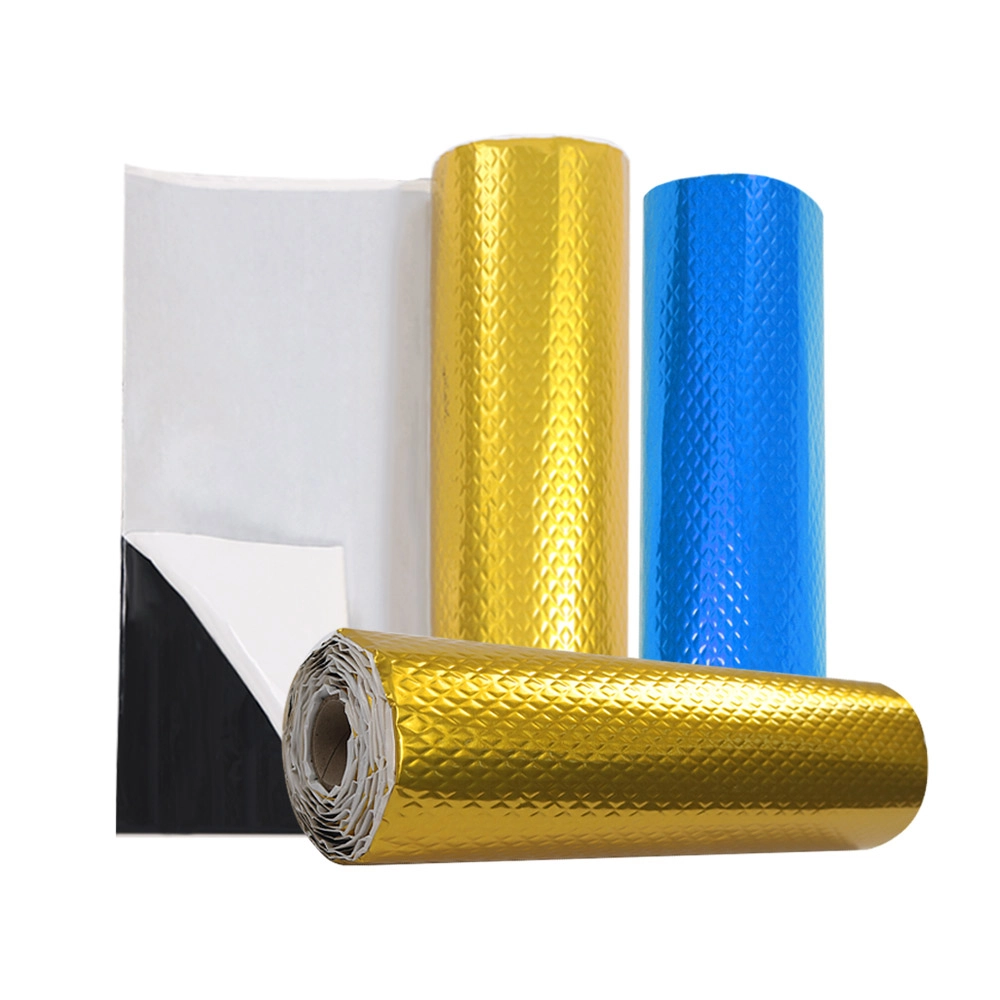
Butyl Rubber Sound Damping Mat
ASLONG Butyl Rubber Sound Damping Mat for sale. Effectively reduces noise and vibrations. High-quality butyl rubber ensures superior performance and durability. Ideal for automotive, industrial, and home applications.
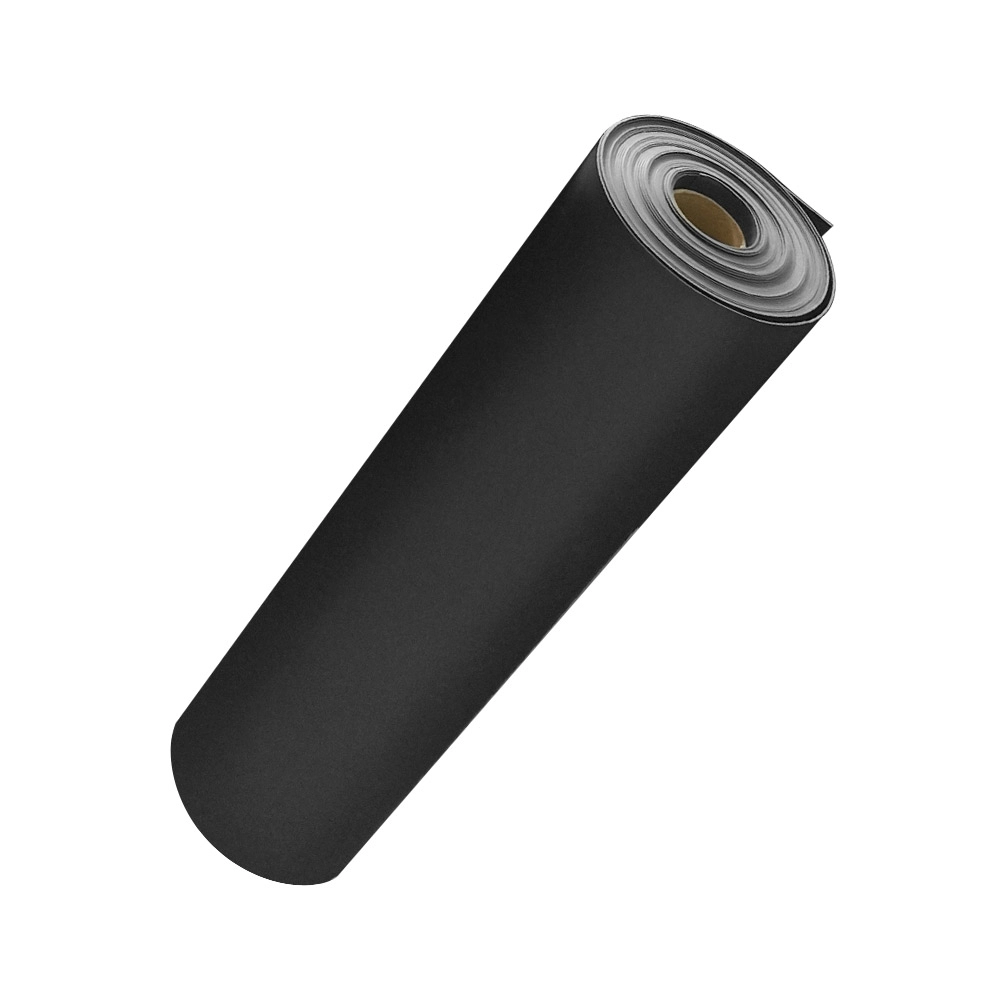
Mass Loaded Vinyl
ASLONG Mass Loaded Vinyl for sale. Reduce noise pollution effectively with our high-quality, mass-loaded vinyl. Ideal for soundproofing walls, floors, and more. Buy now and experience the difference!
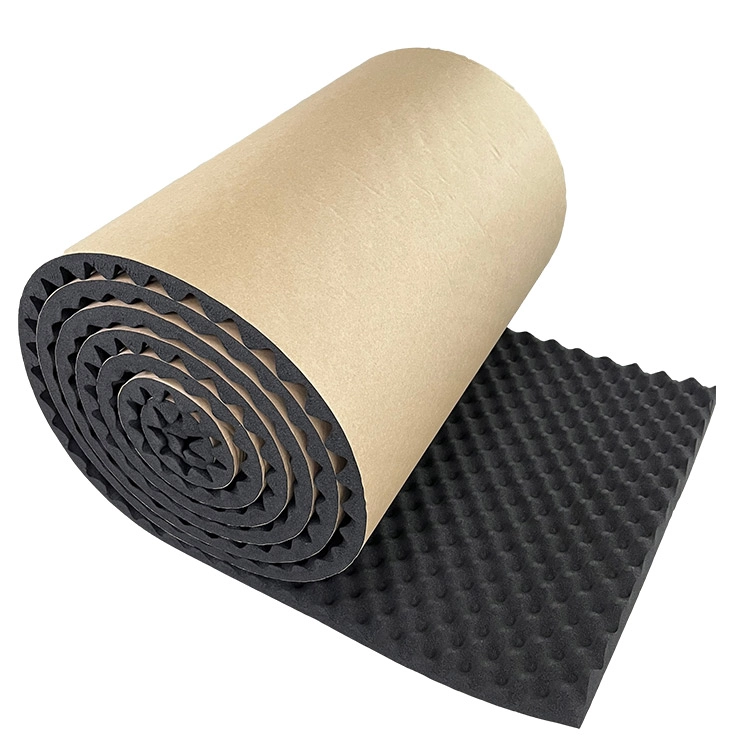
Egg Crate Foam
ASLONG Egg Crate Foam for sale. Lightweight, breathable, and comfortable, our egg crate foam provides superior support and pressure relief. Perfect for mattresses, cushions, cars, construction industry, KTV, factories, etc.
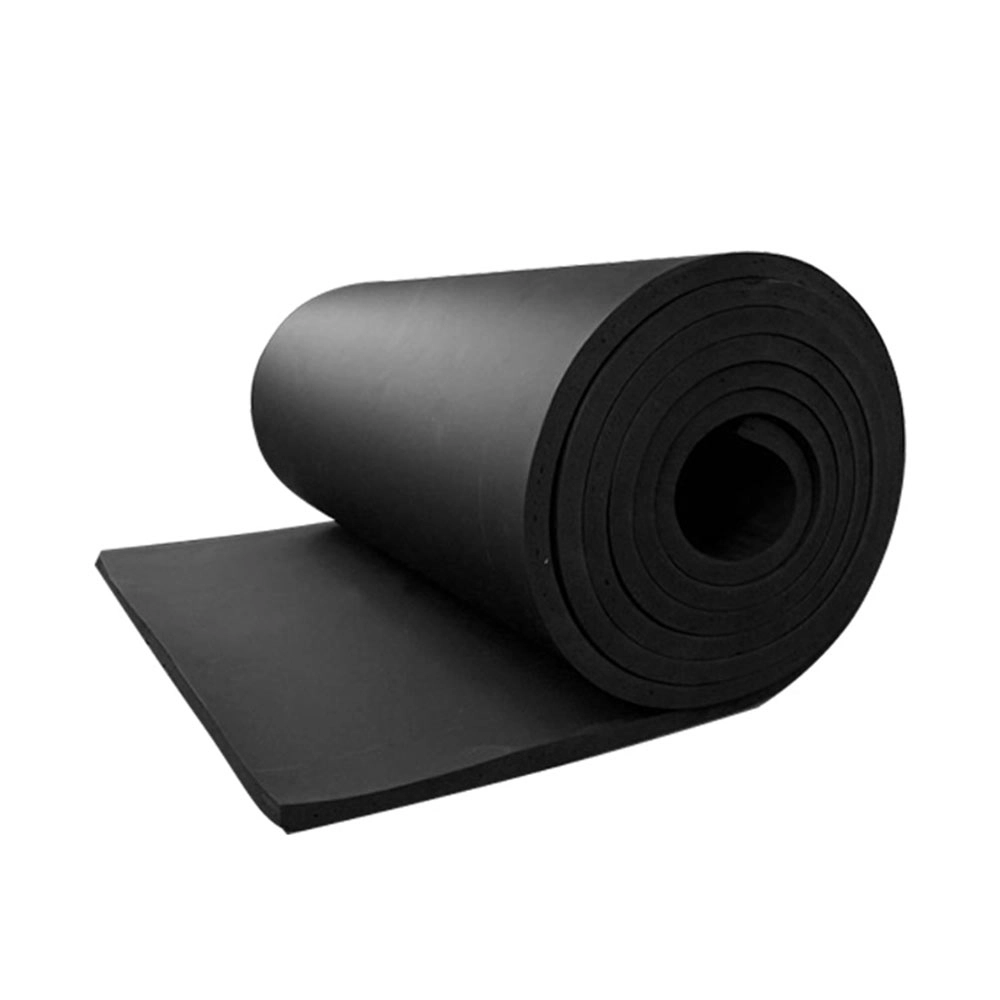
NBR Foam
ASLONG NBR Foam: Wholesale NBR foam solutions for diverse applications. High-quality, durable, and competitively priced. Contact us today for bulk orders.
Professional support at any time
If you have any comments or good suggestions, please leave us a message; later our professional staff will contact you as soon as possible.
© 2026 ASLONG All Rights Reserved. Privacy Policy | Terms and Conditions | Sitemap

 It would be pleasure to receive from you.
Whatsapp: +8613242879341
ASLONG Global
ASLONG
Aslong_global