

Best Automotive Sound Insulation Foam for Road Noise

- How to Choose Automotive Sound Insulation for Road Noise
- Identify the noise before choosing a material
- Match the material to its job
- Compare Common Automotive Noise-Reduction Materials
- What each layer can—and cannot—do
- Where ASLONG insulation cotton fits
- Plan a Safe, Effective Installation
- Prioritize high-impact areas
- Prepare surfaces and check fit before closing panels
- Set Realistic Expectations and Evaluate Results
- Use a layered approach, not a one-product promise
- Compare the same conditions before and after
- Frequently Asked Questions
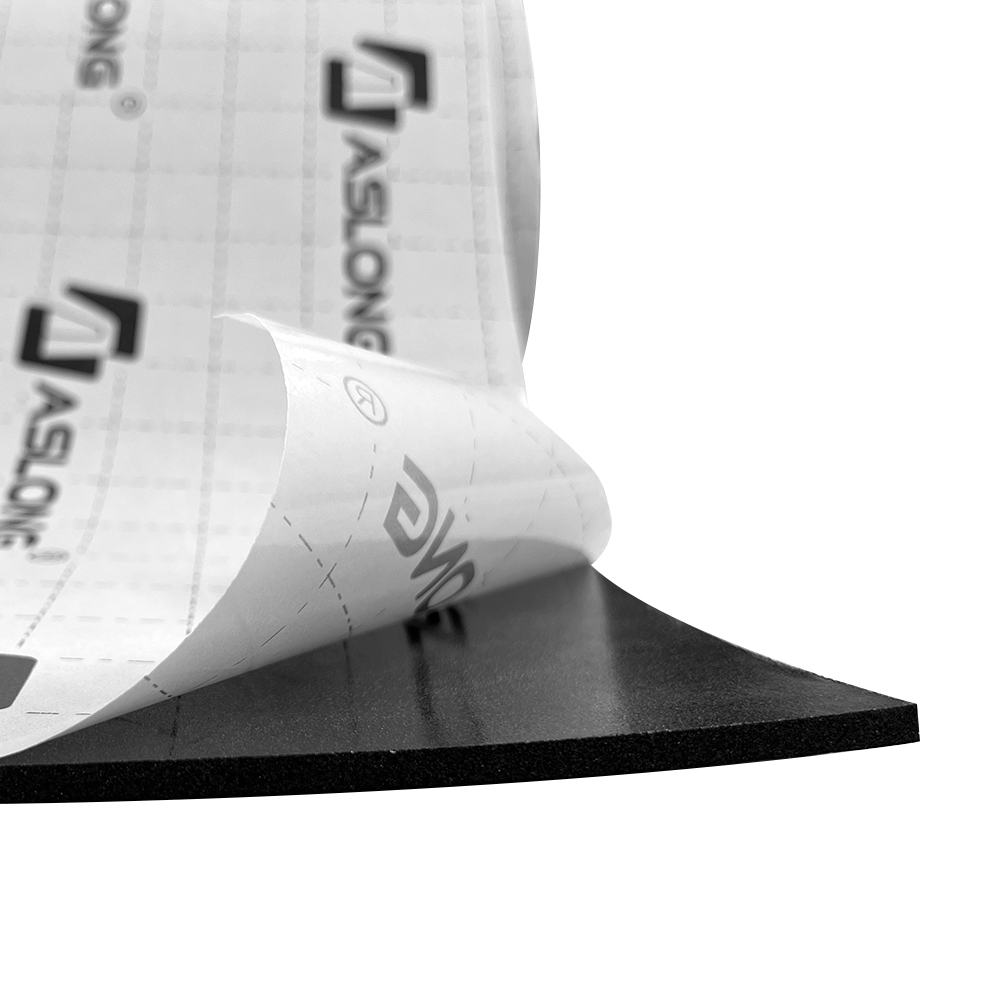
For road noise, the best automotive sound insulation foam is the material suited to the noise path and vehicle location—not simply the thickest product available. Tire and road noise can enter through the floor, wheel wells, doors, and trunk, while vibrating sheet metal can amplify sound inside the cabin. ASLONG Automotive Sound Insulation foam | Acoustic Noise Reduction & Thermal Insulation Material is a lightweight fibrous insulation option designed to help absorb and diffuse sound and add thermal insulation. For a stronger result, combine an absorber with vibration-damping material where appropriate, then install each layer without blocking drains, vents, wiring, or safety equipment.
How to Choose Automotive Sound Insulation for Road Noise
Identify the noise before choosing a material
Start by noticing when the noise occurs and where it seems loudest. A steady rumble that rises with vehicle speed may come from tires, road texture, or wheel areas. A change in sound over rough pavement may point to vibration or loose trim. Wind hiss near a door or window is a different problem and may require attention to seals rather than added insulation. These clues are not a substitute for inspection, but they help you avoid putting material in the wrong place.
Road noise is usually a combination of airborne sound and vibration transmitted through the vehicle structure. A thin metal panel can vibrate and radiate sound into the cabin; sound can also pass through openings and travel through cavities. That is why a single layer of automotive sound insulation foam may help with some sound energy but cannot correct every cause. Check tires, wheel bearings, suspension components, door seals, and loose interior trim when noise is unusually loud or has changed suddenly. Insulation should not be used to mask a mechanical fault.
Match the material to its job
Materials sold for automotive soundproofing serve different purposes. A butyl sound-deadening mat is commonly used on suitable sheet-metal panels to reduce vibration. Fibrous cotton or acoustic foam can help absorb and diffuse sound within available cavities or behind trim. A foil-faced layer may be used as part of a heat-management arrangement, depending on its construction and installation requirements. The distinction matters: a sound absorber is not automatically a vibration damper, and a thermal layer does not necessarily block every type of noise.
Acoustic performance depends on more than a product label. Consider the material’s intended use, available space, attachment method, moisture exposure, and compatibility with the vehicle surface. Before selecting a layer for an area exposed to engine or exhaust heat, confirm its temperature suitability with the supplier and vehicle guidance. Do not assume that all foam or fibrous insulation is safe for every automotive location.
Compare Common Automotive Noise-Reduction Materials
What each layer can—and cannot—do
A practical sound-insulation plan uses each material for a specific function. The table below is a general comparison, not a guarantee of measured noise reduction. Results vary with vehicle design, installation quality, the amount of coverage, and the noise source.
| Material | Primary role | Common locations | Key consideration |
|---|---|---|---|
| Butyl sound-deadening mat | Reduces vibration of covered panels | Selected door skins, floor panels, trunk panels | Use on clean, suitable surfaces; it is not a replacement for an absorber |
| Fibrous automotive insulation cotton | Absorbs and diffuses sound energy; adds thermal insulation | Behind trim, selected floor or cabin areas, compatible cavities | Allow for fit, moisture conditions, and required clearances |
| Acoustic foam | Absorbs some sound energy in appropriate configurations | Protected interior locations with adequate space | Check heat, fire, moisture, and automotive-use suitability |
| Foil-faced insulation | Can contribute to thermal management as part of a system | Suitable heat-exposed areas, subject to product guidance | Installation and air-gap requirements vary by product |
| Door seals and trim repairs | Address air leaks, rattles, or fit-related noise paths | Doors, windows, panels, and trim interfaces | Inspect and repair the underlying fit or wear issue |
Where ASLONG insulation cotton fits
ASLONG Automotive Sound Insulation Cotton is a lightweight acoustic and thermal insulation material designed to help reduce unwanted road noise, vibration-related noise, and heat transfer inside vehicles. Its fibrous structure helps absorb and diffuse sound energy, which can support a quieter, more comfortable interior when installed in a suitable location. It can also provide an additional layer of thermal insulation in areas exposed to engine heat, road heat, or temperature fluctuations, subject to the product’s installation guidance and the vehicle’s clearances.
The ASLONG material is not a substitute for a butyl damping layer where a panel is resonating, nor should it be treated as a universal barrier that stops all sound. Its value is as an absorber and thermal layer within a carefully planned assembly. For instance, a project may use a damping mat on an appropriate vibrating panel, followed by a compatible absorber behind the cabin trim. Aluminum foil or acoustic foam may be considered where their properties and the installation conditions suit the application. Avoid compressing an absorber into a space if doing so prevents trim from fitting correctly or affects its intended function.
Plan a Safe, Effective Installation
Prioritize high-impact areas
For many road-noise projects, begin with the floor, trunk, and wheel-area surfaces that are accessible and suitable for treatment. Doors can also be important, but their internal cavities have moving window mechanisms, wiring, drainage openings, and water-management paths. A material that blocks a drain or interferes with a window regulator can create problems that outweigh any acoustic benefit. Follow the vehicle service information when removing trim or working near electrical connections and restraint systems.
Work in manageable sections rather than covering every surface indiscriminately. More coverage is not always better: added layers increase weight, can make trim difficult to refit, and may trap moisture if the assembly is unsuitable. Keep material clear of seat tracks, pedals, vents, fasteners, airbags, sensors, and access points. Never install insulation over an airbag deployment path or in a way that changes the operation of safety equipment.
Prepare surfaces and check fit before closing panels
Before applying any adhesive-backed layer, remove dirt and loose residue and make sure the surface is dry and appropriate for the chosen product. Test-fit insulation before reinstalling trim. Keep the edges neat, avoid covering service openings, and check that clips, wiring, and fasteners return to their original positions. In doors, preserve factory drainage and water deflection arrangements. If a product’s instructions specify a particular orientation, adhesive, temperature range, or air gap, follow those instructions rather than improvising.
Use suitable personal protection when cutting or handling fibrous materials, and avoid inhaling dust. Do not place an unknown material against hot exhaust components or other high-temperature surfaces. If you are unsure about heat exposure, flammability, or compatibility with interior materials, ask the supplier or a qualified automotive installer before proceeding. The appropriate product documentation is more useful than assumptions based on appearance or generic descriptions.
Set Realistic Expectations and Evaluate Results
Use a layered approach, not a one-product promise
A layered system works by addressing different parts of the noise problem. Damping material can limit panel vibration; an absorber can reduce sound energy within a suitable cavity; and a thermal layer can help reduce heat transfer. Seals and trim repairs address leaks or rattles that insulation alone may not fix. ASLONG Automotive Sound Insulation foam | Acoustic Noise Reduction & Thermal Insulation Material can serve as the fibrous absorbing and thermal component in this kind of system, while compatible butyl mats, aluminum foil, or acoustic foam may be used where their particular roles are appropriate.
Do not expect a guaranteed decibel reduction without controlled testing. Perceived improvement varies with tire type, pavement, vehicle structure, cabin condition, and the amount and placement of material. General sound-control principles are described in resources such as the WHO Europe noise fact sheet and the NIOSH overview of noise; these explain why exposure and sound conditions matter, but they do not certify a particular automotive product or promise a specific cabin result. For vehicle-noise terminology and standardization context, consult the ISO classification for noise emitted by means of transport.
Compare the same conditions before and after
To judge a project fairly, make a baseline note before installation. Use the same route, approximate speed, tire pressure, windows, ventilation settings, and audio settings when comparing afterward. Listen for changes in the specific noise you targeted, and check that no new rattles or odors have appeared. If you need numerical measurements, use a consistent measuring method and understand that a phone app is not necessarily a calibrated sound-level instrument.
Recheck treated areas after the first few drives. Confirm that trim remains secure and that doors, windows, seats, and service components operate normally. If the cabin is still loud, revisit the diagnosis instead of adding material blindly. A worn tire, damaged seal, loose underbody component, or mechanical issue may be the real source. A methodical installation of the right insulation material is more likely to deliver a useful improvement than indiscriminate coverage.
Frequently Asked Questions
What is the best automotive sound insulation foam for road noise?
The best choice depends on the noise source and vehicle location. Fibrous insulation can absorb and diffuse sound, while butyl mats are commonly used to reduce panel vibration. A layered system may be more effective than relying on one material, provided each layer is suitable for its location.
Does automotive sound insulation cotton stop all road noise?
No. Fibrous cotton can help absorb and diffuse sound energy and add thermal insulation, but it does not correct every noise path or replace vibration damping, seal repairs, or mechanical inspection.
Where should I install automotive sound insulation for road noise?
Common areas to assess include the floor, trunk, wheel areas, and suitable locations behind door trim. Preserve door drains, wiring, moving mechanisms, vents, seat tracks, airbags, and other safety or service components.
Can ASLONG Automotive Sound Insulation Cotton be combined with other materials?
Yes. It can be used with other insulation materials such as butyl sound-deadening mats, aluminum foil, and acoustic foam to create a multi-layer noise and heat insulation system. Choose compatible products and follow their installation guidance.
Will adding insulation guarantee a specific noise reduction?
No specific reduction can be guaranteed without controlled testing. Results depend on the vehicle, noise source, material placement, coverage, and installation quality.
Best materials for automotive engine bay sound insulation
How Anti-Puncture Sealant Improves Tire Noise and Vibration
What is Sound Absorbing Cotton
What are the different types of acoustic proof material?
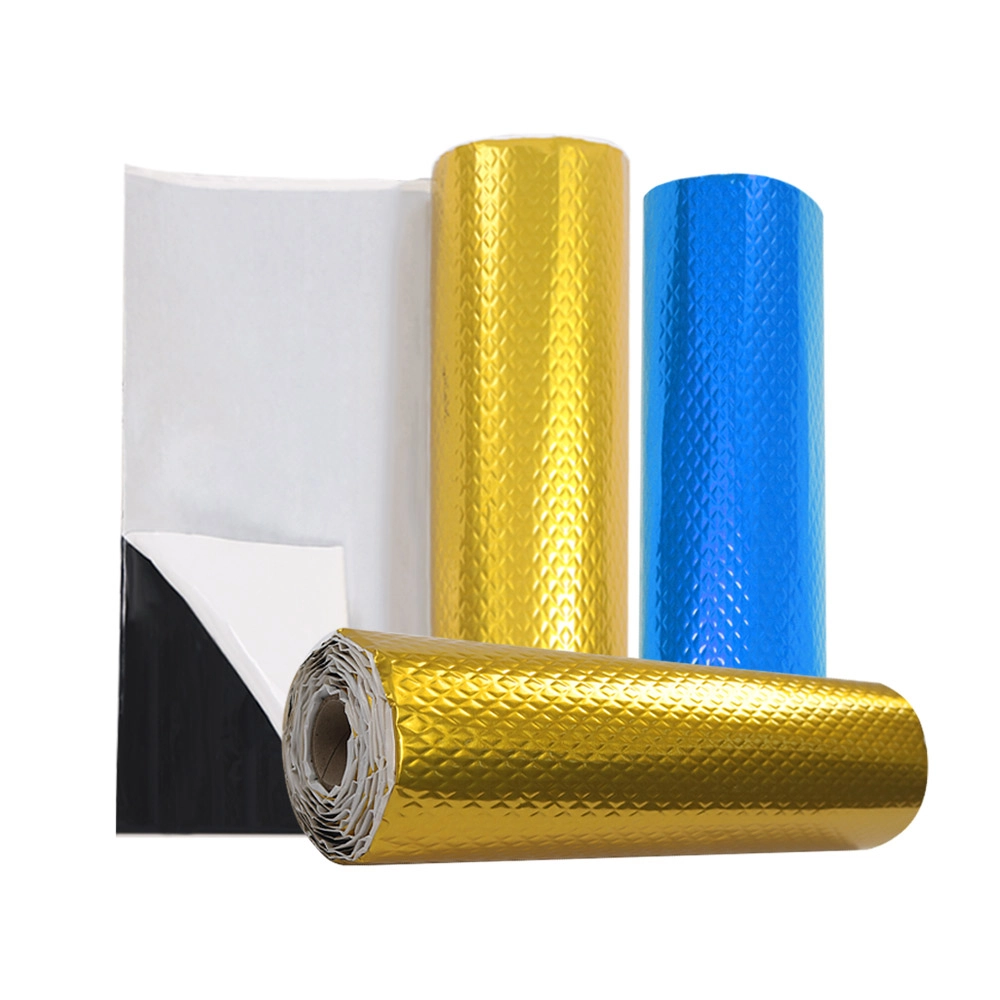
Butyl Rubber Sound Damping Mat
ASLONG Butyl Rubber Sound Damping Mat for sale. Effectively reduces noise and vibrations. High-quality butyl rubber ensures superior performance and durability. Ideal for automotive, industrial, and home applications.
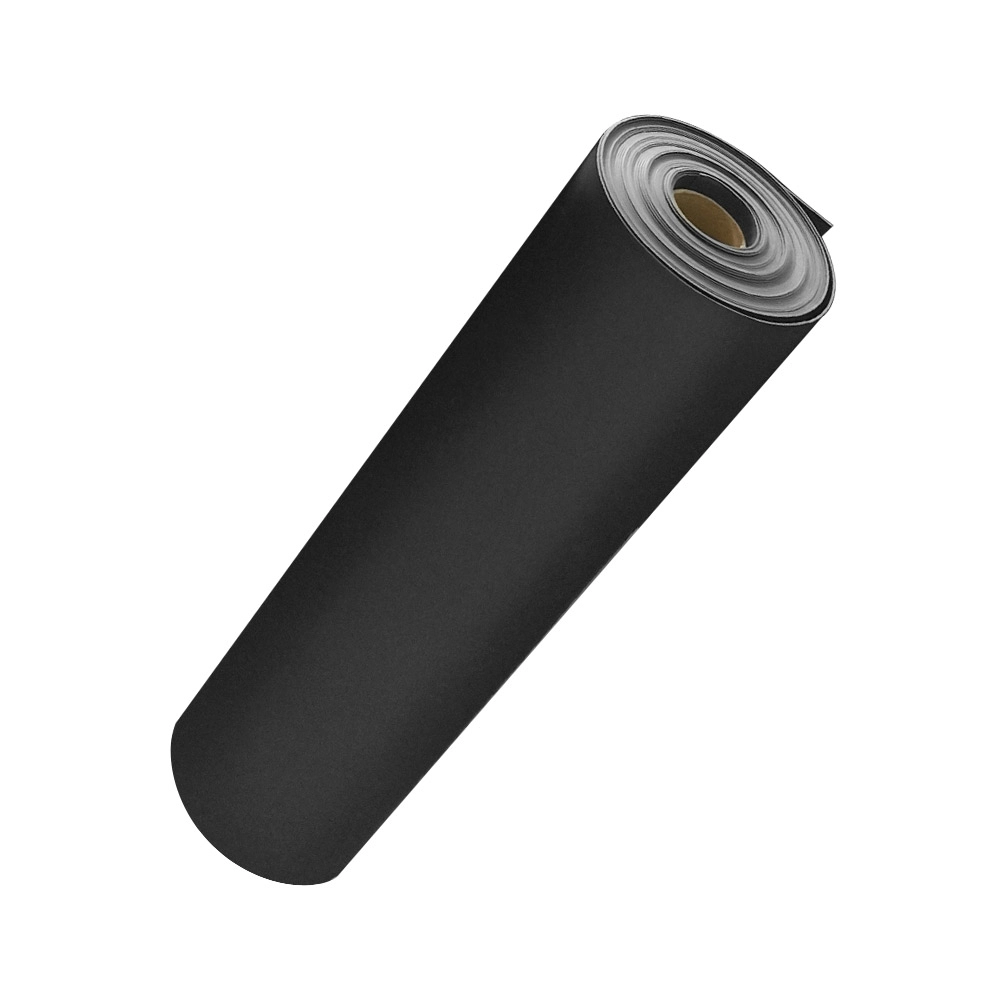
Mass Loaded Vinyl
ASLONG Mass Loaded Vinyl for sale. Reduce noise pollution effectively with our high-quality, mass-loaded vinyl. Ideal for soundproofing walls, floors, and more. Buy now and experience the difference!
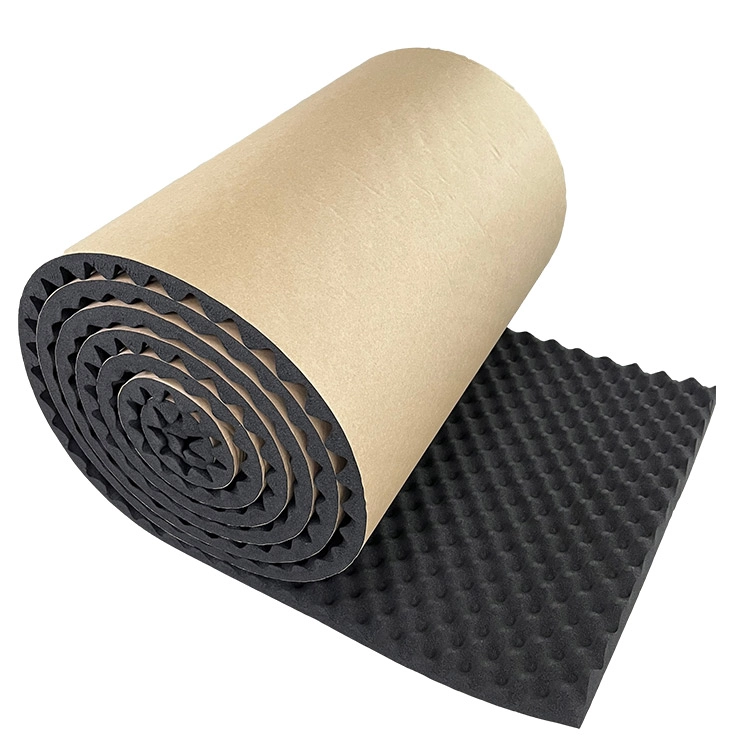
Egg Crate Foam
ASLONG Egg Crate Foam for sale. Lightweight, breathable, and comfortable, our egg crate foam provides superior support and pressure relief. Perfect for mattresses, cushions, cars, construction industry, KTV, factories, etc.
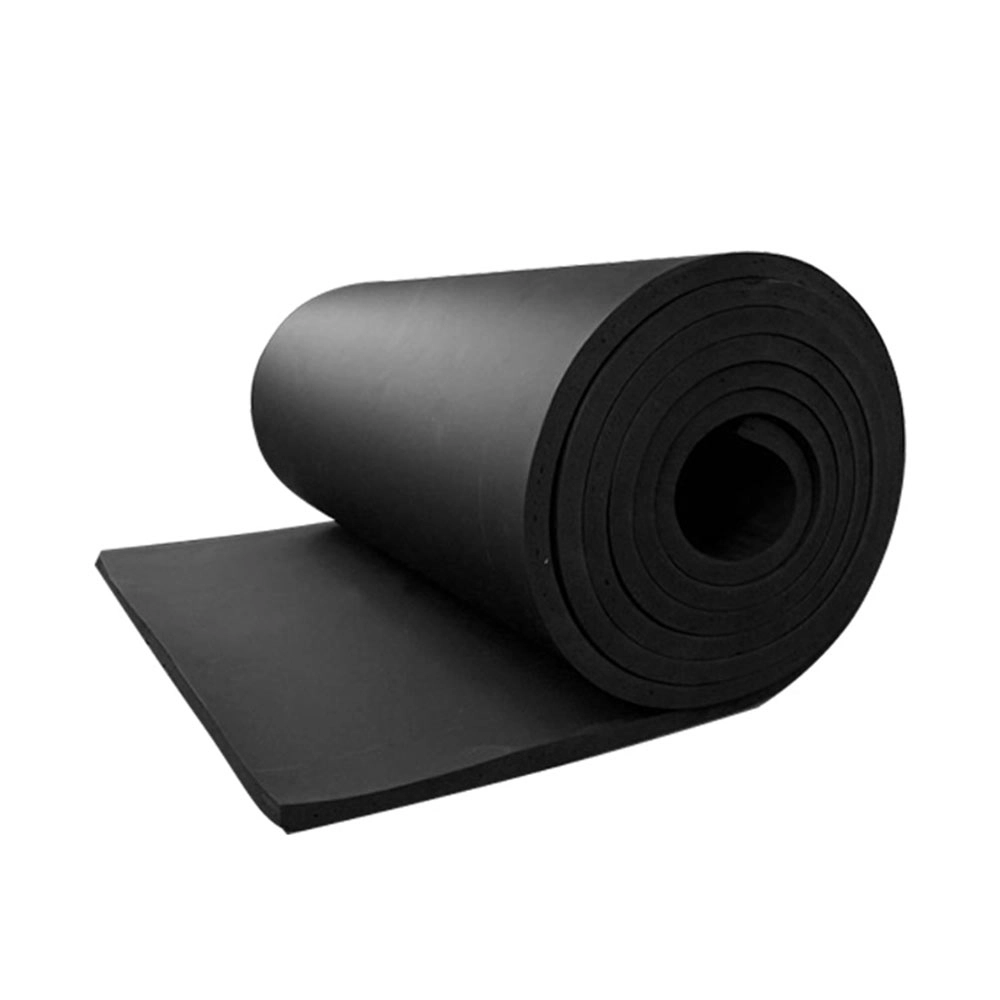
NBR Foam
ASLONG NBR Foam: Wholesale NBR foam solutions for diverse applications. High-quality, durable, and competitively priced. Contact us today for bulk orders.
Professional support at any time
If you have any comments or good suggestions, please leave us a message; later our professional staff will contact you as soon as possible.
© 2026 ASLONG All Rights Reserved. Privacy Policy | Terms and Conditions | Sitemap

 It would be pleasure to receive from you.
Whatsapp: +8613242879341
ASLONG Global
ASLONG
Aslong_global