

Automotive Soundproofing with High Density NBR Foam

- Material performance and acoustic mechanisms for dense nitrile cellular elastomers
- How dense nitrile cellular materials reduce noise and vibration
- Thermal stability, oil resistance and operating environment limits
- Fire, smoke and toxicity considerations for cabin and under-hood use
- Design integration and installation strategies for NVH engineering
- Selecting the right density and thickness for application zones
- Bonding methods, adhesives and mechanical attachment
- Serviceability, repairability and recyclability planning
- Testing, standards and performance verification
- Key acoustic and mechanical tests for specification
- Durability and aging assessment
- Regulatory references and global compliance checkpoints
- Procurement strategy, cost drivers and supplier qualification
- Total cost of ownership and lifecycle cost drivers
- Supplier audits, capacity planning and quality control
- Comparative performance: elastomeric foam vs. conventional barriers
- Frequently Asked Questions
Advanced procurement and design teams evaluating dense nitrile-based cellular elastomers for vehicle acoustic programs require clear, data-driven guidance: this briefing outlines acoustic mechanisms (absorption, damping, barrier), material selection criteria across NVH zones (engine compartment, underbody, doors, trunk, HVAC ducts), installation and bonding methods, relevant compliance and testing references, and a comparative analysis versus mass-loaded and bitumen-based solutions — concluding with a supplier capability profile to support global sourcing and volume deployment.
Material performance and acoustic mechanisms for dense nitrile cellular elastomers
How dense nitrile cellular materials reduce noise and vibration
Dense nitrile cellular elastomers combine viscoelastic damping with closed/partly closed-cell structure to reduce structure-borne vibration and attenuate airborne noise. The viscoelastic matrix converts vibrational energy to heat (damping), while the cellular network adds mass and impedance mismatch, improving mid-to-high frequency absorption when used as an overlay or insert. This dual-action makes these elastomeric foams well-suited to areas where both vibration control and cavity absorption are required.
Thermal stability, oil resistance and operating environment limits
Nitrile-based foam products exhibit superior hydrocarbon resistance compared with many other elastomers, maintaining mechanical properties in oily or fuel-contaminated environments common in engine bays and transmission tunnels. Typical formulations tolerate continuous temperatures from approximately -40°C to +120°C, with special high-temperature grades available for higher localized heat loads; verification against project-specific thermal cycles and chemical exposure is essential during qualification.
Fire, smoke and toxicity considerations for cabin and under-hood use
Vehicle interior and under-dash applications require materials compliant with automotive flammability and smoke standards. Buyers should verify conformity with regional and international regulations such as FMVSS (NHTSA) and align testing to ISO/IEC and OEM-specific criteria. Material certification for low smoke and low toxicity is essential for passenger compartments; flame-retarded formulations or surface treatments may be required depending on the application.
Design integration and installation strategies for NVH engineering
Selecting the right density and thickness for application zones
Selection should follow a functional mapping by zone: lightweight, open-cell variants are useful for interior trim absorption; medium-density closed-cell types offer a balance for door panels and seat bulkhead inserts; higher-mass nitrile foams are appropriate for underbody and firewall dampening where added mass and resistance to oils are needed. Prototype testing across typical excitation profiles (engine orders, road-induced spectrum) enables objective selection of optimal mass-per-area and thickness combinations.
Bonding methods, adhesives and mechanical attachment
Successful long-term adhesion requires process control: selection between pressure-sensitive adhesives, heat-activated adhesives or mechanical fasteners depends on substrate (steel, galvanized panels, painted surfaces, plastics). Surface preparation (cleaning, primer) and validated cure cycles reduce delamination risk. For high-volume production, pre-applied adhesive liners and automated-placement tooling reduce cycle time and ensure repeatable bond quality.
Serviceability, repairability and recyclability planning
Design for serviceability reduces total cost of ownership: removable acoustic inserts on service panels facilitate repair access, while modular adhesive systems simplify replacement. Material choice should balance performance with end-of-life considerations; nitrile elastomers can be trimmed and managed under existing automotive recycling streams when documented in parts catalogs and disassembly protocols.
Testing, standards and performance verification
Key acoustic and mechanical tests for specification
Specification testing should include airborne sound transmission loss, surface density measurement, dynamic mechanical analysis (DMA) for viscoelastic properties across temperature and frequency, and flammability/smoke testing per relevant standards. References for baseline methodologies include sound insulation test methods and industry-specific protocols from SAE and OEM test labs.
Durability and aging assessment
Accelerated aging via thermal cycling, humidity exposure, and chemical soak tests (fuel, oil, road salts) predicts in-service performance. Mechanical fatigue under flex and compression simulates long-term cyclic loading typical of chassis and door applications; contract test sequences should be agreed in advance and included in supplier contracts.
Regulatory references and global compliance checkpoints
Global programs must track international regulatory frameworks for flammability and material content. Useful organizational references include procedural and standardization guidance from ISO standards, and technical societies such as SAE International that publish automotive NVH test procedures and vocabulary used by OEMs.
Procurement strategy, cost drivers and supplier qualification
Total cost of ownership and lifecycle cost drivers
Evaluation should incorporate material unit cost, installed part cycle time, scrap rates, warranty exposure from delamination or premature degradation, and service savings due to noise/wear reductions. Dense nitrile elastomeric solutions may carry higher raw-material cost than simple fibrous absorbers, but deliver value through combined damping and barrier functions, potentially reducing part count and assembly steps.
Supplier audits, capacity planning and quality control
Buyers should require process capability metrics (Cp/Cpk for adhesive application, thickness tolerances), ISO 9001 / IATF 16949 alignment when applicable, and documented incoming material controls. Site visits should validate production area cleanliness, curing ovens, automated cutting/laminating equipment and sample traceability for series production. Volume ramp plans must include contingency for raw-material fluctuations.
Comparative performance: elastomeric foam vs. conventional barriers
The table below contrasts common acoustic solutions used in automotive NVH schemes to help specification teams determine where dense nitrile cellular products provide the greatest program benefit.
| Attribute | Butyl rubber damping mat | Mass-loaded vinyl (MLV) | Dense nitrile cellular elastomer | Fibrous absorbers (polyester/Glass Wool) |
|---|---|---|---|---|
| Primary acoustic function | Vibration damping (constrained layer) | Sound barrier (mass) | Combined damping + absorption + barrier (multi-function) | Airborne sound absorption |
| Resistance to oils/chemicals | Moderate | Low | High (nitrile chemistry) | Low |
| Typical installation locations | Floor, trunk, under carpet | Firewall, roof, bulkheads | Engine bay, door cavities, HVAC ducts, underbody | Headliner, seat back, interior cavities |
| Ease of shaping & lamination | Good (cut-to-fit) | Poor (heavy, needs support) | Excellent (cut, die-cut, bonded, molded) | Good (compressible) |
| Typical OEM concerns | Weight, adhesive migration at high T | Bulk, attachment complexity | Cost vs multifunction, process control for bonding | Moisture retention, abrasion |
Suppliers should support comparative acoustic testing per application to quantify total NVH benefits in vehicle-representative conditions rather than relying on single-number lab metrics.
ASLONG (Welllink Guangdong New Material Co., Ltd.) has been operational since 2000 as a high-tech enterprise focused on research, production and sales of acoustic and shock-absorbing materials. The company maintains a modern production base exceeding 10,000 square meters and delivers environmentally-friendly, high-performance solutions to global OEMs, tier suppliers and aftermarket programs.
Our product portfolio includes adhesive-constrained damping sheets, mass barriers, and nitrile-based cellular products engineered for automotive applications: Butyl Rubber Sound Damping Mat; Mass Loaded Vinyl for targeted barrier needs; nitrile cellular elastomer (commercially supplied as NBR foam variants) for combined damping and absorption; Sound Absorbing White Cotton for interior acoustic tuning; Tire Silent Foam for wheelhouse noise control; Butyl waterproof tape for seam sealing; and Electric Auxiliary Materials for e-vehicle NVH points.
From prototyping through mass production, our engineering team supports material selection, sample validation and production integration with documentation for thermal, chemical and flammability testing. Global distribution has been established across Europe, North America, Asia and Africa; ASLONG is recruiting agents worldwide to expand service coverage and shorten supply chains for large vehicle programs. Technical inquiries and volume quotations can be started through our website or direct email channels.
Recommended next steps for procurement teams: specify performance objectives (frequency bands and acceptable SPL reductions), request application-specific sample kits, define qualification test plans (including DMA and environmental aging), and request a supplier capability package with process metrics, lead times and MOQ tiers to align with program ramp schedules.
Authoritative references for further technical alignment include material chemistry background at Nitrile rubber - Wikipedia, general acoustic test methodology at Sound insulation - Wikipedia, and standardization organizations such as ISO and SAE International for procedural guidance.
For procurement teams evaluating suppliers, require documented testing traceability, batch-based property certificates, and pilot run samples before committing to full-series contracts; this reduces warranty risk and ensures NVH targets are met in production vehicles.
Contact ASLONG for product datasheets, CAD-ready blanking patterns, adhesive options, and volume pricing to support program timelines.
Frequently Asked Questions
What applications in a vehicle are best suited for dense nitrile elastomeric foam?
Dense nitrile elastomeric foam performs best where combined vibration damping, oil resistance and cavity absorption are required — common locations include engine compartments, door cavities, HVAC ducts, wheelhouses, and firewall or transmission tunnels where exposure to fuels or lubricants is likely.
How should procurement teams specify density and thickness for NVH targets?
Procurement teams should map NVH objectives by zone and specify prototypes for medium- and high-density grades with incremental thickness trials; objective verification through vehicle-representative acoustic testing (e.g., on-vehicle transfer path analysis) is recommended to finalize mass-per-area and thickness choices.
Which tests and standards are essential to qualify nitrile-based acoustic components?
Essential qualification includes dynamic mechanical analysis across operating temperatures, airborne transmission or insertion loss tests, flammability and smoke testing per regional vehicle regulations (refer to FMVSS and OEM criteria), and accelerated aging (thermal cycling, chemical exposure) to assess long-term durability.
What bonding methods ensure durable adhesion in high-volume automotive assembly?
Durable adhesion is achieved with process-controlled solutions: pressure-sensitive adhesives for low-temperature assembly, heat-activated adhesives for permanent bonds, and mechanical attachment where access requires removability. Surface pretreatment, primer application and controlled cure cycles must be validated in supplier process audits.
How does a dense nitrile foam solution compare to mass-loaded vinyl or butyl damping mats?
Dense nitrile foam provides multifunctional performance — combining damping, absorption and moisture/oil resistance — whereas mass-loaded vinyl primarily offers barrier mass and butyl mats excel at constrained-layer damping. Selection should be driven by the combination of acoustic function, environmental exposure and assembly constraints for the specific vehicle program.
What supplier capabilities should buyers require before awarding series contracts?
Buyers should require ISO-aligned quality systems (ISO 9001 / IATF where applicable), documented process capability (Cp/Cpk for critical operations), sample traceability, bench and vehicle test data, production capacity and ramp plans, and transparent lead times with raw-material contingency strategies.
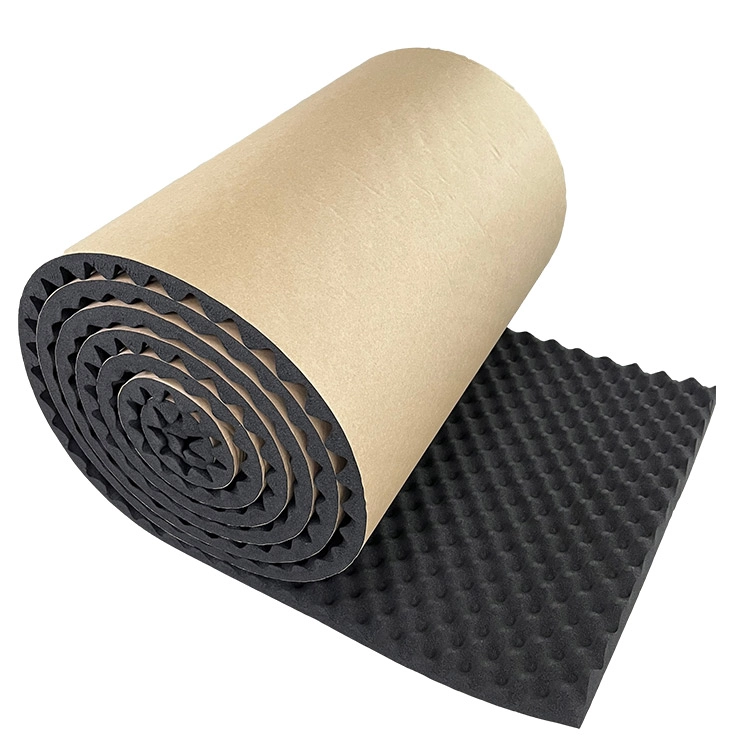
Egg Crate Foam vs. NBR Foam: A Buyer’s Sourcing Guide
Where to Buy car sound deadener in USA
Vibration Damping Materials for Vehicle Noise Control 2026
ASLONG Best professional car sound deadening material manufacturers and supplier brands
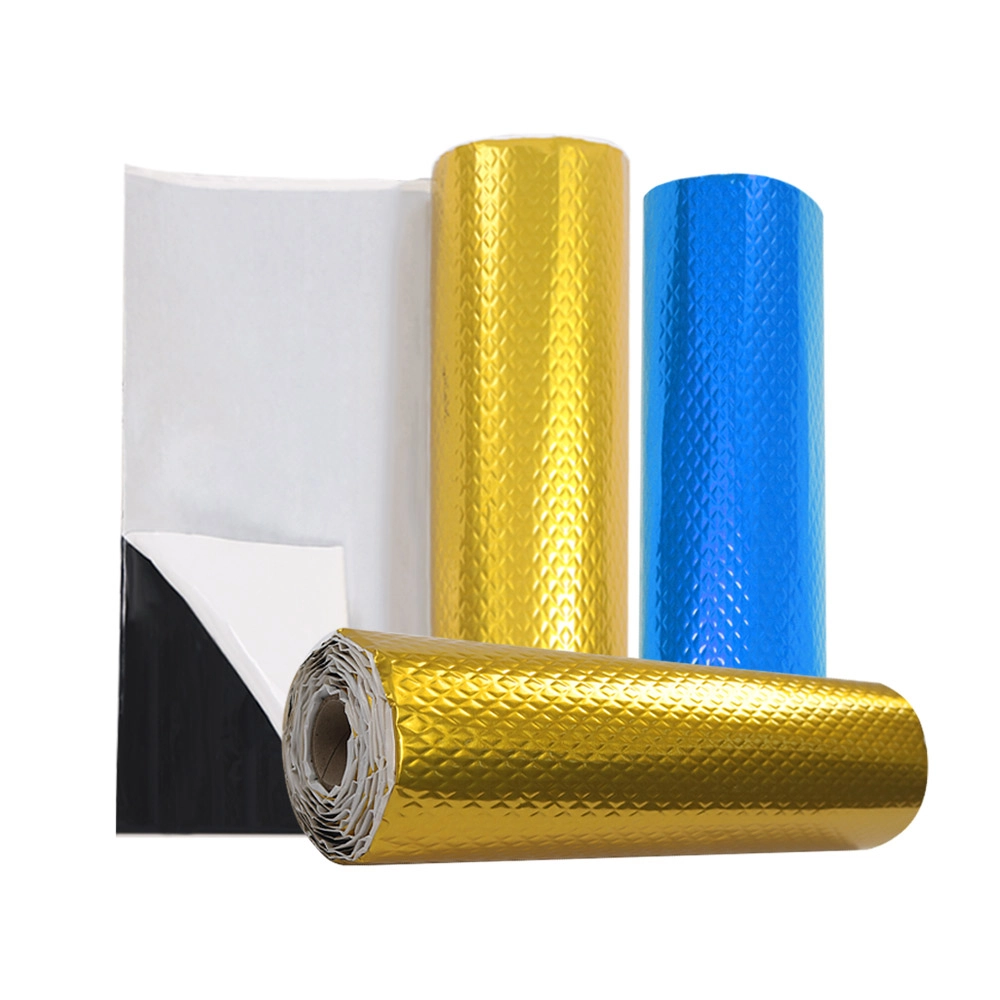
Butyl Rubber Sound Damping Mat
ASLONG Butyl Rubber Sound Damping Mat for sale. Effectively reduces noise and vibrations. High-quality butyl rubber ensures superior performance and durability. Ideal for automotive, industrial, and home applications.
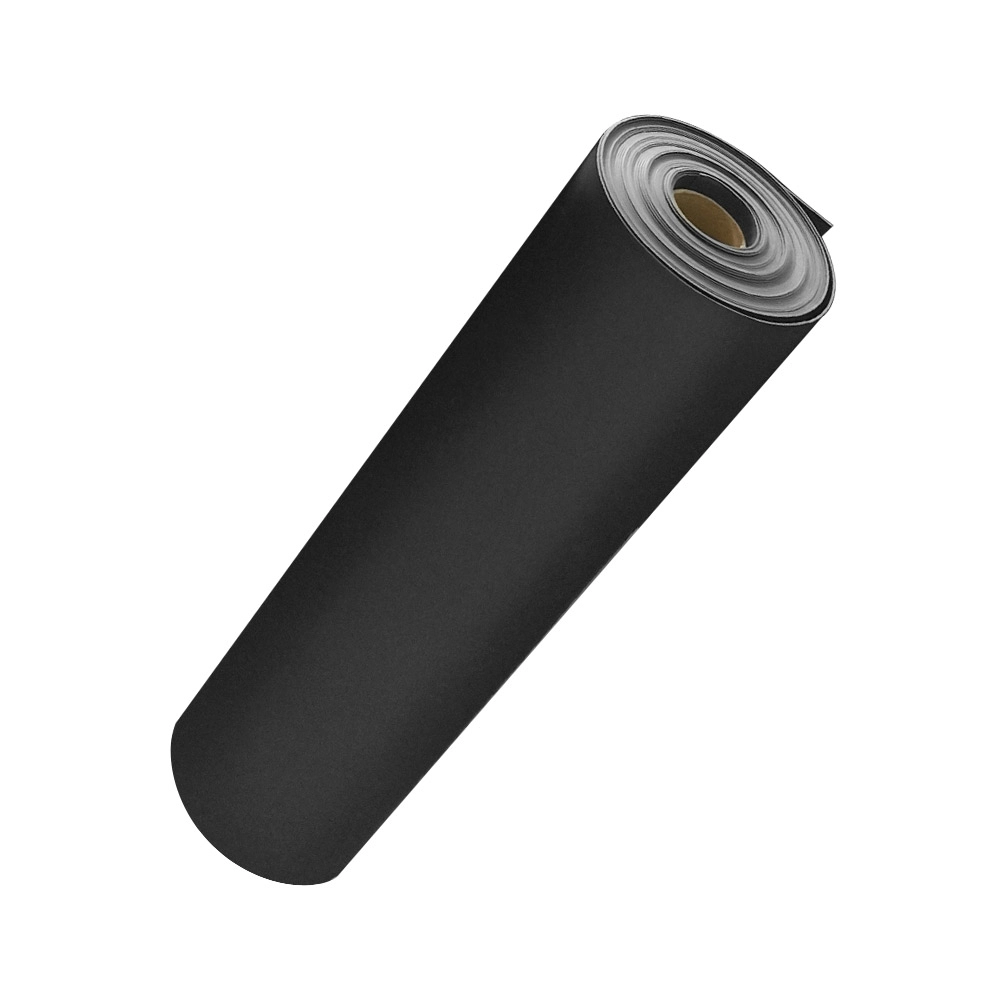
Mass Loaded Vinyl
ASLONG Mass Loaded Vinyl for sale. Reduce noise pollution effectively with our high-quality, mass-loaded vinyl. Ideal for soundproofing walls, floors, and more. Buy now and experience the difference!
Egg Crate Foam
ASLONG Egg Crate Foam for sale. Lightweight, breathable, and comfortable, our egg crate foam provides superior support and pressure relief. Perfect for mattresses, cushions, cars, construction industry, KTV, factories, etc.
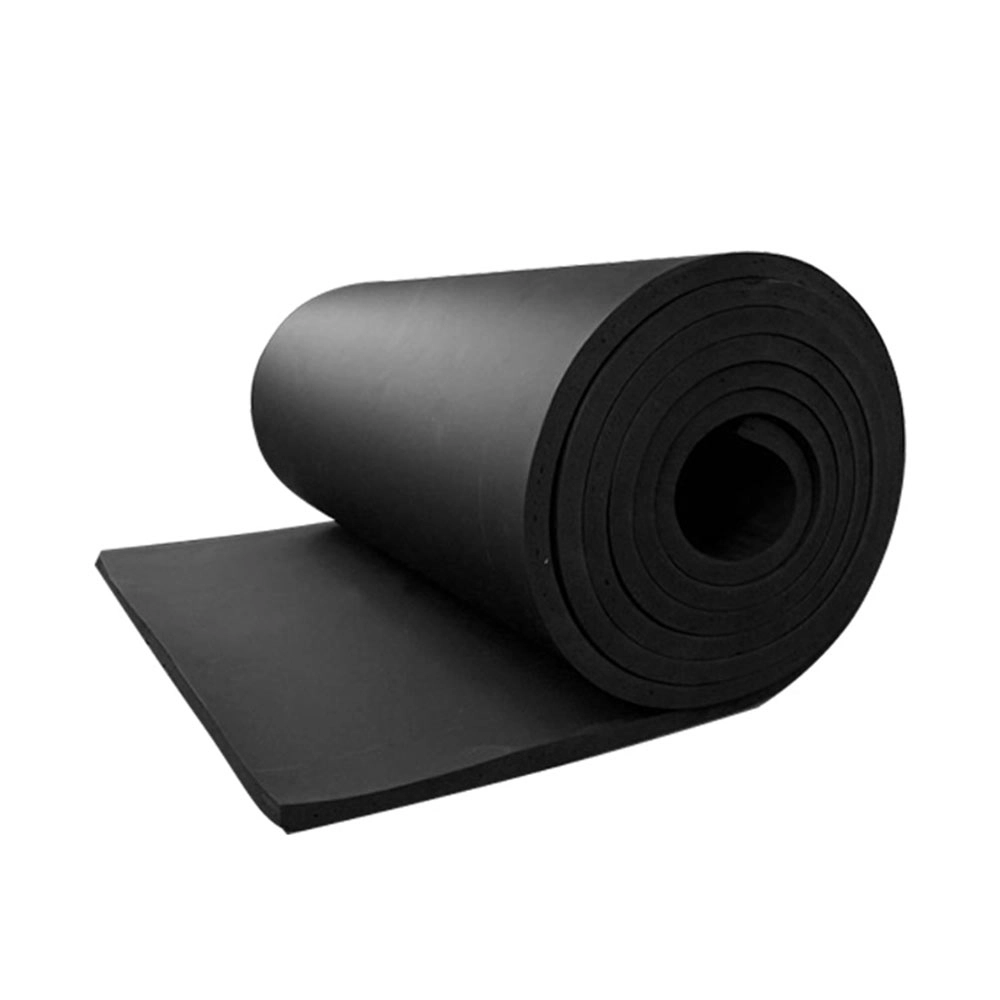
NBR Foam
ASLONG NBR Foam: Wholesale NBR foam solutions for diverse applications. High-quality, durable, and competitively priced. Contact us today for bulk orders.
Professional support at any time
If you have any comments or good suggestions, please leave us a message; later our professional staff will contact you as soon as possible.
© 2026 ASLONG All Rights Reserved. Privacy Policy | Terms and Conditions | Sitemap

 It would be pleasure to receive from you.
Whatsapp: +8613242879341
ASLONG Global
ASLONG
Aslong_global